
Defendant Ads And Juror Fairness: Voir Dire Guide
Examining whether jurors should learn about local defendant ads to ensure impartial trials and combat bias.
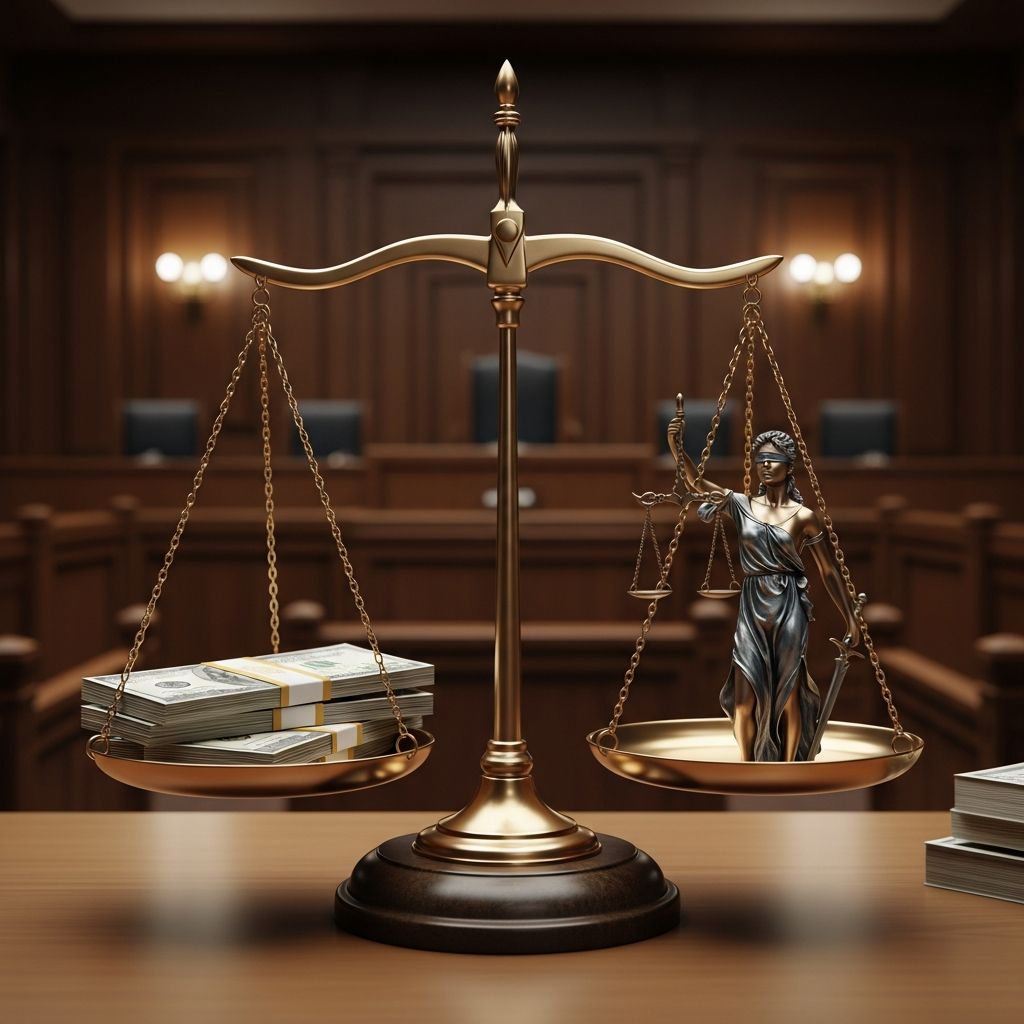
In high-stakes civil litigation, the line between commercial speech and courtroom impartiality often blurs. When defendants place advertisements in the communities from which jurors are drawn, questions arise about transparency and bias. Should courts inform potential jurors of these ads to mitigate preconceived notions? This exploration draws on legal research and case studies to unpack the implications for trial equity.
Understanding Advertising’s Reach into Courtrooms
Advertisements by defendants, particularly large corporations, permeate everyday life through billboards, television, and digital platforms. These messages frequently emphasize corporate responsibility, safety commitments, or community involvement, subtly shaping public perceptions. Jurors, as community members, encounter these promotions routinely, potentially influencing their views before evidence is presented.
Research indicates that repeated exposure to such messaging can anchor juror expectations. For instance, corporate ads touting ‘we care’ narratives may foster skepticism when plaintiffs allege negligence, or conversely, build undue sympathy. This phenomenon mirrors broader concerns with pretrial influences, where external information preconditions attitudes toward litigants.
The Nature of Juror Bias from Local Exposure
Juror bias manifests in subtle ways, often rooted in familiarity. When a defendant’s ad campaign is prominent locally, panel members may recognize the brand, associating it with positive imagery. Studies on mock trials reveal stark disparities: verdicts against national chains averaged significantly higher damages than against local entities, even with identical facts. One experiment showed awards five times larger for national retailers versus individuals, highlighting scale’s role in perceived accountability.
- Local vs. National Defendants: Jurors penalize familiar big brands more harshly due to expectations of deeper pockets.
- Ad Frequency Impact: Saturation advertising resets damage baselines, pushing awards beyond proven losses.
- Subtle Favoritism: Positive corporate messaging can engender trust, softening criticism of defensive tactics.
These dynamics underscore how advertising extends beyond marketing, infiltrating the jury pool and complicating neutrality.
Legal Foundations: Protecting Impartial Juries
The Sixth Amendment guarantees an impartial jury, a right extended to civil cases via due process principles. Courts have long grappled with external influences, from media frenzy to community sentiment. Pretrial publicity that prejudices jurors warrants scrutiny, as affirmed in rulings like Murphy v. Florida, where pervasive hostility justified venue changes.
Defendant ads parallel plaintiff lawyer promotions, which defense counsel often challenge during voir dire. Yet, reciprocity suggests probing juror exposure to all sides. Failing to address defendant messaging risks unbalanced inquiries, potentially violating fairness mandates.
Voir Dire as a Countermeasure
Voir dire, the jury selection process, serves as the primary bulwark against bias. Attorneys must question potential jurors on ad exposure to unearth predispositions. In cases of heavy advertising, targeted queries reveal whether promotions have shaped case value perceptions or corporate trust levels.
Courts endorse thorough examinations, especially amid publicity risks. Appellate decisions criticize superficial probes, mandating individualized assessments outside peers’ presence. For defendants advertising locally, counsel should initiate discussions on brand familiarity, ensuring biased panelists are excused.
| Strategy | Purpose | Example Question |
|---|---|---|
| Ask about specific ads | Identify direct exposure | “Have you seen [Defendant’s] recent billboard campaigns?” |
| Probe impact on views | Gauge impartiality | “Does [Defendant’s] advertising affect your opinion of their responsibility?” |
| Assess general sentiment | Uncover latent bias | “What comes to mind when you think of [Defendant’s] brand?” |
Strategic Considerations for Defense Teams
Defense attorneys face a dilemma: advertising bolsters public image but risks juror preconceptions. In ‘judicial hellholes’—venues prone to large verdicts—saturation campaigns amplify anti-corporate leanings. Strategies include pausing local ads pre-trial or redirecting to neutral messaging.
Proactive voir dire flips the script, mirroring plaintiff ad challenges. By highlighting mutual exposure, defenses normalize inquiries, potentially seating more favorable panels. Empirical data supports this: biased jurors dismissed early correlate with moderated awards.
Judicial Role in Balancing Disclosure
Judges wield discretion over voir dire scope and trial publicity curbs. While gag orders target media, ad disclosures remain unstandardized. Some jurists mandate questions on defendant promotions for parity, preventing one-sided bias probes.
Precedents caution against overreach; not all publicity prejudices. Yet, in saturated markets, silence on defendant ads invites error claims. Appellate relief requires proving actual or presumed bias, a high bar met through documented juror statements or community pervasiveness.
Empirical Evidence from Mock Trials
Controlled studies quantify advertising’s sway. In one series, jurors awarded 42% more against national retailers than local stores for identical injuries, attributing differences to perceived resources and accountability. Pain-and-suffering damages ballooned, untethered from economic losses, illustrating anchoring effects.
Another analysis linked ad volume to verdict inflation, with plaintiffs benefiting from skewed payout norms. These findings advocate routine exposure inquiries, empowering courts to filter influenced panelists.
Balancing Commercial Speech Rights
First Amendment protections shield advertising, complicating restrictions. Defendants retain speech freedoms, even if locally targeted. Courts hesitate to suppress, prioritizing counterspeech via voir dire over censorship.
This equilibrium preserves market discourse while safeguarding trials. Transparency—informing jurors of ads—aligns with juror oaths to set aside external influences, fostering self-reported impartiality.
Potential Reforms and Best Practices
Uniform rules could mandate ad exposure questions in advertised cases, streamlining selection. Bar associations might issue guidelines, codifying reciprocal voir dire. Tech aids, like juror surveys, expedite bias detection in voluminous pools.
- Pre-trial ad audits to gauge penetration.
- Expert testimony on advertising psychology.
- Venue motions where exposure saturates.
Frequently Asked Questions (FAQs)
What if a juror admits ad influence?
Courts typically excuse such individuals for cause, preserving panel integrity. Challenges preserve issues for appeal if denied.
Can judges prohibit defendant ads?
Rarely; First Amendment barriers loom large. Focus shifts to mitigation through selection processes.
How prevalent is this issue?
Common in product liability and personal injury suits involving recognizable brands, especially urban areas.
Does plaintiff ad bias get similar scrutiny?
Yes, defenses routinely probe, establishing precedent for balanced inquiries on all advertising.
What outcomes from biased juries?
Larger verdicts, particularly punitive; appeals succeed if prejudice proven.
Conclusion: Toward Transparent Trials
Disclosing defendant advertisements to jurors promotes equity, enabling informed challenges. While not panacea, it fortifies impartiality amid pervasive marketing. Legal practitioners must advocate diligently, leveraging tools to navigate this evolving terrain.
References
- How Advertising Creates Juror Bias, and What to Do About It — Waranch & Brown, PLLC. 2023. https://waranch-brown.com/how-advertising-creates-juror-bias-and-what-to-do-about-it/
- PRETRIAL PUBLICITY — Goldstein & Orr Trial Lawyers. 2023. https://www.goldsteinhilley.com/our-passion/legal-resources/jury-selection/pretrial-publicity/
- Quantifying the Juror Bias Against Corporate Defendants — Plaintiff Magazine. 2022. https://plaintiffmagazine.com/recent-issues/item/quantifying-the-juror-bias-against-corporate-defendants
- Media Bias, Pretrial Publicity, and Defendants’ Need for a Universal Instructional Rule — Penn State Law Review. 2022-07-01. https://www.pennstatelawreview.org/wp-content/uploads/2022/07/7-Loquercio.pdf
- Pretrial Publicity’s Limited Effect on the Right to a Fair Trial — Reporters Committee for Freedom of the Press. 2023. https://www.rcfp.org/journals/pretrial-publicitys-limited/
Similar Articles








Read full bio of Sneha Tete


