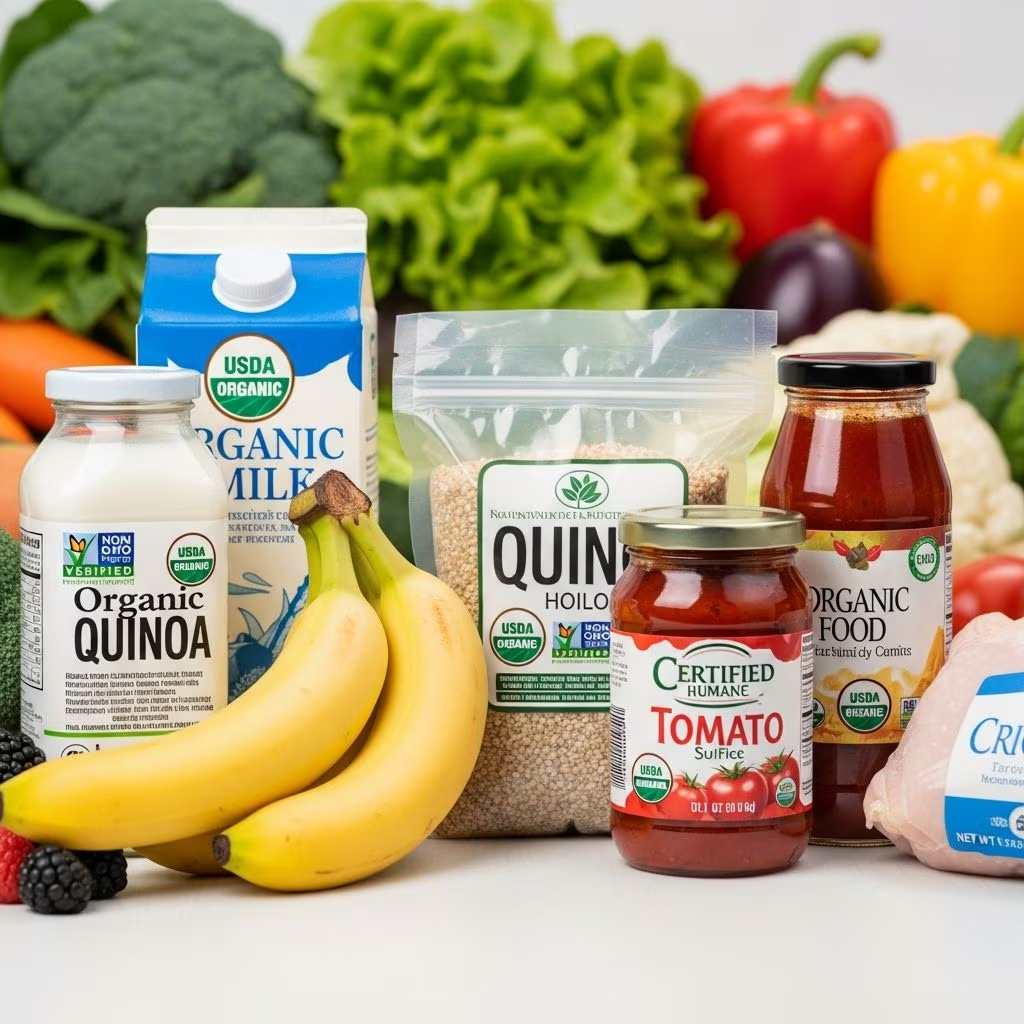
The term “organic” on food packaging promises healthier, more sustainable choices, but its precise meaning is governed by strict regulations. In the United States, the USDA’s National Organic Program (NOP) sets the standards, ensuring products meet environmental and production criteria while prohibiting certain synthetic substances.
Core Principles of Organic Production
Organic farming emphasizes sustainability by fostering soil health, ecological balance, and biodiversity. Producers must cycle resources, improve water quality, and limit synthetic inputs like pesticides and fertilizers. Livestock raised organically receive no antibiotics or growth hormones, and animals must have access to outdoors.
These practices differ from conventional agriculture, which often relies on synthetic chemicals. Organic methods prioritize natural processes, though they still comply with all federal food safety laws from agencies like the FDA.
The Certification Journey: From Farm to Table
Becoming certified involves submitting an Organic System Plan detailing operations, processes, and products. Third-party certifiers conduct announced and unannounced inspections, auditing records to trace ingredients from source to final product.
- Operations outline production methods and handling procedures.
- Inspectors verify compliance through on-site visits and paperwork reviews.
- Annual renewals and spot checks maintain standards.
Small producers selling under $5,000 annually are exempt from certification but must follow rules and cannot use the USDA seal or supply processed products.
Understanding USDA Organic Labeling Categories
Labels vary by organic content percentage, with specific rules for claims and seals. The principal display panel (PDP) and information panel (IP) have distinct allowances.
| Label Claim | Organic Content | PDP Allowed | IP Allowed | USDA Seal? |
|---|---|---|---|---|
| 100% Organic | 100% (excl. water/salt) | Yes, “100% Organic” | Ingredient list | Yes |
| Organic | ≥95% | Yes, “Organic” | Organic ingredients, % | Yes |
| Made with Organic… | 70-94% | No “organic” word | “Made with” specific ingredients, % | No |
| <70% Organic | <70% | No claims or seal | List specific organic ingredients | No |
For “Organic” products, up to 5% can be non-organic from the National List if unavailable organically. No added sulfites allowed except in wine.
Seal and Trademark Rules
The USDA organic seal is optional but protected. Updated versions include a ® mark, though existing labels without it remain valid. Certifiers approve all label changes.
Private labels must name the certifier. Retail packaging requires pre-approval.
Global Variations in Organic Labeling
While USDA rules dominate U.S. markets, international standards differ. In Canada, “100% Organic” is banned; products use “Organic” and must name certifiers.
Japan requires ≥95% for any organic claim, prohibiting “made with.” EU exports limit claims to ingredients panels with percentages.
- Canada: Bilingual for retail; certifier name mandatory.
- Japan: No sub-95% category; full percentages in lists.
- EU: Uniform font for ingredient claims; control numbers needed.
Common Misconceptions About Organic Labels
Organic does not mean pesticide-free—natural pesticides are allowed. Nor does it guarantee superior nutrition, though studies suggest benefits in antioxidants.
Labels must comply with FDA nutrition rules alongside USDA organic standards.
How to Verify Organic Claims as a Consumer
Look for the USDA seal on PDP for certified products. Check certifier names and avoid vague claims. Apps and USDA databases help trace certifications.
- Scan for USDA seal and certifier info.
- Read ingredient lists for organic specifics.
- Report suspicious labels to USDA.
Environmental and Health Implications
Organic farming reduces chemical runoff, supporting biodiversity. Health-wise, it minimizes synthetic residue exposure, appealing to families.
Processed organics like snacks must meet thresholds, ensuring integrity throughout supply chains.
The Role of Third-Party Certifiers
Organizations like OTA and OCIA ensure compliance. They audit records, inspect facilities, and issue seals, building consumer trust.
Organic in Processed Foods and Beyond
Beverages, condiments, and meats follow the same rules. Multi-ingredient products list organics clearly, with percentages where required.
Frequently Asked Questions
What percentage of organic ingredients allows the USDA seal?
Products must be 95% or 100% organic (excluding water and salt) to display the USDA organic seal.
Can small farms sell organic without certification?
Yes, if under $5,000 annual sales, but no seal or use in processed foods, and records kept for 3 years.
Does organic mean no pesticides?
No, natural pesticides are permitted; synthetics are restricted.
Are organic labels regulated internationally?
Yes, countries like Canada and Japan have unique rules differing from USDA standards.
Who approves organic labels?
USDA-accredited certifiers review and approve all packaging before use.
Future of Organic Standards
Regulations evolve with science and trade. Recent updates focus on traceability and climate resilience, ensuring the label’s credibility.
Consumers drive demand, pushing innovations in organic supply chains.
References
- Organic Standards — Organic Trade Association. Accessed 2026. https://ota.com/organic-standards
- USDA Organic Labeling — Quality Certification Services. Accessed 2026. https://qcsinfo.org/usda-organic-labeling/
- Labeling Organic Products — Agricultural Marketing Service, USDA. Accessed 2026. https://www.ams.usda.gov/rules-regulations/organic/labeling
- Food Labels Explained — Farm Aid. Accessed 2026. https://www.farmaid.org/food-labels-explained/
- Organic Labeling Requirements — OCIA International. Accessed 2026. https://ocia.org/organic-labeling-requirements/
- Labeling Packaged Products under the National Organic Standards — USDA AMS. Accessed 2026. https://www.ams.usda.gov/sites/default/files/media/NOP%20Labeling%20Packaged%20Products.pdf