Debt collection has moved far beyond phone calls and letters. Today, many collectors turn to Facebook, Instagram, Twitter and other platforms to locate people, gather information, and sometimes pressure them to pay. As social media becomes more central to daily life, understanding how collectors may use it—and what the law allows—is critical for protecting your privacy and your rights.
This article explains how debt collectors use social media, the legal rules that apply, common tactics you may encounter, and practical ways to respond. It is inspired by legal commentary about debt collectors on Facebook, but provides a fresh, comprehensive look at the topic using current regulatory guidance and consumer protection principles.
Why Debt Collectors Care About Your Social Media
Collection agencies use social networks because these platforms offer a rich view of your life. Public profiles and posts can reveal details that collectors find useful when trying to recover a debt.
- Finding you when contact information is outdated – Social media can help collectors track you down if you have changed your phone number, moved, or stopped responding to mail.
- Checking your lifestyle and spending – Photos of vacations, cars, or celebrations may be used to argue that you have resources to pay, even if you claim financial hardship.
- Locating friends or relatives – Collectors may look at your list of friends or family to find phone numbers or addresses that can help them reach you.
- Monitoring your employment – Public posts about promotions, new jobs, or business ventures may signal increased ability to pay.
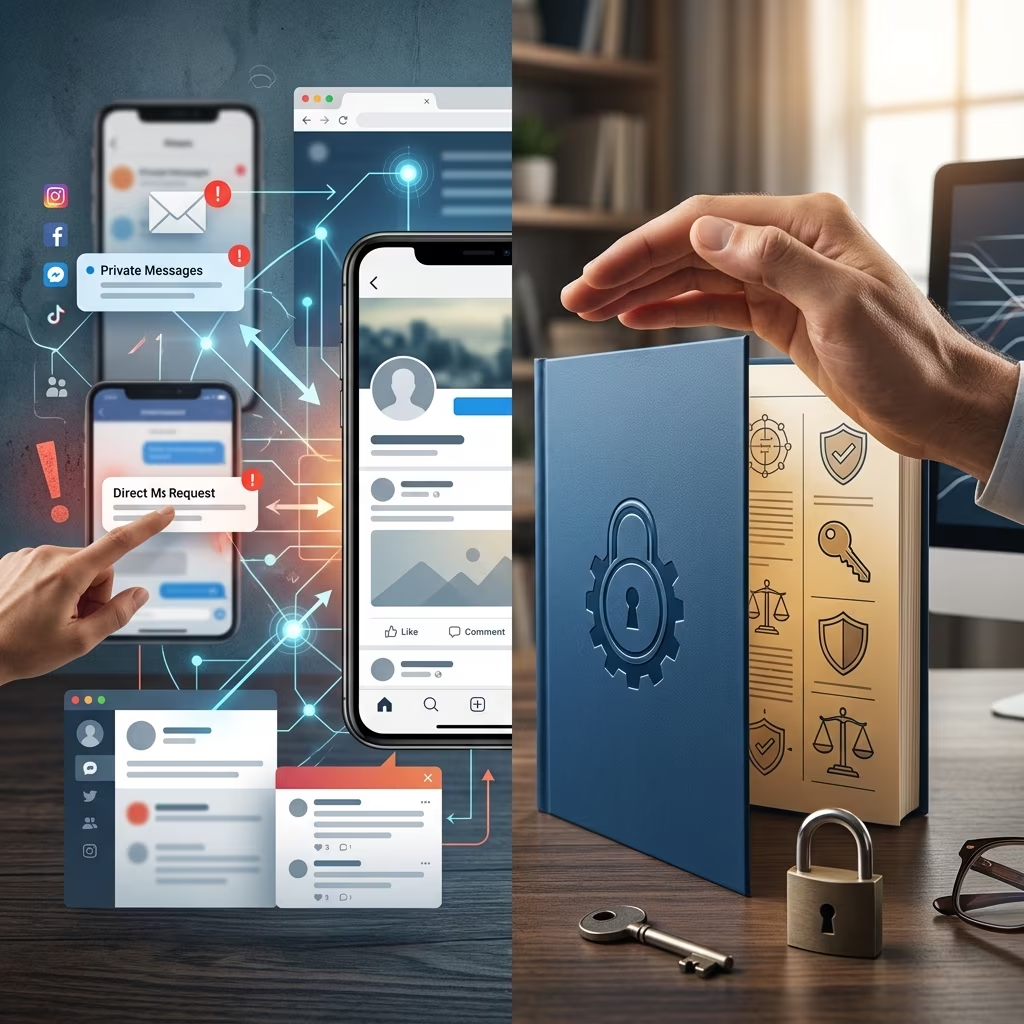
While many of these actions rely on publicly visible information, some collectors go further by sending friend requests or private messages. That is where legal protections become especially important.
The Legal Framework: FDCPA and Modern Rules
Consumer debt collection in the United States is governed primarily by the Fair Debt Collection Practices Act (FDCPA), a federal law that restricts abusive, deceptive, and unfair practices in debt collection. The FDCPA was enacted long before social media existed, but its principles still apply online.
| FDCPA Core Protection | What It Means for Social Media |
|---|---|
| No harassment or abuse | Collectors cannot use repeated messages, threats, or degrading language in DMs or other online communications. |
| Limits on third-party contacts | Collectors generally cannot discuss your debt with friends, employers, or family (except in narrow circumstances). |
| Restrictions on embarrassing media | Collectors cannot publicly shame you, including by posting about your debt where others can see it. |
| Truthful, non-misleading communication | Collectors must clearly identify themselves and avoid deceptive tactics in online messages. |
In 2021, the Consumer Financial Protection Bureau (CFPB) issued rules clarifying how these protections apply to social media. Under these rules, debt collectors may contact you through social media, but strict limits apply.
Key CFPB Rules on Social Media Contact
- Messages must be private – A collector cannot contact you about a debt in any way that is visible to the general public, your friends, followers, or contacts.
- Collectors must identify themselves – If a collector sends you a direct message, including a friend request intended to start collection contact, they must disclose that they are a debt collector.
- Opt-out requirement – Every social media contact must include a simple way for you to stop receiving further messages on that platform.
- Limits on frequency of contact – Updated rules limit collectors to a set number of phone call attempts per week per debt and require responsible communication practices.
These rules aim to ensure that social media does not become another channel for harassment or public shaming.
How Debt Collectors Might Use Facebook in Practice
Understanding common tactics helps you spot problematic behavior quickly. The following scenarios reflect typical ways collectors use Facebook and other platforms:
1. Anonymous or Vague Friend Requests
Some consumers report receiving friend requests from people they do not recognize, who later turn out to be debt collectors. Under CFPB rules, a collector who uses social media to contact you must identify themselves as a debt collector, even in a private message requesting to add you as a friend.
- If a request seems suspicious, do not accept it.
- Check the profile for limited posts, generic images, or vague details, which may signal a fake account.
2. Direct Messages About a Debt
A collector may send you a direct message that references a debt you allegedly owe. Legally, that message must:
- Be visible only to you (not posted on your profile or timeline).
- Identify the sender as a debt collector.
- Include an easy method to opt out of future social media contact.
Repeated or aggressive messaging, threats, or abusive language in these communications can violate the FDCPA’s prohibition on harassment.
3. Contacting Friends or Relatives Through Social Media
Collectors sometimes try to reach a debtor indirectly by contacting people connected to them online. Under the FDCPA, third-party contacts are sharply limited. Collectors may contact someone else only to obtain location information, and they cannot disclose that you owe a debt or discuss details of the debt.
- Once a collector has your phone number or address, they generally must stop contacting third parties.
- Using third-party contacts to embarrass or shame you about a debt can violate federal and state law.
4. Monitoring Public Posts for Evidence
Collectors sometimes review your publicly visible posts for indications of ability to pay—such as photos of new purchases or trips. While accessing public information is generally allowed, it does not give collectors permission to harass you, misrepresent facts, or draw unfair conclusions.
Be aware that what you share publicly may be used to challenge claims of hardship, even if the context is misunderstood or incomplete.
Your Rights When Collectors Use Social Media
If a debt collector reaches out to you via Facebook or another platform, you retain all the rights you have under federal and, in many cases, state law. Key protections include:
- Right to be free from harassment – Collectors cannot use threats, profanity, or repeated contact intended to annoy or abuse you, whether by phone, mail, or online.
- Right to privacy – Collectors cannot publicly disclose your debt or share details with friends, colleagues, or most family members.
- Right to clear identification – A collector contacting you online must say they are a debt collector and comply with disclosure requirements.
- Right to request limited or no contact – You may send a written request asking a collector to stop contacting you, and in many cases they must honor it, except for specific notifications.
- Right to dispute the debt – If you believe you do not owe the debt or the amount is wrong, you can dispute it and request verification.
These rights apply regardless of whether communication happens through traditional or digital channels.
Practical Steps to Protect Yourself on Facebook and Other Platforms
You can significantly reduce the risk of problematic contact by adjusting how you use social media. The following measures are both privacy-friendly and legally savvy.
Strengthen Your Privacy Settings
- Limit who can see your posts to trusted friends instead of “Public.”
- Control who can look you up using your email address or phone number.
- Restrict who can send you friend requests or follow you, where possible.
- Review past posts and consider changing visibility for sensitive content.
Be Selective With Friend Requests
- Do not accept requests from people you do not recognize.
- Watch for profiles with minimal information, stock photos, or inconsistent details.
- If in doubt, ignore or decline; genuine contacts typically have a clear social footprint.
Avoid Broadcasting Financial or Lifestyle Details
- Think twice before posting about expensive purchases or trips, especially if you are behind on bills.
- Avoid discussing financial problems or debts in public posts.
- Do not engage publicly with collection agencies or collectors.
Document and Respond Strategically
If a collector contacts you through social media:
- Take screenshots of all messages, including timestamps and sender profiles.
- Note any violations (public posts about your debt, threats, or contact with friends).
- Consider replying in writing off-platform (e.g., letter or email) to request they stop online contact or to dispute the debt.
- Keep copies of all correspondence; these records can be vital if you need legal help.
When Debt Collectors Cross the Line
Even with clear rules, some collectors engage in improper or illegal behavior. Common violations include:
- Posting about your debt on your timeline or tagging you in embarrassing content.
- Sending repeated messages that feel like harassment or threats.
- Messaging your friends or relatives and revealing that you owe a debt.
- Pretending to be someone else to obtain information or pressure you.
If you believe a collector has violated your rights, you can:
- File a complaint with the Consumer Financial Protection Bureau (CFPB).
- Contact your state Attorney General’s office, which often enforces state consumer protection and debt collection laws.
- Speak with a consumer law attorney, especially if harassment, privacy violations, or significant damages are involved.
In some cases, you may be able to recover damages and have the collector pay your attorney’s fees if they have violated the FDCPA.
Balancing Debt Resolution and Digital Safety
Protecting yourself from abusive or invasive tactics does not mean ignoring legitimate debt issues. It is often helpful to address the underlying debt while safeguarding your rights online.
- Cooperate with creditors when possible – Before a debt is sent to collections, you may be able to negotiate a payment plan or hardship arrangement directly with the creditor.
- Verify the debt – Ensure the amount is accurate, the collector is legitimate, and the debt is not too old to be collected or already discharged.
- Explore negotiation or settlement – Some collectors are willing to accept a reduced lump sum or structured payments.
- Limit communication to safer channels – You can request that collectors contact you only by mail or a specific method, rather than social media.
By combining debt management strategies with strong privacy practices, you maintain control over both your financial situation and your online presence.
FAQs About Debt Collectors and Facebook
Can a debt collector post about my debt on my Facebook wall?
No. A collector cannot post about your debt in any way that is visible to the public or your contacts. Such public communication would likely violate both the FDCPA and CFPB social media rules.
Is it legal for a debt collector to send me a Facebook DM?
Yes, but only if the message is private, the collector identifies themselves as a debt collector, and they provide a simple way for you to opt out of future messages on that platform.
Can a debt collector contact my friends on Facebook?
Collectors are tightly limited in how they can contact third parties. They may sometimes seek location information, but they cannot disclose that you owe a debt or discuss its details. Once they know how to reach you, contacting your friends can become unlawful.
What should I do if I get a suspicious friend request?
Decline requests from people you do not recognize, especially if the profile looks incomplete or generic. If the sender later reveals they are a debt collector who did not identify themselves up front, save evidence of the interaction and consider speaking with a consumer law attorney.
How can I stop a debt collector from contacting me through social media?
You can use the opt-out method included in their messages, block their account on the platform, and send a written request asking them to stop contacting you. Under federal law, collectors generally must honor written requests to stop communications, with limited exceptions for required notices.
References
- Can a debt collector contact me through social media? — Consumer Financial Protection Bureau. 2021-11-23. https://www.consumerfinance.gov/ask-cfpb/can-a-debt-collector-contact-me-through-social-media-en-2112/
- Can Debt Collectors Track You Down on Facebook? — Debt.org. 2022-06-15. https://www.debt.org/credit/collection-agencies/harassment/facebook/
- Don’t Let a Debt Collector “Friend” You on Facebook: The Legal Issues Posed by Internet Debt Collection — FindLaw / Supreme Court Commentary. 2010-03-08. https://supreme.findlaw.com/legal-commentary/dont-let-a-debt-collector-friend-you-on-facebook-the-legal-issues-posed-by-internet-debt-collection.html
- New Debt Collection Rule Allows Contact on Social Media — Experian. 2021-12-09. https://www.experian.com/blogs/ask-experian/can-a-debt-collector-contact-me-through-facebook/
- When Facebook or Instagram “Friends” May Actually Be Debt Collectors — BransonLaw.com. 2022-04-05. https://www.bransonlaw.com/blog/when-facebook-or-instagram-friends-may-actually-be-debt-collectors/
- Debt collector using Facebook to call friends — Reddit r/personalfinance (discussion summarized for FDCPA citation context). 2018-03-12. https://www.reddit.com/r/personalfinance/comments/87bqbe/debt_collector_using_facebook_to_call_friends/