Daily Travel Allowances: Maximizing Tax Benefits
Navigate per diem deductions strategically to optimize business travel expense management.
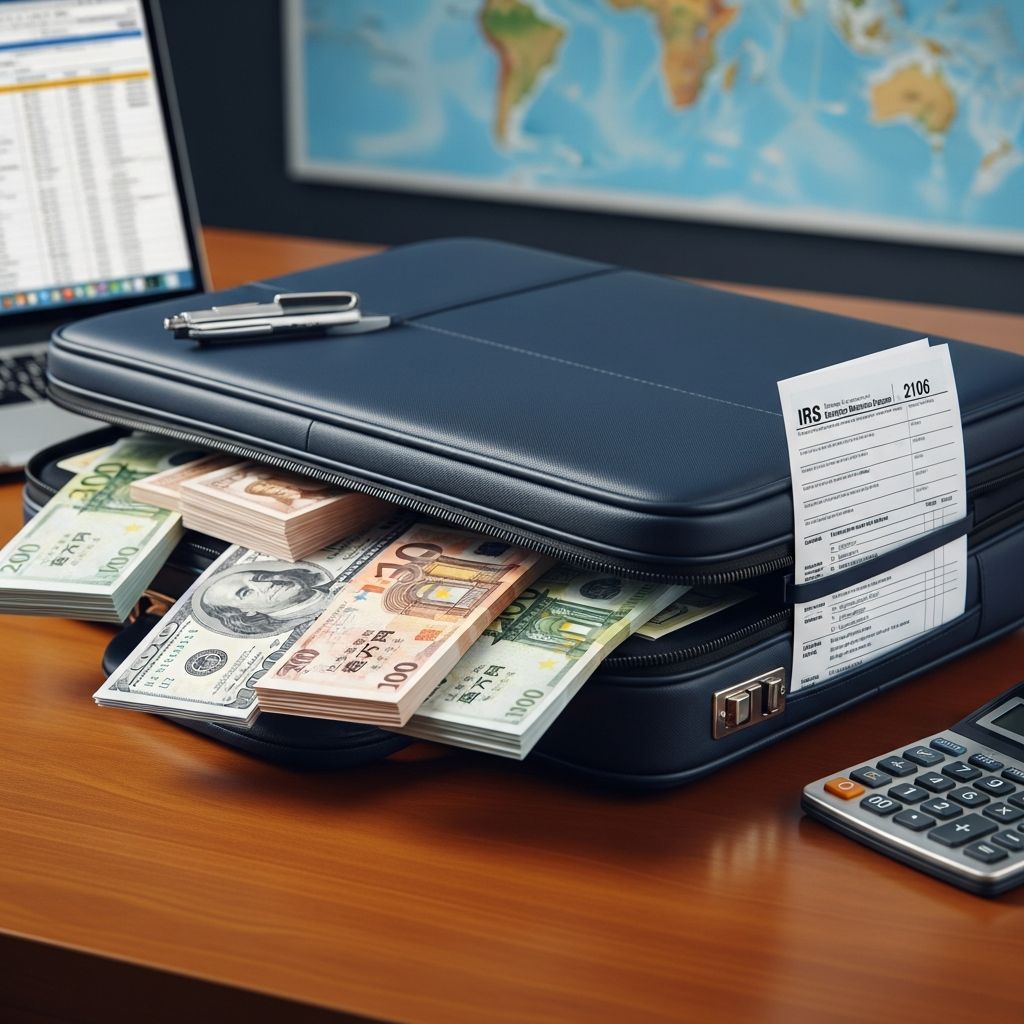
Understanding Per Diem Allowances in Modern Business Travel
When employees travel for business purposes, organizations face the challenge of reimbursing legitimate expenses while maintaining tax efficiency and regulatory compliance. Per diem allowances represent one of the most effective mechanisms for addressing this balance, offering a simplified approach to expense reimbursement that benefits both employers and their traveling workforce. Unlike traditional expense reporting that requires detailed receipts for every meal and incidental cost, the per diem method establishes fixed daily rates that cover meals and miscellaneous expenses incurred during business travel away from home.
The term “per diem” derives from Latin, literally meaning “by the day,” and in the business context it refers to a standardized daily allowance that employees receive to cover travel-related costs. This approach has become increasingly valuable as organizations seek to streamline their expense management processes while ensuring they capture all available tax advantages. Understanding how per diem works, who qualifies for it, and how to implement it correctly within your organization requires familiarity with current IRS guidelines and documentation standards.
How Per Diem Functions as a Deduction Tool
Per diem operates fundamentally differently from traditional expense reimbursement models. Rather than requiring employees to submit receipts for every meal, snack, and incidental expense, organizations can establish a daily allowance based on federal rates published by the General Services Administration (GSA). For the 2026 fiscal year, standard per diem rates for meals and incidental expenses (M&IE) are set at $68 per day in standard-cost locations, with higher allowances reaching up to $92 per day in designated high-cost metropolitan areas. These rates reflect realistic estimates of what employees typically spend on necessary meals and incidental costs while away from home on business.
The power of per diem as a tax deduction lies in its simplicity and safety harbor protection. When an employer reimburses employees at or below the established GSA rates, those reimbursements are treated as non-taxable income to the employee, and the employer can deduct the expense as a legitimate business cost. This creates a win-win scenario: employees receive reimbursement without it being added to their taxable wages, eliminating the need for additional tax withholding, while employers gain the deduction without requiring extensive documentation of individual meal receipts.
Federal Rate Structures and Geographic Variations
The GSA publishes per diem rates that vary significantly based on geographic location and cost of living differences across the United States. Understanding these variations is essential because reimbursing at rates higher than the applicable location allows can inadvertently create taxable income for employees and complicate your tax position.
For lodging expenses, the 2026 federal per diem establishes a maximum of $110 per night in standard locations, with substantially higher allowances in designated high-cost areas. These lodging rates are determined by analyzing actual hotel costs in each region and are updated periodically to reflect market changes. Meals and incidental expenses follow a similar geographic differentiation, with the standard $68 daily rate applying to most locations while high-cost areas receive up to $92 per day.
An important consideration involves the treatment of per diem on the first and last days of travel. Under federal guidelines, the M&IE portion of per diem is limited to 75 percent of the standard rate on initial and final travel days, reflecting the reality that employees typically do not incur a full day’s meal expenses on arrival and departure days. For example, an employee arriving in a standard-cost location would claim only 75 percent of the $68 daily rate on that initial day.
Distinguishing Taxable from Non-Taxable Per Diem Arrangements
Not all per diem payments receive the same favorable tax treatment. The distinction between taxable and non-taxable per diem hinges on whether the amount provided aligns with federal standards and whether it genuinely relates to business travel expenses.
Non-taxable per diem occurs when an employer provides a daily allowance that:
- Does not exceed the GSA standard rates for the applicable location
- Is specifically tied to legitimate business travel away from home
- Is documented with travel dates, destinations, and business purpose information
Under these conditions, employees need not retain detailed receipts for every meal or incidental expense, significantly simplifying their record-keeping burden.
Taxable per diem emerges when:
- The daily allowance exceeds the federal rates for that location
- The per diem is not specifically allocated to business travel
- Employees use per diem funds for personal or non-business purposes
Any amount paid in excess of the applicable GSA standard rate must be treated as taxable wages, subject to income and payroll tax withholding. This excess amount is reported on the employee’s Form W-2 and becomes part of their gross income for tax purposes.
Critical Documentation Requirements for Compliance
While per diem simplifies expense documentation compared to the traditional receipts-based approach, it does not eliminate documentation obligations. The IRS maintains specific requirements that employers and employees must satisfy to qualify for the per diem deduction and to withstand audit scrutiny.
The fundamental documentation elements include:
- Travel dates: Clear documentation of when the employee departed from home and when they returned, including the specific dates of business travel
- Business destination: Precise identification of where the employee traveled and, if applicable, which GSA-designated area applied
- Business purpose: A substantive explanation of why the travel was necessary and what business activities or meetings occurred
- Amount reimbursed: Verification that the reimbursement amount did not exceed the applicable per diem rate for the location and dates involved
These four elements comprise what the IRS identifies as the essential substantiation requirements. Employers should implement systems requiring employees to document all four components within a specified timeframe, typically within 60 days of travel completion, to maintain safe harbor protection. Late submissions can jeopardize the non-taxable status of those specific reimbursements and potentially trigger broader examination of the entire arrangement if a pattern of noncompliance emerges.
Temporary Travel Status: Understanding Assignment Duration Rules
The IRS distinguishes between temporary travel assignments and permanent relocations, with significant implications for per diem eligibility. An assignment is considered temporary if the employee’s expected duration away from their home location is one year or less. This distinction determines whether per diem applies and for how long it continues.
The critical determination factor is what was “expected” at the assignment’s inception, not the actual duration that ultimately transpires. If an employee is sent to a client site with the expectation of a six-month project and that project actually extends beyond one year, the per diem deduction ceases on the day the employer becomes aware of the extension. Conversely, if an employee originally expected to work at a location for two years, they do not qualify for per diem even if the assignment concludes earlier than anticipated.
This rule emphasizes the importance of establishing clear expectations at the outset of any business travel assignment and documenting any changes to expected duration promptly.
Meal Deductions Beyond Per Diem: The Broader Context
Understanding per diem requires context within the larger framework of meal deduction rules, which underwent significant changes effective January 1, 2026. Beginning in 2026, employer-provided meals on business premises—such as on-site cafeterias, breakroom snacks, and coffee services—are no longer tax-deductible, having dropped from 50 percent deductibility to zero percent deductibility.
However, several categories of meal expenses remain deductible at favorable rates:
- Business meals during travel: Meals incurred while traveling away from home on business remain 50 percent deductible when they are ordinary, necessary, and properly substantiated
- Client entertainment meals: Meals provided to clients or prospects in connection with business discussions remain 50 percent deductible when a company representative is present and the expense is not lavish
- Employee appreciation events: Meals at social or recreational events primarily benefiting non-highly compensated employees remain 100 percent deductible
- Meals as taxable compensation: Meals provided to employees and reported as wages on Form W-2 maintain 100 percent deductibility to the employer
The per diem approach simplifies meal deduction tracking by allowing employers to reimburse at standard rates without separately itemizing deductible versus non-deductible meal categories, provided the per diem is applied specifically to business travel situations.
Self-Employed Individuals and Per Diem Limitations
Self-employed individuals and sole proprietors face different constraints regarding per diem usage. While self-employed individuals can use per diem rates for meal and incidental expenses, they cannot use per diem for lodging costs. Self-employed travelers must instead track and document actual lodging expenses with receipts, even when using per diem for meals. This distinction reflects the IRS’s stricter documentation requirements for self-employed individuals on lodging, recognizing that actual hotel costs can vary dramatically even within the same geographic area.
Strategic Implementation Within Your Organization
Implementing per diem effectively requires clear policies, consistent application, and integrated systems. Organizations should establish written policies that specify:
- Which positions or roles qualify for per diem reimbursement
- How the organization will determine the applicable GSA rate for each destination
- The documentation requirements and submission timeline employees must follow
- How the organization handles situations where travel extends beyond the one-year temporary threshold
- Whether the organization will reimburse at the standard rate, at a reduced rate, or at variable rates based on actual location costs
Consider implementing an expense management system that automatically applies the correct per diem rates based on travel dates and destinations, calculates the 75-percent reduction for first and last travel days, and enforces the 60-day documentation submission window. This reduces administrative burden and ensures consistent compliance.
Preparing for Changes and Planning Ahead
The tax treatment of business travel expenses continues to evolve, with the 2026 elimination of employer-provided meal deductions representing a significant shift. Organizations should remain alert to additional regulatory changes that may affect meal and travel expense deductions. Periodically reviewing your travel expense policies and per diem rates ensures that your organization remains compliant with current IRS guidance while capturing all available deductions.
Maintain documentation of the GSA rates you applied for each fiscal year, as these vary annually. For 2026, verify that you are using the current standard rates ($68 standard/$92 high-cost for M&IE and $110 standard for lodging) rather than rates from prior years. Failing to apply the correct year’s rates can result in either over-deduction (creating a tax exposure) or under-reimbursement (disadvantaging employees).
Common Questions About Per Diem Implementation
Q: Can employees choose between per diem and actual expense reporting?
A: Per diem is typically an employer policy decision rather than an employee election. When an employer establishes a per diem arrangement and properly applies GSA rates, employees must use that arrangement rather than submitting actual receipts for those expense categories.
Q: What happens if an employee’s actual expenses exceed the per diem allowance?
A: Employees absorb the difference; they cannot submit additional claims above the per diem rate. Conversely, if actual expenses fall below the allowance, employees retain the difference as additional compensation (which may or may not be taxable depending on whether it exceeded the GSA rate).
Q: Are weekends and non-business days covered by per diem?
A: Per diem applies to days the employee is traveling away from home on business. If an employee extends a business trip to include personal travel days or leisure time, those personal days typically do not qualify for per diem reimbursement.
Q: How do I determine the correct GSA rate for a multi-city trip?
A: Apply the applicable GSA rate for each specific city or designated area where the employee travels. If travel involves multiple locations with different rates, document each location separately and apply its corresponding rate for the days spent there.
Q: Does per diem cover all incidental expenses, or just meals?
A: The M&IE (meals and incidental expenses) per diem rate covers both meals and legitimate incidental expenses such as tips, laundry, phone calls, and transportation between the airport and hotel, providing a comprehensive daily allowance rather than limiting coverage to meals alone.
References
- Employer-Provided Meals Move to 0% Deductible in 2026 — CRI Advisors. 2025-12-17. https://www.criadv.com/insight/employer-provided-meals-deduction-changes-2026/
- IRS Travel Reimbursement Rules: 2026 Business Guide — Engine. https://engine.com/business-travel-guide/irs-travel-reimbursement-rules
- Per diem: Meaning, Calculation, and 2025 Rates — Factorial HR. https://factorialhr.com/blog/per-diem/
- 2025-2026 Special Per Diem Rates — Internal Revenue Service. https://www.irs.gov/pub/irs-drop/n-25-54.pdf
- Guidance for 2026 Deductions on Meals, Travel and Other Expenses — Baker Tilly. https://www.bakertilly.com/insights/guidance-for-2026-deductions-entertainment-expenses
Similar Articles








Read full bio of medha deb