
Crypto ATM Payment Scams: How They Work and How To Stay Safe
Learn how scammers exploit crypto ATMs, QR codes, and fear tactics to steal your money — and the exact steps you can take to avoid becoming a victim.
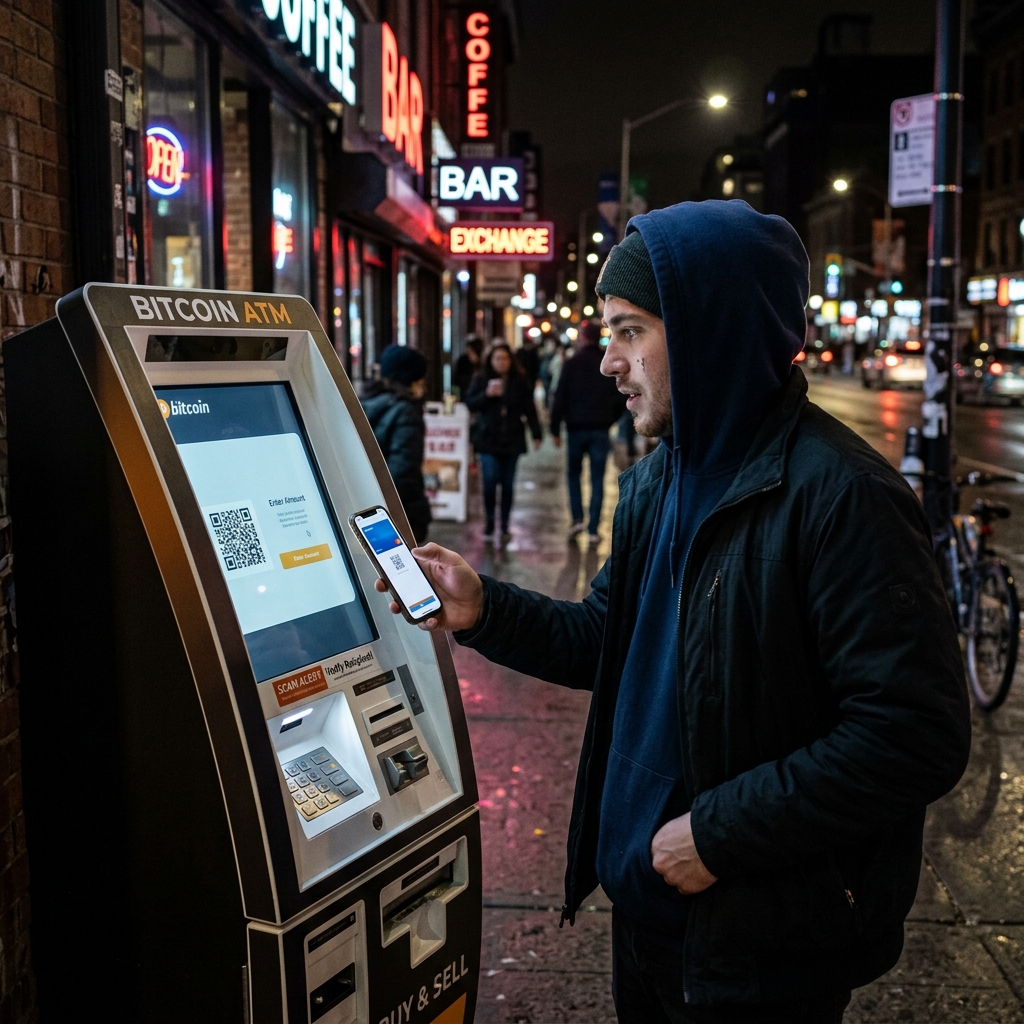
Cryptocurrency has rapidly moved from a niche technology to a mainstream financial tool, and scammers have followed that money. One of the most troubling trends is a new type of crypto ATM payment scam, where criminals impersonate trusted organizations and push victims to send funds via cryptocurrency ATMs and QR codes. This guide explains how these schemes work, why they are so effective, how to recognize them, and what to do if you or someone you know is targeted.
Why Crypto ATMs Are a Target for Scammers
Crypto ATMs are machines that let you buy or sometimes sell cryptocurrency using cash or a bank card, often found in convenience stores or shopping centers. While they serve legitimate purposes, they are attractive to scammers for several reasons:
- Speed and finality of transactions: Once you send cryptocurrency to someone else, the transaction generally cannot be reversed.
- Relative anonymity: Crypto transfers do not always reveal the real-world identity of the receiver, making it harder to trace funds.
- Complexity for new users: Many people do not fully understand how crypto works, which scammers exploit to confuse and pressure victims.
- Physical cash-to-digital value conversion: Crypto ATMs offer a simple way to turn cash into digital currency that can be quickly moved out of reach.
Regulators and consumer agencies have noted sharp increases in complaints and losses involving cryptocurrency scams, including those centered on ATMs. Scammers adjust tactics quickly, so understanding common patterns is crucial.
Core Anatomy of a Crypto ATM Payment Scam
Although individual cases vary, most crypto ATM payment scams follow a similar pattern. The Federal Trade Commission (FTC) has warned that these schemes typically combine impersonation, false urgency, and QR code transfers.
| Stage | What Happens | Red Flags |
|---|---|---|
| Initial Contact | Scammer reaches out via phone, text, email, or social media and claims to be from a trusted organization. | Unsolicited message, demands for immediate action, threats or promises that seem extreme. |
| Fabricated Emergency | Victim is told there is a serious problem or urgent opportunity involving money, legal status, or an account. | Pressure to act now, warnings not to speak to anyone else, claims your accounts are compromised. |
| Instruction to Use a Crypto ATM | Scammer directs victim to a nearby crypto ATM, often staying on the phone the entire time. | “We’re protecting your money” or “This is the only way to pay” via cryptocurrency. |
| QR Code Transfer | Victim is told to insert cash, buy crypto, and then scan a QR code that sends funds to the scammer’s wallet. | QR code provided by caller, no clear explanation of where the money is going, insistence on crypto-only payment. |
| After the Transfer | Once the crypto is sent, the scammer disappears or continues to ask for more payments. | Communication cuts off, requests for secrecy, new excuses for additional payments. |
Common Impersonation Scenarios Used in These Scams
One core warning from the FTC is that only scammers demand payment in cryptocurrency for urgent problems or government-related matters. Crypto ATM payment schemes often involve impersonation, such as:
- Government or law enforcement imposters – The scammer claims to be from the IRS, police, or another agency and says you owe fines or face arrest unless you pay immediately in cryptocurrency.
- Utility or service providers – You’re told your electricity, phone, or internet will be cut off unless you send a crypto payment right away.
- Tech support fraud – Someone pretends to be from a major tech company, insisting your computer or account is hacked and you must pay in crypto to fix the problem.
- Romance or relationship scams – A person you’ve met online asks you to help with a crisis by sending money via a crypto ATM, often framed as an emergency medical or travel issue.
- Investment and trading scams – Scammer poses as a financial expert promising guaranteed returns if you deposit funds into a crypto ATM and send them to a provided wallet.
Regardless of the story, the pattern is the same: an unexpected contact, a problem you didn’t know about, and pressure to use cryptocurrency as the solution.
Key Warning Signs: How To Recognize a Crypto Payment Scam
To protect yourself, watch for these major red flags highlighted by consumer protection agencies and law enforcement.
- Demand for cryptocurrency or crypto ATM use – Legitimate businesses and government agencies do not insist you pay only in cryptocurrency or via a crypto ATM.
- Unexpected threats or urgent demands – Claims that you’ll be arrested, deported, sued, or cut off from services unless you pay immediately.
- Instruction to stay on the phone – Scammer keeps you on the line, guiding each step at the ATM and discouraging you from talking to anyone else.
- QR code or wallet address provided by the caller – You’re told to scan a QR code or copy a wallet address you don’t control.
- Requests for secrecy – You are told not to tell family, bank staff, or friends what you’re doing.
- Promises of guaranteed returns – Any claim that profits from cryptocurrency are guaranteed or risk-free is a strong sign of a scam.
Why These Scams Are So Effective
Crypto ATM payment scams combine psychological and technical factors that make them surprisingly effective:
- Stress and fear: Under pressure, people find it harder to think critically and verify information.
- Authority bias: When someone pretends to be from the government or a major company, many victims assume they must be legitimate.
- Complex technology: Crypto terms, QR codes, and wallet addresses can sound convincing, even when the explanation is vague.
- Irreversible transactions: Once crypto has been sent, there is usually no way to undo the transaction, unlike some traditional bank transfers.
Law enforcement agencies emphasize that scammers often manipulate victims gradually, building trust over time before pushing them into a high-pressure payment situation.
Practical Steps To Avoid Falling Victim
You can significantly reduce your risk by following a few practical guidelines drawn from official consumer advice and law enforcement recommendations.
- Refuse any demand for crypto-only payment – If anyone tells you the only way to pay them is through cryptocurrency or a crypto ATM, treat it as a scam.
- Hang up and verify independently – If someone claims to be from a government agency or company, hang up and call the organization using a verified phone number from its official website.
- Never scan unknown QR codes for payments – QR codes should only be used with companies or individuals you know and trust; avoid codes sent by unsolicited contacts.
- Slow down and consult others – Talk to a friend, family member, or trusted advisor before making any large or unusual payment, especially via cryptocurrency.
- Protect your personal information – Do not share passwords, two-factor codes, or bank details with anyone who contacts you unexpectedly.
- Learn basic crypto safety rules – Understanding how wallets, transactions, and exchanges work makes it easier to spot inconsistencies and fraud attempts.
What To Do If You Think You’re Being Targeted
If you suspect you are in the middle of a crypto ATM payment scam—especially while you are at an ATM—take the following immediate actions:
- Stop the transaction – Hang up the phone, walk away from the ATM, and do not insert any additional money.
- Do not scan the QR code – Refuse to scan or send funds to any wallet address provided by the caller.
- Document the encounter – Save call logs, screenshots, and any messages; this will be important if you need to report the scam.
- Contact someone you trust – Explain what happened to a friend or family member to get a second opinion and support.
Acting quickly can prevent losses. If money has already been sent, you may not be able to recover it, but reporting promptly helps authorities track patterns and possibly stop ongoing frauds.
If You Already Sent Money: Reporting and Next Steps
When you have already sent funds to a scammer, the focus shifts to reporting, damage control, and prevention of repeat victimization. Several official channels are recommended for reporting cryptocurrency-related fraud.
Gather Evidence Before You Report
Collect as much information as possible about the scam and transactions:
- Dates and amounts of each payment
- Cryptocurrency type and transaction IDs (hashes)
- Wallet addresses or QR codes used
- Screenshots of messages, emails, or social media chats
- Names, phone numbers, email addresses, or usernames of the scammer
- Any websites or apps the scammer directed you to use
Where To Report Crypto Scams
Different agencies handle different aspects of cryptocurrency fraud. Guidance from consumer financial resources and law enforcement suggests reporting to multiple organizations:
- Federal Trade Commission (FTC) – Report general frauds, including crypto scams, at the FTC’s fraud reporting portal.
- U.S. Securities and Exchange Commission (SEC) – Report scams involving crypto investments or securities-like offerings through the SEC’s online complaint system.
- Commodity Futures Trading Commission (CFTC) – For scams tied to crypto derivatives or trading platforms, file a complaint with the CFTC.
- FBI Internet Crime Complaint Center (IC3) – For online scams and investment fraud, submit a detailed complaint to IC3.
- Local law enforcement – Even if the scam is online, filing a report with your local police can document the crime and may help larger investigations.
- Your crypto exchange – Notify the platform where you bought or sent the cryptocurrency; they may flag suspicious accounts or offer guidance.
When you report to IC3 or similar bodies, include transaction IDs, wallet addresses, and all communications. Law enforcement indicates that these details are critical for investigations.
Staying Informed: Ongoing Alerts and Resources
Scam tactics evolve quickly, and staying informed is a powerful defense. Consumer protection agencies offer alerts and educational materials on new fraud trends, including cryptocurrency schemes.
- Sign up for official scam alerts – Agencies such as the FTC provide email updates on emerging scams and enforcement actions.
- Monitor reputable financial and regulatory news – Trusted newsrooms and government websites regularly report on major fraud trends and enforcement cases.
- Check state-level resources – Some state regulators maintain scam trackers and consumer warnings focused on cryptocurrency fraud.
Regularly reviewing these resources helps you recognize new patterns and share warnings with friends, family, and colleagues who may be less familiar with crypto.
Practical FAQs About Crypto ATM Payment Scams
1. Can a legitimate company ever ask me to pay with cryptocurrency?
Some legitimate businesses may accept cryptocurrency as one optional payment method. However, consumer agencies stress that no legitimate government agency or business will insist that you pay only in cryptocurrency for an urgent issue or penalty, nor will they contact you out of the blue demanding such a payment. If someone does, treat it as a scam.
2. If I paid through a crypto ATM, can my bank reverse the transaction?
Generally, no. Once cash has been converted into cryptocurrency and sent to another wallet, traditional bank protections rarely apply. This is why regulators emphasize never sending crypto to someone you do not personally know and trust.
3. Are QR codes inherently unsafe?
QR codes themselves are simply a way of encoding information. The risk comes from who provides the QR code and what it does. A QR code sent by a scammer can direct funds to their wallet or to a malicious website. Only scan QR codes from trusted sources, and be skeptical of any code sent as part of a payment demand.
4. How do I talk to elderly relatives or non-technical friends about these scams?
Focus on simple rules:
- No one from the government will call, text, or message to demand payment in cryptocurrency.
- If someone creates urgency, hang up, pause, and call a known official number.
- Never follow instructions from a stranger to use a crypto ATM or scan their QR code.
Encourage them to call you or another trusted person before making any unusual payment.
5. Is every crypto-related problem a scam?
Not every issue involving cryptocurrency is fraudulent—technical problems, market volatility, and legitimate investment risks also exist. However, unexpected contacts, pressure to pay immediately, and demands for crypto-only payments are strong indicators of a scam. When those combine with instructions to go to a crypto ATM, you should assume fraud until proven otherwise.
References
- What To Know About Cryptocurrency and Scams — Federal Trade Commission. 2024-03-07. https://consumer.ftc.gov/articles/what-know-about-cryptocurrency-scams
- FTC Issues Crypto Payment Scam Alert — Troutman Pepper (summary of FTC alert). 2022-01-12. https://www.jdsupra.com/legalnews/ftc-issues-crypto-payment-scam-alert-1190210/
- FTC Warning: Crypto ATM Scams Up 1,000%—How To Protect Yourself — Forbes. 2026-06-22. https://www.forbes.com/sites/steveweisman/2026/06/22/ftc-warning-crypto-atm-scams-up-1000-how-to-protect-yourself/
- How to Report Crypto Scams & Seek Recovery — SoFi Learn. 2026-01-10. https://www.sofi.com/learn/content/how-to-report-crypto-scams/
- Cryptocurrency Investment Fraud — Federal Bureau of Investigation. 2024-06-01. https://www.fbi.gov/how-we-can-help-you/victim-services/national-crimes-and-victim-resources/cryptocurrency-investment-fraud
- Crypto Scam Tracker — California Department of Financial Protection and Innovation. 2024-10-15. https://dfpi.ca.gov/consumers/crypto/crypto-scam-tracker/
- Get FTC Scam Alerts — Federal Trade Commission. 2023-05-01. https://www.ftc.gov/media/70958
Similar Articles








Read full bio of Sneha Tete




