
Critical Mistakes That Can Ruin Your Criminal Defense
Learn the most damaging errors defendants make in criminal cases and how to avoid them from arrest to verdict.
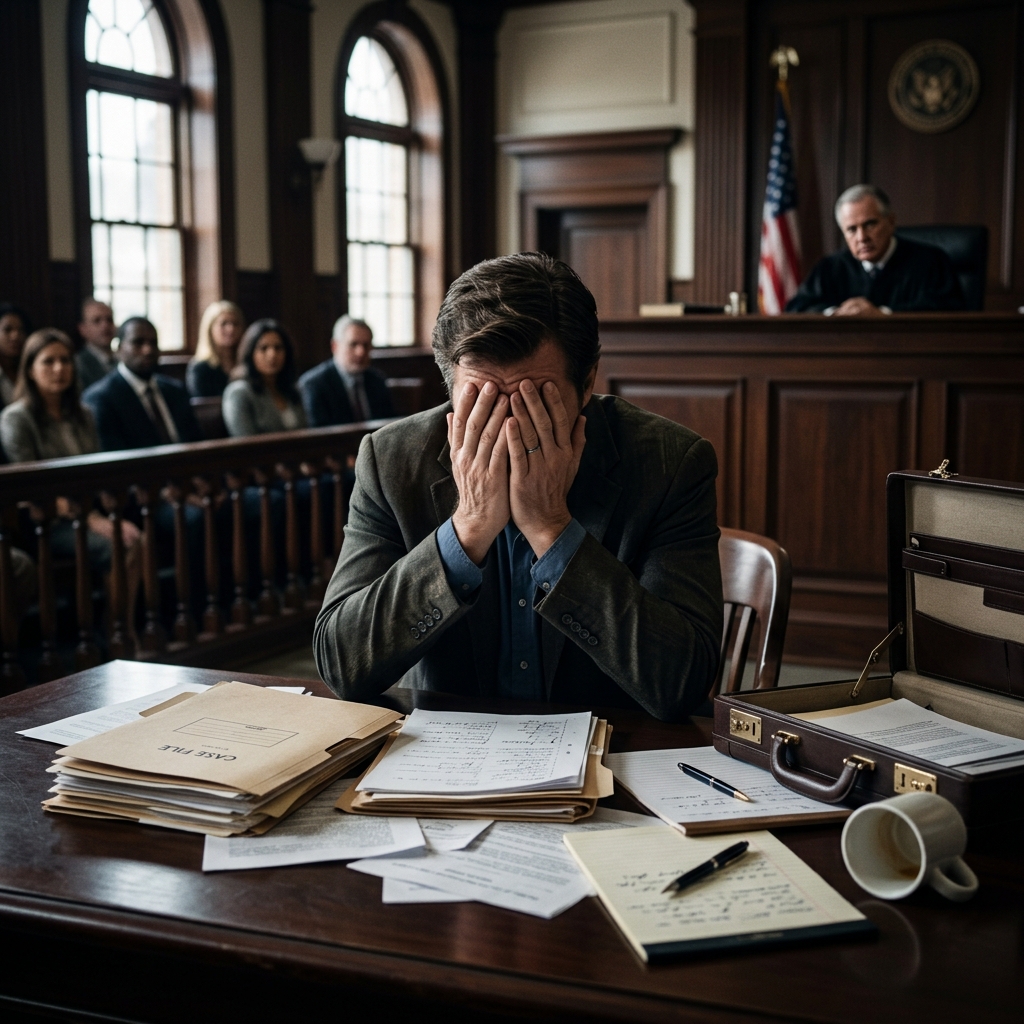
Facing criminal charges is one of the most stressful experiences a person can go through. Emotions run high, decisions are made quickly, and small missteps can have lifelong consequences. Many defendants unintentionally sabotage their own cases by making avoidable mistakes that weaken their defense, damage their credibility, or limit their legal options.
This article explains the most common and serious mistakes people make in criminal cases, why they are so damaging, and practical steps you can take to avoid them. It is not legal advice, but a general guide to help you understand how your choices can affect the outcome of your case and your future.
Understanding What Is at Stake in a Criminal Case
Criminal convictions can lead to penalties such as fines, probation, incarceration, and long-term collateral consequences, including loss of employment opportunities, housing difficulties, immigration effects, and limitations on voting or gun rights in some jurisdictions. Because of these stakes, criminal procedure includes constitutional protections like the right to remain silent and the right to counsel, but those protections only help you if you use them correctly.
- Short-term risks: arrest, detention, bail revocation, additional charges, and immediate loss of liberty.
- Long-term risks: permanent criminal record, enhanced penalties for future offenses, loss of professional licenses, and immigration consequences for non-citizens.
- Process risks: missed deadlines, failure to appear, and uninformed plea decisions that cannot easily be undone.
Knowing the seriousness of these risks is the first step toward avoiding mistakes that can make a difficult situation much worse.
Major Categories of Defendant Mistakes
Most harmful errors in criminal defense can be grouped into a few broad categories. Understanding these categories helps you anticipate problems before they arise.
| Category of Mistake | Typical Behavior | Potential Impact |
|---|---|---|
| Self-incrimination | Talking to police, posting online, discussing case widely | Creates evidence for prosecution, undermines defense strategy |
| Ignoring legal obligations | Missing court dates, violating bail conditions | Additional charges, arrest warrants, bail revocation |
| Poor use of legal counsel | Delaying hiring a lawyer, hiding information, ignoring advice | Weak defense, missed opportunities, unfavorable outcomes |
| Uninformed decision-making | Accepting plea deals without full understanding | Unexpected consequences, harsher penalties than necessary |
| Emotional or impulsive conduct | Outbursts, contacting witnesses, ignoring boundaries | Damaged credibility, allegations of witness tampering |
Talking Too Much: How Self-Incrimination Happens
One of the most dangerous mistakes defendants make is providing unnecessary information that can be used against them. Statements to law enforcement, social media posts, and casual conversations can all become evidence in court.
Talking to Police Without Counsel
In many legal systems, people have a constitutional right to remain silent and a right to an attorney during questioning. In the United States, this protection is reflected in the requirement that police inform suspects of their rights before custodial interrogation (often called “Miranda warnings”), though the exact rules vary by jurisdiction.
- Anything you say during questioning can be introduced as evidence at trial.
- Police may lawfully use interrogation tactics designed to elicit statements that harm your case.
- Once you begin answering questions, it may be harder to stop without appearing evasive.
The safest approach, according to many criminal defense practitioners, is to clearly state that you wish to remain silent and want to speak with an attorney before answering questions.
Public Discussions and Social Media
Discussing your case with friends, family, cellmates, or the public can be just as harmful as talking to police. With modern technology, prosecutors can search social media and digital communications for incriminating statements or contradictions in your story.
- Posts, messages, videos, and comments can be preserved and authenticated as evidence.
- Even deleted content may be recoverable through subpoenas and forensic tools.
- Informal statements to others may be reported to law enforcement or used in court.
During an active criminal case, the safest policy is usually to avoid posting about legal matters entirely and to limit personal discussions about the case to your attorney.
Misusing or Underusing Your Attorney
Hiring a lawyer is only the first step. Many defendants harm their defense by failing to communicate openly or by ignoring professional legal advice.
Delaying or Choosing Inexperienced Counsel
Some people wait to contact a lawyer, hoping the situation will resolve itself. Others hire counsel without considering whether the attorney has relevant experience in criminal defense or in the specific court handling the case.
- Early legal advice can shape decisions about statements, evidence, and bail.
- Lawyers familiar with local courts and prosecutors may better anticipate procedural issues.
- Delay in obtaining counsel can result in missed opportunities to challenge evidence or negotiate favorable conditions.
Not Communicating Honestly
Attorneys depend on accurate information to build a strategy. Withholding facts out of shame or fear can prevent your lawyer from preparing for damaging evidence or exploring defenses.
- Lawyers typically have confidentiality obligations that protect client communications.
- Surprises at trial often benefit the prosecution, not the defense.
- Minor details can become crucial when challenging evidence or negotiating pleas.
Being honest with your attorney, even about uncomfortable topics, is essential if you want a realistic assessment of your case and a coherent strategy.
Ignoring Legal Advice
Defendants sometimes reject their lawyer’s guidance because they disagree with the strategy or feel they know the case best. While clients ultimately make key decisions (like whether to plead guilty or testify), disregarding professional advice can be costly.
Common examples include:
- Contacting alleged victims or witnesses against counsel’s instructions.
- Attending court late or improperly dressed despite warnings about impression.
- Refusing recommended plea offers without understanding trial risks.
Working collaboratively with your attorney, asking questions when you do not understand, and following reasonable advice usually lead to better outcomes than acting independently.
Violating Bail Conditions and Missing Court
If you are released pending trial, you will typically have conditions such as appearing in court as scheduled, avoiding certain people or places, or complying with monitoring requirements. Violating these obligations can drastically worsen your situation.
Consequences of Bail Violations
- Bail revocation: the court may detain you until the case is resolved.
- Additional charges: in some jurisdictions, failure to comply is itself a criminal offense.
- Negative impression: judges may be less inclined to grant favorable sentencing or future release conditions.
Courts often view compliance with bail conditions as an indicator of reliability and respect for legal processes. Repeated violations send the opposite message and can influence decisions throughout the case.
Failure to Appear in Court
Missing a scheduled court date can lead to arrest warrants, forfeiture of bail, and permanent notations on your record indicating that you failed to appear.
- Always track court dates carefully and maintain contact information updates with your lawyer.
- If you cannot attend for a serious reason, notify your attorney immediately so they can seek appropriate relief from the court.
- Do not assume a missed hearing will be overlooked; act quickly to address it.
Accepting Plea Deals Without Full Understanding
Plea agreements resolve most criminal cases. However, accepting a plea without thorough legal advice or understanding the consequences is a frequent and serious mistake.
Hidden or Long-Term Consequences
Beyond immediate penalties, pleas can carry long-term effects, such as:
- Permanent criminal record, which may affect employment and housing.
- Immigration consequences for non-citizens, including possible removal.
- Loss of certain civil rights, depending on the jurisdiction and offense type.
Defendants should discuss not only the sentence but also collateral consequences with their lawyer before agreeing to any deal.
Negotiating Without Counsel
Attempting to negotiate directly with prosecutors or law enforcement, particularly early in a case, may lead to unfavorable agreements. Lawyers can often identify weaknesses in evidence and use those weaknesses to seek better terms.
It is generally safer to allow your attorney to handle all communications and negotiations related to plea offers.
Emotional Reactions and Inappropriate Conduct
Criminal proceedings are emotionally intense. Defendants who respond impulsively may harm their credibility with judges, juries, and probation officers.
Behavior in Court
Courtroom conduct can subtly influence outcomes. Judges and juries notice how defendants present themselves, respond to testimony, and react to rulings.
- Angry outbursts or disrespect toward court staff can result in sanctions or negative impressions.
- Visible frustration at witness testimony may make you appear unreliable or volatile.
- Calm, respectful demeanor can support your lawyer’s arguments about your character.
Contacting Witnesses or Alleged Victims
Defendants sometimes try to “explain” themselves to complainants or witnesses or to persuade them not to testify. Such contact can be interpreted as intimidation or witness tampering, potentially leading to new charges and harming the defense.
Your attorney is usually the appropriate person to manage any necessary communications related to witnesses. Independently contacting them is risky and often prohibited.
Misunderstanding Legal Concepts and Defenses
Some defendants rely on misunderstandings about the law, such as believing that ignorance of a statute is a complete defense. In most systems, not knowing the law does not excuse criminal conduct, though limited “mistake of law” defenses may exist.
Mistake of Fact Versus Mistake of Law
In criminal law theory, a mistake of fact involves misunderstanding the facts of a situation, while a mistake of law involves misunderstanding the legal rules that apply.
- Mistake of fact may sometimes prevent the formation of the required mental state (such as intent), making it a potential defense.
- Mistake of law is rarely a full defense, with limited exceptions, such as reliance on an official statement of the law that is later found to be incorrect.
Overconfidence in unsupported legal theories can lead defendants to reject reasonable plea offers or misjudge trial risks. Discuss potential defenses with a qualified attorney rather than relying on informal advice or internet sources.
Practical Steps to Avoid Common Criminal Defense Mistakes
While no guide can prevent all problems, a few core practices can significantly reduce the risk of self-inflicted damage to your case.
- Exercise your right to silence: decline to answer questions until you have consulted a lawyer.
- Hire experienced counsel promptly: look for attorneys familiar with local courts and your type of charges.
- Communicate openly and honestly: provide your lawyer with full information and respond quickly to requests.
- Follow all bail and court instructions: treat conditions of release and hearing dates as strict obligations.
- Avoid public discussions: do not post or talk widely about your case while it is pending.
- Ask questions before deciding on a plea: ensure you understand both immediate and long-term consequences.
- Maintain composure: manage emotional reactions in court and during interactions with legal professionals.
Following these principles cannot guarantee a particular outcome, but they can help preserve your options and allow your defense attorney to work effectively on your behalf.
Frequently Asked Questions (FAQs)
1. Do I have to talk to the police if I am innocent?
In many systems, you are not legally required to answer police questions, and remaining silent cannot be used as direct proof of guilt. Innocent people can unintentionally say things that are misunderstood or later used against them, so speaking with a lawyer first is often advisable.
2. What happens if I miss a court date?
Missing a court appearance can result in a warrant for your arrest, possible bail forfeiture, and, in some jurisdictions, additional charges. Courts may also view you as less trustworthy, which can affect future bail decisions and sentencing.
3. Why shouldn’t I discuss my case on social media?
Social media posts can be discovered, preserved, and introduced as evidence. Casual statements, jokes, or emotional comments about your case may be misinterpreted and used to challenge your credibility or suggest intent.
4. Is it ever safe to accept a plea deal without a lawyer?
Because plea agreements can carry complex and long-lasting consequences, accepting one without legal advice is risky. A lawyer can explain the terms, evaluate the strength of the evidence, and help you understand alternatives before you decide.
5. Can I contact the alleged victim to try to resolve the situation?
Contacting alleged victims or key witnesses during an ongoing case can be interpreted as improper influence or witness tampering and may violate court orders or bail conditions. Any communication related to the case should be managed by your attorney.
References
- Most Common Legal Mistakes to Avoid in Criminal Defense Cases — Patrick Griffin Law. 2023-06-01. https://patrickgriffinlaw.com/common-legal-mistakes-to-avoid-in-criminal-defense-cases/
- 10 Biggest Mistakes to Avoid in Your Texas Criminal Case — Neal Davis Law Firm. 2022-09-15. https://www.nealdavislaw.com/criminal-defense-guides/criminal-case-mistakes/
- 5 Common Mistakes Clients Make During Legal Cases — National Black Lawyers Top 100. 2023-03-10. https://nbltop100.org/common-mistakes-clients-make-during-legal-cases/
- Biggest Mistakes to Avoid in DC Criminal Cases — Scrofano Law PC. 2021-11-08. https://washingtondccriminallawyer.net/mistakes-to-avoid-in-dc-criminal-case/
- The Mistake of Fact or Law Defense in Criminal Law Cases — Justia. 2020-05-12. https://www.justia.com/criminal/defenses/mistake/
Similar Articles








Read full bio of Sneha Tete




