
Criminal Liability in Shaken Baby Syndrome Cases
A practical legal guide to how shaken baby syndrome allegations are charged, proven, and defended in criminal court.
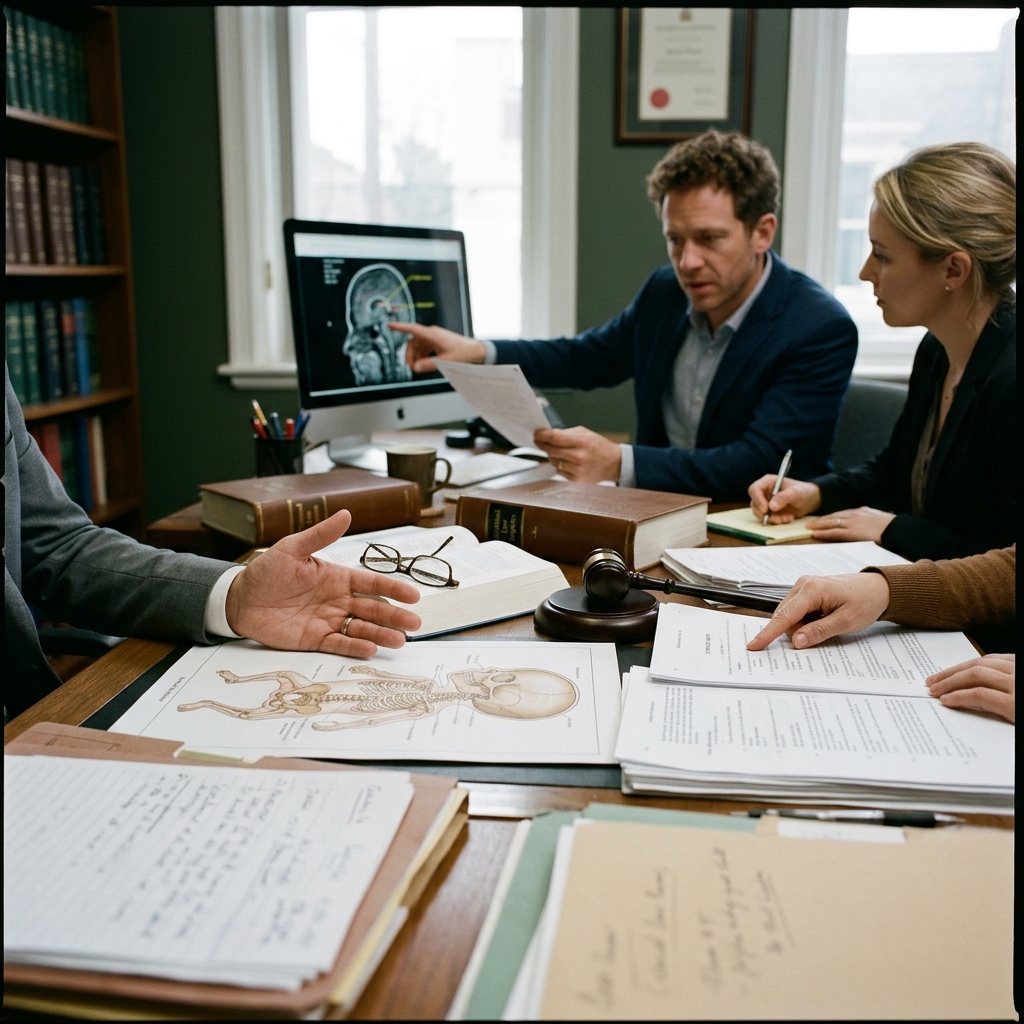
Allegations of shaken baby syndrome (SBS), now more often described as abusive head trauma (AHT), are among the most serious child abuse claims that can arise in criminal court. These cases sit at the intersection of medicine and law, and they frequently involve complex expert testimony, high emotional stakes, and severe potential penalties for accused caregivers.
This article explains how SBS and AHT allegations are treated in the criminal justice system, the types of charges that may be filed, the role of medical evidence, and the defense strategies that can arise when the science itself is debated. While each jurisdiction applies its own statutes, the underlying dynamics are similar across the United States.
Understanding Shaken Baby Syndrome and Abusive Head Trauma
Before looking at criminal liability, it is important to understand what doctors and prosecutors mean when they talk about shaken baby syndrome or abusive head trauma.
Medical organizations often use the term abusive head trauma as a broad label for serious brain injuries believed to be caused by violent shaking, impact, or a combination of both. In many older criminal cases, the term “shaken baby syndrome” was applied more narrowly to injuries thought to result from vigorous shaking without direct impact.
Typical Medical Findings
Historically, SBS and AHT diagnoses have been associated with a cluster of findings in infants:
- Subdural hematoma (bleeding between the brain and its outer covering).
- Retinal hemorrhages (bleeding in the layers of the eye).
- Cerebral edema (swelling of the brain).
- Absent or inconsistent history of trauma reported by caregivers.
For many years, the presence of these findings in a young child was widely considered strong evidence of violent shaking or abusive head trauma. More recently, however, courts and medical experts have raised questions about whether these findings are always caused by abuse. Alternative explanations can include accidental falls, birth-related conditions, bleeding disorders, infections, or other medical problems.
Why Terminology Matters in Criminal Cases
The shift from “shaken baby syndrome” to “abusive head trauma” is not just about language. It reflects an effort in the medical community to describe mechanisms of injury more broadly, rather than assuming that shaking alone is the cause. In criminal cases, this distinction can affect:
- Whether prosecutors allege shaking only or a combination of shaking and impact.
- How defense attorneys challenge the underlying medical assumptions.
- What kinds of expert witnesses are needed (e.g., pediatric neurologists, ophthalmologists, biomechanical experts).
From Medical Diagnosis to Criminal Investigation
An SBS or AHT allegation typically begins in a hospital or clinic. Once clinicians suspect abusive head trauma, a chain of reporting and investigation is set in motion that can culminate in criminal charges.
Mandatory Reporting and Child Protection
In the United States, health care professionals are generally mandated reporters of suspected child abuse under state law. When they suspect abusive head trauma, they must report their concerns to child protective services or another designated agency. That report often triggers:
- A child welfare investigation into the child’s safety and living conditions.
- Interviews with parents, caregivers, and other household members.
- Requests for additional medical testing or specialist consultations.
If investigators believe a crime may have occurred, they typically refer the case to law enforcement. Police and prosecutors then decide whether to pursue criminal charges, often relying heavily on medical opinions.
Law Enforcement’s Role
Police investigators in SBS and AHT cases commonly:
- Collect medical records, imaging reports, and photographs.
- Interview caregivers about the timeline of the child’s symptoms and any reported accidents.
- Seek statements from treating physicians regarding likely causes of the injuries.
- Examine the home environment for evidence of impact or other hazards.
When a child survives but has serious injuries, the focus may be on alleged ongoing abuse or a single traumatic event. When a child dies, law enforcement may treat the case as a potential homicide and work closely with medical examiners or coroners.
Common Criminal Charges in Shaken Baby Cases
The exact charges in a shaken baby or abusive head trauma case depend on state law, the severity of the child’s injuries, and whether the child survives. However, several categories of offenses frequently appear.
Child Abuse and Child Endangerment
Many states have statutes specifically addressing child abuse, child neglect, or child endangerment. These laws can be used even if the child survives with mild or moderate injuries.
- Child abuse laws may criminalize intentionally or knowingly causing physical injury to a minor.
- Child endangerment laws often target reckless behavior that places a child at substantial risk of harm.
- Depending on injury severity, these offenses can be misdemeanors or felonies, with penalties ranging from fines and probation to multi-year prison sentences.
Assault and Aggravated Assault
When an infant sustains serious bodily injury, prosecutors often charge some form of assault:
- Simple assault for less severe or non-permanent injuries.
- Aggravated assault when there is serious bodily injury, use of a weapon, or particularly dangerous conduct.
In several jurisdictions, aggravated assault involving serious injury to a child is a felony that can carry multi-year minimum sentences and, in extreme cases, decades in prison.
Homicide Charges: Murder and Manslaughter
When a child dies, shaken baby or abusive head trauma allegations may lead to homicide charges. The specific charge depends on the accused’s mental state and the circumstances.
| Type of Homicide Charge | Typical Mental State Alleged | General Penalty Range (example description) |
|---|---|---|
| First-degree murder | Intentional killing or extreme indifference to human life. | Long-term imprisonment; in some states, life or capital punishment. |
| Second-degree murder | Unintentional killing with malice or serious recklessness. | Substantial prison terms, often measured in decades. |
| Manslaughter | Reckless or negligent killing without malice. | Lower but still significant prison ranges, sometimes 5–20 years. |
| Involuntary manslaughter | Unintentional death resulting from reckless conduct. | Felony penalties, often several years in prison. |
Prosecutors may charge both homicide and child abuse counts arising from the same incident, leaving it to the jury to determine which, if any, are proven.
Multiple and Overlapping Charges
It is common in SBS and AHT cases for prosecutors to file multiple overlapping charges based on a single pattern of alleged conduct. For example, a caregiver might face:
- Child abuse.
- Aggravated assault.
- Endangering the welfare of a child.
- Manslaughter or murder if the child dies.
This strategy allows the prosecution to present alternative legal theories to the jury, such as intentional abuse versus reckless endangerment, even if the underlying factual narrative is the same.
Sentencing Considerations in Shaken Baby Cases
Upon conviction, sentencing in SBS and AHT cases is influenced by several factors:
- Severity of injury (temporary vs. permanent vs. fatal).
- Age and vulnerability of the child.
- Presence of prior abuse or previous child protective interventions.
- Whether the conduct is viewed as a one-time incident or part of a pattern.
Because infants are considered especially vulnerable, many jurisdictions impose harsher penalties for crimes involving very young victims.
Mandatory Minimums and Enhanced Penalties
Some states impose mandatory minimum sentences for certain child abuse or homicide offenses involving children. In practice, this means judges have limited discretion to impose shorter sentences, even when mitigating circumstances are present.
Enhanced penalties may apply if:
- A weapon was used.
- The defendant was in a position of trust (parent, guardian, or caregiver).
- There is evidence of prior abuse or neglect.
Controversies Over Shaken Baby Science
While the medical community generally agrees that violent shaking or abusive head trauma can seriously injure or kill infants, there is growing debate over when and how this diagnosis should be made.
Challenges to Traditional SBS Diagnostic Criteria
Historically, the combination of subdural hematoma, retinal hemorrhage, and brain swelling was often treated as near-conclusive evidence of abuse. However, a number of medical and legal experts have argued that these findings can result from other causes, including:
- Accidental short falls.
- Birth trauma.
- Bleeding or clotting disorders.
- Infections or metabolic conditions.
One state supreme court decision, for example, has described certain aspects of SBS testimony as unreliable and questioned whether juries should hear expert opinions that assume abuse simply from the triad of findings.
Implications for Criminal Trials
This scientific controversy affects criminal proceedings in several ways:
- Defense teams may argue that the prosecution’s medical theory is based on outdated or incomplete science.
- Courts may hold pretrial hearings to decide whether particular expert opinions meet evidentiary standards.
- Jurors may hear competing expert testimony about whether the injuries necessarily indicate abuse.
Cases in which convictions have later been vacated or reversed highlight the risks of relying on a single, sometimes disputed, medical narrative to prove guilt beyond a reasonable doubt.
Building the Prosecution’s Case
In SBS and AHT prosecutions, the state generally must prove both act and intent (or recklessness). Medical evidence is central, but it is rarely the only component.
Medical Expert Testimony
Prosecutors often call pediatric specialists to explain:
- The nature and extent of the child’s injuries.
- Why they believe the injuries are more consistent with abuse than with accidental or medical causes.
- The expected symptoms and timelines associated with abusive head trauma.
These experts may testify that the injuries are consistent with violent shaking, impact, or both, and that the child would have deteriorated rapidly after the event, which may support arguments about who was with the child at the relevant time.
Non-Medical Evidence
Beyond medical testimony, prosecutors may rely on:
- Statements by caregivers that are viewed as inconsistent or changing over time.
- Evidence of stress, domestic violence, or prior incidents involving the child.
- Physical evidence at the scene, such as damaged furniture or hazards.
- Witness testimony about the caregiver’s behavior before or after the child’s collapse.
Defense Strategies in Shaken Baby Cases
Defending a shaken baby or abusive head trauma case requires a careful blend of legal argument and scientific challenge. Defense attorneys often focus on undermining the prosecution’s medical narrative while presenting plausible alternative explanations.
Challenging the Medical Basis
Common defense approaches include:
- Arguing that the medical findings are non-specific and can result from non-abusive causes.
- Highlighting gaps or inconsistencies in the medical records and imaging.
- Presenting expert witnesses who dispute the inevitability of abuse based on the triad of findings.
- Questioning whether the timing of symptoms aligns with the prosecution’s theory of events.
Alternative Causation and Reasonable Doubt
Defense teams may also present evidence that:
- The child had preexisting medical conditions that increased the risk of bleeding or swelling.
- An accidental fall or other event, sometimes reported earlier but initially discounted, could explain the injuries.
- Another caregiver or household member had opportunity or motive, raising doubt about the defendant’s responsibility.
The goal is not necessarily to prove an alternative cause conclusively but to show that the prosecution’s theory is less than certain, thereby undermining proof beyond a reasonable doubt.
Plea Negotiations
Because of the high stakes and scientific uncertainty, many SBS and AHT cases end in plea agreements rather than jury trials. Defendants may plead to lesser charges to avoid the risk of extremely long sentences on homicide or aggravated child abuse counts, while still maintaining that the evidence is contested.
Collateral Consequences for Accused Caregivers
Criminal prosecution is only one dimension of the impact that SBS and AHT allegations can have on families.
- Child welfare proceedings: Allegations often lead to removal of children from the home, sometimes before criminal charges are even filed.
- Long-term family disruption: Even if charges are dismissed or reduced, child protection cases can continue for months or years.
- Employment and licensing issues: Caregivers who work in health care, education, or childcare may lose licenses or jobs based on allegations alone.
- Social stigma: Accusations of harming an infant carry enduring reputational consequences, even in the absence of conviction.
Preventive Lessons and Practical Takeaways
While abusive head trauma is a real and serious problem, cases based on disputed diagnoses illustrate how complex these allegations can be. For caregivers, medical professionals, and attorneys, several practical lessons emerge:
- Caregivers must understand that violent shaking is dangerous and can cause fatal injuries to infants.
- Medical teams should carefully document symptoms, timing, and alternative explanations when evaluating possible abuse.
- Attorneys handling these cases should be familiar with the evolving medical literature and controversies surrounding SBS and AHT.
- Courts and juries benefit from balanced expert testimony that acknowledges both the seriousness of abuse and the limits of current knowledge.
Frequently Asked Questions (FAQ)
Is shaken baby syndrome still recognized in criminal law?
Many jurisdictions now use the broader term abusive head trauma, but courts continue to hear cases based on allegations that an infant was violently shaken or subjected to similar force. The terminology may evolve, yet the underlying concept of abusive injury to the child remains central.
Can someone be convicted based only on medical findings?
In some past cases, juries have convicted based largely on medical testimony, especially when experts stated that certain findings could only result from abuse. However, growing scientific debate means modern courts are more likely to scrutinize such testimony closely and consider alternative explanations.
What should a caregiver do if they are investigated for SBS or AHT?
A caregiver under investigation should seek legal representation as early as possible and avoid making detailed statements without counsel. Because these cases heavily rely on medical interpretation, defense attorneys may also seek independent medical reviews of the child’s records.
Are all serious infant head injuries considered abuse?
No. While abusive head trauma is a major cause of serious infant injury, not all brain bleeding or swelling is caused by abuse. Courts increasingly require careful evaluation of potential medical and accidental causes before reaching legal conclusions.
Can shaken baby convictions be overturned?
In some instances, courts have revisited older convictions after new evidence or expert opinions questioned the reliability of the original medical theory. Appellate litigation and post-conviction relief proceedings provide mechanisms to re-examine cases when scientific understanding changes.
References
- Understanding Child Abuse Charges Based on the Shaken Baby — H. Michael Steinberg, Attorney at Law. 2020-05-01. https://www.hmichaelsteinberg.com/practice-areas/criminal-law/child-abuse/understanding-child-abuse-charges-based-on-the-shaken-baby/
- Shaken Baby Syndrome Criminal Charges — Mark D. Freeman, Esq. 2016-08-10. https://www.shakenbabydefense.com/what-to-expect/criminal-charges
- Charges for Shaking a Baby in Illinois — DiQuattro Law Offices. 2019-04-15. https://www.diquattrolawoffices.com/blog/charges-for-shaking-a-baby-in-illinois
- Corsicana Shaken Baby Syndrome Lawyer — Keathley & Keathley. 2021-07-01. https://www.keathleykeathley.com/criminal-defense/shaken-baby-syndrome-sbs-/
- What Child Welfare Attorneys Need to Know about Shaken Baby Syndrome and Abusive Head Trauma — American Bar Association. 2020-11-19. https://www.americanbar.org/groups/litigation/resources/newsletters/childrens-rights/what-child-welfare-attys-need-to-know-shaken-baby-syndrome/
- Experts Who Once Backed ‘Shaken Baby’ Science Now Fight to Free Caregivers — NBC News. 2024-02-22. https://www.nbcnews.com/news/us-news/shaken-baby-syndrome-experts-fight-prison-free-parents-caregivers-rcna248310
Similar Articles








Read full bio of medha deb




