
Inside the Courtroom: A Complete Guide to Trial Procedures
Master the essentials of courtroom proceedings and understand how trials unfold from start to finish.
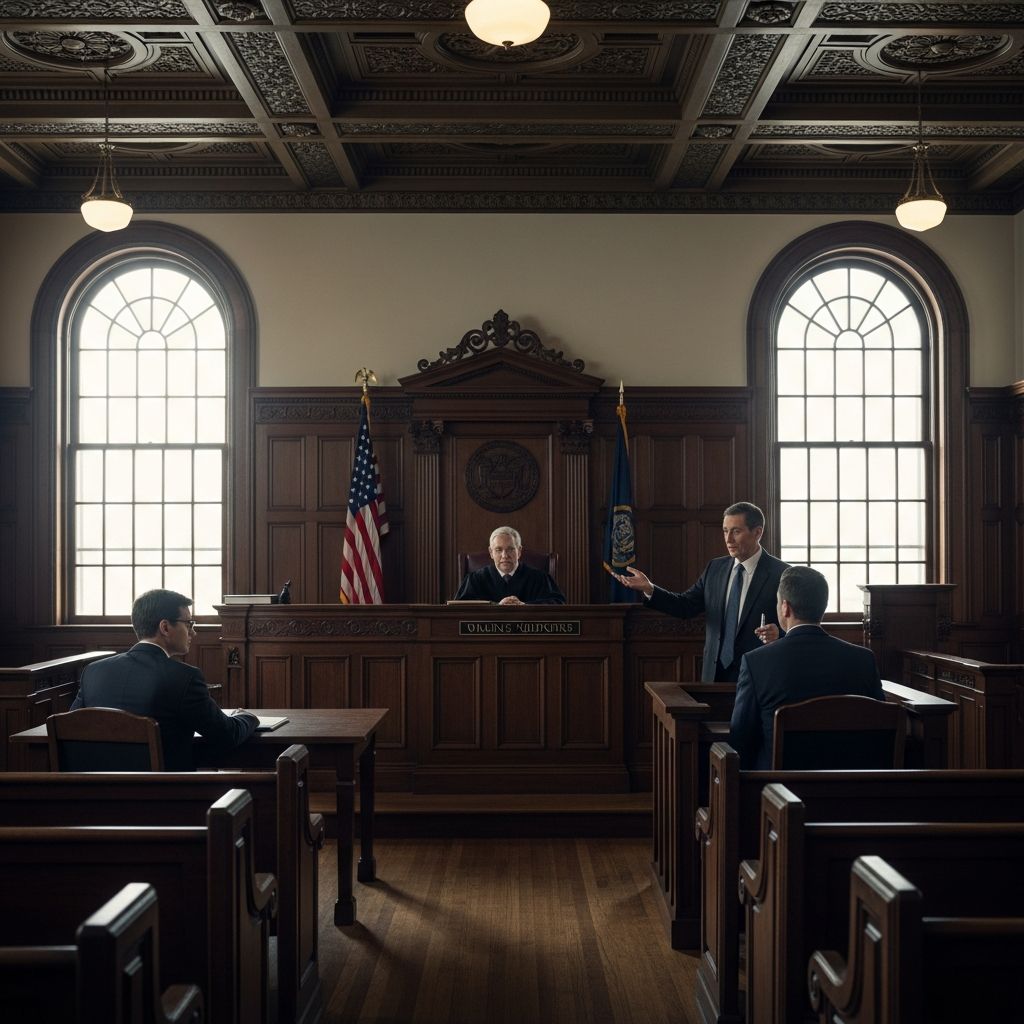
Understanding Courtroom Proceedings: From Filing to Final Verdict
When individuals find themselves navigating the judicial system, understanding what occurs inside the courtroom becomes essential to managing expectations and preparing adequately. Courtroom proceedings follow a structured sequence designed to ensure fairness, protect the rights of all parties involved, and allow evidence to be presented systematically. Whether you are a plaintiff seeking compensation, a defendant protecting your interests, or simply observing the judicial process, comprehending the flow of trial proceedings helps demystify the legal system and empowers you to participate more effectively in your case.
The courtroom environment itself represents a formal setting where rules of conduct, evidence, and procedure govern every interaction. Understanding these procedures means recognizing that judges serve as neutral arbiters, attorneys act as advocates for their clients, and various other court officers maintain order and document proceedings. This structured approach exists to balance the interests of both parties and ensure that justice is pursued through an orderly, transparent process.
The Initial Call and Case Commencement
Every courtroom proceeding begins with the formal initiation of your case. Court personnel, which may include the judge, clerk, or bailiff, will call your case by name and case number when it is your turn to proceed. This announcement signals that your matter is ready for hearing and that all necessary parties should be present and ready to proceed.
In many jurisdictions, before a formal trial begins, the court may encourage alternative dispute resolution methods. A mediator might meet separately with each party to explore whether a settlement or agreed resolution can be reached without proceeding to a full trial. This approach can save time, reduce costs, and allow both parties to have greater control over the outcome. However, if mediation does not result in an agreement, the case will proceed through the formal courtroom process.
In more formal or complex cases, the judge may request that both parties provide opening statements. These statements allow each side to outline the evidence they expect to present and explain their legal theory of the case. Opening statements are not evidence themselves but serve as a roadmap for what the jury or judge will hear during the trial.
Administering Oaths and Establishing Credibility
Before testimony begins, court officials will administer an oath or affirmation to all witnesses and parties who will testify. This formal declaration requires individuals to swear or affirm that they will tell the truth during their testimony. The significance of this oath extends beyond mere formality—it carries legal weight and emphasizes the gravity of providing truthful testimony under the supervision of the court.
This swearing-in process applies to everyone who will provide testimony, including the parties to the lawsuit themselves. By taking an oath, witnesses acknowledge their understanding that providing false testimony constitutes perjury, a serious offense that can result in criminal charges. This legal framework reinforces the importance of truthfulness and helps maintain the integrity of judicial proceedings.
The Plaintiff’s or Prosecutor’s Presentation of Case
The party who initiated the lawsuit, known as the plaintiff in civil cases or the prosecution in criminal cases, presents their evidence first. This procedural advantage reflects the principle that the party bringing the claim bears the burden of proving their case. The plaintiff or prosecutor will present their version of events through a combination of testimony, witness statements, and physical or documentary evidence.
During this phase, the plaintiff’s attorney examines witnesses in what is called direct examination. The attorney asks questions designed to elicit testimony that supports the plaintiff’s position and theory of the case. Witnesses may include the plaintiff themselves, individuals with personal knowledge of the events in question, expert witnesses who provide specialized opinions, and others whose testimony is relevant to resolving the disputed facts.
The judge may also ask questions during this presentation to clarify testimony or explore aspects of the evidence presented. This judicial inquiry helps ensure that the judge or jury has a complete understanding of the facts and legal issues at stake. Physical evidence, documents, photographs, and other tangible materials are also introduced during this phase to support the plaintiff’s claims.
Cross-Examination and Challenging Evidence
After the plaintiff completes their direct examination of a witness, the defendant’s attorney has the opportunity to conduct cross-examination. This process allows the opposing party to question the witness with the goal of testing the credibility, accuracy, and reliability of their testimony. Cross-examination represents a fundamental right of defendants and serves as a crucial mechanism for ensuring that testimony is thoroughly scrutinized.
During cross-examination, attorneys may ask leading questions designed to challenge the witness’s account, point out inconsistencies, explore bias or motivation to testify falsely, and present alternative explanations for the events described. This adversarial questioning process helps develop a fuller picture of disputed facts and allows the judge or jury to evaluate the weight and credibility of testimony.
When cross-examination concludes, the plaintiff’s attorney may conduct what is termed redirect examination. This allows the plaintiff to ask additional questions in response to issues raised during the opposing party’s cross-examination. Redirect examination typically focuses on rehabilitating the credibility of the witness or clarifying testimony that may have been misunderstood during cross-examination.
The Defendant’s Case and Defense Presentation
Once the plaintiff has presented all evidence and the defendant has had full opportunity to cross-examine each witness, the defendant then presents their case. The defendant’s attorney introduces evidence supporting the defendant’s version of events, calls witnesses who can testify on the defendant’s behalf, and presents documents or physical evidence that contradicts or challenges the plaintiff’s claims.
The defendant’s presentation follows the same procedural structure as the plaintiff’s case. The defendant’s attorney conducts direct examination of their witnesses, and the plaintiff’s attorney has the right to cross-examine each witness presented by the defense. The judge may also ask questions to clarify the defendant’s evidence or explore alternative theories presented by the defense.
It is important to note that in criminal cases, the defendant has the right not to testify. This constitutional protection means that a defendant’s choice not to take the stand cannot be used against them or suggest guilt. However, if a defendant chooses to testify, they become subject to cross-examination just like any other witness.
Resting the Case and Evidentiary Completeness
When a party has finished presenting all evidence and witness testimony, their attorney will formally “rest” their case. This declaration signals to the court that the party has completed their presentation of evidence and has no additional witnesses or exhibits to introduce. Resting the case represents a strategic decision point because once a party rests, they generally cannot introduce new evidence unless the court permits it under exceptional circumstances.
The order of resting cases follows the same sequence as their initial presentation: the plaintiff or prosecution rests first, followed by the defendant. This procedural framework ensures that both parties have had equal opportunity to present their complete version of events and supporting evidence before the case moves toward resolution.
Closing Arguments and Legal Summation
After both parties have presented their evidence and rested their cases, attorneys may present closing arguments. These statements provide the opportunity to summarize the evidence presented, interpret how that evidence supports their legal theories, and persuade the judge or jury to rule in their favor. Unlike opening statements, closing arguments constitute the attorneys’ professional opinions and arguments based on the evidence presented.
Closing arguments follow the same order as the initial presentation: the plaintiff or prosecution typically argues first, and the defendant argues second, often with the plaintiff given a final opportunity to respond to the defendant’s arguments. These statements help the judge or jury understand the significance of the evidence and connect factual findings to the legal standards that must be applied to reach a verdict.
In some proceedings, particularly informal cases or certain types of civil disputes, the judge may not permit closing arguments. The decision to allow or deny closing statements often depends on the complexity of the case, the type of proceeding, and local judicial rules and practices.
Jury Instructions and the Deliberation Process
In cases where a jury will decide the outcome, the judge provides detailed jury instructions before the jury retires to deliberate. These instructions explain the applicable law, define legal terms relevant to the case, specify the burden of proof that must be met, and guide jurors on how to apply the law to the facts presented. Jury instructions are crucial because they translate complex legal principles into language that non-lawyers can understand and apply.
The judge will instruct jurors to select a foreperson who will serve as the jury’s organizer and spokesperson during deliberations. The jury will receive a verdict form specifying the questions they must answer or the factual findings they must make. The jury then retires to a private deliberation room where all discussions remain confidential and are not part of the official court record.
During deliberations, jurors discuss the evidence, evaluate witness credibility, apply the judge’s instructions to the facts, and work toward reaching a verdict. The jury’s deliberations are entirely confidential, ensuring that jurors can discuss the case frankly without concern that their individual statements will become public. Jurors are not required to explain their reasoning or vote counts once a verdict is reached.
Judicial Decision-Making in Non-Jury Cases
In cases where the judge decides the outcome without a jury, the judge may announce their decision immediately after closing arguments. Some judges prefer to take a recess to review evidence and legal arguments more carefully before announcing their decision. The length of this recess varies depending on the complexity of the case and the judge’s deliberative process. Some decisions come after a brief recess of hours, while more complicated cases may require days or weeks for the judge to issue a written opinion explaining their findings and legal conclusions.
The judge’s decision, whether announced immediately or after deliberation, addresses the disputed facts, applies the relevant law, and resolves the parties’ claims. Judges must provide clear reasoning for their decisions, particularly in cases where complex legal questions are involved, to allow parties to understand the basis for the judgment and to facilitate any potential appeals.
Post-Verdict and Post-Trial Considerations
Once a verdict has been rendered or a judge has issued a decision, the case enters a new phase. The winning party may need to take steps to enforce or collect on the judgment. The losing party may consider whether to appeal the decision to a higher court. Appeals involve arguments about whether the trial judge applied the law correctly or whether errors occurred that affected the fairness of the proceeding.
Understanding that the verdict or decision does not necessarily conclude all proceedings helps parties prepare for what comes after the trial. Enforcement procedures, appeal processes, and post-trial motions represent important considerations that parties should discuss with their attorneys before trial concludes.
Variations Based on Case Type and Jurisdiction
It is important to recognize that specific procedures may vary significantly depending on the type of case and the jurisdiction in which it is heard. Criminal cases, civil cases, family law matters, and small claims disputes all follow procedural frameworks tailored to their unique characteristics and legal issues. Federal courts, state courts, and local courts may have different rules governing the sequence of proceedings, the admissibility of evidence, and the standards applied in decision-making.
Some jurisdictions permit different procedural shortcuts in less formal proceedings or allow modifications to standard trial procedures when all parties consent. Understanding these variations means recognizing that while the general principles described here apply broadly, specific procedures governing your case depend on where the case is heard and what type of dispute is involved.
Frequently Asked Questions About Courtroom Proceedings
Q: Can I bring documents or physical evidence to trial without prior notice to the other side?
A: Generally, no. Rules of procedure typically require parties to exchange evidence before trial so the opposing party has opportunity to review and challenge it. Introducing evidence without prior disclosure may result in the judge excluding it or granting the other side additional time to prepare a response. Always provide evidence to opposing counsel and the court according to established procedural timelines.
Q: What happens if a witness becomes unavailable before trial?
A: If a critical witness becomes unavailable, attorneys may request a continuance to postpone the trial, seek permission to use a deposition or recorded testimony, or present alternative evidence. Courts try to accommodate legitimate emergencies affecting witness availability, but delays must be justified and cannot indefinitely postpone a case.
Q: Can I object to questions asked by the other attorney during trial?
A: Yes. Attorneys regularly make objections based on rules of evidence, procedures, and propriety. Your attorney can object to questions that are irrelevant, assume facts not in evidence, are vague, seek hearsay, or violate other evidentiary rules. The judge will rule on objections and either sustain them or overrule them.
Q: How long does a typical trial last?
A: Trial length varies dramatically depending on complexity. Simple cases might conclude in a single day, while complicated civil lawsuits or criminal trials can last weeks or months. Your attorney can provide estimates based on the specific issues and evidence involved in your case.
Q: What should I wear to court and how should I behave during trial?
A: Wear professional, conservative clothing that shows respect for the court. Avoid distracting clothing, excessive jewelry, or casual attire. During trial, remain composed, listen attentively, take notes if permitted, and follow all courtroom rules established by the judge. Never interrupt, display anger, or communicate inappropriately with anyone in the courtroom.
Q: Can the public attend my trial?
A: Most trials are public proceedings that anyone can observe. However, judges may close certain proceedings involving sensitive matters like abuse cases, juvenile cases, or matters involving national security. You can expect your trial to be open to the public unless the judge orders otherwise.
References
- At the Hearing: What is the order of events in the courtroom? — Women’s Law. Accessed December 2025. https://www.womenslaw.org/preparing-for-court/hearing/basic-information/what-order-events-courtroom
- The Trial Process — Judicial Learning Center. Accessed December 2025. https://judiciallearningcenter.org/student-center/how-the-courts-work/your-day-in-court/
- The Court Process: What To Expect — Pine Tree Legal Assistance. Accessed December 2025. https://www.ptla.org/court-process-what-expect
- Basic Steps in a Court Case — NY CourtHelp. Accessed December 2025. https://www.nycourts.gov/courthelp/goingtocourt/caseBasics.shtml
- Courtroom Behavior and What to Expect in the Courtroom — Peoples Law. Accessed December 2025. https://www.peoples-law.org/what-expect-courtroom
- Supreme Court Procedures — United States Courts. Accessed December 2025. https://www.uscourts.gov/about-federal-courts/educational-resources/about-educational-outreach/activity-resources/supreme-court-procedures
Similar Articles








Read full bio of Sneha Tete




