
Professional Courtroom Attire Guidelines for Legal Practitioners
Master the essentials of professional courtroom fashion for attorneys and legal advocates.
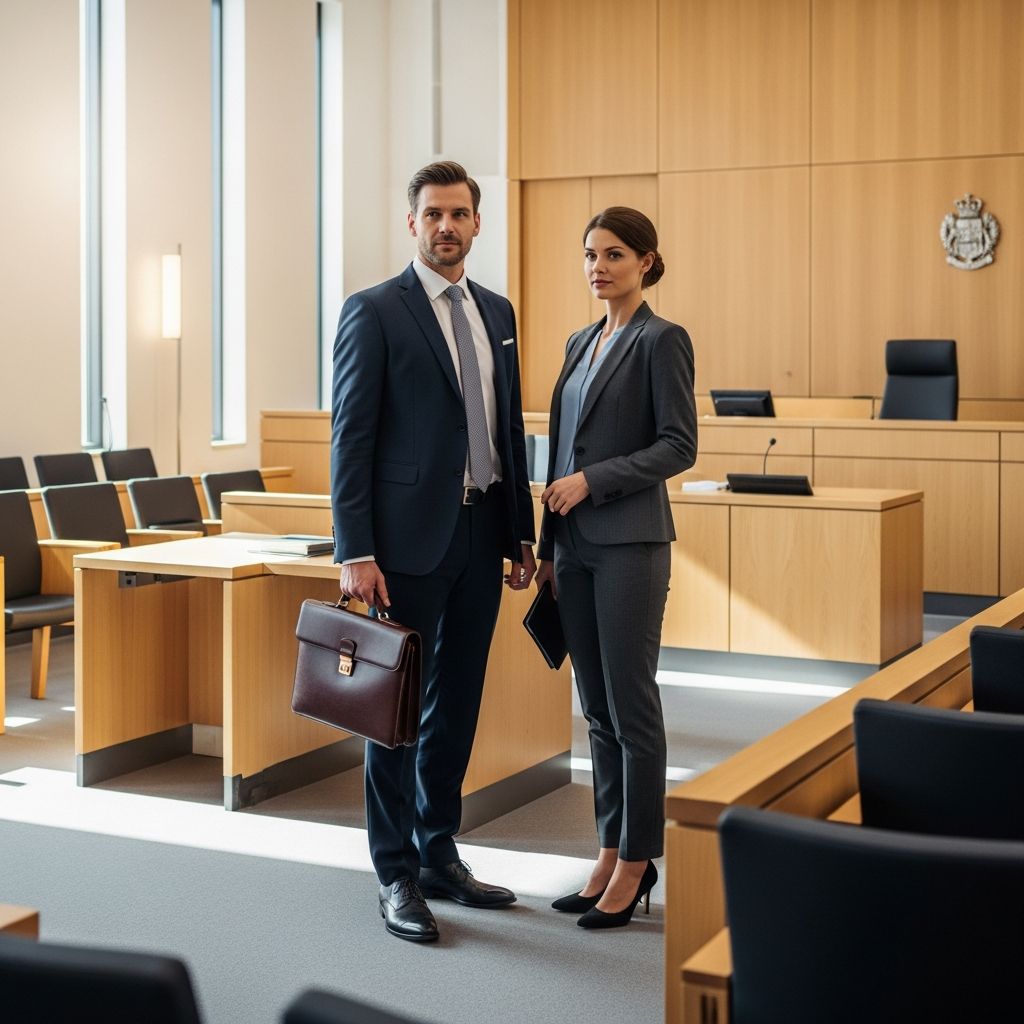
Establishing Professional Standards in the Courtroom
The courtroom represents one of the most formal environments in professional life, where appearance carries significant weight and meaning. For attorneys and legal professionals, the question of appropriate dress code transcends personal style preferences and enters the realm of professional obligation and ethical responsibility. The way legal practitioners present themselves visually communicates respect for the judicial system, consideration for clients, and adherence to the traditions and expectations of the legal profession. Understanding these unwritten yet deeply ingrained standards becomes essential for anyone seeking to advance their legal career and maintain credibility within the judicial system.
While federal law does not mandate specific courtroom attire requirements, the legal profession operates under a well-established understanding that appearance matters considerably in legal proceedings. Individual courts and judges establish their own standards, often conveyed through courthouse signage, local bar association guidelines, and institutional customs that have developed over decades. These standards exist not as arbitrary restrictions but as mechanisms to preserve courtroom decorum and ensure that the focus remains on the substantive legal arguments rather than on distracting personal presentation.
Understanding the Foundation of Professional Legal Dress
The concept of “formal church attire” or business professional clothing serves as a practical baseline for understanding appropriate courtroom dress. This framework, commonly referenced by experienced legal practitioners when advising clients and colleagues, provides a clear mental image of the expected standard. For attorneys, this typically translates to tailored suits, structured professional ensembles, and carefully coordinated accessories that project competence and seriousness.
The fundamental principle underlying all courtroom dress expectations centers on demonstrating respect for the judicial process and the individuals within the courtroom. This includes judges, juries, opposing counsel, court staff, and witnesses. When attorneys dress appropriately, they signal that they recognize the gravity of legal proceedings and understand their role as officers of the court responsible for upholding the dignity of the judicial system.
Bar association ethics rules and court decorum standards typically bind attorneys more strictly than laypersons, reflecting the profession’s heightened expectations for those trained in law. These standards represent an implicit contract between legal practitioners and the judiciary, wherein attorneys agree to maintain certain professional standards in exchange for the privilege of practicing before the courts.
The Core Elements of Male Attorney Courtroom Fashion
For male attorneys, the traditional foundation of appropriate courtroom dress remains the
dark wool suit
in colors such as black, navy blue, or slate gray. These neutral tones have become established as standard attorney colors and project authority without drawing excessive attention to the wearer. The suit should feature a well-fitted cut that allows for comfortable movement while maintaining a structured, polished appearance.The dress shirt underneath the suit jacket deserves careful consideration, as it frames the face and significantly impacts overall professional presentation. A
crisp white or light-colored button-down shirt
provides the optimal foundation for a courtroom ensemble. The shirt should be clean, pressed, and free from wrinkles or discoloration. Subtle patterns such as fine pinstripes may be acceptable in certain contexts, but solid colors generally remain the safer and more professional choice.Neckwear selection requires particular attention to subtlety and restraint. A
conservative tie in neutral or muted tones
completes the traditional male attorney look. The tie should coordinate with the suit and shirt without introducing jarring color combinations or patterns that might distract attention. Oversized knots, novelty ties, or ties with playful graphics have no place in the courtroom setting.Footwear and accessories round out the professional appearance with equal importance to the primary garments.
Polished leather shoes in black or dark brown
demonstrate attention to detail and commitment to professionalism. The shoes should be closed-toe, well-maintained, and paired with appropriate socks that coordinate with the suit rather than introducing contrasting or novelty patterns. Aclean, structured briefcase
completes the ensemble, serving both practical and symbolic functions in the legal setting.Essential Components of Female Attorney Courtroom Dress
Female attorneys have somewhat greater flexibility in courtroom dress options compared to their male counterparts, though the principles of professionalism and restraint remain equally important.
Structured suits and tailored dresses with blazers in black, navy, or gray
serve as the foundation for appropriate female attorney appearance. The fit of these garments should be conservative and tailored, accentuating professional presentation without introducing elements that might distract from the legal matters at hand.When selecting dress options, female attorneys should consider
knee-length or longer dresses
that maintain appropriate modesty standards. These dresses should not be excessively tight or revealing and should be paired with either a blazer or structured jacket to enhance the professional presentation. Alternatively,tailored dress pants or skirts paired with professional blouses
create appropriate courtroom ensembles that maintain the necessary degree of formality.The selection of appropriate tops requires particular attention to detail and awareness of courtroom expectations. Professional options include
button-down dress shirts, conservative blouses, and turtlenecks
, all of which should feature modest necklines free from plunging cuts or sheer fabrics. Avoiding sleeveless tops worn without a jacket helps maintain the appropriate level of formality and demonstrates awareness of courtroom conventions.Footwear for female attorneys should prioritize
closed-toe shoes in conservative styles
, such as professional flats or modest heels. Sandals, flip-flops, or athletic footwear are completely inappropriate for courtroom settings. The shoes should be comfortable enough to allow confident movement and presentation, as discomfort often translates visibly to observers.Accessory selection provides an opportunity for subtle personal expression while maintaining professional standards. A
structured, zippered handbag or professional tote
serves practical purposes while contributing to the overall polished appearance. Jewelry should remainminimal and professional
, avoiding flashy pieces, noisy bracelets, or distracting accessories that might draw attention during testimony or oral arguments.Colors and Visual Communication in Professional Legal Dress
Color selection in courtroom attire carries psychological and professional significance that extends beyond mere aesthetic preference. The traditional attorney colors of
black, slate gray, and navy blue
have become established conventions because these neutral tones convey professionalism, authority, and restraint. These colors do not distract from facial expressions or verbal communication and project stability and credibility to judges and juries.While neutral tones serve as the safest choice for attorneys, other conservative colors such as brown, dark green, or burgundy may be acceptable depending on the specific courtroom and regional conventions. However, attorneys should exercise caution with color selection, recognizing that bright, vivid, or trendy colors risk undermining professional credibility and may inadvertently communicate insufficient seriousness about the proceedings.
The principle underlying color selection emphasizes that personal appearance should never distract from the substance of legal arguments or proceedings. When observers notice an attorney’s outfit more than their legal reasoning, something has gone wrong with the choice of attire. This principle provides practical guidance for any decisions about color, pattern, or visual elements of courtroom dress.
Understanding Prohibited Items and Styling Mistakes
Courtroom guidelines establish clear prohibitions regarding inappropriate attire, many of which courthouse signage explicitly displays. Understanding what constitutes unacceptable courtroom wear helps attorneys avoid costly missteps that could undermine their professional credibility and effectiveness before the court.
The following items should be scrupulously avoided in courtroom settings:
- Casual clothing such as jeans, shorts, or t-shirts that lack appropriate formality
- Sleeveless shirts, tank tops, or halter tops that expose excessive skin
- Clothing with tears, rips, or stains that suggests carelessness or disrespect
- Athletic wear, beachwear, or any clothing appropriate for casual settings rather than formal professional environments
- Footwear including sneakers, flip-flops, or athletic shoes that contradict professional presentation
- Hats or head coverings except those worn for documented religious or medical purposes
- Sunglasses or dark glasses except those worn for medical reasons
- Clothing depicting violence, profanity, illegal drugs, or sexual imagery
- Flashy patterns, bright neon colors, or overly trendy designs that distract from professional presentation
- Oversized or baggy clothing that fails to project a tailored, intentional appearance
- Excessive or noisy jewelry, including large dangling earrings or multiple visible piercings beyond conservative norms
- Visible tattoos that might distract from professional presentation, though acceptance varies by jurisdiction
Practical Considerations for Courtroom Comfort and Functionality
Beyond aesthetic and professional considerations, attorneys must recognize that courtroom environments often present practical challenges that affect comfort and presentation. Courthouse temperatures frequently fluctuate dramatically, with many courtrooms being either excessively cold or uncomfortably warm. Planning ahead for these temperature variations, such as selecting layered clothing or carrying a jacket, helps maintain composure and professional appearance throughout proceedings.
The physical demands of courtroom practice require that attorneys wear clothing that allows comfortable movement, confident posture, and unrestricted gesture. A suit jacket that is too tight will restrict arm movement during arguments, while pants that fit poorly may shift or require constant adjustment during testimony. These practical concerns underscore the importance of proper tailoring and fit in selecting courtroom attire.
Attorneys should also consider the practical functionality of their clothing selections. Pockets that allow for discreet storage of notes, a blazer that photographs well during potential media coverage, and shoes that provide adequate support for standing during extended oral arguments all deserve consideration when selecting courtroom wardrobe pieces.
Contextual Variations Across Different Court Settings
While fundamental principles of professional dress apply across most courtroom settings, subtle variations may exist between federal courts, state courts, family courts, and civil or criminal courts. Federal courts typically maintain more formal expectations than many state courts, though even state courts operate under well-established professional standards. Family courts, which often deal with emotionally charged and sensitive matters, benefit from attorney presentation that balances professionalism with appropriate compassion.
Criminal court proceedings may place particular emphasis on projecting calm authority and trustworthiness, as juries must assess witness credibility and attorney competence. Civil and commercial litigation settings may allow slightly more variation in professional presentation while still maintaining fundamental standards of formality and respect.
Wise attorneys recognize that when in doubt about specific local expectations, consulting with experienced colleagues or reviewing courthouse guidelines provides valuable guidance. Many courts maintain websites or provide documentation outlining specific expectations for courtroom attire and professional conduct.
The Psychology of Professional Appearance in Legal Settings
Research and practical legal experience consistently demonstrate that appearance significantly influences how judges, juries, and opposing counsel perceive attorneys and their arguments. Jurors form initial impressions within seconds of encountering parties and their counsel, and these rapid judgments often persist throughout proceedings despite contrary evidence. An attorney whose appearance suggests carelessness or disrespect for courtroom norms may face an uphill battle in convincing jurors of their credibility and the validity of their legal positions.
The halo effect, whereby initial positive impressions influence subsequent judgments, works powerfully in favor of attorneys who present a polished, professional appearance. Conversely, sloppy or inappropriate dress can trigger negative biases that attorneys must then overcome through superior legal work. Why place oneself at such a disadvantage through poor wardrobe choices?
Judge perception also matters significantly, particularly regarding discretionary rulings and procedural matters that may arise during litigation. While judges should base decisions on legal merit alone, the reality of human psychology suggests that attorneys who respect courtroom norms and dress professionally start from a position of advantage compared to those who do not.
Developing a Professional Courtroom Wardrobe
Building an appropriate courtroom wardrobe need not require extensive financial investment or designer labels. Rather, the focus should rest on acquiring quality basics in neutral colors that can be mixed and matched to create varied professional ensembles. Two to three well-fitted suits in navy, charcoal gray, and black provide an excellent foundation for most attorneys’ courtroom needs.
Investing in quality basics ensures that clothing withstands regular dry cleaning, maintains its appearance over time, and projects professionalism through its fit and construction. Generic discount retailers often provide acceptable options for establishing a basic courtroom wardrobe, though mid-range professional clothing retailers typically offer better fit and durability for the additional investment.
Accessories deserve particular attention in building a sustainable courtroom wardrobe. Several high-quality ties, professional blouses, and classic shoes in neutral colors expand wardrobe versatility without requiring the purchase of additional suits. These pieces can be rotated, cleaned, and maintained to ensure a fresh, professional appearance throughout the work week.
Grooming and Personal Hygiene Standards
Appropriate courtroom attire encompasses not only clothing but also personal grooming and hygiene that complement professional dress. Hair should be neat and well-maintained, with styles that frame the face professionally without excessive volume or experimental styling. Makeup, when worn, should enhance rather than distract, focusing on creating a polished, professional appearance rather than dramatic visual effects.
Fingernails should be clean and well-maintained, particularly for attorneys who gesture frequently during arguments or who will be handling documents before the court. Strong fragrances, whether perfume or cologne, should be avoided or applied extremely sparingly, as they can distract others in the close quarters of a courtroom and may be offensive to sensitive individuals.
Facial hair for male attorneys should be either absent or neatly trimmed and well-groomed. Beards and goatees are increasingly accepted in professional settings but should be shaped, trimmed, and maintained meticulously to project intentional grooming rather than carelessness.
Frequently Asked Questions
Q: Can attorneys wear colored shirts to court other than white?
A: Light blue, pale gray, and other subtle, professional colors are generally acceptable for dress shirts, though white remains the safest and most traditional choice. Avoid bright, neon, or distracting colors that might draw attention away from your arguments and toward your appearance.
Q: What should an attorney wear if they have a religious dress requirement?
A: Most courts make accommodations for religious attire requirements, including head coverings, modest clothing, or other religious dress. It is wise to communicate with the court in advance about any religious requirements and to maintain professional presentation within those constraints.
Q: Are tattoos acceptable in courtroom settings?
A: Acceptability varies widely by jurisdiction and court. Conservative practice suggests covering visible tattoos with appropriate clothing during courtroom appearances to avoid potential negative impressions from judges or jurors who may hold traditional views.
Q: How formal should attire be for depositions or legal proceedings outside the courtroom?
A: While slightly less formal than courtroom appearances, business professional attire remains appropriate for depositions, settlement conferences, and other formal legal proceedings. Maintaining consistent professionalism across all legal contexts reinforces your credibility and professional commitment.
Q: What if I must appear in court unexpectedly without ideal attire?
A: While unexpected appearances happen, failure to dress appropriately may result in being asked to leave and reschedule your appearance. When possible, always confirm expected dates and prepare accordingly to avoid such delays and complications in your legal matters.
Q: Should attorneys adjust their attire for virtual or remote courtroom appearances?
A: Absolutely. Maintain the same professional courtroom standards even when appearing via video conference, as judges and opposing counsel assess your professionalism through your on-screen presentation. Wear complete professional attire from head to toe, as camera angles may shift unexpectedly during proceedings.
References
- What Do Lawyers Wear To Court in 2026? — Von Baer. 2026. https://vonbaer.com/blogs/blog/what-do-lawyers-wear-to-court
- What to Wear to Court: Essential Courtroom Attire Guide — SSK Law. https://sskblaw.com/what-should-you-wear-to-court-dress-code-tips-for-clients
- Dress Code, Courtroom Etiquette & Basic Rules of Court Conduct — Liberty County Board of Commissioners. https://www.libertycountyga.gov/547/Dress-Code-Courtroom-Etiquette-Basic-Rul
- How to Dress for Court: Advice from a Lawyer — Daniel Stark, Attorney at Law. https://www.danielstark.com/blog/how-to-dress-for-court-advice-from-a-lawyer/
- What To Wear to Court — Law Office of Cohen & Jaffe, LLP. https://www.cohenjaffe.com/resources/what-to-wear/
- Costuming for the Courtroom — Plaintiff Magazine. https://plaintiffmagazine.com/recent-issues/item/costuming-for-the-courtroom
- What to Wear to Court: Men’s Guide — The Tie Bar. https://www.thetiebar.com/blogs/news/what-to-wear-to-court-mens-guide
- Courtroom Attire & Etiquette Archives — Federal Public Defenders of California. https://fpdcdca.org/blog/category/faqs/courtroom-attire-etiquette/
Similar Articles








Read full bio of Sneha Tete




