
Courtroom Attire Guide: Dress for Success
Master the art of courtroom dressing: Learn what to wear, what to avoid, and why your attire matters in court.
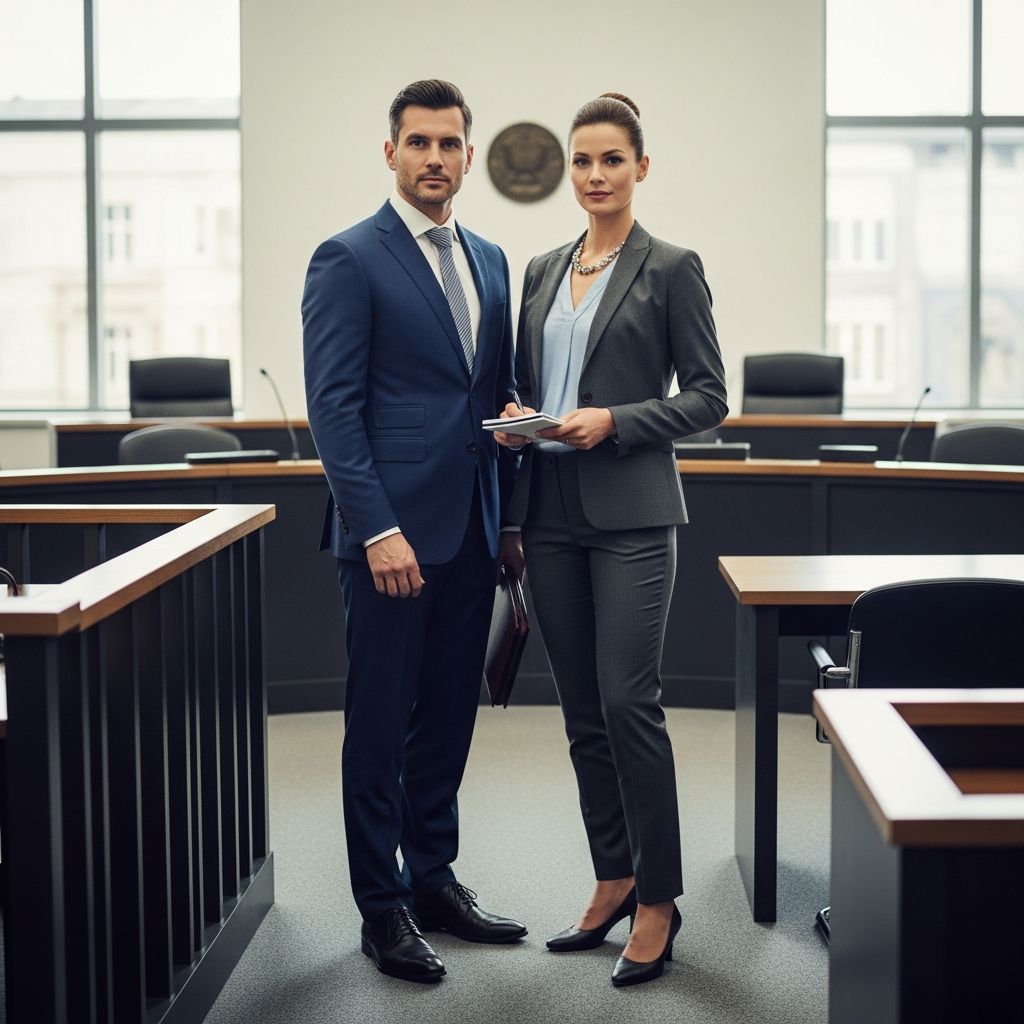
Your clothing choice in court speaks volumes before you utter a word. Proper attire demonstrates respect for the judicial system, influences perceptions of judges and juries, and can subtly affect case outcomes. This guide explores essential principles of courtroom fashion, tailored recommendations, and practical advice drawn from official court guidelines.
Why Courtroom Appearance Matters
In judicial settings, first impressions are critical. Judges and juries often form initial opinions within seconds, and inappropriate clothing can signal disrespect or lack of seriousness. Conservative dress aligns with long-standing traditions of courtroom decorum, fostering an environment of fairness and order. Violating dress norms may lead to being turned away, rescheduling your hearing, or even contempt charges in severe cases.
Business-like attire projects reliability and professionalism. Neutral colors such as navy, gray, black, and beige dominate recommendations because they convey calmness without distraction. Clean, well-fitted garments further underscore attention to detail, mirroring the preparation expected in legal matters.
Universal Dress Code Principles
Courts across jurisdictions emphasize similar standards to maintain dignity. Key prohibitions include:
- Hats or head coverings, unless required for religious or medical reasons.
- Sunglasses, except for medical necessity.
- Clothing with offensive graphics, profanity, violence, or drug references.
- Revealing outfits like tube tops, halter tops, plunging necklines, or midriff-baring shirts.
- Torn, ripped, or excessively casual wear such as mini-skirts, shorts, or baggy pants below the waist.
- Sleeveless muscle shirts or undershirts as outerwear.
Footwear must be secure for metal detectors; avoid flip-flops or sandals. Dress as if attending a formal job interview or religious service to err on the side of caution.
Recommended Outfits for Men
Men should prioritize suits or slacks with collared shirts. A full suit in dark colors is ideal for high-stakes proceedings like trials or sentencings.
| Item | Recommended | Avoid |
|---|---|---|
| Suit/Jacket | Single-breasted in navy, charcoal, or black; sports coat acceptable | No jacket; hoodies or athletic wear |
| Shirt | Long-sleeve button-up, white or light blue; tucked in | Sleeveless, graphic tees, or wrinkled |
| Pants | Dress slacks, belted, hemmed properly | Jeans (unless dark and paired formally), cargo pants |
| Tie | Silk or conservative pattern, neatly knotted | Loud patterns, novelty ties |
| Shoes | Polished leather oxfords or loafers | Sneakers, boots with excessive metal |
A sweater over a collared shirt works for cooler courtrooms. Ensure everything is pressed and free of odors.
Recommended Outfits for Women
Women benefit from tailored suits, dresses, or skirts with blouses. Modesty and coverage are paramount.
| Item | Recommended | Avoid |
|---|---|---|
| Top | Blouse or sweater; cardigan for layering | Low-cut, sheer, or sleeveless without cover |
| Bottom/Dress | Knee-length skirt or pantsuit; sheath dress | Short skirts, leggings, tight fits |
| Jacket | Blazer or structured cardigan | Crop tops or informal layers |
| Shoes | Closed-toe pumps or flats (under 3-inch heels) | Open-toe sandals, stilettos |
| Accessories | Minimal stud earrings, simple necklace | Hanging jewelry, excessive makeup |
Test mobility: Raise arms to check coverage. Neutral palettes enhance approachability.
Attire for Special Circumstances
Family or Juvenile Court
Opt for softer yet professional looks to convey approachability. Women might choose a knee-length dress in pastel shades; men, khakis with a polo under a blazer. Avoid anything intimidating.
Hot Weather or Virtual Hearings
In warm climates, lightweight wool suits or breathable fabrics suffice. For video court, frame upper body professionally; solid backgrounds prevent distraction. Full attire maintains mindset.
Religious or Cultural Accommodations
Courts permit headscarves or modest garments for faith practices, provided they do not obscure identity. Coordinate with court staff in advance.
What About Children or Witnesses?
Children should wear school-appropriate clothing: collared shirts, slacks or dresses. Witnesses follow adult guidelines to uphold credibility.
Courtroom Etiquette Beyond Attire
Dress pairs with behavior for maximum impact:
- Arrive early to compose yourself.
- Remove gum, food, drinks before entry.
- Stand for judge’s entrance/exit and when addressing the court.
- Use “Your Honor”; speak clearly without interruption.
- Silence cell phones; no side conversations.
Courtrooms often run cold; layer accordingly and prepare for security screenings.
Common Mistakes and How to Avoid Them
Mistake 1: Casual Fridays mindset – Courts aren’t offices; skip jeans even if local norms seem lax.
Mistake 2: Over-accessorizing – Flashy items draw negative focus; keep it minimal.
Mistake 3: Ignoring fit – Baggy or tight clothes distract; tailor if possible.
Mistake 4: Scent overload – Strong perfumes clash in enclosed spaces.
Plan ahead: Lay out outfits days prior, iron, and have backups.
Frequently Asked Questions
Can I wear jeans to court?
Generally no, as they appear casual. Dark jeans with a blazer might pass in minor cases like traffic court, but slacks are safer.
Is a suit always required?
Not strictly, but recommended for seriousness. Button-down shirt, slacks, and shoes form a reliable minimum.
What if I can’t afford formal clothes?
Courts prioritize cleanliness and modesty. Borrow, shop thrift, or inquire about resources; effort counts.
Are there differences by court type?
Federal courts lean stricter; local may be lenient, but uniform conservatism works everywhere.
What colors should I choose?
Navy, gray, black, white – they signal professionalism without overpowering.
Final Thoughts on Making Your Best Impression
Strategic dressing transforms anxiety into confidence. By adhering to these guidelines, you honor the court’s gravity while positioning yourself favorably. Remember, attire is your silent advocate – let it argue respect and readiness on your behalf.
References
- Dress Code, Courtroom Etiquette & Basic Rules of Court Conduct — Liberty County Government. Accessed 2026. https://libertycountyga.gov/547/Dress-Code-Courtroom-Etiquette-Basic-Rul
- Basic Rules of Court Conduct — Superior Court of Fulton County. Accessed 2026. https://www.fultonsuperiorcourtga.gov/basic-rules-of-court-conduct
- 10 Rules For Dressing For Court — Chaile Allen Law. Accessed 2026. https://chaileallenlaw.com/10-rules-for-dressing-for-court/
- How to Dress for Court: Advice from a Lawyer — Daniel Stark Injury Lawyers. Accessed 2026. https://www.danielstark.com/blog/how-to-dress-for-court-advice-from-a-lawyer/
- Dress Code and Courtroom Etiquette — U.S. District Court for the Northern District of West Virginia. Accessed 2026. https://www.wvsd.uscourts.gov/jury-info/FAQ/dress-code-and-courtroom-etiquette
Similar Articles








Read full bio of medha deb


