
Courtroom Attire Guide: Dress for Success
Master the art of courtroom dressing to show respect, professionalism, and boost your case's credibility effectively.
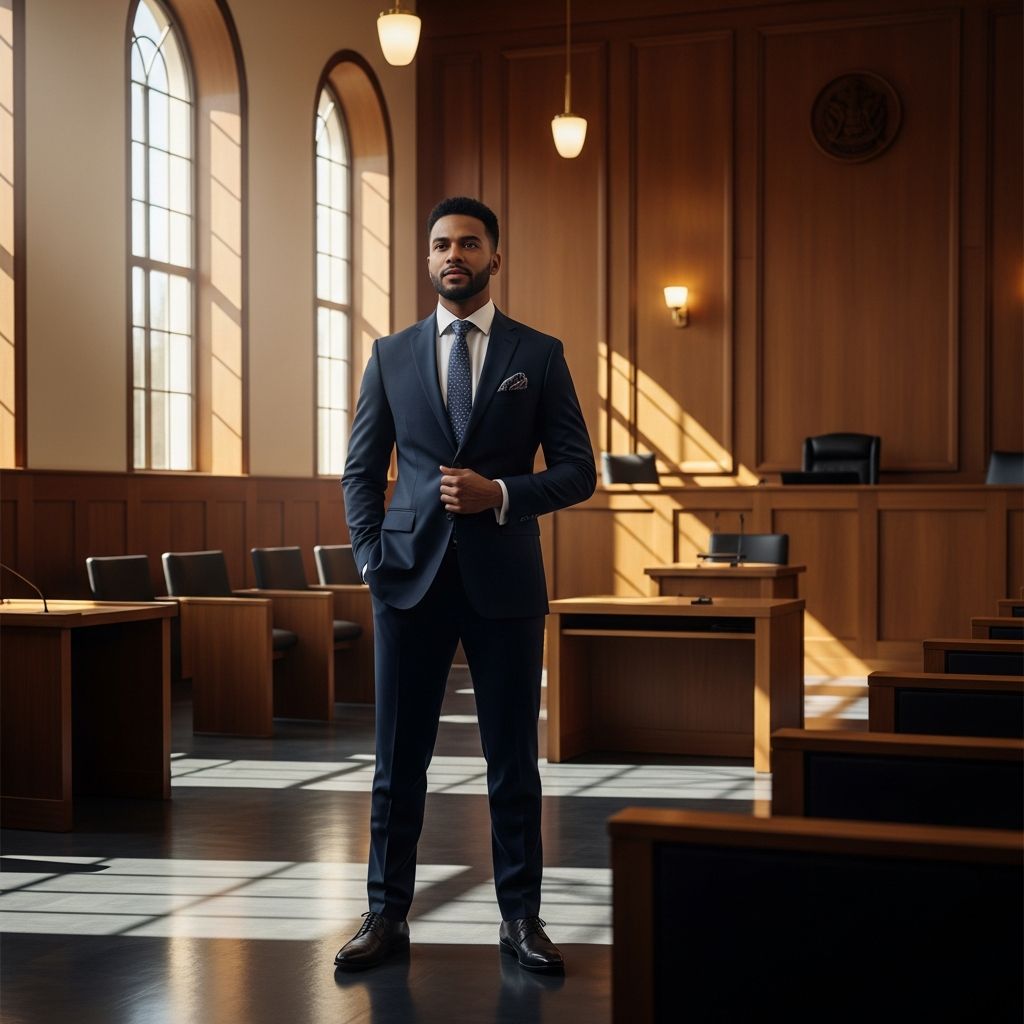
Appearing in court requires more than just knowing your legal arguments; your appearance plays a pivotal role in shaping perceptions of the judge, jury, and other participants. Proper attire signals respect for the judicial system, seriousness about your matter, and attention to detail. This guide draws from established court policies across various U.S. jurisdictions to help you select outfits that align with expectations, minimize distractions, and potentially influence outcomes positively.
Why Your Outfit Matters in Court Proceedings
The courtroom environment demands decorum to uphold the integrity of legal processes. Clothing choices reflect your understanding of this solemn setting. Studies and judicial observations indicate that neat, conservative dress correlates with perceptions of reliability and compliance. For instance, federal and state courts emphasize attire that avoids drawing undue attention, allowing focus on the merits of the case.
In professional settings like trials or hearings, inappropriate clothing can lead to delays, as court staff may require changes before entry. This not only wastes time but could signal irresponsibility. Conversely, polished attire fosters confidence and credibility, essential for defendants, witnesses, plaintiffs, or jurors.
Universal Principles of Courtroom Dress Codes
While specific rules vary by jurisdiction, core standards promote modesty, neatness, and professionalism. Business casual or formal wear is universally recommended. Key tenets include:
- Covering shoulders, midriff, chest, and legs appropriately to prevent distractions.
- Choosing subdued colors and avoiding graphics, logos, or provocative designs.
- Ensuring cleanliness, proper fit, and wrinkle-free presentation.
- Removing headwear and excessive accessories upon entry.
Courts like those in New Mexico and Pennsylvania explicitly permit clean jeans in some cases but prohibit torn or overly casual variants. Always verify local rules via court websites or your attorney.
Recommended Outfits for Men
Men should aim for structured, conservative looks that convey authority and respect. A suit remains the gold standard, but business casual suffices in less formal proceedings.
| Occasion | Top | Bottom | Footwear | Accessories |
|---|---|---|---|---|
| Formal Hearing/Trial | Suit jacket, collared dress shirt, tie | Matching trousers | Polished dress shoes | Conservative tie, belt, minimal watch |
| Business Casual (e.g., Juror) | Collared button-up shirt or polo | Khakis or clean jeans | Loafers or clean sneakers (no athletic) | Belt, simple wristwatch |
Opt for neutral shades like navy, charcoal, or black. Ensure pants sit at the waist, avoiding sagging. Shirts must be tucked in for a tidy silhouette.
Recommended Outfits for Women
Women benefit from elegant, modest ensembles that balance femininity with professionalism. Focus on coverage and simplicity to maintain focus on proceedings.
| Occasion | Top | Bottom/Full | Footwear | Accessories |
|---|---|---|---|---|
| Formal Hearing/Trial | Blouse or suit jacket | Knee-length skirt, dress, or pantsuit | Closed-toe heels or flats | Stud earrings, simple necklace |
| Business Casual | Collared blouse | Slacks or midi skirt | Loafers or ballet flats | Minimal jewelry, scarf if desired |
Skirts and dresses should extend below fingertips when arms are relaxed. Neutral palettes—gray, beige, dark blues—project poise. Layer with cardigans for cooler courtrooms.
Special Considerations for Jurors and Witnesses
Jurors and witnesses often face explicit guidelines to ensure impartiality and attentiveness. Many courts, such as York County, PA, allow neat jeans but ban shorts, tank tops, and revealing cuts. Shoulders and midriffs must remain covered; spaghetti straps require jackets.
- Jurors: Business casual promotes comfort during long sessions. Bring a sweater for air-conditioned rooms.
- Witnesses: Match the formality of parties involved; consult attire checklists for consistency.
- Security Note: Avoid excess metal in belts or jewelry to expedite screening.
Color Choices and Styling Essentials
Colors influence subconscious judgments: dark neutrals suggest trustworthiness, while bright hues or patterns distract. Recommended palette:
- Safe Bets: Navy, black, gray, taupe, white (for shirts).
- Avoid: Red (aggression), neon, pastels (too casual), bold prints.
Fabrics should be opaque and non-sheer. Tailoring ensures proper fit—neither baggy nor tight. Press clothes beforehand; steaming removes wrinkles effectively.
Grooming and Personal Presentation Standards
Attire pairs with grooming for a complete professional image. Courts expect cleanliness reflecting self-respect.
- Hair: Neatly styled, away from face; avoid extreme colors or unkempt styles.
- Facial Hair: Trimmed and groomed for men.
- Nails: Clean, short; neutral polish for women.
- Hygiene: Fresh scent (subtle), no strong perfumes; brushed teeth.
- Headwear: Remove hats, sunglasses inside unless medically/religiously required.
Minimize visible tattoos or piercings; cover if possible. These details reinforce your attire’s impact.
Common Attire Pitfalls and How to Avoid Them
Mistakes can undermine credibility. Steer clear of:
- Casual Wear: T-shirts, hoodies, athletic gear, flip-flops.
- Revealing Items: Crop tops, mini-skirts, low necklines, ripped jeans.
- Offensive Prints: Profanity, drugs, violence imagery.
- Overly Flashy: Excessive jewelry, high heels over 3 inches (safety concern).
If wardrobe-limited, prioritize clean slacks, button-up shirt, and closed shoes in muted tones. Borrow or shop thrift for basics.
Navigating Variations by Court and Case Type
Federal courts lean formal; local varies. Attorneys don suits/ties; laypersons follow lay guidelines. Family or small claims may relax standards, but err conservative. Check summons or call clerk. Weather prep: layers for AC, umbrella for rain without ruining outfits.
Frequently Asked Questions
What if my clothes get wrinkled en route?
Carry a travel steamer or use bathroom hand-dryers. Arrive early to compose yourself.
Are jeans ever okay?
Yes, in courts like New Mexico’s if clean and neat; avoid elsewhere for safety.
What about religious attire?
Accommodated; inform security. Head coverings often permitted.
Can I wear sneakers?
Clean, non-athletic ones for casual; dress shoes preferred.
How formal for virtual hearings?
Upper body business attire; solid background, good lighting.
Final Thoughts on Making Your Best Impression
Strategic dressing transforms court appearances into opportunities to affirm your respect for justice. Combine attire with punctuality, attentiveness, and preparation for optimal results. Consult professionals for case-specific advice.
References
- Judge Vidmar Dress Code — U.S. District Court for the District of New Mexico. Accessed 2026. https://www.nmd.uscourts.gov/sites/nmd/files/Judge%20Vidmar%20Dress%20Code.pdf
- Dress Code, Courtroom Etiquette & Basic Rules of Court Conduct — Liberty County, GA Government. Accessed 2026. http://www.libertycountyga.gov/547/Dress-Code-Courtroom-Etiquette-Basic-Rul
- What Should You Wear to Court: Essential Courtroom Attire Guide — SSKB Law. Accessed 2026. https://sskblaw.com/what-should-you-wear-to-court-dress-code-tips-for-clients
- Juror Dress Code — York County, PA Government. Accessed 2026. https://yorkcountypa.gov/909/Juror-Dress-Code
- Dress Code and Courtroom Etiquette — U.S. District Court for the Northern District of West Virginia. Accessed 2026. https://www.wvsd.uscourts.gov/jury-info/FAQ/dress-code-and-courtroom-etiquette
- What to Wear to Court in Pennsylvania — KLNiven Law. Accessed 2026. https://www.klnivenlaw.com/blog/what-to-wear-to-court-in-pennsylvania/
- Dress Code for Court — Fourteenth Judicial District Court. Accessed 2026. https://fourteenthjdc.squarespace.com/s/Dress-Code-for-Court-Div-H.pdf
Similar Articles








Read full bio of Sneha Tete


