
Cost-Effective Shoplifting Prevention for Small Retailers
Discover budget-friendly strategies to safeguard your store from theft, boost security, and protect profits without breaking the bank.
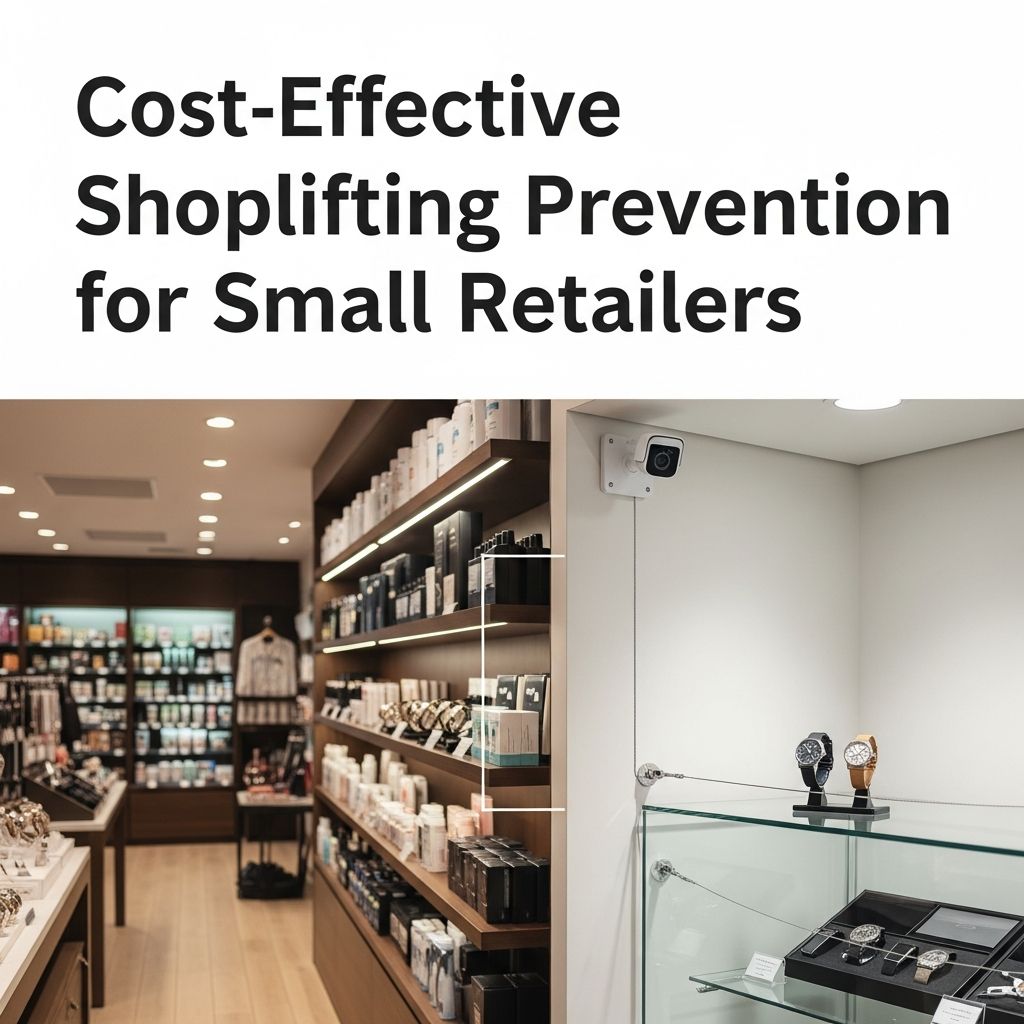
Shoplifting poses a significant threat to small retailers, often leading to substantial financial losses and operational disruptions. Implementing smart, low-budget strategies can dramatically reduce theft incidents while maintaining a welcoming atmosphere for legitimate customers. This guide explores practical approaches drawn from industry best practices to fortify your store’s defenses.
Recognizing Common Theft Tactics
Understanding how shoplifters operate is the foundation of effective prevention. Thieves employ various methods to evade detection, and awareness allows staff to intervene early.
- Bag stuffing and concealment: Shoplifters use large bags, backpacks, or baggy clothing to hide merchandise discreetly.
- Group distractions: One or more individuals distract employees with questions or commotion while accomplices steal.
- Tag manipulation: Switching price tags or removing packaging to bypass alarms or pay less.
- Fraudulent returns and counterfeit payments: Returning unpurchased items or using fake currency.
- Grab-and-run: Snatching items during peak hours when staff are busy.
By training your team to spot these behaviors—such as customers lingering with oversized bags or entering in groups—you create a proactive barrier against theft.
Building a Vigilant Team Through Training
Your employees serve as the frontline defense. Comprehensive training empowers them to deter theft without alienating customers.
Start with greeting every entrant warmly to establish presence and discourage opportunists. Instruct staff to monitor for red flags like excessive layering in warm weather or requests to check stockrooms, which may be diversions. Role-playing scenarios during shifts hones observation skills and builds confidence in polite interventions, such as offering assistance near high-risk areas.
Clear policies on handling suspicions are crucial: document incidents, never accuse without evidence, and know local laws on detaining suspects. Regular team meetings reinforce these protocols, fostering a culture of alertness. According to retail experts, well-trained staff can reduce shrinkage by up to 30% through consistent vigilance.
Strategic Merchandising to Minimize Risks
Store layout and product placement play pivotal roles in theft prevention. Thoughtful organization makes stealing harder and detection easier.
| High-Risk Items | Recommended Placement | Benefits |
|---|---|---|
| Jewelry, electronics, small cosmetics | Locked cabinets near registers | Requires staff assistance; constant monitoring |
| Everyday impulse buys (e.g., razors, batteries) | Front displays in neat rows | Easy visibility; gaps noticeable immediately |
| Bulk or low-value goods | Aisles with open sightlines | Reduces blind spots; discourages bulk theft |
Maintain tidy shelves by restocking frequently—disorder hides missing items. Position valuable goods centrally or at the store’s rear, forcing thieves to pass registers multiple times and increasing engagement opportunities. Frequent inventory audits pinpoint ‘hot’ items prone to disappearance, allowing targeted protections. A clean, organized store not only deters thieves but enhances customer experience.
Leveraging Visual Deterrents for Full Coverage
Simple, inexpensive tools like mirrors and signage extend your staff’s eyes and send strong messages to potential thieves.
Install convex mirrors in corners, above aisles, and blind spots to eliminate hidden areas. These allow one employee to oversee multiple zones simultaneously, and their presence signals surveillance. Pair this with prominent signs: “Smile, You’re on Camera,” “Shoplifters Prosecuted,” or “We Actively Monitor for Theft.” Moderately placed, they unsettle criminals without scaring shoppers.
For exteriors, visible parking lot cameras ward off threats before they enter, with studies showing up to 62% shrinkage reduction from such measures. These low-cost visuals create a watched environment, often enough to repel casual thieves.
Establishing Customer Policies and Protocols
Polite policies guide behavior and close loopholes exploited by shoplifters.
- Bag checks: Limit large bags; offer free storage at the front or ban them in dressing rooms.
- Dressing room oversight: Limit items taken in (e.g., one per person), inspect post-use, and monitor wait times.
- Return guidelines: Require receipts and limit to recent purchases to curb abuse.
Communicate policies via signage and staff enforcement. Friendliness remains key—engage customers to build rapport, as approachable stores see fewer incidents.
Enhancing Protection with Affordable Technology
While budgets constrain, entry-level tech yields high returns.
Door chimes alert staff to arrivals. Basic CCTV systems, even dummy cameras if needed, deter via visibility and provide evidence. Advanced options like RFID tags or analytics detect anomalies but start simple. For high-traffic stores, exterior cameras monitor lots effectively.
Inventory software tracks discrepancies in real-time, flagging issues early. These tools, combined with human oversight, create layered security.
Measuring Success and Continuous Improvement
Track metrics like inventory loss rates pre- and post-implementation. Compare shrinkage percentages quarterly, adjusting tactics based on data. Join local retailer associations for shared insights and collective action against repeat offenders.
Customer feedback surveys gauge if measures impact shopping experience. Success means lower losses without declined sales—aim for balance.
Frequently Asked Questions (FAQs)
What are the most common shoplifting methods in small stores?
Common tactics include concealment in bags or clothing, group distractions, tag switching, and grab-and-runs during busy times.
How can small businesses afford security cameras?
Start with affordable wireless models or visible dummies; many reduce theft enough to pay for themselves quickly via prevented losses.
Is it legal to detain suspected shoplifters?
Laws vary by jurisdiction; train staff on merchant’s privilege but prioritize safety and evidence over confrontation. Consult local authorities.
Do mirrors really deter thieves?
Yes, by eliminating blind spots and signaling observation, making theft riskier.
How often should inventory checks occur?
Daily for high-risk items, weekly full audits to spot patterns early.
References
- 5 Tips For Retail Theft Prevention In Your Small Business — O’Brien & Associates. 2023. https://obrien-and-associates.com/blog/tips-retail-theft-prevention-small-business/
- Shoplifting Prevention: Five Easy Tips to Deter Shoplifters — LVT. 2024. https://www.lvt.com/blog/shoplifting-prevention-five-easy-tips-to-deter-shoplifters
- 8 Shoplifting Prevention Tips for Small Businesses — Melio Payments. 2023. https://meliopayments.com/blog/shoplifting-prevention-tips-small-businesses/
- Retail Theft & Shoplifting Prevention: 10 Effective Methods — Avigilon. 2024. https://www.avigilon.com/blog/retail-theft-prevention
- Five to Thrive: Loss Prevention — National Retail Federation (NRF). 2025. https://nrf.com/resources/center-small-retail-businesses/five-to-thrive-resources/five-to-thrive-loss-prevention
- 7 Easy-to-Implement Tips to Prevent Shoplifting — Square. 2023. https://squareup.com/us/en/the-bottom-line/operating-your-business/7-tips-to-prevent-shoplifting
Similar Articles








Read full bio of medha deb




