
Corporate Fumbles: Lessons from Mishandled Harassment Crises
Discover critical missteps in addressing workplace and passenger harassment, drawing from real corporate failures to guide better practices.
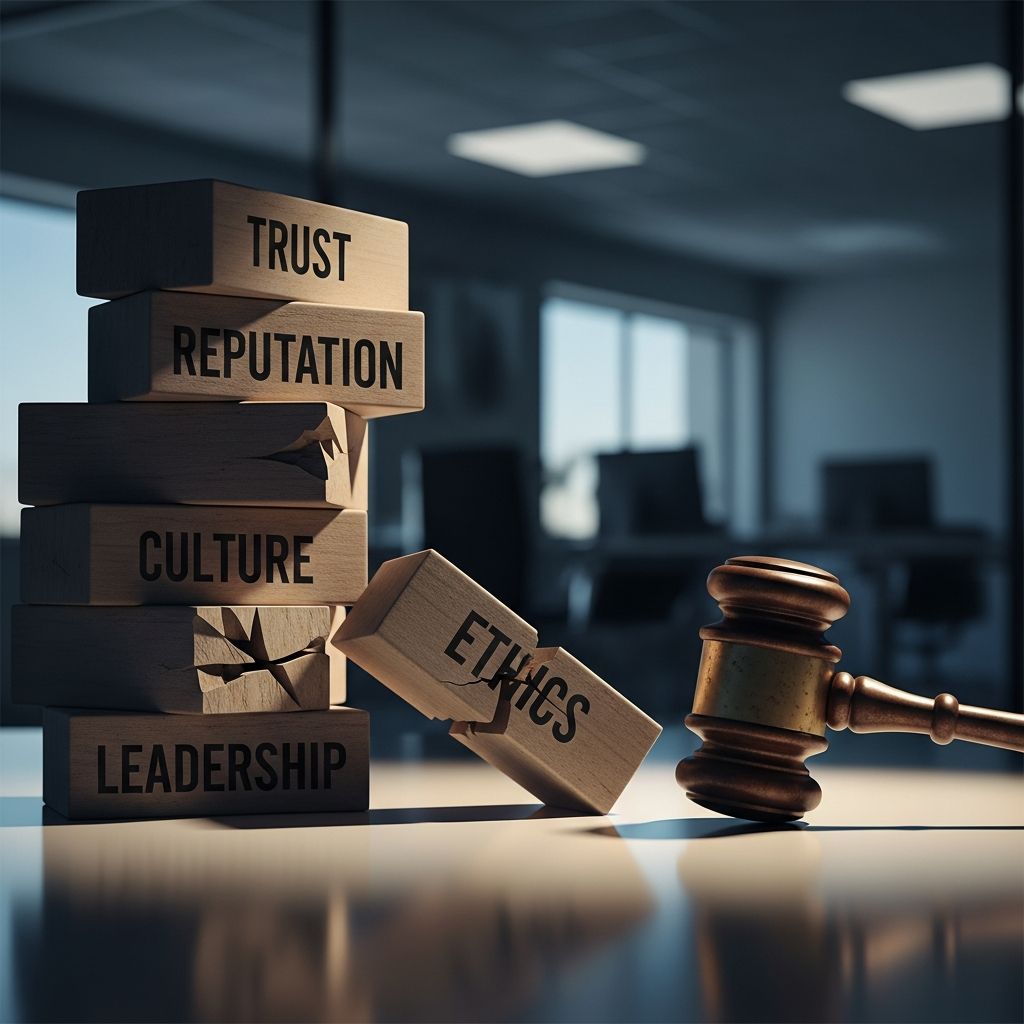
High-profile companies often face allegations of sexual harassment, but their responses can determine whether they emerge stronger or face prolonged legal battles and reputational damage. Mishandled complaints not only exacerbate harm to victims but also expose organizations to significant liability under employment and consumer protection laws. This article delves into real-world examples of inadequate handling, focusing on failures in investigation, accountability, and policy enforcement, while offering actionable strategies for improvement.
Understanding the Scope of Harassment in Modern Workplaces
Sexual harassment encompasses unwelcome advances, requests for favors, and other verbal or physical conduct of a sexual nature that creates a hostile environment. In corporate settings, it manifests through inappropriate communications, unwanted touching, or coercive behaviors from superiors or peers. Beyond offices, gig economy platforms introduce unique risks for passengers relying on drivers for safe transport.
Statistics reveal the prevalence: thousands of reports have surfaced in recent years against ride-sharing giants, with multi-district litigations consolidating claims from survivors across states. These incidents underscore a systemic issue where rapid business expansion sometimes overshadows safety protocols.
Employee Experiences: When Internal Complaints Fall on Deaf Ears
One engineer’s public account from 2017 exposed deep-seated problems within a tech firm’s culture. She described receiving explicit messages from her manager on her first day, proposing sexual encounters via company chat. Reporting this to human resources yielded a shocking response: acknowledgment of the harassment but reluctance to act decisively due to the manager’s status as a ‘high performer.’ Instead of thorough investigation or discipline, she was advised to switch teams, warned of potential retaliation like poor reviews, with no safeguards promised.
This case illustrates a pattern where HR prioritizes talent retention over victim support, eroding trust and encouraging a culture of impunity. Colleagues shared similar stories, revealing repeated offenses by the same individuals, yet minimal consequences followed. Such leniency violates federal guidelines established since 1999, which mandate prompt, impartial investigations and corrective actions.
Passenger Safety Nightmares in the Gig Economy
Ride-sharing services promise convenience but have been plagued by assault claims. Survivors allege drivers with histories of abuse slipped through lax vetting processes, enabled by name-and-social-security-number checks rather than fingerprints. One lawsuit details a young woman’s ordeal: promised a safe drop-off home, she was abandoned, leading to a violent attack. When her family notified the company, the response was a generic email listing hotlines—no investigation, escalation, or support.
Larger trends emerge in consolidated federal cases, where over 3,700 plaintiffs from 30 states claim the platform ignored known risks since 2014. Internal documents reportedly show awareness of high-risk areas and delayed safety features, with executives later admitting under oath that ‘not enough’ was done to prevent assaults.
- Inadequate Screening: Rapid background checks favored speed over depth, allowing problematic drivers to operate.
- Policy Gaps: Absence of strict rules against fraternization or advances toward riders.
- Response Failures: Dismissal of complaints without action, prioritizing growth over safety.
Legal Ramifications of Poor Crisis Management
Companies face lawsuits under Title VII for employee harassment and negligence theories for passenger claims. Courts scrutinize whether employers knew or should have known of risks and failed to act. In multi-district litigation, admissions from product officers about insufficient safety measures bolster plaintiff arguments, potentially leading to massive settlements or verdicts.
Defenses like challenging receipt validity in claims have backfired publicly, portraying firms as evasive rather than proactive. Negligence in training, monitoring, and enforcing zero-tolerance policies creates proximate cause links to harms, amplifying damages.
| Failure Type | Legal Consequence | Example Impact |
|---|---|---|
| Weak Investigations | Title VII Violations | Retaliation Claims, Punitive Damages |
| Inadequate Vetting | Negligent Hiring/Supervision | MDL Consolidation, High Settlements |
| Generic Responses | Breach of Duty to Protect | Reputational Harm, Class Actions |
Root Causes: Culture Over Compliance
At the heart lie cultural misalignments where aggressive growth trumps ethical imperatives. Leadership’s failure to model zero-tolerance trickles down, pressuring HR to downplay issues. High-performer protections shield abusers, while victims are shuffled aside. In ride-sharing, algorithmic matching without robust oversight exacerbates anonymity risks.
Internal debates stalled features like emergency buttons or real-time monitoring, as costs and logistics were weighed against rider vulnerabilities. This calculus, revealed in trials, paints a picture of calculated indifference.
Best Practices for Effective Response Protocols
To avoid these pitfalls, organizations must embed robust systems:
- Immediate Acknowledgment: Treat every report seriously with personalized follow-up, avoiding boilerplate replies.
- Impartial Investigations: Use trained, external investigators if needed to ensure objectivity.
- Accountability Measures: Discipline regardless of performer status, up to termination for confirmed violations.
- Training Mandates: Regular sessions on boundaries, reporting, and anti-retaliation.
- Tech Safeguards: For platforms, implement fingerprint checks, audio recording options, and rapid deactivation protocols.
Proactive audits and anonymous reporting channels foster transparency, reducing litigation risks.
Industry-Wide Reforms and Ongoing Challenges
Post-scandals, some firms tout improvements like enhanced vetting and 24/7 support lines. Yet, bellwether trials continue, with plaintiff numbers climbing into 2026. Advocates push for legislative mandates on gig worker screening, mirroring taxi regulations.
Corporate leaders must shift from reactive damage control to cultural transformation, viewing safety as a core metric alongside revenue.
Frequently Asked Questions (FAQs)
What should a company do immediately upon receiving a harassment complaint?
Document the report, ensure no retaliation, launch a confidential investigation, and communicate next steps to the complainant promptly.
Can high performer status excuse harassment?
No—federal law requires equal enforcement; protecting stars invites liability for negligent supervision.
How do ride-sharing companies vet drivers legally?
They must comply with state laws, but lawsuits highlight shortfalls in background depth; fingerprints are increasingly standard.
What defenses work in assault litigation?
Proving independent contractor status helps, but platform knowledge of risks undermines it; safety admissions weaken cases.
Has Uber improved since early scandals?
Executives admit past insufficiencies, with ongoing MDLs testing new measures’ effectiveness.
Building Resilient Organizations Post-Crisis
Learning from these episodes demands holistic change: integrate ethics training into onboarding, monitor complaint trends via data analytics, and align incentives with safety outcomes. Boards should oversee HR efficacy, ensuring policies match rhetoric. For gig platforms, rider feedback loops and AI-flagged anomalies can preempt dangers.
Ultimately, exemplary responses rebuild trust, deter wrongdoing, and position companies as industry leaders in ethical innovation. Ignoring lessons risks not just lawsuits, but erosion of the social license to operate.
References
- Uber Sued for Abandoning Passenger, Resulting in Violent Sexual Assault — CPM Legal. 2026 (approx). https://www.cpmlegal.com/newsroom/news/Uber-Sued-for-Abandoning-Passenger-Resulting-in-Violent-Sexual-Assault
- Uber Sexual Assault Lawsuit – April 2026 Update — Robert King Law Firm. 2026-04. https://www.robertkinglawfirm.com/personal-injury/uber-sexual-assault-lawsuit/
- Uber’s Alleged Failure to Address Harassment Shines Light on HR Practices — Katz Banks Kumin. 2017-04-05. https://katzbanks.com/employment-law-blog/ubers-alleged-failure-address-harassment-shines-light-hr-practices/
- Uber Sexual Assault Lawsuit | April 2026 Litigation Update — Lawsuit Information Center. 2026-03 (update). https://www.lawsuit-information-center.com/uber-sex-assault-lawsuit.html
- Uber Sexual Assault Cases Explained: What Survivors Need To Know — TorHoerman Law. 2026 (approx). https://www.torhoermanlaw.com/uber-sexual-assault-lawsuit/uber-sexual-assault-cases/
- Uber Harassment Claims: A Deep Dive into a Troubled Ride — Kherkher Garcia. 2026 (approx). https://www.kherkhergarcia.com/uber-harassment-claims-troubled-ride/
- Uber claims fake receipts nullify passengers’ sexual assault lawsuit (Video Transcript) — YouTube (News Clip). 2026 (approx). https://www.youtube.com/watch?v=uKDXgP10Lc0
Similar Articles








Read full bio of Sneha Tete




