
Your Rights After A Data Breach: 5 Practical Steps For 2025.
Understand your legal rights, protections, and practical steps when your personal data is exposed in a hacking or security incident.
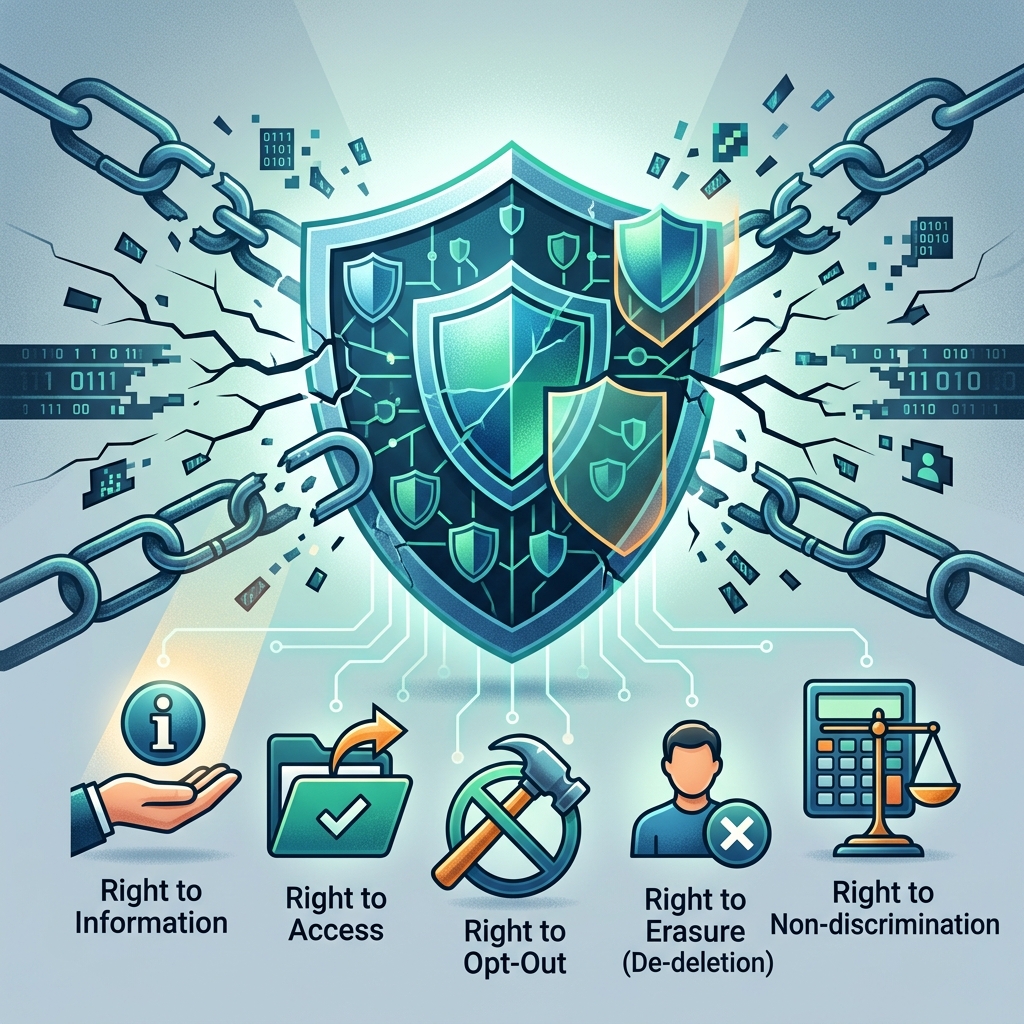
When a company or organization suffers a data breach, the consequences often fall hardest on consumers whose personal information is exposed. Modern laws and enforcement practices give you specific rights to notice, privacy protections, and legal remedies if your data is compromised by hackers or poor security practices. This guide explains those rights and outlines the practical steps you can take to limit damage and seek redress.
Understanding What Counts as a Data Breach
Not every technical incident qualifies as a legally recognized data breach. Data breach laws and guidance usually focus on events where personal information has been accessed or acquired without authorization in a way that compromises its confidentiality or integrity. In practice, a breach commonly involves third parties obtaining data such as:
- Names and addresses linked to other identifiers
- Social Security numbers or national ID numbers
- Financial account or credit card numbers
- Medical records or health insurance information
- Login credentials for online accounts
Many jurisdictions define a breach as the unlawful and unauthorized acquisition of personal information that creates a risk of identity theft, fraud, or other harm. From a consumer perspective, the key question is whether information that could reasonably be used to impersonate you or access your assets has been exposed.
Core Legal Framework Protecting Consumer Data
In the United States, there is no single comprehensive federal privacy law governing all data breaches. Instead, your rights are drawn from a patchwork of state breach notification statutes and federal laws that protect specific types of information.
State Data Breach Notification Laws
All U.S. states and several territories have enacted laws requiring organizations to notify individuals when their personal information is compromised in a data breach. These statutes typically address:
- What types of personal information trigger notice obligations
- How quickly notices must be sent after discovery of the breach
- Whether regulators or law enforcement must also be notified
- What content must appear in consumer notices
Some states also specify penalties or enforcement tools if organizations fail to provide timely and accurate notice.
Federal Privacy and Data Security Laws
Federal laws generally focus on particular categories of data or specific types of service providers. Key examples include:
- HIPAA: Governs the use and disclosure of protected health information by medical providers and health plans, with breach notification duties embedded in regulations.
- FCRA: Regulates how credit reporting agencies handle consumer credit information and establishes duties regarding accuracy and security.
- ECPA: Limits unauthorized interception and access to electronic communications.
- COPPA: Sets strict rules for collecting and handling personal data about children under 13, including parental notice and consent.
- FTC Act: Allows the Federal Trade Commission to take action when companies misrepresent privacy or security practices or fail to reasonably safeguard consumer data.
These laws can provide both direct rights for consumers and enforcement mechanisms through regulators, even when there is no single overarching privacy statute.
Your Key Rights After a Data Breach
When a hacking incident exposes consumer data, several core rights typically come into play. Exact details vary by jurisdiction, but common themes have emerged across state laws, federal enforcement, and major settlements.
Right to Prompt and Clear Notice
Most data breach laws give you the right to be informed when your personal information has been compromised. Organizations must notify affected consumers without unreasonable delay, sometimes within a specific number of days after discovering the breach. A notice should generally include:
- What type of information was involved (e.g., financial data, health records)
- Approximate dates of the breach and discovery
- What steps the organization is taking to address the incident
- Recommendations for how you can protect yourself (such as credit monitoring or fraud alerts)
Delayed or incomplete notification can increase the harm to consumers and may expose the organization to regulatory actions or civil liability.
Right to Privacy and Reasonable Data Security
Courts and legislatures have recognized a general right to privacy, including in the context of personal data handled by businesses. Regulators such as the FTC expect companies to implement reasonable security measures consistent with the sensitivity of the data they collect. When organizations fail to do so, consumers may gain several kinds of protection:
- Government enforcement actions that require improved security practices
- Consent orders or settlements obligating companies to monitor and remediate risks
- Evidence supporting private lawsuits alleging negligence or unfair practices
Right to Seek Compensation or Other Remedies
In many large breaches, consumers have a right to pursue compensation through individual lawsuits or class actions, subject to proof of harm and legal standards. Remedies may include:
- Reimbursement of direct financial losses, such as fraudulent charges or stolen funds
- Coverage of mitigation costs, including replacement cards, credit monitoring, or forensic services
- Compensation for time and effort spent resolving the breach’s consequences
- Damages for emotional distress in some cases
- Equitable relief requiring improved security practices and ongoing monitoring
Major breach settlements, such as the Equifax case, often provide free credit monitoring, cash payments for certain losses, and avenues for claiming additional compensation.
Practical Steps Consumers Should Take After a Breach
Beyond assertive legal rights, there are immediate practical measures you can take to protect yourself when you learn your data has been exposed.
1. Read and Save the Breach Notice
- Confirm which company is responsible and what types of data were involved.
- Save emails or letters describing the incident for future reference.
- Look for any offered services, such as free credit monitoring or identity theft protection.
2. Monitor Financial Accounts and Credit Reports
- Check bank and credit card statements for unauthorized transactions.
- Obtain and review your credit reports from major credit reporting agencies.
- Dispute any accounts or entries you do not recognize.
3. Place Fraud Alerts or Security Freezes
Credit reporting agencies allow you to place fraud alerts or security freezes on your file, which can be very effective when your data has been exposed.
- A fraud alert flags your credit file so that lenders take extra steps to verify your identity before opening new accounts.
- A security freeze restricts access to your credit report entirely, making it difficult for new accounts to be opened in your name until you lift the freeze.
Some large breach settlements also require credit reporting agencies to offer free credit freezes and monitoring to affected consumers.
4. Change Passwords and Enable Strong Authentication
- Immediately change passwords for any accounts that may have been affected.
- Use unique, complex passwords and consider a reputable password manager.
- Enable multi-factor authentication where available, especially for financial and email accounts.
5. Report Identity Theft and File Complaints
- If you suspect identity theft, report it to appropriate authorities and consumer protection agencies.
- In many states, you can file complaints with the Attorney General or Department of Justice about data breaches and inadequate responses.
- Consider consulting a lawyer if you have suffered significant financial or emotional harm.
Legal Remedies: Individual Lawsuits and Class Actions
Legal remedies after a data hacking incident can be complex. They depend on the nature of the breach, the evidence of harm, and the applicable laws. Nevertheless, some recurring patterns appear in breach litigation.
Types of Harm Recognized in Breach Cases
Court cases and settlements have recognized multiple categories of loss that consumers may suffer from data breaches.
- Actual misuse: Fraud, identity theft, or other direct exploitation of your data.
- Heightened risk of future harm: Increased likelihood of identity theft even if misuse has not yet occurred.
- Expectation and contractual losses: Losses arising when a company fails to honor its promises or contractual obligations regarding privacy and security.
- Mitigation costs: Out-of-pocket expenses and time spent securing accounts, monitoring credit, and responding to the breach.
- Emotional distress: Anxiety, fear, or other psychological impacts, sometimes compensable in settlements.
Litigation Theories Used by Consumers
Consumers and their lawyers employ various legal theories to seek relief after a breach. These may include:
- Negligence: Alleging that the organization failed to exercise reasonable care in protecting personal data.
- Negligence per se: Arguing that violation of specific security or privacy statutes constitutes a breach of duty.
- Breach of contract: Claiming that terms of service or privacy policies formed a contract that was violated.
- Statutory claims: Using specific state or federal statutes that provide private rights of action for privacy violations.
- Consumer protection or unfair practices claims: Alleging that deceptive or unfair representations about security violated consumer protection laws.
In large incidents, class actions are common because many consumers experience similar harms arising from the same breach event.
Table: Key Consumer Rights and Typical Remedies
| Right or Protection | Source | Typical Remedy |
|---|---|---|
| Notice of data breach | State breach notification laws; sector regulations | Written or electronic notice, regulator notifications; possible penalties for delayed notice |
| Privacy of personal data | Constitutional privacy doctrines; federal and state statutes | Government enforcement, injunctive relief, damages in some cases |
| Reasonable data security | FTC Act and similar consumer protection laws | Consent orders, mandated security improvements, ongoing monitoring |
| Compensation for breach-related harm | Common law negligence and contract claims; statutory remedies | Reimbursement for losses, mitigation costs, emotional distress, and credit monitoring |
| Access to credit protection tools | Credit reporting laws; breach settlements | Free credit monitoring, fraud alerts, security freezes, and easier access to reports |
Working with Regulators and Consumer Protection Agencies
Regulators play a central role in enforcing data breach rules and consumer rights. Understanding how to engage them can strengthen your response to a hacking incident.
- State Attorneys General often investigate major breaches and enforce state breach notification laws and consumer protection statutes.
- State Departments of Justice may provide complaint processes and guidance for breach victims and can seek civil penalties against non-compliant entities.
- The Federal Trade Commission (FTC) enforces data security and privacy promises under the FTC Act and provides extensive consumer resources about dealing with breaches and identity theft.
Filing a complaint or cooperating with regulatory investigations can help ensure that organizations are held accountable and that systemic security issues are addressed.
Frequently Asked Questions (FAQs)
What should I do immediately after receiving a breach notice?
First, confirm that the notice is legitimate by checking the organization’s official communications or website. Then review which data was affected, monitor financial accounts and credit reports, consider placing fraud alerts or credit freezes, and follow any recommendations for enrolling in offered protection services.
Can I demand compensation just because my data was exposed?
Whether you can obtain compensation depends on the laws in your jurisdiction, the type of breach, and whether you can show harm. Some settlements provide benefits regardless of individual proof of damage, but many lawsuits require evidence of actual misuse, increased risk, or mitigation costs.
Is emotional distress from a breach recognized as a legal harm?
In some cases, courts and settlement agreements recognize emotional distress as a compensable harm, especially when exposure of sensitive information leads to anxiety, fear for future consequences, or psychological trauma. The availability and amount of such damages varies by case.
How long do companies have to notify consumers after a breach?
Timeframes depend on state and sector-specific laws. Many statutes require notice without unreasonable delay, and some specify deadlines such as within a fixed number of days after discovering the breach. Delays may be permitted to support law enforcement investigations, but extended postponement can trigger regulatory scrutiny.
Are my rights different if health data is involved?
Health-related breaches may trigger specific HIPAA rules and enforcement by health regulators, in addition to general state breach laws. Notice obligations, security requirements, and potential penalties can be more stringent because of the sensitive nature of medical information.
References
- Data Breaches — National Association of Attorneys General. 2023-05-10. https://www.naag.org/issues/consumer-protection/consumer-protection-101/privacy/data-breaches/
- Data Breaches & Consumers’ Legal Rights to Privacy — Justia. 2022-11-01. https://www.justia.com/consumer/identity-theft/data-breaches-privacy/
- Equifax Data Breach — Electronic Privacy Information Center (EPIC). 2019-08-01. https://epic.org/privacy/data-breach/equifax/
- Data Breaches – Consumer Protection — Oregon Department of Justice. 2023-03-15. https://www.doj.state.or.us/consumer-protection/id-theft-data-breaches/data-breaches/
- Data Breach Resources — Federal Trade Commission. 2022-06-01. https://www.ftc.gov/data-breach-resources
- Consumer Remedy for the Negligent Enablement of Data Breach — William & Mary Business Law Review. 2013-01-01. https://scholarship.law.wm.edu/wmblr/vol4/iss1/6/
- Data Breach — Wallace Miller. 2023-09-01. https://wallacemiller.com/practice-areas/privacy-law/data-breach/
Similar Articles








Read full bio of Sneha Tete


