
Construction and Housing Defects: Legal Options for Property Owners
Learn how to recognize construction and housing defects, protect your investment, and navigate legal solutions with confidence.
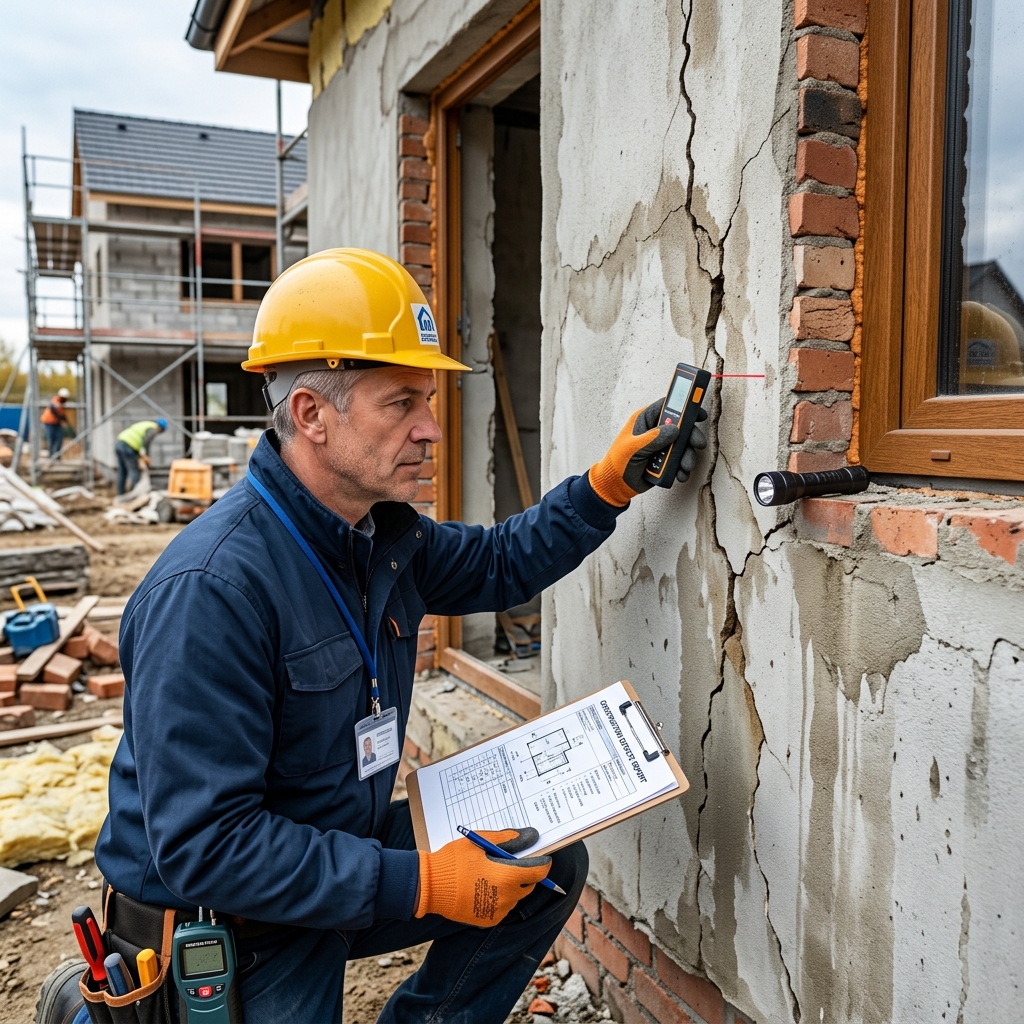
Buying or building a home is often the largest investment a person makes. When that property is affected by construction or housing defects, the financial and emotional impact can be substantial. Understanding what counts as a defect, who may be responsible, and what legal remedies are available is essential to protecting your rights.
What Are Construction and Housing Defects?
A construction or housing defect generally exists when a building does not perform as reasonably expected or fails to meet applicable standards, contracts, codes, or warranties. Defects can arise from flaws in design, poor workmanship, substandard materials, or inadequate site preparation. Some issues are obvious from the start, while others appear years after completion.
Key Characteristics of a Defect
- Deviation from contract or plans: The work does not match the specifications agreed upon in the construction contract.
- Failure to meet building codes: The structure does not comply with applicable local or state building regulations.
- Safety risks or property damage: The defect causes or threatens to cause personal injury or damage to property.
- Reduced functionality: Systems such as plumbing, electrical, or HVAC do not function as a reasonable homeowner would expect.
- Diminished value: The defect significantly lowers the market value of the property.
Common Types of Defects
Defects are often categorized by their nature and impact. While exact terminology differs between jurisdictions, the following categories are widely recognized:
- Design defects: Problems caused by errors or omissions in architectural or engineering plans, such as an inadequate foundation design.
- Material defects: Defective or inappropriate building materials, including faulty roofing shingles or substandard plumbing components.
- Workmanship defects: Poor-quality construction practices, such as improper installation of waterproofing or framing.
- Subsurface defects: Issues arising from soil conditions or site preparation, like settling or heaving because of inadequate compaction.
- Code or standards violations: Construction that fails to meet industry standards or building codes, leading to safety or performance problems.
How Defects Affect Homeowners and Occupants
Construction and housing defects can have consequences far beyond aesthetic concerns. They may affect safety, habitability, finances, and long-term property value.
Practical Consequences of Defects
- Costly repairs: Homeowners may face unexpected repair or reconstruction costs to fix defective work or materials.
- Loss of use: Portions of the property may be unusable during repairs, requiring temporary relocation or reducing enjoyment of the home.
- Lower resale value: Significant defects can permanently reduce the property’s market value, even after repairs.
- Safety and health risks: Structural problems, moisture intrusion, and electrical defects can create hazards for occupants.
- Emotional stress: Ongoing disputes, damaged living conditions, and financial strain often cause serious stress for families.
| Type of Defect | Typical Impact on Homeowners |
|---|---|
| Foundation cracking or settlement | Structural instability, expensive repairs, possible safety risks |
| Roof leaks due to poor installation | Water damage, mold growth, interior repairs, insurance issues |
| Faulty electrical wiring | Fire risk, code violations, need for comprehensive rewiring |
| Defective windows or doors | Energy inefficiency, water intrusion, security concerns |
| Inadequate drainage or grading | Flooding, erosion, foundation issues, landscaping damage |
Who May Be Legally Responsible?
Responsibility for defects can extend across the many parties involved in the design, construction, and sale of a property. Identifying the correct parties is a crucial step in any legal strategy.
Potentially Liable Parties
- General contractors: Typically oversee construction and coordinate subcontractors. They may be liable for defective coordination or supervision.
- Subcontractors: Trades such as roofing, plumbing, electrical, or concrete may be responsible for defects arising from their work.
- Architects and engineers: Design professionals may be liable if defects arise from faulty plans or specifications.
- Developers and builders: Entities that plan and build residential communities may bear responsibility for systemic design or construction problems.
- Manufacturers and suppliers: When defective products contribute to property damage or injuries, manufacturers can face liability under product liability rules.
- Sellers and brokers: In some states, sellers must disclose known material defects; failure to do so may result in claims for misrepresentation or violation of consumer protection laws.
Legal Theories Commonly Used
Depending on the facts and the jurisdiction, construction defect claims may rely on several legal theories.
- Breach of contract: Asserts that the contractor or builder failed to perform according to the terms of the construction agreement.
- Breach of warranty: Relies on express warranties (written promises) or implied warranties of habitability or quality.
- Tort claims (negligence): Focus on careless or substandard conduct that causes property damage or personal injury.
- Strict liability: In some jurisdictions, certain defects may lead to liability without the need to prove negligence, especially for product manufacturers.
- Misrepresentation or fraud: Applies when parties conceal defects or make false statements about the condition of the property.
Time Limits: Statutes of Limitations and Repose
Legal rights are closely tied to time. Each state has deadlines for bringing construction defect claims, and missing them can permanently bar recovery.
Statute of Limitations
The statute of limitations sets the period within which a claim must be filed after a defect is discovered or reasonably should have been discovered. Many states allow several years from discovery for homeowners to take action. For example, in California, some contract-based construction defect claims must be filed within two to four years, depending on whether the contract is written or oral.
Statute of Repose
A statute of repose sets an absolute deadline measured from the substantial completion of construction, regardless of when a defect is discovered. After this period, claims are typically barred.In some jurisdictions, statutes of repose range from six to ten years from completion. For instance:
- In California, construction-related claims generally cannot be filed more than ten years after substantial completion of the project.
- In Texas, recent changes set a six-year repose period for certain residential contracts when a qualifying written warranty is provided, while other buildings remain subject to a ten-year limit.
Because time limits are complex and vary by state and claim type, homeowners are strongly advised to consult an attorney promptly to avoid forfeiting rights.
Practical Steps for Homeowners Facing Defects
If you suspect a defect in your home, careful documentation and early action can significantly improve your position, whether you pursue repairs amicably or file a lawsuit.
1. Document and Preserve Evidence
- Photograph and record: Take clear, dated photos and videos from multiple angles showing the defect and any resulting damage.
- Maintain records: Keep all contracts, change orders, warranties, inspection reports, invoices, and correspondence.
- Track symptoms over time: Note when problems started, how they have progressed, and any temporary steps taken.
2. Obtain Professional Evaluations
- Independent inspections: Hire a qualified inspector, engineer, or construction expert to assess the nature and extent of the defect.
- Written reports: Ask the expert for a written analysis and cost estimate, which may later serve as evidence in negotiations or litigation.
- Preserve damaged materials: Where possible, retain samples of defective components or materials for future testing and examination.
3. Provide Notice to the Builder or Contractor
Many states require homeowners to give written notice of alleged defects before filing a lawsuit, often under “right to repair” laws or specific statutes. This notice typically must:
- Describe the defects in reasonable detail;
- Include evidence such as photos or reports when available;
- Be sent by a method that provides proof of delivery, such as certified mail;
- Be delivered within the timeframe specified by state law.
Upon receiving notice, contractors often have the right to inspect the property and propose repair or settlement options before litigation proceeds.
4. Review Repair or Settlement Offers
- Assess whether the plan is adequate: Evaluate whether proposed repairs fully address the defect and any related damage.
- Consider long-term implications: Think about future resale, warranties on repairs, and potential recurring issues.
- Seek legal advice: Before accepting or rejecting offers, consulting a lawyer can help you understand your rights and risks.
5. Consult a Construction or Real Estate Attorney
Because defect cases often involve complex technical evidence, multiple parties, and strict deadlines, legal guidance is highly valuable. An attorney can:
- Analyze contracts, warranties, and statutory rights;
- Identify all potential defendants and legal theories;
- Coordinate expert investigations and preserve evidence;
- Represent you in negotiation, mediation, or court proceedings.
Potential Legal Remedies and Damages
When homeowners successfully prove a construction or housing defect claim, they may be entitled to several forms of relief. Specific remedies depend on state law and the circumstances of the case.
Typical Categories of Damages
- Cost of repair or reconstruction: The reasonable expenses required to fix defects and restore the property to an acceptable condition.
- Loss of use: Compensation for not being able to use part or all of the property during investigation or repair.
- Diminished value: Damages for any remaining reduction in market value after repairs are completed.
- Damage to personal property: Recovery for items damaged because of defects, such as furniture, electronics, or clothing.
- Temporary housing costs: Reimbursement for reasonable relocation expenses when the home is uninhabitable during repairs.
- Professional fees: Engineering, consulting, and inspection costs reasonably necessary to investigate and document defects.
- Attorney’s fees and court costs: In some jurisdictions or under certain contracts, successful claimants may recover legal expenses.
In more severe cases, additional damages may be available, such as compensation for emotional distress or punitive damages where fraud or gross negligence is proven.
Frequently Asked Questions (FAQs)
How do I know if my problem qualifies as a construction defect?
A problem may be considered a construction defect if it stems from design errors, poor workmanship, or defective materials and causes property damage, safety risks, or failure to meet contractual or code requirements. A qualified inspector or engineer can help determine whether the issue meets legal definitions.
Can I still make a claim if I discovered the defect years after moving in?
Many states allow claims to be filed within a certain period after the defect is discovered, subject to statutes of limitations and repose. If the absolute time limit counted from completion has not expired, you may still have options. Because deadlines vary by jurisdiction, prompt legal advice is important.
Do I have to let the contractor try to fix the defect before suing?
In some states, “right to repair” or similar laws require homeowners to give contractors notice, an opportunity to inspect, and a chance to offer repairs or settlement before filing suit. Failing to follow these procedures can affect your ability to recover in court.
What if my builder claims the defect is due to normal wear and tear?
Not every problem in a home is legally considered a defect. However, if significant damage or safety issues occur well before they would be expected with normal aging, the builder’s explanation may be challenged through expert evaluations and legal analysis. Documentation and independent inspections are crucial in these disputes.
Is it worth pursuing legal action for smaller defects?
Minor issues may be resolved through warranty service or informal negotiations. For more substantial or systemic problems, legal action can help recover repair costs and protect future value. Some states also provide procedures such as mediation for disputes above certain thresholds. A consultation with a lawyer can clarify whether your claim is likely to justify the time and expense involved.
Can homeowners in multi-unit buildings bring joint claims?
In condominiums, townhome communities, or other multi-unit developments, building-wide defects may affect many owners. In such situations, associations or groups of owners may pursue collective claims against responsible parties, often relying on similar legal theories of defect, negligence, and breach of warranty.
References
- Construction Defect Law: Understanding Your Rights and Legal Remedies — Accident Pros LLP. 2023-05-10. https://accidentprosllp.com/construction-defect-law-understanding-your-rights-and-legal-remedies/
- Construction Defect Laws In California — The Ghozland Law Firm. 2022-08-15. https://www.la-personalinjurylaw.com/article/construction-defect-laws-in-california
- Legal Recourse for Construction Defects: What Homeowners and Contractors Need to Know — Integrity Law. 2023-10-01. https://integritylawtx.com/legal-recourse-for-construction-defects-what-homeowners-and-contractors-need-to-know/
- Construction Defects — Texas State Law Library. 2024-02-20. https://guides.sll.texas.gov/consumer-protection/construction-defects
- Construction Defect Claims in California: 2025 Guide — KLW Law. 2025-01-05. https://www.klw-law.com/construction-defect-claims-california
- Construction Defects: Who Is Responsible for What? — Greenberg Traurig. 2003-03-15. https://www.gtlaw.com/-/media/files/insights/alerts/alerts-prior-to-march-27-2017/031503_gt-advisory_construction-defects–who-is-responsible-for-what.pdf
Similar Articles








Read full bio of Sneha Tete


