
Connecticut Alcohol Liability Laws Explained
Understanding Connecticut's rules on holding alcohol providers accountable for injuries from drunk drivers and overserved patrons.
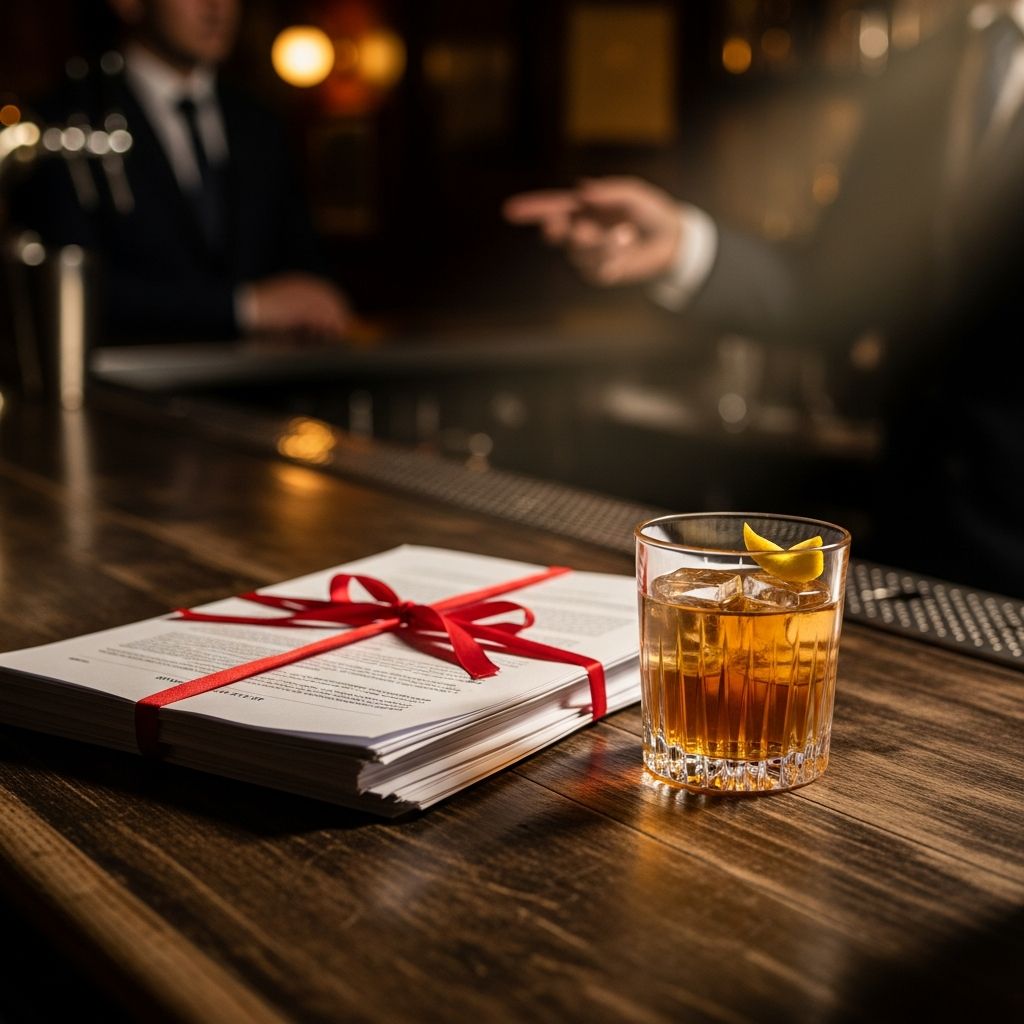
Connecticut maintains specific statutes to address accountability when alcohol service leads to harm. These regulations target commercial sellers and private hosts, aiming to deter overserving and promote public safety on roads and beyond. Central to this framework is the Dram Shop Act, alongside provisions for social host responsibility.
Foundations of Liquor Seller Responsibility
The core principle under Connecticut General Statutes § 30-102 holds that sellers of alcoholic beverages can face liability if they provide liquor to someone already intoxicated, and that individual subsequently causes injury or property damage. This applies to a range of licensed entities, from taverns and eateries to package stores and event venues with alcohol permits.
Liability emerges only under precise conditions: the recipient must exhibit clear signs of intoxication at the time of service, such as unsteady gait, slurred words, or impaired coordination. Mere blood alcohol readings, while supportive, do not suffice alone; observable behaviors are essential.
- Licensed Businesses Covered: Bars, restaurants, nightclubs, liquor retailers, gas stations with alcohol sales, and sports arenas.
- Key Trigger: Sale or furnishing to a visibly intoxicated patron aged 21 or older.
- Prohibited Additional Claims: No separate negligence suits allowed against sellers for adults; Dram Shop is the exclusive remedy.
Defining Intoxication and Server Obligations
Staff at alcohol-serving establishments must monitor patrons for intoxication indicators. Continuing to serve despite evident impairment—such as repeated drink orders amid stumbling or incoherent speech—can trigger liability. Courts demand proof of reckless or intentional disregard, elevating the standard beyond simple carelessness.
For instance, if a bartender ignores a customer’s repeated falls or vomited state yet pours more drinks, and that customer later collides with another vehicle, the establishment may owe compensation. Training programs emphasize cutoff policies, yet enforcement hinges on case-specific evidence like witness accounts, security footage, or staff admissions.
Damage Compensation Limits and Types
Successful claimants can pursue various losses, but totals are capped. Recoverable amounts include:
- Medical bills, both immediate and projected.
- Lost wages and diminished earning capacity.
- Pain, suffering, and emotional trauma.
- Property repairs or replacement.
- Reduced life quality impacts.
The statutory ceiling stands at $250,000 per injured person or aggregate across all victims in one event. This restriction underscores the Act’s balance between victim aid and business protection. Victims often pair Dram Shop pursuits with direct claims against the at-fault driver for fuller recovery.
| Damage Category | Examples | Cap Application |
|---|---|---|
| Economic | Hospital costs, lost pay | Included in $250K total |
| Non-Economic | Pain, distress | Included in $250K total |
| Property | Vehicle fixes | Included in $250K total |
Procedural Requirements for Claims
Timeliness is critical. Claimants must deliver written notice to the seller within 120 days of the incident—or 180 days if death or incapacity occurs. This document details the date, location, injuries, and intent to sue.
Lawsuits follow within one year from the injury date. Missing these windows bars recovery under the Act. Notices should be sent via certified mail for proof.
Essential Notice Elements
- Incident specifics (time, place).
- Injury description and extent.
- Claimant’s intent to litigate.
- Contact details for follow-up.
Social Host Accountability in Private Settings
Beyond commercial venues, Connecticut imposes duties on private individuals hosting gatherings. Social host liability targets those furnishing alcohol at home parties or events, particularly to minors or observably drunk guests who then harm others.
Hosts risk claims if they knowingly provide booze leading to off-site injuries, like a guest driving impaired after heavy backyard drinking. While less codified than Dram Shop, court precedents affirm host responsibility, especially involving underage service, which carries criminal penalties too.
- Common Scenarios: House parties, weddings, block events.
- High-Risk Actions: Serving teens or ignoring guest stupor.
- Defenses: Proof guest brought own supply or self-intoxicated elsewhere.
Building a Viable Case: Evidence Strategies
Proving liability demands robust documentation. Essential elements include:
- Confirmation of alcohol sale to intoxicated individual.
- Visible intoxication signs pre-service.
- Proximate causation linking service to harm.
Gather timestamps from receipts, surveillance videos, eyewitness testimonies, and toxicology reports. Expert reconstructions often clarify intoxication timelines. Legal counsel aids in subpoenaing records and deposing staff.
Challenges persist: servers may claim ignorance, or drivers assert prior drinking elsewhere. High proof thresholds—recklessness—necessitate skilled advocacy.
Real-World Applications and Case Insights
Courts apply these laws variably. In drunk driving crashes, if a patron shows bar-exit staggering yet gets served last rounds, vendors face scrutiny. Aggregated claims from multi-victim wrecks hit the cap swiftly.
Recent interpretations reaffirm the “last seller” rule, pinning primary fault on the final server, simplifying pursuits. Social host cases often hinge on invitation proofs and alcohol sourcing.
Navigating Claims: Practical Steps for Victims
Post-incident:
- Seek medical care and document all.
- Report to police for official records.
- Identify the serving site and preserve evidence.
- Consult attorneys specializing in these matters promptly.
Insurance interplay complicates payouts; Dram Shop often supplements driver policies. Negotiation or trial may follow notice.
Frequently Asked Questions
What establishments qualify under Dram Shop?
All state-licensed alcohol sellers, including bars, stores, and restaurants.
Can I sue for negligence separately?
No, for adults 21+; Dram Shop is exclusive.
What if the drunk person was underage?
Liability strengthens; additional penalties apply.
Does social host cover free backyard BBQs?
Yes, if knowingly overserving leads to harm.
How much notice time for death cases?
180 days.
Preventive Measures for Hosts and Businesses
To mitigate risks, implement:
- Staff training on intoxication cues.
- Strict ID checks and cutoff protocols.
- Guest monitoring at events.
- Alternative transport arrangements.
These steps not only shield against suits but enhance safety.
References
- Connecticut’s Dram Shop Act: Scope and limitations — Suisman Shapiro. 2023. https://www.suismanshapiro.com/blog/connecticuts-dram-shop-act-scope-and-limitations/
- Dram Shop Laws in Connecticut: What You Should Know — Kennedy Johnson. 2024. https://www.kennedyjohnson.com/blog/dram-shop-laws-in-connecticut/
- Dram Shop Laws in Connecticut — Jainchill & Beckert, LLC. 2024. https://www.jblawct.com/blog/dram-shop-laws-in-connecticut/
- Connecticut Dram Shop and Social Host Liability Laws — Nolo. 2024. https://www.nolo.com/legal-encyclopedia/dram-shop-laws-social-host-liability-alcohol-related-accidents-connecticut.html
- What Are the Dram Shop Laws in Connecticut? — Welcome Law Firm. 2023. https://welcomelawfirm.com/faqs/what-are-the-dram-shop-laws-in-connecticut/
- Connecticut General Statutes § 30-102 — Justia / State of Connecticut. 2024-10-01. https://law.justia.com/codes/connecticut/title-30/chapter-545/section-30-102/
- Connecticut Dram Shop Liability Lawyer — Bartlett Grippe. 2024. https://bartlettgrippe.com/connecticut-dram-shop-liability-lawyer/
Similar Articles








Read full bio of medha deb


