
Confronting Human Trafficking in Maryland
How Maryland investigates, prosecutes, and prevents human trafficking while supporting survivors across the state.
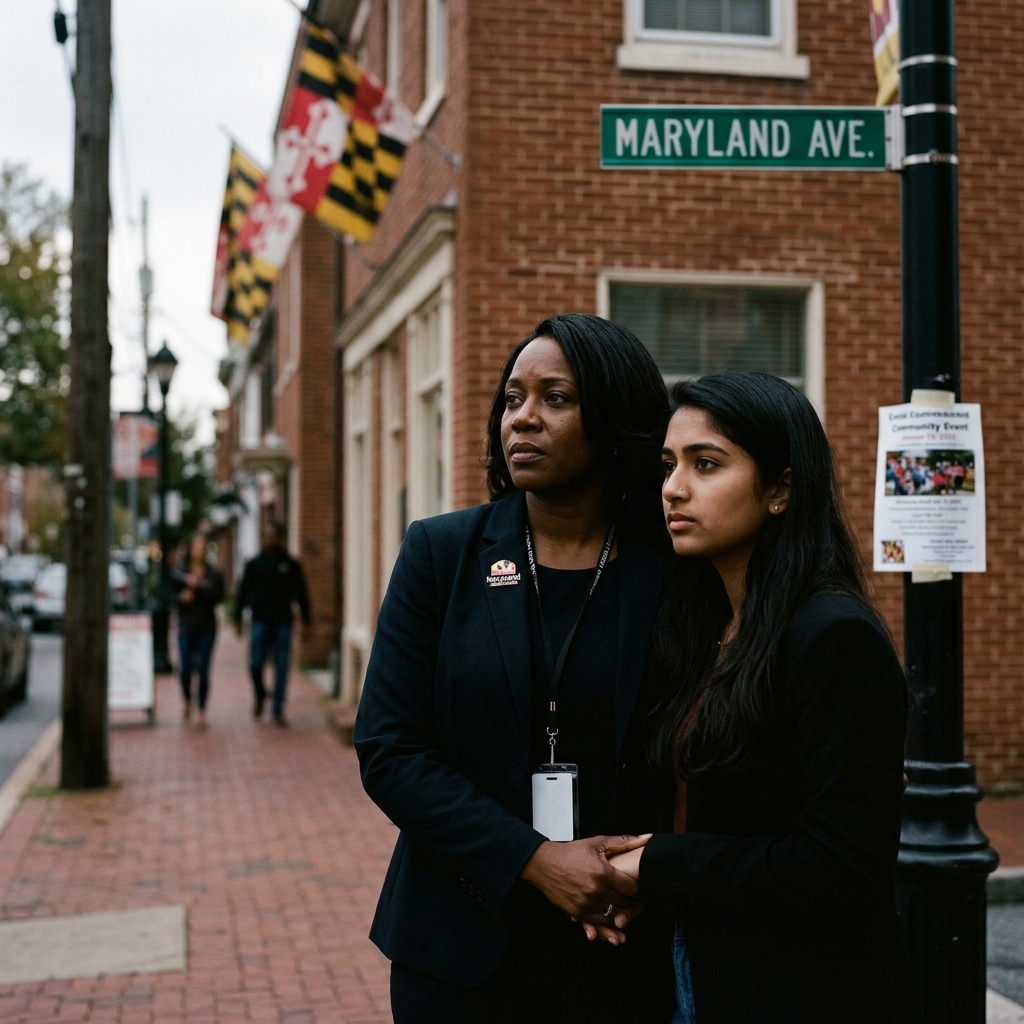
Human trafficking is a pervasive form of exploitation that affects communities across the United States, and Maryland is no exception. While trafficking can be hidden from public view, law enforcement agencies, prosecutors, service providers, and community members in Maryland are working together to identify victims, hold traffickers accountable, and prevent future abuse.
This article explains how human trafficking manifests in Maryland, the legal tools used to prosecute traffickers, the support available to survivors, and practical steps residents can take to recognize and report suspected trafficking.
Understanding Human Trafficking: Key Concepts
Human trafficking is broadly understood as the exploitation of another person through force, fraud, or coercion for labor or commercial sex. It is often described as a modern form of slavery because traffickers exert control over victims’ movement, finances, and daily life.
Forms of Trafficking Seen in Maryland
In Maryland, authorities encounter both sex and labor trafficking. These categories overlap, but they involve different forms of exploitation and may occur in distinct settings.
- Sex trafficking: Exploitation of individuals through commercial sex acts, such as prostitution, pornography, or escort services, when those acts are induced by force, fraud, or coercion, or when the person exploited is under 18 years old.
- Labor trafficking: Compelled labor or services in sectors such as agriculture, domestic work, construction, hospitality, or food service, where traffickers use threats, debt, document confiscation, or psychological manipulation to control victims.
Movement across borders is not required for trafficking to occur; a person can be trafficked within their own city, neighborhood, or even home.
Why Maryland Is Vulnerable
Maryland’s geography and infrastructure contribute to its vulnerability to trafficking. Baltimore and other urban centers are located along major interstate highways and near large ports, airports, hotels, and casinos, creating environments where traffickers can move victims and operate with some anonymity.
Multiple agencies note that trafficking affects both rural and urban parts of the state, and that no county is immune.
The Scope of Trafficking in Maryland
Although trafficking often remains underreported, available data show the scale of the problem. The National Human Trafficking Hotline has identified more than 2,000 trafficking cases connected to Maryland, involving over 3,500 victims since its inception.
These figures likely underestimate the true number of victims, as many people do not report their exploitation due to fear of retaliation, mistrust of authorities, or trauma-related barriers.
| Indicator | Details | Source |
|---|---|---|
| Identified cases | 2,010 trafficking cases involving Maryland | National Human Trafficking Hotline |
| Known victims | 3,589 victims associated with those cases | National Human Trafficking Hotline |
| Statewide impact | Crime affects all regions of Maryland, both urban and rural | Governor’s Office of Crime Prevention and Policy |
| Special initiatives | Dedicated statewide initiative for child and youth trafficking response | University of Maryland Human Trafficking Initiative |
The presence of multiple task forces and dedicated programs for children and youth reflects recognition that trafficking affects minors and adults, and that many victims have complex needs requiring coordinated responses.
How Maryland Law Addresses Human Trafficking
Federal and state laws provide tools to investigate and prosecute traffickers. In Maryland, prosecutors work closely with local, state, and federal law enforcement to build cases, identify victims, and connect survivors with services.
Core Legal Elements
Trafficking laws focus on the trafficker’s conduct and intent rather than on victims’ actions. Key elements include:
- Use of force, fraud, or coercion to obtain labor or commercial sex.
- Exploitation of minors in commercial sex, where proof of force, fraud, or coercion is not required; the minor’s age alone establishes the crime.
- Financial benefit from trafficking activities, which can implicate organizers, recruiters, or facilitators.
These legal standards allow prosecutors to charge traffickers even when victims are too frightened or traumatized to testify extensively, or when coercion is primarily psychological rather than physical.
Multi-Agency Collaboration
Maryland’s response relies on collaboration among agencies and organizations. The Maryland Human Trafficking Task Force brings together law enforcement, prosecutors, victim service providers, and advocates to coordinate investigations and share information.
Local collaborations, such as the Baltimore City Human Trafficking Collaborative, focus on city-level coordination and direct engagement with communities.[10]
Victim-Centered Services and Regional Navigators
Recognizing that trafficking survivors often need long-term support, Maryland has invested in trauma-informed, survivor-centered services that address safety, health, and stability.
Regional Navigator Program
In response to child trafficking, Maryland established a regional navigator program to ensure that every county has a designated point of contact for child sex and labor trafficking cases. Regional navigators coordinate services, assist with safety planning, and support multidisciplinary teams working with exploited children and youth.
- Each navigator covers a specific jurisdiction and connects victims with local resources.
- Navigators support law enforcement and child welfare agencies by facilitating referrals and case coordination.
- The program aims to standardize response so that children receive similar levels of protection regardless of where they live.
Comprehensive Care for Survivors
Beyond navigators, the University of Maryland SAFE Center and other organizations provide comprehensive services tailored to both sex and labor trafficking survivors.
Survivor services often include:
- Emergency and long-term housing to provide immediate safety and stability.
- Medical and mental health care, including trauma-informed therapy and substance use treatment.
- Legal assistance with immigration matters, criminal record relief, and family law issues.
- Case management to coordinate services and support survivors in rebuilding their lives.
- Economic empowerment such as job training, financial literacy, and support in finding safe employment.
These services reflect an understanding that trafficking survivors may face ongoing risks and need holistic support to recover from trauma.
Recognizing Possible Signs of Trafficking
Because traffickers often attempt to conceal their activities, community awareness is crucial. While not every sign indicates trafficking, certain patterns warrant attention and, when safe, a report to appropriate authorities.
Common Indicators
- A person is controlled by someone else who speaks for them, holds their identification, or insists on handling all finances.
- The individual cannot explain where they live, or their living conditions seem overcrowded, unsafe, or controlled by an employer.
- Evidence of coercion or threats, including fear of law enforcement, fear of deportation, or mention of debts they must “work off.”
- Minor engaged in commercial sex acts, or regularly appearing in locations known for exploitation, with older companions who control their movements.
- Limited freedom of movement, strict rules, and surveillance by traffickers or associates.
If a situation appears urgent or dangerous, contacting law enforcement or a national hotline is recommended rather than confronting suspected traffickers directly.
How to Report and Where to Get Help
Maryland residents have multiple options for seeking help or reporting suspected trafficking.
Emergency and Law Enforcement Contacts
- Local law enforcement: For immediate danger, call local police or emergency services.
- National Human Trafficking Hotline: Call 1-888-373-7888 or use TTY 711 for confidential, 24/7 assistance and referrals.
- BeFree Textline: Text HELP to 233733 (BEFREE) for confidential support.
- National Center for Missing & Exploited Children: Call 1-800-843-5678 to report concerns about missing or exploited minors.
These hotlines can help individuals assess the situation, connect to local service providers, and, when appropriate, involve law enforcement.
Statewide and Local Resources
Maryland maintains directories and resource lists for agencies and organizations involved in trafficking response. Official resources guide hospitals, social service agencies, and community groups in identifying victims and coordinating care.
Residents can also reach out to trusted community organizations—such as advocacy groups, shelters, or legal aid clinics—which may be part of local task forces focused on trafficking and victim assistance.[10]
Community Involvement in Prevention
Combating human trafficking requires more than enforcement; it demands community engagement and prevention efforts that address the vulnerabilities traffickers exploit.
Steps Individuals Can Take
- Learn about trafficking: Explore reputable information from government agencies and academic centers to understand how trafficking occurs and who is affected.
- Support survivor-centered organizations: Volunteer, donate, or partner with organizations that provide housing, legal aid, or trauma-informed care to survivors.
- Promote safe environments for youth: Encourage open communication, educate young people about online safety and exploitation, and support programs that provide mentorship and stable activities.
- Advocate for services: Engage with local officials to support funding and policies that strengthen victim services, education, and community-based prevention.
Informed and active communities can reduce opportunities for traffickers, increase the likelihood that victims are identified, and help ensure that survivors receive compassionate support.
Frequently Asked Questions (FAQ)
Is human trafficking the same as smuggling?
No. Smuggling involves transporting people across borders, usually with their consent, in violation of immigration laws. Human trafficking focuses on exploitation through force, fraud, or coercion, which can occur with or without cross-border movement and may happen entirely within one state or city.
Does trafficking only affect foreign nationals?
No. U.S. citizens and lawful residents can also be victims of both sex and labor trafficking. Data from national hotlines and state initiatives show that trafficking affects diverse populations, including American children and youth.
What should I do if I suspect someone is being trafficked?
If there is immediate danger, call local law enforcement or emergency services. For non-emergency concerns, contact the National Human Trafficking Hotline or BeFree Textline for guidance. Avoid confronting suspected traffickers directly, as this may increase risk for both the victim and yourself.
How are children treated under trafficking laws?
When a person under 18 is exploited for a commercial sex act, the law treats them as a victim of trafficking regardless of whether force, fraud, or coercion can be proven. In Maryland, specialized programs such as regional navigators and youth-focused initiatives help coordinate services and protection for child victims.
Can survivors access help without cooperating in a criminal case?
Yes. Many service providers and hotlines offer support regardless of whether a survivor chooses to report to law enforcement or participate in prosecution. Survivor-centered approaches prioritize safety, autonomy, and healing, while respecting individual choices.
References
- Maryland — National Human Trafficking Hotline. 2024-01-01. https://humantraffickinghotline.org/en/statistics/maryland
- Maryland Human Trafficking Task Force — Maryland Human Trafficking Task Force. 2023-06-01. https://www.mdhumantrafficking.org/
- Human Trafficking — Governor’s Office of Crime Prevention and Policy. 2023-09-01. https://gocpp.maryland.gov/victim-services/human-trafficking/
- Sex Trafficking — Maryland Coalition Against Sexual Assault. 2022-05-01. https://mcasa.org/Providers/Resources-on-Specific-Topics/Human-Sex-Trafficking
- Home — University of Maryland SAFE Center. 2023-04-01. https://umdsafecenter.org/
- Maryland Human Trafficking Initiative for Children & Youth — University of Maryland School of Social Work. 2023-02-01. https://www.ssw.umaryland.edu/pari/the-projects/maryland-human-trafficking-initiative-for-children–youth/
- Human Trafficking Collaborative — Baltimore City Mayor’s Office of Neighborhood Safety and Engagement. 2023-08-01. https://www.baltimorecity.gov/monse/victim-services/human-trafficking-collaborative
Similar Articles








Read full bio of medha deb




