
How to Deal with Complaints Against Municipal Police
Understand your options, the complaint process, and oversight bodies when you believe municipal police have acted improperly.
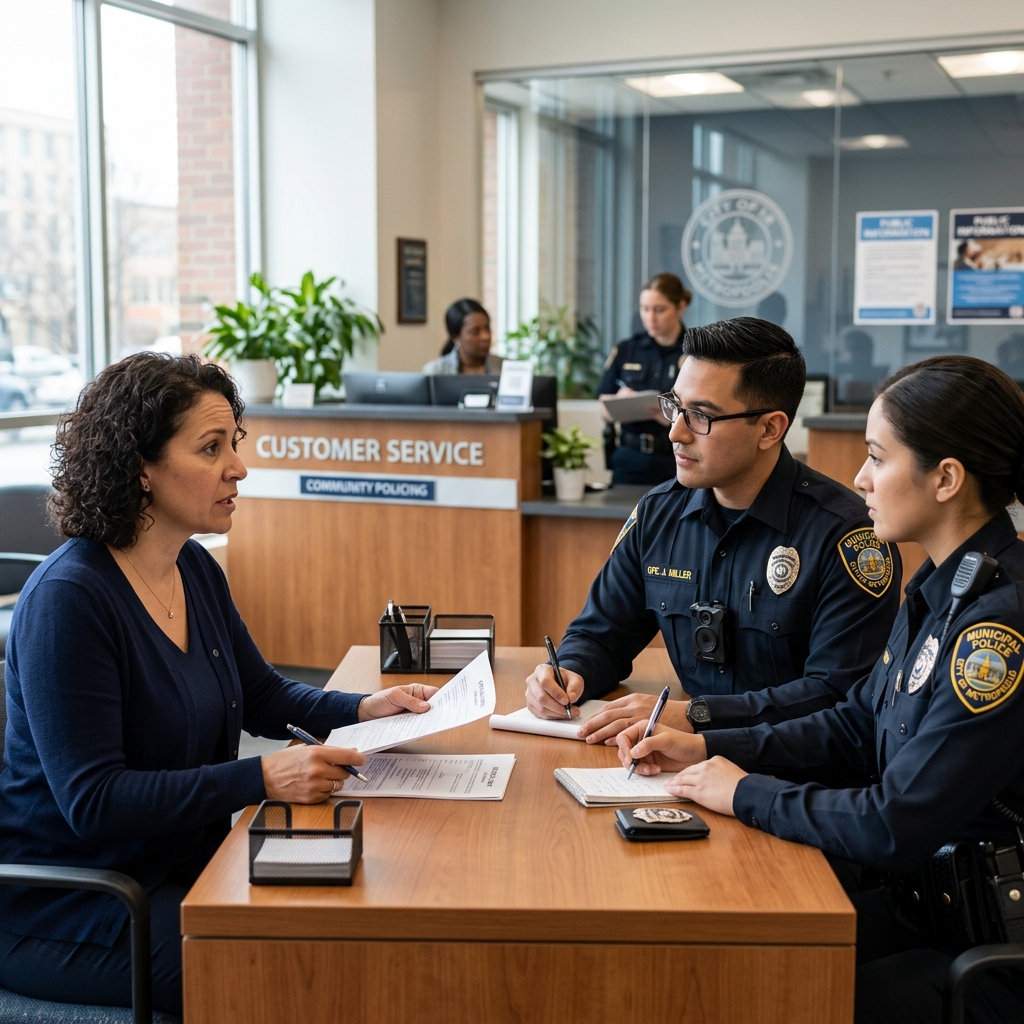
Interactions with municipal police are often routine, but sometimes people feel that an officer has acted unfairly, unlawfully, or abusively. In Canada, there are formal systems for making complaints about municipal police, as well as separate bodies for dealing with serious incidents and criminal conduct. These complaint pathways are designed to protect the public, promote accountability, and maintain trust in policing.
This guide explains how complaints against municipal police typically work, who oversees them, what to expect from the process, and what other legal options may be available if you believe your rights have been violated. While details vary by province and territory, the overall framework is similar across Canada.
Understanding Municipal Police and Oversight
In Canada, policing is delivered by a mix of municipal police services and the Royal Canadian Mounted Police (RCMP), depending on the province and local arrangements. Municipal police services are created under provincial legislation and are usually overseen by local police boards or commissions. Their conduct is regulated by provincial police acts and codes of professional conduct.
Most provinces have one or more civilian oversight agencies that deal with police complaints and serious incidents:
- Non-criminal misconduct oversight: Agencies that receive and review public complaints about officer behaviour that may violate professional standards but is not necessarily criminal.
- Serious incident oversight: Agencies that investigate police actions resulting in serious injury or death, or alleged criminal conduct.
Across Canada, there are more than twenty civilian oversight agencies. The majority deal with non-criminal complaints about misconduct, while a smaller number focus on serious incidents and criminal investigations. In some provinces there are separate bodies for municipal police and for the RCMP.
| Jurisdiction | Municipal Police Complaint Body | RCMP Complaints |
|---|---|---|
| British Columbia | Office of the Police Complaint Commissioner (OPCC) – municipal police misconduct. | Civilian Review and Complaints Commission (CRCC) for RCMP. |
| Ontario | Law Enforcement Complaints Agency (LECA) – public complaints about police conduct. | CRCC for RCMP, or provincial bodies for certain matters. |
| Prince Edward Island | Office of the Police Commissioner – complaints about municipal police conduct. | CRCC for RCMP. |
When Can You Complain About Municipal Police?
Public complaint systems are generally intended for situations where you believe an officer has breached professional standards or the law in the course of their duties. Examples commonly recognized by oversight bodies and legal clinics include:
- Excessive or unnecessary force during an arrest or detention.
- Unlawful or unreasonable searches of you, your vehicle, or your home.
- Profane, abusive, or disrespectful language used by an officer.
- Discriminatory conduct based on race, gender, disability, or other protected characteristics.
- Neglect of duty such as refusing to take a complaint, failing to respond appropriately, or ignoring obvious risks.
- Deceit or dishonesty like falsifying notes or misrepresenting facts.
You usually can complain if you were directly affected by the officer's conduct, if you witnessed it, or if you have reliable information about what happened. In some provinces, parents or guardians may bring complaints on behalf of minors or individuals who are not capable of managing the process themselves.
Who Can You Complain To?
There are several potential destinations for municipal police complaints, depending on the province and the nature of the issue:
- The municipal police service itself: Many services have professional standards or internal affairs units that receive complaints directly.
- Independent civilian complaint bodies: Such as BC's Office of the Police Complaint Commissioner or Ontario's Law Enforcement Complaints Agency.
- Provincial police commissioner or inspector general: In some jurisdictions complaints can be filed with a central oversight office.
- Specialized oversight agencies: For serious injury, death, or alleged criminal conduct, separate investigative units may be involved.
The appropriate body depends on whether the officer works for a municipal service or the RCMP. Complaints about RCMP officers are generally handled by the Civilian Review and Complaints Commission (CRCC) for the RCMP or, in some circumstances, provincial authorities. Municipal complaints, on the other hand, are usually governed by provincial police acts and processed through provincial oversight agencies or local complaint units.
Time Limits for Filing a Complaint
Most complaint systems have a fixed window of time in which you must act. Common patterns across Canada include:
- One-year limit: In several jurisdictions, public complaints must be made within one year of the incident.
- Twelve-month limit with possible extension: Some commissioners can extend the time limit if there are good reasons and it is not contrary to the public interest.
- Shorter limits: Certain agencies use shorter timelines, such as six months, but may allow late complaints where justified.
If you miss the deadline, you may still be able to file a complaint, but you will typically need to explain the delay in detail (for example, health issues, age, lack of information about the complaint system). In any case, acting promptly improves the chances that evidence and witness memories remain fresh.
Preparing Your Complaint
Whether you submit the complaint to the police service or an oversight agency, you will usually be asked to provide specific information. Provincial police commissioners list common requirements such as:
- Your full name and contact information.
- The name of the police service involved.
- Names or badge numbers of the officers, if known.
- The date, time, and location of the incident.
- A detailed description of what happened, including why you believe there was misconduct or a breach of professional standards.
Written complaints may need to be signed, particularly when filed with commissioners or central oversight bodies. Many agencies provide online forms, printable PDF forms, or guidance notes to help you organize the facts and explain the nature of the complaint.
You can often seek assistance in drafting your complaint. Legal clinics, advocacy organizations, or trusted representatives can help you prepare the submission or even act for you throughout the process.
How to File a Complaint: Common Methods
Oversight bodies and police services usually accept complaints through multiple channels to make the process accessible. Typical options include:
- Online: Completing and submitting a complaint form on an oversight agency or police service website.
- Email: Sending a written complaint or description of events to a designated complaints email address.
- Mail or fax: Printing and signing a complaint form, then mailing or faxing it to the agency.
- In person: Visiting a police detachment, headquarters, or oversight office to lodge a complaint.
- Telephone or voicemail: Calling an intake line or leaving a message with your contact details and the basic complaint.
Some municipal police services also offer front counter services where staff can provide information, complaint forms, and basic guidance on how to proceed. If you are unsure where to start, calling the oversight agency or checking its website is usually the fastest way to confirm the appropriate route.
What Happens After You File a Complaint?
Once your complaint is submitted, it typically goes through several stages. The terminology differs from province to province, but key steps appear repeatedly in police complaint frameworks:
1. Initial Screening and Admissibility
The oversight agency or police service first determines whether your complaint can be accepted. Common admissibility requirements include:
- The complaint falls within the agency's jurisdiction (for example, it concerns municipal police rather than RCMP officers).
- The conduct described meets the definition of misconduct under relevant police legislation or professional codes.
- The incident occurred within the permitted time frame (such as the last 12 months).
If the complaint is not admissible, the file may be closed. You should normally receive an explanation of why the complaint was rejected and, in some cases, information about other possible avenues (for example, human rights complaints or civil claims).
2. Informal Resolution or Mediation
Less serious complaints can sometimes be addressed through informal resolution or mediation. Oversight bodies may appoint facilitators or mediators to help the complainant and the police service reach a mutually acceptable outcome. This could involve:
- Clarification of what happened and why certain decisions were made.
- An apology or acknowledgement from the police service.
- Commitments to training or policy changes.
Informal processes are usually voluntary. If informal resolution fails or is not appropriate, the complaint may proceed to a formal investigation.
3. Formal Investigation
Where allegations are serious or complex, the complaint is typically investigated. Depending on the jurisdiction, investigators may be from:
- The municipal police professional standards unit.
- A dedicated investigations branch of the oversight agency.
- A separate serious incident or special investigations unit for matters involving injury, death, or possible criminal conduct.
Investigators gather evidence, interview witnesses, review documents, and assess whether professional standards were breached. At the end of the investigation, a decision is made about whether the complaint is substantiated (proven) or unsubstantiated (not proven).
4. Outcomes and Discipline
If misconduct is found, possible consequences for the officer can range from remedial actions to formal disciplinary measures, depending on the seriousness of the conduct and the applicable legislation. Examples include additional training, warnings, suspension, or, in extreme cases, dismissal. Serious cases involving alleged criminal behaviour may be referred for criminal investigation or prosecution.
Even if your complaint is not substantiated, the process may still highlight issues with policy, training, or communication. Oversight bodies can sometimes recommend systemic changes to reduce the risk of similar problems in future.
Review and Appeal Options
If you disagree with the outcome of your complaint, there may be options to request further review. Common pathways include:
- Requesting a review by a police complaint commissioner or similar authority: Some oversight bodies can appoint external reviewers, such as retired judges, to re-examine the case.
- Asking a complaints agency to review a decision by the local police service: For example, if the service finds a complaint unsubstantiated, you may request that the civilian agency review that conclusion.
- Judicial review: In certain provinces, if you remain dissatisfied after oversight reviews, you may be able to seek a judicial review in court of the administrative decisions.
These review requests usually have strict time limits, such as 30 days from the date of the decision. It is important to check the specific rules for your province and, if necessary, get legal advice quickly.
Other Legal Options Beyond Complaints
A public complaint is not the only way to respond to alleged police misconduct. Depending on the situation, other avenues may be open:
- Civil lawsuits: You may be able to sue the police or municipality for damages if you suffered harm due to unlawful conduct, such as wrongful arrest or excessive force.
- Human rights complaints: If you believe the police discriminated against you based on a protected ground, you can consider filing a complaint with a human rights tribunal or commission.
- Criminal charges: In rare cases, police actions may warrant criminal investigation or prosecution. Oversight bodies or prosecutors can decide whether charges should be pursued.
These paths are more complex than administrative complaints and often require legal representation. They also involve different standards of proof and procedures. Public complaint systems are generally focused on discipline and accountability, whereas lawsuits and criminal proceedings focus on remedies and liability.
Practical Tips for Navigating the Complaint Process
Because complaint systems can seem technical and intimidating, practical planning can make a significant difference. Consider the following tips before you file:
- Document events promptly: Write down what happened as soon as possible, including dates, times, locations, and exact words used. Note any witness names and contact information.
- Preserve evidence: Keep copies of medical records, photographs, video recordings, or other materials that support your account.
- Check which agency has jurisdiction: Confirm whether the officer was from a municipal police service or the RCMP, and identify the oversight body that handles complaints in your province.
- Review time limits: Identify the deadline for filing and plan to submit well before it expires.
- Seek advice if needed: Legal clinics and advocacy organizations often publish guides or provide direct assistance with police complaints.
Frequently Asked Questions (FAQs)
1. Do I need a lawyer to make a municipal police complaint?
No. Complaint systems are generally designed so people can file complaints on their own. Oversight agencies provide forms and guidance, and you are not required to have a lawyer. However, consulting a lawyer or legal clinic can be helpful, especially if you are considering additional steps such as a lawsuit or judicial review.
2. Can I complain if I only witnessed police misconduct?
Yes. Many oversight frameworks allow complaints from people who witnessed an incident or have reliable information about it, not only those directly affected. Check the rules in your province, but witnessing serious misconduct is typically enough to justify filing a complaint.
3. What if the officer works for the RCMP, not municipal police?
Complaints about RCMP members go through separate channels, usually the Civilian Review and Complaints Commission (CRCC) for the RCMP or designated provincial authorities. If you are unsure which service was involved, a local detachment or oversight body can clarify and direct you to the correct process.
4. What happens if my complaint is rejected as inadmissible?
If a complaint is ruled inadmissible because it is out of time, outside the agency's jurisdiction, or does not allege misconduct as defined by law, the file is normally closed. You should receive reasons for the decision. Depending on the issue, you may be able to pursue other avenues, such as human rights complaints or civil actions, and legal advice may help you assess next steps.
5. Will the officer know that I filed a complaint?
In most systems, the officer named in the complaint is informed during the process, particularly when an investigation is opened. The complaint procedure is not anonymous in the usual sense, because fairness requires that the officer be told what is alleged. However, oversight bodies take steps to protect complainants and handle information in accordance with privacy laws.
References
- Complaints Against the Municipal Police — Clicklaw Wikibooks. 2023-11-01. https://wiki.clicklaw.bc.ca/index.php/Complaints_Against_the_Municipal_Police
- Filing a Complaint — Surrey Police Service. 2023-07-10. https://www.surreypolice.ca/complaints
- Making a Complaint — Office of the Police Commissioner (PEI). 2022-06-15. http://www.policecommissioner.pe.ca/making-complaint
- Hot Topics – Police Complaints — Justice for Children and Youth. 2023-03-20. https://jfcy.org/en/rights/hot-topics-police-complaints/
- Making a public complaint against an RCMP member — Royal Canadian Mounted Police. 2023-09-01. https://rcmp.ca/en/making-public-complaint-against-rcmp-member
- Complaints — Law Enforcement Complaints Agency (Ontario). 2023-05-12. https://leca.ca/complaints/
- Canada – Information on Country Independent Police Complaints Bodies — Police Accountability Project. 2022-08-30. https://www.police-accountability-project.com/content/resources/complaints/canada/
Similar Articles








Read full bio of Sneha Tete




