
Common Workplace Injuries That May Qualify for Workers’ Compensation
Learn which on-the-job injuries often qualify for workers’ compensation, what benefits may be available, and how to protect your rights after a work-related incident.
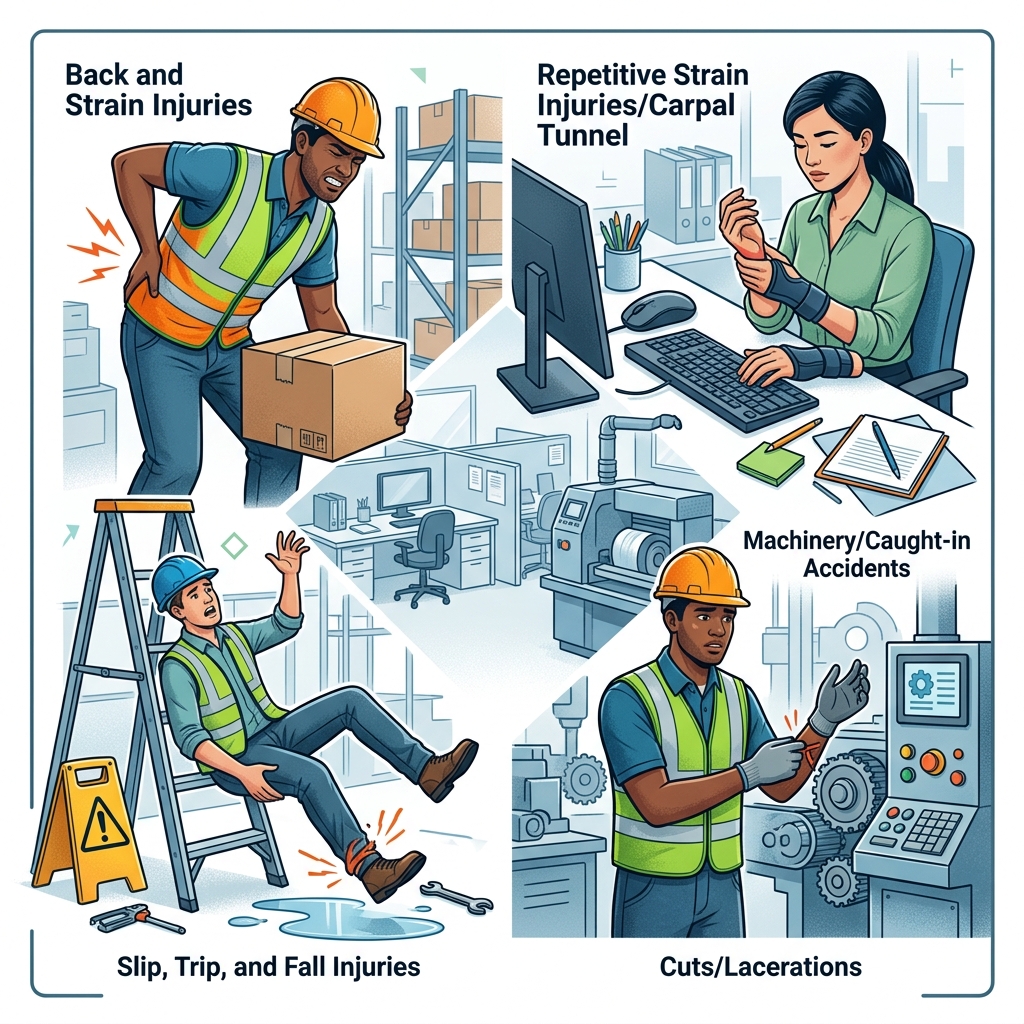
Millions of workers are hurt or become ill on the job every year, and many of these injuries may qualify for workers’ compensation benefits. Whether you work at a construction site, in a hospital, at a warehouse, or behind a computer, understanding which injuries are commonly covered can make a critical difference in your recovery and financial security.
This guide explains frequent types of workplace injuries, how they typically occur, what symptoms to watch for, and how they may be treated under workers’ compensation systems in the United States. It also outlines basic eligibility rules, common benefits, and practical tips to protect your claim after an incident at work.
How Workers’ Compensation Protects Injured Employees
Workers’ compensation is a no-fault insurance system designed to provide financial and medical support to employees who are injured or become ill because of their job. While each state has its own laws, the core goals are similar nationwide.
Key features of workers’ compensation
- No-fault coverage: Employees usually do not need to prove that the employer did something wrong; it is generally enough that the injury or illness is work-related.
- Limited employer liability: In exchange for providing workers’ compensation coverage, employers are typically protected from most personal injury lawsuits by employees over work injuries.
- Defined benefits: Laws usually specify the types and amounts of benefits available, including medical care and partial wage replacement.
Typical workers’ compensation benefits
- Medical treatment: Reasonable and necessary care related to the work injury, such as doctor visits, hospital stays, surgery, prescription medications, and physical therapy.
- Wage replacement: Partial replacement of lost wages if you are unable to work or your hours are reduced due to your injury or illness.
- Permanent disability benefits: Payments for lasting impairments that reduce your earning capacity.
- Vocational rehabilitation: Job retraining or placement services if you cannot return to your previous job because of work-related limitations.
- Death benefits: Payments to eligible dependents if an employee dies due to a work-related incident.
When Does a Workplace Injury Usually Qualify?
Not every health problem that occurs at or near work is covered. In general, workers’ compensation applies when there is a clear connection between your job and the injury or illness.
Basic eligibility criteria
- Covered employment: You must be an employee covered by workers’ compensation insurance. Independent contractors and some volunteers may not be covered, although rules vary by state.
- Work-related event: The injury or illness must arise out of and occur in the course of employment (often described as work-related). This can include incidents on the employer’s premises or at offsite locations where you perform job duties.
- Timely notice and claim: Most laws require that you notify your employer of an injury within a specified period and file a workers’ compensation claim within a statutory deadline.
Situations that may affect coverage
- Commuting: Injuries during your regular commute are often not covered, but exceptions may apply (for example, when traveling between job sites).
- Misconduct or intoxication: Benefits can be reduced or denied if the injury resulted from intoxication, intentional self-harm, or serious misconduct, depending on state law.
- Pre-existing conditions: If work activities significantly aggravate a pre-existing condition, the worsening may still qualify for benefits in many states.
Frequent Types of Workplace Injuries
Work-related harm can take many forms. Some are sudden accidents, while others develop gradually from repetitive tasks or prolonged exposure. The categories below reflect the injuries that most frequently lead to workers’ compensation claims.
1. Sprains, Strains, and Other Overexertion Injuries
Sprains involve stretched or torn ligaments, while strains affect muscles or tendons. These injuries are among the most common reasons workers file claims.
Typical causes include:
- Lifting or lowering heavy objects
- Sudden twisting or awkward movements
- Pushing or pulling heavy loads
- Repetitive reaching or bending
Workers in construction, warehousing, health care, manufacturing, and delivery work are especially vulnerable, but overexertion can affect employees in almost any role.
Common symptoms:
- Sharp or aching pain in the affected area
- Swelling and reduced range of motion
- Muscle spasms or weakness
Treatment can range from rest and physical therapy to surgery in severe cases. Workers’ compensation may cover medical care and partial wages if you need time off or modified duties.
2. Slips, Trips, and Falls
Slip, trip, and fall incidents are a leading cause of workplace injuries across industries. They can occur at ground level or from heights and may result in serious trauma.
Common hazards include:
- Wet or oily floors
- Loose rugs or damaged flooring
- Cluttered walkways or cables
- Unmarked changes in floor level
- Unprotected edges, missing guardrails, or unstable ladders
Possible injuries:
- Fractures of the wrist, ankle, hip, or other bones
- Head injuries, including concussions or traumatic brain injuries
- Back and spinal cord injuries
- Soft tissue injuries such as bruises and strains
Because falls can result in long recovery times and high medical costs, they are often a major source of lost-time claims and significant workers’ compensation expenses.
3. Cuts, Lacerations, and Puncture Wounds
Lacerations (deep cuts) and puncture wounds occur frequently in industries that use tools, machinery, or sharp materials, such as construction, manufacturing, food service, and maintenance.
Common causes:
- Handling knives, box cutters, or sharp tools without proper guards
- Contact with exposed metal, glass, or machine parts
- Malfunctioning equipment or lack of machine guarding
- Failure to use appropriate hand protection
Even seemingly minor cuts may require professional medical care to prevent infection, repair damaged tissue, or address scarring. In more severe cases, surgery or long-term therapy may be needed, especially if nerves or tendons are involved.
4. Fractures and Impact Injuries
Fractures and other impact injuries often result from accidents involving heavy equipment, falling objects, collisions with stationary objects, or motor vehicle crashes.
Examples include:
- Being struck by tools or materials falling from height
- Getting pinned between machinery and a wall or other surface
- Vehicle or forklift accidents on job sites or roadways
- Crush injuries from equipment malfunctions
Consequences range from simple fractures that heal with casting to complex breaks that require surgery, hardware, and extensive rehabilitation. Claims involving motor vehicle crashes are among the costliest types of workers’ compensation cases due to the severity of injuries and needed treatment.
5. Burns and Thermal Injuries
Burns can be caused by heat, chemicals, electricity, or radiation. Workers in food service, manufacturing, laboratories, utilities, and construction are particularly at risk.
Types of work-related burns:
- Thermal burns: From hot surfaces, steam, flames, or boiling liquids.
- Chemical burns: From contact with corrosive substances such as acids or strong cleaning agents.
- Electrical burns: From contact with live electrical circuits or equipment.
Burns may require intensive care, skin grafts, and long-term treatment for scarring and loss of function. Psychological effects, such as anxiety or depression after a severe burn, may also be part of a claim.
6. Repetitive Stress and Cumulative Trauma Conditions
Not all injuries are caused by single accidents. Repetitive stress injuries (RSIs) and other cumulative trauma conditions develop gradually from repeated motions or prolonged postures.
Typical examples:
- Carpal tunnel syndrome from intensive keyboard or assembly-line work
- Tendonitis in the wrist, elbow, or shoulder
- Chronic back pain from repetitive lifting or awkward bending
- Degenerative joint problems in knees or hips from frequent squatting or standing
Because these conditions accumulate slowly, documenting their connection to your job can be more complex than with a single accident. Medical records, job descriptions, ergonomic assessments, and expert opinions often play an important role in establishing work-relatedness.
7. Occupational Illnesses and Exposure-Related Conditions
Work environments sometimes expose employees to harmful substances or conditions that cause long-term health problems. These occupational diseases may be compensable when there is a clear link to job duties.
Examples include:
- Respiratory illnesses from inhaling dust, fumes, or chemicals
- Skin conditions caused by repeated contact with irritants or allergens
- Hearing loss from prolonged exposure to loud noise
- Some cancers associated with specific workplace exposures
Because symptoms may appear years after exposure, legal deadlines and proof requirements can be complicated. Government and medical guidelines often help determine whether an illness is recognized as work-related in a particular industry.
8. Mental Health and Psychological Injuries
In some circumstances, psychological or mental health conditions related to work may be covered under workers’ compensation. While eligibility rules vary widely by state, mental injuries are increasingly recognized as significant workplace issues.
Potential work-related mental health conditions:
- Post-traumatic stress disorder (PTSD) after a serious workplace accident or violent incident
- Anxiety or depression associated with a work-related physical injury
- Stress-related conditions caused by exposure to traumatic events in the course of employment
Some jurisdictions require a physical injury in addition to psychological trauma, while others allow mental-mental claims (mental injury without physical harm) under certain conditions. Because the law in this area is complex and highly state-specific, employees often benefit from legal advice when pursuing mental health claims.
Comparing Common Workplace Injuries
| Injury Type | Typical Cause | Commonly Affected Workers | Potential Impact |
|---|---|---|---|
| Sprains and strains | Lifting, overexertion, awkward movements | Construction, health care, warehousing, manufacturing | Temporary or chronic pain, reduced mobility, lost time from work |
| Slips, trips, and falls | Wet floors, uneven surfaces, poor housekeeping, working at heights | All industries, especially construction and service jobs | Fractures, head injuries, back injuries, long recovery periods |
| Cuts and lacerations | Sharp tools, machines, glass, lack of guards or PPE | Construction, manufacturing, food service, maintenance | Scarring, nerve damage, infection, time off for wound care |
| Fractures/impact injuries | Falling objects, collisions, vehicle accidents | Drivers, equipment operators, construction, warehouse workers | Complex fractures, surgeries, high medical costs, long-term disability |
| Repetitive stress injuries | Repetitive motions, poor ergonomics, prolonged static postures | Office workers, assembly-line workers, health care staff | Chronic pain, decreased dexterity, need for job modification |
| Occupational illnesses | Exposure to chemicals, dust, noise, or other hazards | Industrial, agricultural, manufacturing, and lab workers | Long-term health issues, potential permanent disability |
Steps to Take After a Work-Related Injury or Illness
Your actions in the minutes, hours, and days after a work injury can significantly influence your health and your workers’ compensation claim.
1. Get immediate medical care
- Call emergency services or go to the nearest emergency department for serious or life-threatening injuries.
- For non-emergency injuries, follow your employer’s instructions about designated medical providers, if applicable in your state.
- Be sure to tell the medical provider that your condition is work-related so it is documented appropriately.
2. Report the injury to your employer
- Notify a supervisor or manager as soon as possible, preferably in writing.
- Provide key details such as the date, time, location, and how the injury occurred.
- Many states have strict deadlines for reporting work injuries; missing them can affect your eligibility for benefits.
3. Document the incident and your symptoms
- Write down what happened while your memory is still fresh.
- Collect names of witnesses and, if possible, photographs of the area where the incident occurred.
- Keep copies of all medical records, bills, and receipts related to your injury.
4. Follow through with treatment and restrictions
- Attend all medical appointments and follow the provider’s instructions closely.
- Inform your employer about any work restrictions or limitations your doctor prescribes.
- Do not return to full duty before you are medically cleared, as doing so may worsen your condition.
5. File a workers’ compensation claim
- Your employer or its insurer should provide the necessary forms to start your claim.
- Ensure all sections are completed accurately and returned on time.
- If you encounter delays, denials, or confusion, consider contacting your state workers’ compensation board or seeking legal advice.
Frequently Asked Questions About Work Injuries and Benefits
Does every work-related injury automatically qualify for workers’ compensation?
No. The injury or illness generally must arise out of and in the course of employment, you must be a covered employee, and you must meet state reporting and filing deadlines. Some injuries may be excluded, such as those caused mainly by intoxication or intentional self-harm, depending on state law.
Can I receive benefits if my own mistake caused the injury?
Often yes. Workers’ compensation is a no-fault system, meaning employees usually do not need to prove employer negligence, nor are they disqualified simply because they made an error. However, serious misconduct or rule violations may affect coverage in some states.
What if my symptoms appeared gradually rather than from a single accident?
Gradual injuries—such as repetitive stress conditions or occupational illnesses—may still qualify if medical evidence shows a strong connection to your job duties. Because these cases can be more complex, documenting your work tasks and medical history is especially important.
How long can I receive wage replacement benefits?
The duration of wage replacement benefits depends on your state’s laws, the severity of your injury, and whether you have any permanent disability. Some states limit temporary benefits to a set number of weeks, while permanent partial or total disability benefits may continue longer, often subject to statutory caps.
Do I need a lawyer to file a workers’ compensation claim?
Legal representation is not always required, but it can be helpful if your claim is denied, if there is a dispute about the extent of your disability, or if your case involves complex issues such as occupational disease or psychological injury. Consultation with a knowledgeable workers’ compensation attorney can help you understand your rights and options.
Key Takeaways for Injured Workers
- Common workplace injuries include sprains and strains, slips and falls, cuts, fractures, burns, repetitive stress conditions, occupational illnesses, and work-related mental health conditions.
- Workers’ compensation can provide medical care, partial wage replacement, vocational rehabilitation, and other benefits when a qualifying work-related injury or illness occurs.
- Timely reporting, thorough documentation, and consistent medical treatment are critical to protecting your health and your claim.
- Because laws vary significantly by state and case complexity, consider seeking professional guidance if your injury is severe, long-lasting, or disputed.
References
- Workers’ Compensation — U.S. Department of Labor, Office of Workers’ Compensation Programs. 2024-01-01. https://www.dol.gov/general/topic/workcomp
- What Types of Injuries Are Covered Under Workers’ Compensation? — Tim Welborn & Associates. 2023-05-01. https://timwelborn.com/blog/what-types-of-injuries-are-covered-under-workers-compensation
- Common Types of Workers’ Compensation Injuries — Advantage Healthcare Systems. 2023-03-15. https://advantagehcs.com/common-types-of-workers-compensation-injuries/
- What Are the Most Common Workplace Injuries That Qualify for Workers’ Compensation? — Webster & Carlton. 2024-04-10. https://www.webstercarlton.com/blog/2024/april/what-are-the-most-common-workplace-injuries-that/
- What To Do After an Employee Injury at Work — The Hartford. 2023-02-20. https://www.thehartford.com/workers-compensation/injury-at-work
- Workers’ Compensation Costs — National Safety Council, Injury Facts. 2024-02-01. https://injuryfacts.nsc.org/work/costs/workers-compensation-costs/
- 7 Common Workers Compensation Claim Injuries — EMPLOYERS. 2019-08-01. https://www.employers.com/blog/2019/7-common-workers-compensation-claim-injuries/
Similar Articles








Read full bio of medha deb




