
Child Sex Tourism and U.S. Law: A Deep Dive
How U.S. law reaches beyond borders to prosecute child sex tourism and protect vulnerable children worldwide.
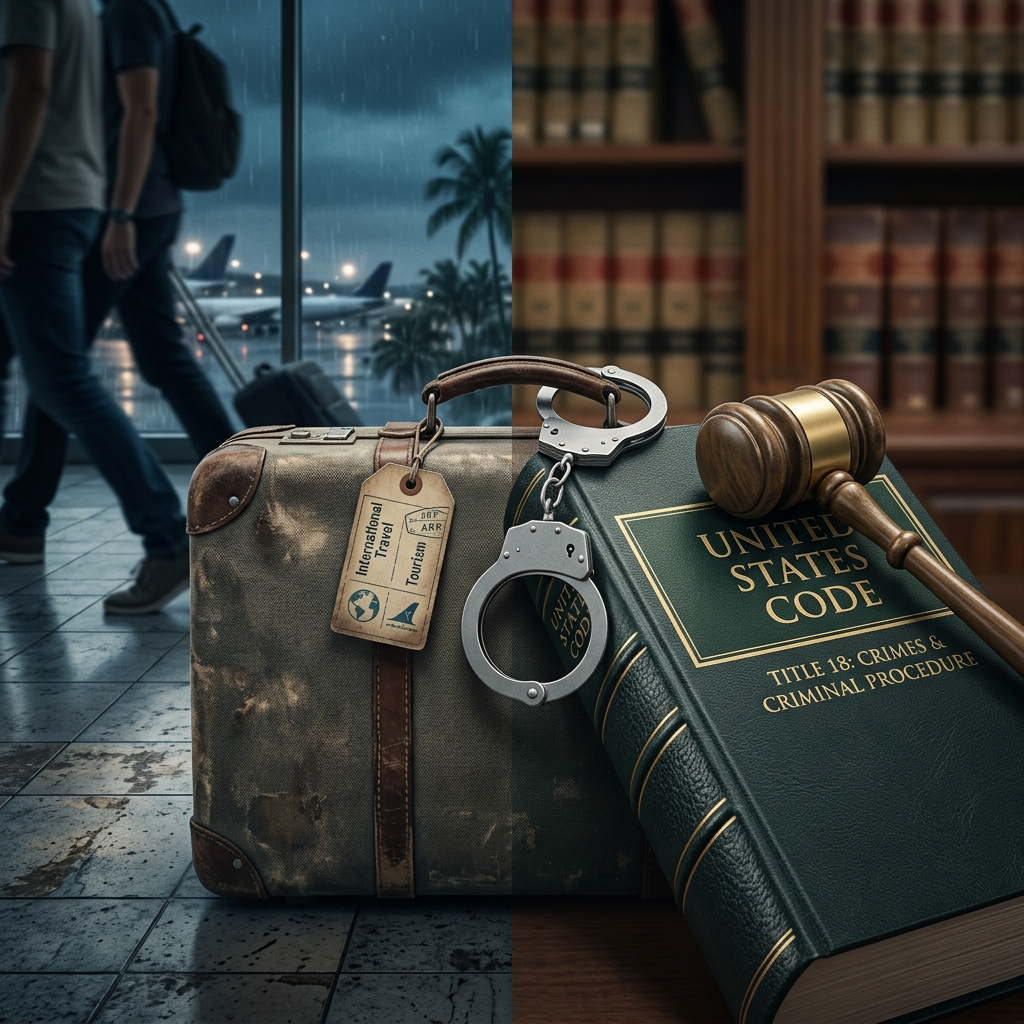
Child sex tourism is one of the most disturbing forms of exploitation in the modern world, involving adults who travel abroad to sexually abuse minors. Federal statutes in the United States explicitly criminalize this behavior and allow prosecutors to bring charges even when the abuse occurs thousands of miles from American soil. This article explains what child sex tourism is, how U.S. law reaches overseas, what penalties offenders face, and how governments and individuals can help combat this crime.
Understanding Sex Tourism and Its Child Dimension
Sex tourism generally refers to travel undertaken primarily to engage in sexual activity, often with commercial sex workers in a destination country. While many discussions focus on adult prostitution, a significant and particularly harmful subset involves children.
Key characteristics of sex tourism include:
- Travel primarily motivated by access to sexual services.
- Reliance on local sex markets, often in countries with economic inequality or weak law enforcement.
- Use of intermediaries, such as guides, hotels, or tour operators, that connect travelers with sex workers.
Child sex tourism involves traveling to another country and engaging in sexual activities with a person under 18, regardless of that country’s local age of consent or prostitution laws. It is universally condemned and formally illegal everywhere, even though enforcement can be uneven.
Why Child Sex Tourism Flourishes in Certain Destinations
Child sex tourism does not occur randomly; it tends to concentrate in locations where economic, legal, and social conditions make children more vulnerable to exploitation.
Important risk factors include:
- Economic inequality: Large gaps between wealthy tourists and impoverished local populations can incentivize families or intermediaries to push children into sex markets.
- Weak child protection systems: Limited social services, insufficient shelters, or lack of specialized police units leave victims with few avenues for protection.
- Corruption and poor enforcement: Even where child prostitution is illegal, corruption or low resources can prevent consistent enforcement.
- Tourism-based economies: Areas heavily dependent on foreign tourism may tolerate exploitative industries that cater to visitors.
- Demand from foreign travelers: Persistent demand from visiting offenders fuels organized networks that recruit and traffic children.
Countries across Latin America, Southeast Asia, and parts of Africa and Eastern Europe have been identified as destinations where child sex tourism can occur, though no region is immune. Efforts to address the problem therefore require both local reforms and international cooperation.
U.S. Federal Law: Extraterritorial Reach Against Child Sex Tourism
U.S. law treats child sex tourism as a serious crime and extends jurisdiction beyond national boundaries. This extraterritorial approach allows federal authorities to prosecute American citizens and residents for sexual abuse of minors committed abroad.
Core Legal Framework
Several federal provisions, including the PROTECT Act of 2003, define and punish extraterritorial sexual exploitation of children.
| Legal Aspect | Key Features |
|---|---|
| Who is covered? | U.S. citizens and U.S. residents who travel abroad or between states. |
| Protected age group | Children under 18 years of age, regardless of the local age of consent in the destination country. |
| Prohibited conduct | Any sexual or pornographic activity with a minor, and travel with intent to engage in illicit sexual conduct. |
| Penalties | Substantial fines and prison sentences that can reach up to 30 years in severe cases. |
| Facilitators | Individuals or businesses that arrange travel knowing it is for illicit sexual conduct with minors can also be prosecuted. |
The PROTECT Act and Related Measures
The PROTECT Act strengthened the U.S. government’s ability to investigate and punish child sex tourism. It expanded jurisdiction to acts committed abroad, increased maximum sentences, and reduced the burden on prosecutors to prove that travel was undertaken with specific intent in certain contexts.
Earlier legislative efforts, such as bills passed in the early 2000s, focused on closing loopholes by allowing prosecution even when offenders claimed that abuse was not preplanned. Under current law, it is enough to show that a U.S. citizen traveled and then engaged in illicit sexual conduct with a minor abroad, regardless of the original reason for the trip.
Intent, Conduct, and Common Defenses
Understanding how intent is evaluated is crucial, because many defendants argue that they did not travel specifically to abuse children.
Intent to Travel vs. Conduct Abroad
Federal statutes distinguish between:
- Travel with intent: Criminalizing trips where the purpose is to engage in illicit sexual conduct with a minor.
- Illicit conduct after travel: Allowing prosecution based on the actual sexual activity with a minor, even if the traveler claims not to have planned it in advance.
This dual structure ensures that both premeditated child sex tourism and opportunistic abuse abroad are covered. According to U.S. authorities, the reason for travel “makes no difference under the law” once illicit sexual conduct with a minor occurs.
Common Defense Arguments and Legal Response
Defendants often raise several arguments that courts have consistently rejected:
- “Local law allows it.” U.S. law defines a minor as anyone under 18, and federal prohibitions apply worldwide, even if local laws are more permissive.
- “I did not know their age.” Alleged ignorance of the victim’s age rarely shields offenders, particularly where circumstances clearly indicate exploitation or youth.
- “I did not intend to engage in sex with a minor.” Current statutes allow prosecutors to focus on the conduct, not just the initial travel purpose.
- “I was only a client, not a trafficker.” Child sex tourism is treated as a form of human trafficking, and demand from clients is recognized as a driving force.
Penalties and Long-Term Consequences
Child sex tourism offenses carry severe penalties reflecting the gravity of the conduct and the lasting harm to victims.
Criminal Sentences
Depending on the specific statute and facts, convicted offenders may face:
- Imprisonment: Prison terms ranging from several years up to 30 years for serious offenses involving minors.
- Fines: Significant fines that can reach hundreds of thousands of dollars.
- Supervised release: Long periods of supervision following custody, often with strict restrictions on contact with minors and on travel.
Collateral Consequences
Beyond formal sentencing, offenders commonly face additional repercussions:
- Sex offender registration: Many convictions require registration, which can affect housing, employment, and freedom of movement.
- Immigration and travel limits: Future travel abroad can be restricted or scrutinized, and some countries may deny entry to registered offenders.
- Professional and social impact: Loss of professional licenses, reputational damage, and severe strain on family relationships.
Public Health and Human Rights Dimensions
Child sex tourism is simultaneously a criminal law issue, a human rights violation, and a public health concern. It intersects with broader problems such as human trafficking, sexually transmitted infections (STIs), and psychological trauma.
From a health perspective, agencies like the U.S. Centers for Disease Control and Prevention (CDC) warn that sex tourism can increase the spread of STIs, including HIV, particularly where condom use is inconsistent. When minors are involved, the health consequences are even more severe due to their physical and emotional vulnerability.
From a human rights standpoint, international instruments and national laws recognize children’s rights to safety, dignity, and development. Child sex tourism violates these rights by commodifying minors and exposing them to violence and coercion.
Global and U.S. Efforts to Combat Child Sex Tourism
Governments, NGOs, and multilateral organizations have implemented various strategies to combat child sex tourism and related trafficking.
Legal and Policy Strategies
Key measures include:
- Extraterritorial criminal laws: Statutes like the PROTECT Act allow prosecution of citizens for crimes committed abroad.
- Targeting facilitators: Laws that criminalize tour operators or others who knowingly arrange trips for child sex tourism.
- Cooperation and extradition: Bilateral and multilateral agreements that support investigation, evidence sharing, and extradition of suspects.
- Child protection reforms: Strengthening social services, shelters, and specialized police units in destination countries.
Reporting and Hotlines
U.S. authorities encourage reporting suspected child sexual exploitation, even when it occurs overseas. Travelers and service providers can use resources such as:
- Homeland Security Investigations tip lines and smartphone applications.
- The National Center for Missing & Exploited Children’s CyberTipline.
- National human trafficking hotlines operated by federal and partner agencies.
These mechanisms allow anonymous reporting and are designed to connect information to investigators as quickly as possible.
Prevention: What Travelers and Companies Must Avoid
Preventing child sex tourism is not limited to law enforcement. Ordinary travelers and businesses also play an important role in reducing demand and identifying risk situations.
Guidelines for Travelers
Travelers should observe the following principles:
- Never engage in sexual activity with anyone under 18. U.S. law applies worldwide and does not defer to lower local age limits.
- Avoid organized “sex tours.” Be wary of any travel service that promotes sexual encounters or advertises access to young-looking partners.
- Recognize signs of trafficking: Children who appear controlled by handlers, show fear, or cannot speak freely may be victims.
- Report suspected exploitation: Use official hotlines or contact local authorities when safe to do so.
Responsibilities of Tourism Businesses
Hotels, airlines, tour agencies, and other businesses operating in tourism hubs can support prevention by:
- Refusing to participate in or advertise sex-related tours.
- Training staff to identify potential exploitation situations involving children.
- Developing policies to cooperate with law enforcement when abuse is suspected.
- Aligning corporate practices with international codes of conduct on child protection.
Frequently Asked Questions (FAQs)
Is sex tourism always illegal under U.S. law?
Not all adult sexual activity abroad is criminal, but sex tourism becomes a serious offense when minors are involved, when trafficking is present, or when other coercive factors exist. U.S. law explicitly makes it a crime for citizens and residents to engage in sexual conduct with anyone under 18 anywhere in the world and to travel abroad for the purpose of abusing minors.
What if the local age of consent is lower than 18?
U.S. federal law defines minors for these offenses as persons younger than 18. This definition applies regardless of the destination country’s age of consent or legality of prostitution. A traveler cannot escape U.S. prosecution by relying on more permissive local laws.
Can tour operators be prosecuted?
Yes. Federal statutes make it a crime for tour operators or other intermediaries to knowingly arrange or facilitate travel for clients who intend to engage in illicit sexual conduct with minors. Operators can face substantial penalties if they participate in organizing child sex tourism.
How serious are the penalties for child sex tourism?
Penalties can be extremely severe. Offenders may face long prison sentences that can reach up to 30 years, along with heavy fines, supervised release, and mandatory sex offender registration. Courts typically treat these offenses as among the most serious in federal criminal law.
How can someone report suspected child sex tourism?
Reports can be made through federal hotlines, specialized smartphone apps, and online forms provided by agencies such as Homeland Security Investigations and the National Center for Missing & Exploited Children. These mechanisms allow tips to be submitted anonymously and are intended to trigger rapid investigation when children are at risk.
References
- Extraterritorial Sexual Exploitation of Children — U.S. Department of Justice. 2023-01-10. https://www.justice.gov/criminal/criminal-ceos/extraterritorial-sexual-exploitation-children
- Sex Tourism | Travelers’ Health — Centers for Disease Control and Prevention. 2023-08-01. https://wwwnc.cdc.gov/travel/page/sex-tourism
- House Outlaws Sex Tourism — Women’s Congressional Policy Institute. 2002-06-26. https://www.wcpinst.org/source/house-outlaws-sex-tourism/
- Sex Tourism — EBSCO Research Starters. 2019-05-01. https://www.ebsco.com/research-starters/sports-and-leisure/sex-tourism
- Child sex tourism: Extending the borders of sexual offender legislation — Carr, J. Child Abuse Review (via ScienceDirect). 2011-07-01. https://www.sciencedirect.com/science/article/abs/pii/S0160252711000185
Similar Articles








Read full bio of Sneha Tete




