
Child Endangerment: Misdemeanor or Felony?
Understand how child endangerment is defined, charged, and punished as either a misdemeanor or felony in the United States.
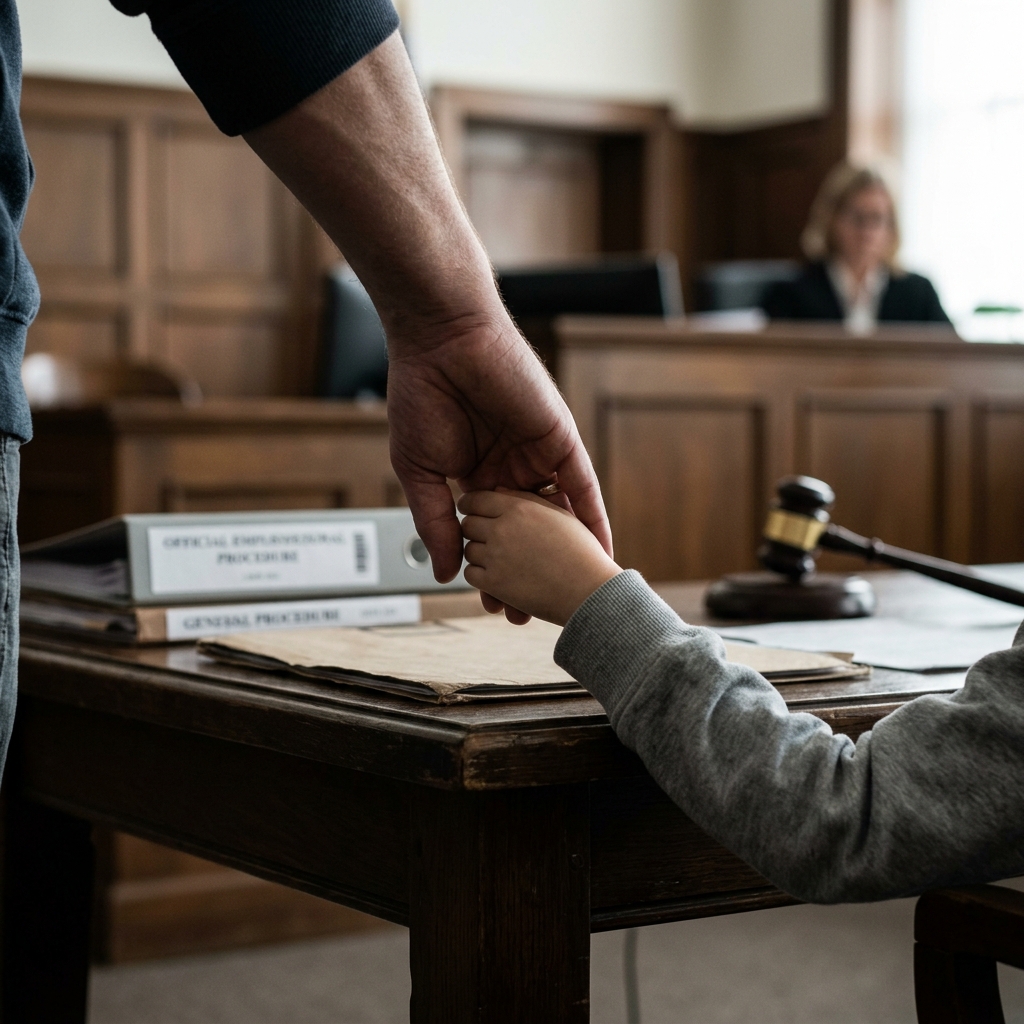
In every U.S. state, child endangerment is a crime that can be charged as either a misdemeanor or a felony, depending on the facts of the case and the wording of state law. Although details differ from one jurisdiction to another, the core idea is the same: adults responsible for children must not place them in situations that create an unreasonable risk of harm.
This guide explains how child endangerment is defined, what conduct can lead to charges, why the same conduct might be treated as a misdemeanor in one scenario and as a felony in another, and what penalties and defenses are commonly involved.
What Is Child Endangerment?
Child endangerment generally refers to placing a minor in a situation that threatens the child’s life, health, or well-being, even if the child is never actually hurt. Most statutes focus on the risk of harm rather than requiring proof that injury occurred.
Although the exact language varies by state, common elements include:
- A child below a specified age (often 16, 17, or 18)
- A person with some duty of care (such as a parent, guardian, or caregiver)
- Conduct that knowingly, recklessly, or negligently exposes the child to danger
- A risk of physical, mental, or emotional harm
Some states treat child endangerment as a separate offense; others fold it into broader child abuse or child neglect laws. Regardless of label, the legal focus is on conduct that creates an unreasonable risk to a child’s safety.
Who Can Be Charged?
Most child endangerment statutes apply to adults who have a duty to protect the child. That typically includes:
- Parents
- Legal guardians
- Foster parents
- Relatives who assume caregiving responsibilities
- Childcare workers, teachers, and babysitters
In some circumstances, other adults who create a dangerous situation for a child (for example, a driver with children in the car) can also face child endangerment charges, even if they are not the child’s parent.
How Laws Define the Required Mental State
To convict someone, prosecutors generally must show that the defendant acted with a certain mental state. Common standards include:
- Intentional: acting with the purpose of causing the dangerous situation.
- Knowing: being aware that conduct will place the child in danger.
- Reckless: consciously disregarding a substantial and unjustifiable risk.
- Criminally negligent: failing to perceive a substantial risk that a reasonable person would recognize.
Many statutes do not require proof that the caregiver wanted the child to be harmed. Instead, courts often apply a “reasonable person” standard and ask whether a typical adult in the same situation would have recognized the danger.
Risk vs. Actual Harm
A key feature of child endangerment law is that risk alone can be enough. The child does not have to suffer an injury for charges to be brought. For example, driving impaired with a child in the car or leaving a young child alone near traffic can be criminal even if nothing bad happens.
At the same time, many states increase the severity of the charge when actual injury occurs or when the risk is particularly serious. For instance, Texas law treats placing a child in imminent danger of death or serious bodily injury as a felony, even if harm does not occur. If serious injury does result, the charge can be elevated further.
Misdemeanor vs. Felony: How States Draw the Line
Child endangerment is typically divided into misdemeanor and felony levels, often layered in several degrees or classes. While terminology differs, several recurring factors influence how a case is charged:
- Level of risk: minor, moderate, or substantial risk of harm or death.
- Type of harm: risk of bodily injury, serious bodily injury, mental or emotional harm.
- Actual injury: whether the child was physically injured or suffered serious harm.
- Duration and pattern: isolated incident vs. prolonged or repeated conduct.
- Defendant’s intent: negligent vs. reckless vs. intentional conduct.
- Prior history: repeat offenses and prior child-related convictions.
| Factor | Misdemeanor Trend | Felony Trend |
|---|---|---|
| Risk Level | Lower or moderate risk | Substantial or imminent risk of serious harm or death |
| Actual Injury | Often none, or minor harm | Serious physical injury or extreme mental harm in many states |
| Mental State | Negligent or low-level recklessness | High recklessness, knowing, or intentional conduct |
| Pattern of Conduct | Isolated incident | Repeated or prolonged behavior |
| Typical Penalties | Fines, probation, up to about 1 year in jail | Multi-year prison terms, larger fines |
Examples of Conduct That May Lead to Charges
The same type of behavior may be treated differently based on context, but these examples illustrate how conduct can fall along a spectrum of risk. State law ultimately controls the classification.
Conduct Often Charged as Misdemeanor Child Endangerment
- Leaving a child unattended briefly in a car, especially in risky conditions such as extreme heat or cold.
- Allowing a young child to be unsupervised in a public place for a short time.
- Failing to secure dangerous household items (for example, accessible cleaning chemicals) when no harm occurs.
- Occasional lapses in supervision that create some risk but not a grave or prolonged danger.
Prosecutors generally consider factors such as the child’s age, length of time alone, environment, and whether there was an explanation or emergency before deciding to bring charges.
Conduct Often Charged as Felony Child Endangerment
- Driving while intoxicated or under the influence of drugs with a child in the vehicle, particularly at highway speeds or in poor conditions.
- Leaving a young child alone for extended periods without food, water, or safe shelter.
- Exposing a child to violent criminal activity, such as drug manufacturing in the home.
- Allowing access to loaded firearms or other lethal weapons.
- Long-term neglect leading to severe malnutrition, illness, or injury.
Some jurisdictions also elevate charges when mental or emotional harm is severe, when the child has a disability or is otherwise particularly vulnerable, or when the defendant has prior convictions.
Penalties and Consequences
Penalties vary by state, but there are broad similarities across U.S. jurisdictions.
Misdemeanor Child Endangerment Penalties
Misdemeanor child endangerment typically carries:
- Up to about one year in a local jail (often less, sometimes suspended)
- Fines, commonly up to around $1,000 (exact amounts vary by statute)
- Probation with conditions such as parenting classes, counseling, or community service
- Protective orders limiting contact, especially when a family court case is also pending
While misdemeanors are less serious than felonies, a conviction can still affect employment, housing, and family law matters, including custody decisions.
Felony Child Endangerment Penalties
Felony child endangerment sentences are significantly more severe. Depending on the state and level of offense, a defendant may face:
- Multi-year prison terms—often from 1 to 10 years or more for serious offenses
- Higher fines, which may reach $5,000–$10,000 or more in some jurisdictions
- Mandatory supervision or parole after release
- Long-term or permanent loss of firearm rights in many states
- Collateral consequences such as immigration problems for non-citizens
In states like Texas, child endangerment can be a state jail felony, third-degree felony, or second-degree felony, with punishment ranges that increase when a child is placed in imminent danger or actually harmed. In Florida, child neglect resulting in great bodily harm is a second-degree felony, punishable by up to 15 years in prison.
Collateral Consequences Beyond Criminal Sentences
A child endangerment conviction may have consequences far beyond fines or jail time:
- Child protective services (CPS) involvement: Investigations, safety plans, or removal of children from the home.
- Family court actions: Custody or visitation restrictions, supervised parenting time, or termination of parental rights in extreme cases.
- Employment impacts: Barriers to work in childcare, education, health care, or other positions involving children.
- Professional licenses: Disciplinary action for teachers, nurses, social workers, and other licensed professionals.
How States Differ: A Snapshot
Because child endangerment is primarily a matter of state law, the specifics can differ considerably. A few examples highlight this variation:
- Minnesota defines child endangerment as knowingly causing or permitting a child to be exposed to conditions that endanger their physical, emotional, or mental health, with penalties ranging from fines and probation to imprisonment depending on severity.
- Texas criminalizes placing a child under 15 in imminent danger of death, bodily injury, or physical or mental impairment, with penalties spanning state jail felony through second-degree felony.
- Florida treats child neglect as generally a third-degree felony, elevated to a second-degree felony if the neglect results in great bodily harm, permanent disability, or disfigurement.
Despite these differences, every state recognizes some form of criminal liability when caregivers create serious, preventable risks to children.
Defending Against Child Endangerment Charges
Because these cases often arise out of complex family situations, defenses can be highly fact-specific. Common themes include:
- Disputing the level of risk: Arguing that the situation, while not ideal, did not create a substantial or unreasonable risk of harm under the statute.
- Challenging the mental state: Showing that the defendant did not act knowingly, recklessly, or with criminal negligence.
- Highlighting emergencies or necessity: In some cases, short-term decisions may be made under duress or emergency conditions.
- Attacking credibility of evidence: Questioning witness statements, timing, photographs, or investigative procedures.
- Compliance with medical or professional advice: Demonstrating that the caregiver followed instructions from healthcare providers or other professionals where relevant.
Given the potential penalties and family implications, people facing these charges are strongly encouraged in legal materials to consult a qualified criminal defense attorney in their jurisdiction for advice tailored to the specific circumstances.
Practical Steps if You Are Investigated or Charged
If you learn that you are under investigation for possible child endangerment, consider the following general steps:
- Do not ignore the situation: Failing to respond to court notices or CPS communications can make matters worse.
- Seek legal advice promptly: An attorney can help you understand the charges, potential consequences, and your rights.
- Document your caregiving efforts: Records of medical appointments, childcare arrangements, or safety measures may be helpful.
- Avoid discussing the case on social media: Public statements can be used as evidence.
- Follow court and agency orders carefully: Complying with interim requirements, such as parenting classes or supervised visitation, can influence outcomes.
Frequently Asked Questions
Does a child have to be injured for child endangerment charges to apply?
No. In most states, prosecutors only need to show that the child was placed in a situation that could reasonably cause harm, not that harm actually occurred.
Is child endangerment always a felony?
No. All states provide for both misdemeanor and felony child endangerment or related offenses, with the classification depending on risk level, actual harm, mental state, and other factors.
Can a single mistake lead to a child endangerment conviction?
Generally, the law requires more than a simple parenting misjudgment. Courts often look for conduct that a reasonable person would recognize as creating a substantial and unjustifiable risk of harm. However, what counts as “reasonable” can be contested.
Will a misdemeanor child endangerment conviction stay on my record?
In many states it will, although some allow expungement or sealing of records under specific conditions, particularly for less serious offenses and first-time offenders. The rules and waiting periods vary widely by jurisdiction.
How does child endangerment relate to child neglect or child abuse?
Child endangerment overlaps with neglect and abuse, but the labels reflect different emphases. Endangerment often focuses on exposing a child to risk; neglect emphasizes failures to provide necessary care; abuse generally involves active harm. Some states group these concepts in a single statute.
Key Takeaways
- Child endangerment laws protect minors from being placed in dangerous situations, regardless of whether they are actually injured.
- Every state recognizes both misdemeanor and felony versions of child endangerment or closely related offenses.
- The dividing line between misdemeanor and felony usually turns on the level of risk, the severity of any harm, the defendant’s mental state, and prior history.
- Penalties range from fines and probation to lengthy prison terms, and convictions often carry serious family law and employment consequences.
- Because statutes and sentencing rules vary, anyone facing charges should seek advice from a lawyer familiar with the laws of their state.
References
- Is Child Endangerment a Felony or Misdemeanor? — FindLaw. 2024-03-15. https://www.findlaw.com/criminal/criminal-charges/is-child-endangerment-a-felony-or-misdemeanor.html
- Child Endangerment Laws — CriminalDefenseLawyer.com (Nolo). 2023-07-10. https://www.criminaldefenselawyer.com/resources/criminal-defense/criminal-offense/child-endangerment.htm
- Texas Penal Code §22.041: Abandoning or Endangering Child — Texas Legislature. 2021-09-01. https://statutes.capitol.texas.gov/Docs/PE/htm/PE.22.htm
- Child Endangerment Laws — Morales Law Firm. 2022-05-05. https://sfcriminallawspecialist.com/blog/child-endangerment-laws/
- Understanding a Child Endangerment Charge in Minnesota — Arechigo & Stokka. 2023-02-01. https://arechigo-stokka.com/blog/child-endangerment-charge/
- Child Neglect — Hanlon Law, Florida. 2022-08-10. https://www.criminalattorneylakeland.net/child-neglect
Similar Articles








Read full bio of medha deb




