
From Screen to Courtroom: Child Stars Who Built Legal Careers
Discover how former child actors successfully transitioned into thriving legal careers and practice areas.
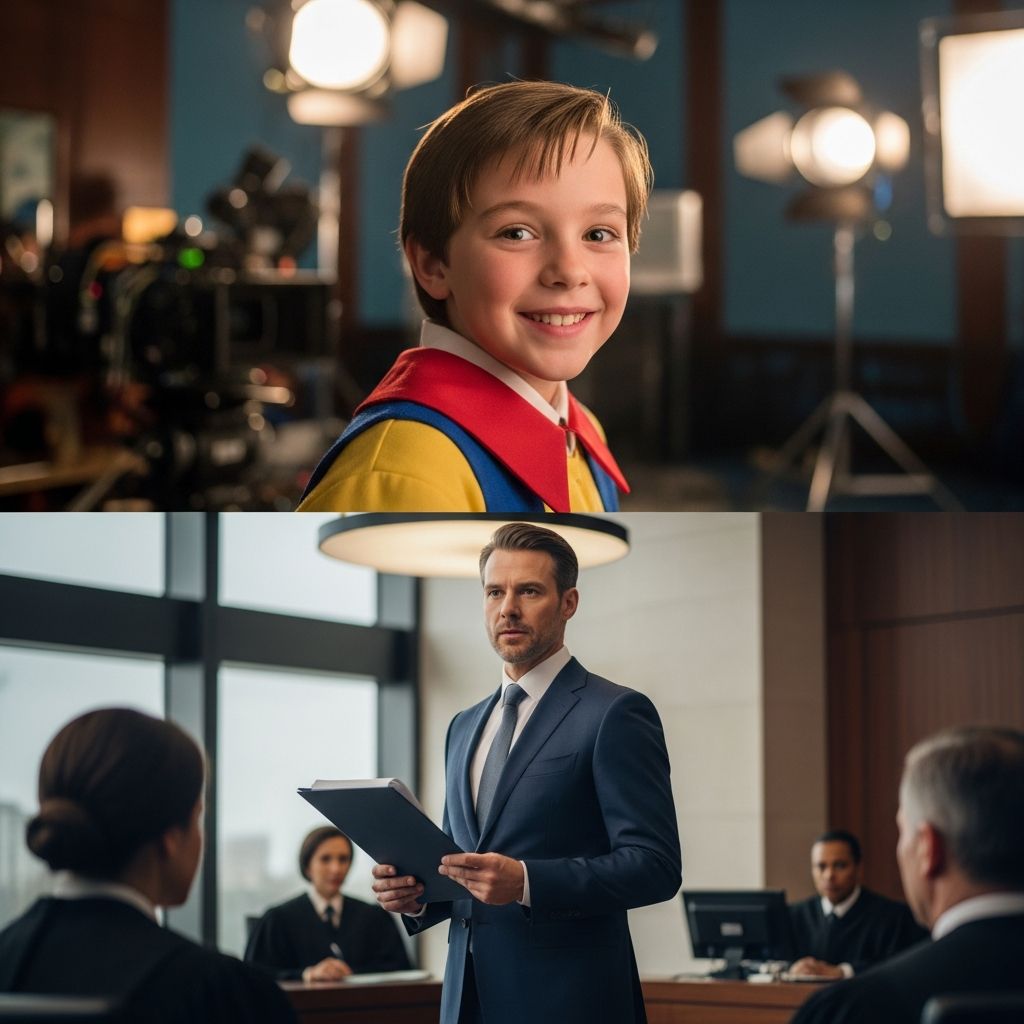
The Unexpected Path: When Child Stars Choose the Courtroom
The entertainment industry presents a unique challenge for young performers. While some child actors maintain successful careers in film and television throughout their adult lives, others find themselves at a crossroads when their youthful appeal begins to fade or their interests shift toward different pursuits. A fascinating subset of former child performers has discovered unexpected fulfillment in the legal profession, trading scripts and cameras for law books and courtroom arguments. These individuals represent an intriguing intersection of entertainment history and professional achievement, demonstrating that success in one field can provide valuable skills applicable to an entirely different career path.
Understanding the Career Transition Phenomenon
The transition from child acting to law practice may seem counterintuitive at first glance. However, the skills required for success in both fields share notable similarities. Young performers develop discipline, public speaking abilities, and the capacity to understand complex narratives and motivations—all valuable assets in legal practice. Additionally, many former child actors attribute their move to law partly due to changing circumstances in the entertainment industry. As performers mature and their physical appearance changes, casting opportunities that once came easily may diminish. This natural inflection point prompts many to reassess their career goals and explore new directions aligned with emerging intellectual interests and long-term aspirations.
Profile: Entertainment Law’s Most Recognizable Attorney
Perhaps the most prominent example of a former child actor turned successful lawyer is an individual best known for a memorable role in a 1980s adventure film. Originally cast in a comedic supporting role that required physical comedy and charming awkwardness, this performer became a cultural icon through his portrayal of an endearing character. Following his appearance in family-friendly films and television productions, the performer gradually transitioned away from acting as opportunities became less frequent during the teenage years.
Instead of pursuing continued acting work, this individual pursued higher education at a prestigious California university, initially studying business administration. During his academic journey, he discovered a genuine passion for entertainment law—the specialized legal field that addresses contracts, intellectual property rights, and representation matters within the film and television industries. After completing law school at another well-respected California institution, he established himself in the entertainment law sector. Today, he operates as a founding partner of a notable entertainment law firm headquartered in Beverly Hills, earning recognition as one of the entertainment industry’s leading young legal professionals under age thirty-five. His practice encompasses contract negotiation, intellectual property protection, and other matters critical to entertainment industry professionals.
Building Success in Corporate Legal Practice
Another former child actor found his legal niche in corporate law and mergers and acquisitions. This individual gained recognition through his role as a beloved best friend character on a celebrated television series that aired during the 1980s and early 1990s. The show, which followed a group of teenage friends navigating school and personal relationships, became a cultural touchstone for an entire generation. The actor’s portrayal of the loyal, intelligent companion character showcased his ability to deliver nuanced performances and handle ensemble cast dynamics.
After his television career concluded, this performer pursued higher education at Yale University, where he completed his undergraduate degree. He subsequently attended law school at a respected New York institution specializing in legal education and scholarship. Following his legal training, he built a career in corporate law, eventually becoming senior counsel at a prestigious Manhattan law firm. In this capacity, he represents corporations navigating complex commercial transactions, assists with private equity matters, and handles intellectual property issues. His practice focuses particularly on advising companies regarding mergers and acquisitions—transactions requiring the kind of careful attention to detail and complex problem-solving skills he developed during his acting career.
Academic Excellence Through Legal Scholarship
The third notable example of successful career transition demonstrates how former child performers can achieve excellence within academic legal institutions. This actor participated in several notable films during childhood and adolescence, including roles in popular action-comedies and fantasy adventure pictures. His early career showcased diverse range and the ability to hold his own alongside established actors in substantial roles.
Unlike his peers who might have pursued entertainment law, this individual took his legal education in an academic direction. He began his higher education by studying physics at a prestigious institute of technology, demonstrating intellectual rigor and scientific thinking. Following undergraduate study, he attended law school at Yale University, where he distinguished himself sufficiently to secure a prestigious clerkship with a federal appellate court judge. This clerkship experience, highly selective and competitive, provided valuable exposure to appellate legal practice and judicial decision-making at the highest levels of the federal judiciary.
After his clerkship, he practiced law at a major international law firm in New York, handling complex legal matters for substantial corporate clients. However, he eventually redirected his career toward academia, becoming a law professor at a respected university law school in the Midwest. In his academic role, he teaches courses in various legal fields and engages in scholarly research. His transition from practicing attorney to legal scholar demonstrates that successful child actors can contribute meaningfully to legal education and the development of future lawyers.
The Broader Pattern of Professional Reinvention
Beyond these three prominent examples, numerous other former child performers have pursued legal education and professional legal careers. Some have become specialists in entertainment law, representing celebrities and creative professionals in contract matters and intellectual property disputes. Others have pursued corporate law, intellectual property law, or public service through government legal positions. Several have become law professors and legal scholars, contributing to legal education and the advancement of particular fields of legal study.
This pattern suggests that the skills developed during childhood acting careers—including discipline, performance under pressure, public communication, and the ability to quickly internalize complex material—translate surprisingly well into legal practice. Additionally, many former performers credit their educational experiences with providing essential outlets and alternative pursuits during a period when acting opportunities became less available or when their personal interests shifted toward other intellectual domains.
Key Characteristics of Successful Transitions
- Rigorous educational preparation: Each successful transition involved completion of undergraduate education at highly selective institutions, followed by law school at well-regarded programs, demonstrating commitment to serious professional training.
- Clear professional focus: Rather than drifting after acting careers concluded, these individuals identified specific areas of law that aligned with their interests and pursued focused career development within those specializations.
- Institutional recognition: Their accomplishments earned recognition through prestigious clerkships, partnerships at major law firms, professorships at established universities, and inclusion in professional rankings and honors.
- Authenticity of interest: In interviews and biographical accounts, these individuals consistently report genuine enthusiasm for legal work, suggesting their transitions reflected authentic career interests rather than merely opportunistic shifts.
- Leverage of existing skills: Public speaking ability, comfort with complex narratives, discipline, and professionalism developed during acting careers proved valuable assets in legal contexts.
Why Entertainment Law Particularly Attracts Former Performers
Entertainment law represents a natural intersection between former performers’ existing industry knowledge and legal expertise. Individuals who spent formative years in film and television production develop sophisticated understanding of industry practices, contract structures, and professional relationships. This insider knowledge, combined with legal training, allows former performers to serve their former colleagues with particular effectiveness and credibility. They understand the concerns and challenges facing creative professionals because they have experienced those challenges firsthand. This combination of practical industry experience and legal expertise often positions them to excel in representing entertainment industry clients.
The Role of Changing Circumstances
Many accounts from successful former child actors emphasize how changing physical appearance and declining acting opportunities prompted their career transitions. As performers entered their teenage years, their youthful features changed, and the specific roles for which they had been cast became unavailable. Rather than struggling through years of attempting to revitalize acting careers, these individuals recognized that educational pursuits and professional transitions offered more promising paths forward. This pragmatic assessment, combined with genuine intellectual interest in law and legal studies, motivated their pursuit of legal education and careers. Their experiences suggest that career transitions need not result from failure or rejection but can instead represent strategic decisions in response to changing circumstances and emerging opportunities.
Conclusion: Diverse Pathways to Professional Success
The examples of former child actors who became accomplished lawyers demonstrate that successful careers are not predetermined by early entertainment industry success. Instead, these individuals identified new passions, pursued rigorous education, and built professional expertise in entirely different fields. Whether specializing in entertainment law and representing industry professionals, handling complex corporate transactions, or teaching future lawyers as legal academics, these former performers transformed their early fame into platforms for pursuing more permanent and personally fulfilling professional goals. Their transitions serve as inspiration for others facing career changes and reminder that educational investment and professional commitment can lead to success regardless of previous career path.
Frequently Asked Questions
Q: How common is it for child actors to pursue legal careers?
A: While not widespread, a notable number of child actors have pursued legal education and legal careers. The specific circumstances of each individual—including changing physical appearance during adolescence, shifts in casting opportunities, and genuine intellectual interests—influence whether acting careers continue or performers explore alternative professional paths.
Q: What types of law do former child actors practice?
A: Former child actors have pursued various legal specializations including entertainment law, corporate law, intellectual property law, and academic legal scholarship. Entertainment law proves particularly attractive to those with industry experience, while others have developed expertise in unrelated fields.
Q: Do former actors have any advantages in legal careers?
A: Yes, skills developed during acting careers—including public speaking, discipline, ability to analyze complex narratives, and comfort performing under pressure—transfer well to legal practice. Additionally, those who practiced entertainment law often leverage their industry knowledge and professional relationships from their acting years.
Q: At what age did these individuals transition to law?
A: Most transitioned during their teenage years or early adulthood, recognizing declining acting opportunities and pursuing undergraduate education at selective universities before attending law school in their late teens or early twenties.
Q: Can former child actors successfully compete in law school?
A: Yes, these individuals have attended and graduated from highly selective law schools, earned judicial clerkships, and built successful legal practices, demonstrating that their prior entertainment careers did not hinder their legal education or professional achievement.
References
- Child Actors Who Became Successful Lawyers — The Nutmeg Lawyer (Compiled 2009, updated periodically). https://thenutmeglawyer.blogspot.com/2009/05/successful-attorneys-who-were-former.html
- From Child Actor to Entertainment Lawyer, with Jeff Cohen — Legal Talk Network. https://www.youtube.com/watch?v=RbQ6tNCOU6g
- 6 Child Stars Who Went on to Become Lawyers — Business Insider. 2012-08. https://www.businessinsider.com/child-stars-turned-lawyers-2012-8
- Charlie Korsmo, and Other Former Child Stars Now Top Lawyers — Hollywood Mom Blog. https://hollywoodmomblog.com/then-now-charlie-korsmo-and-other-former-child-stars-now-top-lawyers/
Similar Articles








Read full bio of Sneha Tete




