
Chicken Dyeing Laws: Legal Status and Animal Welfare
Understanding the legality and ethics of dyeing baby chickens across U.S. states.
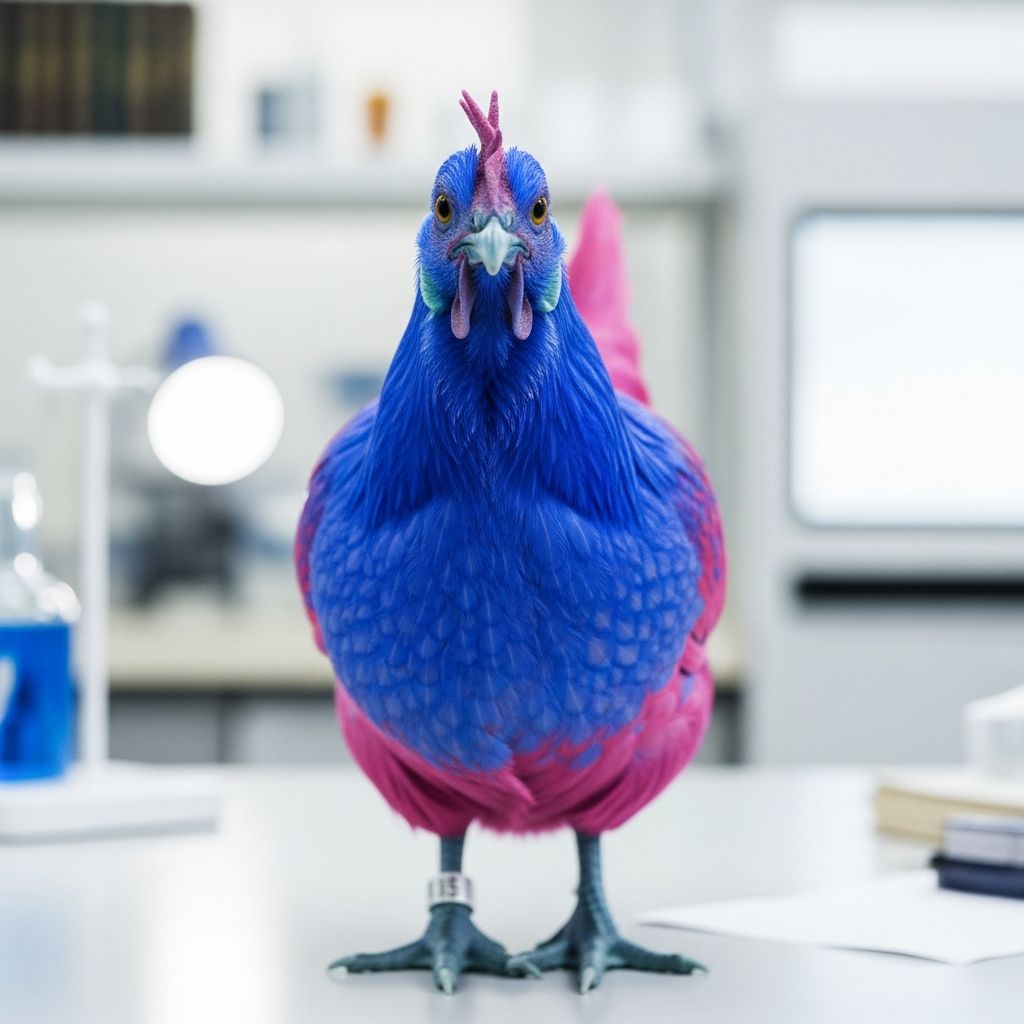
Understanding Chicken Dyeing Regulations Across America
The practice of artificially coloring baby chickens has become increasingly popular, particularly around Easter when vibrant chicks appear in pet stores and online marketplaces. However, what many people don’t realize is that this seemingly harmless practice carries significant legal consequences in certain jurisdictions. The legality of dyeing chickens varies dramatically across the United States, with some states imposing criminal penalties while others permit the practice under specific conditions. Understanding these regional differences is essential for anyone considering purchasing or creating dyed poultry.
State-by-State Legal Framework
The regulatory landscape for chicken dyeing is inconsistent across American states, reflecting differing priorities regarding animal welfare. Approximately half of the United States maintains legal restrictions on the practice, while the other half allows it with varying degrees of regulation. This patchwork of laws creates confusion for consumers and sellers alike.
Strict Prohibition Jurisdictions
Florida represents one of the most stringent regulatory environments for poultry dyeing. State animal cruelty statutes explicitly prohibit the dyeing of any fowl regardless of age, with violations carrying penalties of up to 60 days imprisonment. The Florida statute also extends protections to rabbits, reflecting a broader commitment to preventing animal mistreatment. Local ordinances, such as those in Hollywood, Florida, further reinforce this ban by making it unlawful to dye or artificially color rabbits or other animals within city limits.
The history of Florida’s regulations demonstrates how animal welfare policy evolves. In 2012, state lawmakers repealed an existing 45-year-old ban on dyeing rabbits and fowl, responding to lobbying efforts from dog groomers seeking to legitimize cosmetic animal coloring. However, the repeal proved short-lived. By 2013, following intense advocacy from animal rights organizations, Florida reinstated comprehensive restrictions on dyeing fowl and rabbits, establishing clear boundaries around permissible animal care practices.
States with Limited Penalties
Massachusetts takes a middle-ground approach, allowing chicken dyeing while imposing financial penalties. Individuals caught dyeing poultry in Massachusetts face a $100 fine, serving as a deterrent without criminal consequences. This approach acknowledges regional concerns about animal welfare while stopping short of criminalization.
Permissive Jurisdictions
In states like California, dyeing chickens exists in a legal gray area. While the practice is generally frowned upon by animal welfare advocates and may be discouraged by local authorities, it remains unpunishable under existing law. This permissive stance reflects states where animal cruelty statutes lack specific guidance regarding poultry coloring, leaving enforcement discretionary.
The Dual Problem: Legal and Ethical Considerations
Beyond legal compliance, individuals considering chicken dyeing must grapple with significant ethical questions about animal welfare and the appropriateness of cosmetic modification for practical farm animals.
Safety Concerns with Dyeing Methods
The process of dyeing chickens introduces multiple health risks that warrant careful consideration. Different dyeing techniques carry varying degrees of danger to the birds involved. When chicks are sprayed with artificial coloring, they may experience stress from handling and exposure to chemical substances. Dunk methods, where chicks are submerged in dye solutions, present additional risks including potential respiratory issues and temperature shock.
The embryo injection technique—where dye is injected directly into eggs during incubation—poses particularly serious concerns. This method requires drilling a small hole through the eggshell and injecting coloring into the embryonic environment. The drilling process risks introducing bacteria that can cause infection and embryonic death. Additionally, penetrating the protective eggshell membrane increases vulnerability to contamination, potentially compromising fetal development.
Chemical Composition Matters
The type of dyeing agent used significantly impacts safety outcomes. Non-food-grade dyes designed for textile or cosmetic use contain compounds specifically formulated for non-living materials or human application. Since chickens naturally preen their feathers and ingest materials during grooming, any toxic residue poses serious internal health threats. Food-grade coloring represents the only genuinely safe option, as these products are specifically designed for consumption and meet regulatory safety standards.
Vegetable-based food dyes, typically formulated at 2-3% concentration, provide the safest coloring solution. Concentrations stronger than this standard formulation require dilution to achieve safe levels. Even with food-grade products, application must be precise to minimize ingestion during the drying phase.
Documented Welfare Impacts
Beyond chemical hazards, the dyeing process itself creates stress and potential physical harm. Handling fragile chicks roughly—tossing them into bins, holding them down forcibly, or clustering multiple birds together during the procedure—causes genuine distress. Feather damage frequently occurs during both dyeing and drying phases, potentially compromising the bird’s natural insulation and waterproofing capabilities.
The stress induced by handling and chemical exposure can trigger behavioral problems and reduce immune function, leaving treated chicks more susceptible to illness. From an animal welfare perspective, these documented harms raise serious questions about whether cosmetic coloring serves any legitimate purpose that justifies the risks.
Post-Dyeing Complications and Consumer Abandonment
A critical issue frequently overlooked involves the birds’ ultimate fate following the initial colored phase. Dyed chicks retain their artificial colors only until their first molt, typically occurring within months. As the colored feathers drop and replacement feathers emerge in natural hues, pet owners who purchased the birds specifically for their appearance often lose interest. This abandonment phenomenon has prompted significant concern among animal welfare organizations.
Inexperienced owners frequently lack the knowledge, resources, or commitment to provide appropriate long-term care for chickens. Abandoned birds face uncertain futures, ranging from inadequate living conditions to slaughter. The commercial practice of selling colored chicks, particularly during Easter seasons through street vendors, exacerbates this problem by encouraging impulse purchases from consumers with no genuine poultry experience.
Safe Dyeing Techniques: If You Choose to Proceed
For individuals in jurisdictions where chicken dyeing remains legal and who are committed to prioritizing bird welfare, certain precautions can minimize harm.
Essential Safety Guidelines
- Use exclusively vegetable-based food coloring at standard 2-3% concentration
- Prepare dye solution by combining 3/4 cup water with 2 tablespoons white vinegar and food coloring drops
- Apply dye using soft tools like old toothbrushes or makeup sponges, working in the direction of feather growth
- Avoid facial area and never approach the eyes with any dyeing implement
- Limit dye exposure to maximum 30 minutes before thorough rinsing
- Dry the bird quickly using gentle heat or absorbent materials
- Monitor the chicken for signs of distress, illness, or behavioral changes during recovery
Embryonic Dyeing Considerations
If injection during incubation is attempted, timing proves critical for success. Days 11-14 of incubation represent the optimal window for dye saturation and even color distribution. Injecting after day 14 produces uneven results because confined embryos cannot allow dye to penetrate entire bodies. Approximately 0.5 milliliters of 2-3% food dye should be injected using a hypodermic needle beneath the egg membrane.
After injection, the puncture hole must be sealed to prevent infection. Melted paraffin wax applied in thin layers over the injection point effectively protects the embryo from contamination during remaining incubation periods. Despite proper technique, this method carries inherent risks that responsible breeders carefully weigh against alternatives.
The Urban Chicken Movement and Regulatory Challenges
The growing popularity of backyard chicken keeping has complicated enforcement of dyeing regulations. Hatcheries selling colored chicks typically operate with purchase minimums of 10-15 birds, yet most Easter chicks reach consumers through street vendors with no accountability to hatchery oversight. These informal distribution channels make tracking and enforcement nearly impossible, allowing illegal sales to continue even in jurisdictions with strict bans.
Urban chicken enthusiasts often lack agricultural background and may not understand the long-term care requirements of poultry. This knowledge gap, combined with the emotional appeal of colored chicks, creates a vulnerable consumer base susceptible to impulsive purchases that ultimately harm animals.
Comparative Analysis: Different Regulatory Approaches
| State/Region | Legal Status | Penalties | Key Restrictions |
|---|---|---|---|
| Florida | Prohibited | Up to 60 days jail time | Applies to fowl and rabbits of any age |
| Massachusetts | Permitted with penalty | $100 fine | Financial deterrent; practice discouraged |
| California | Legal (unenforced) | None | Generally frowned upon; no criminal consequences |
| New York City | Prohibited | Animal seizure | Selling colored animals as novelties illegal |
Frequently Asked Questions About Chicken Dyeing
Q: Is dyeing baby chickens harmful to their health?
A: Yes, dyeing poses multiple health risks including chemical toxicity from improper dyes, stress from handling, feather damage, potential bacterial infection (especially with embryo injection), and immune system suppression. Food-grade coloring at safe concentrations minimizes but does not eliminate risk.
Q: How long does dye last on chickens?
A: Artificial coloring persists only until the bird’s first molt, typically occurring within several months. After molting, replacement feathers grow in natural colors, causing many owners to abandon their birds.
Q: What legal consequences could I face for dyeing chickens?
A: Consequences vary significantly by location. Florida imposes up to 60 days imprisonment, Massachusetts charges $100 fines, New York City may seize animals, while other states impose no penalties. Check your specific jurisdiction’s animal cruelty statutes before proceeding.
Q: Are there safe dyes specifically formulated for chickens?
A: No dyes are manufactured specifically for poultry. Food-grade coloring represents the only genuinely safe option because it’s designed for consumption and meets regulatory safety standards.
Q: Why do animal welfare groups oppose chicken dyeing?
A: Organizations cite multiple concerns: inherent physical and psychological stress during the dyeing process, chemical toxicity risks, the practice encouraging impulse purchases by unprepared owners, and the abandonment cycle when colors fade after molting.
References
- Colored Chicks Raise Concerns After Easter, Many Face Fates Worse Than Dye — National Audubon Society. 2012. https://www.audubon.org/news/colored-chicks-raise-concerns-after-easter-many-face-fates-worse-dye
- Dyed Silkie Chicken — Silkie Chicken Experts. https://silkiechickenexperts.com/blogs/silkie/dyed-silkie-chicken
- What Spring Celebrations Mean for Chicks: Dyeing Chicks for Easter — Egg-Truth. 2018. https://www.egg-truth.com/egg-blog/2018/8/15/terribletraditions
- 92.04 Sale of Baby Chicks, Ducks, or Rabbits — City of Hollywood, Florida Municipal Code. https://codelibrary.amlegal.com/codes/hollywood/latest/hollywood_fl/0-0-0-40809
Similar Articles








Read full bio of medha deb


