
Changing Your Name: Fun, Identity, and the Legal Process
From playful nicknames to formal petitions, explore what it means to choose a different name and how to make that change stick.
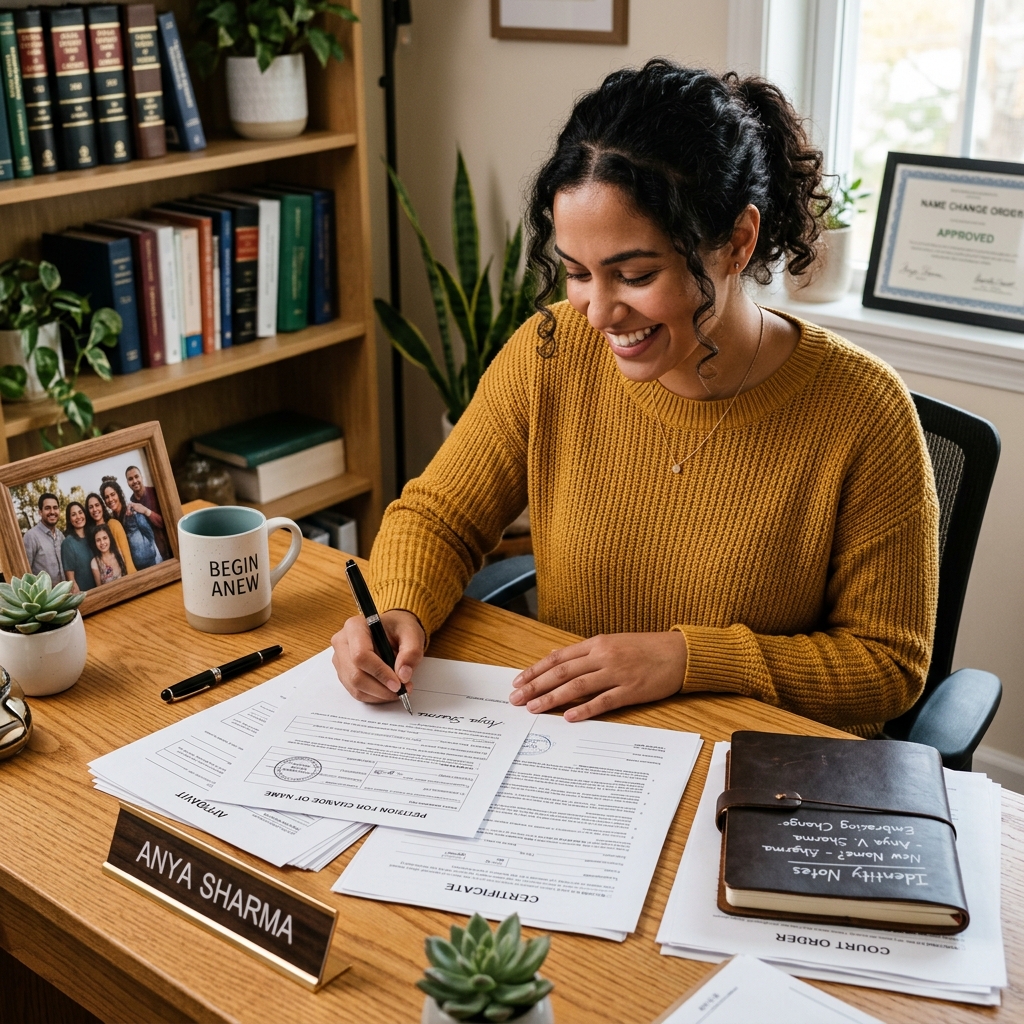
Names do more than identify us; they shape how we see ourselves and how others see us. From playful nicknames to formal court orders, choosing a different name can be an act of self-expression, a practical necessity, or both.
Informal celebrations like Get a Different Name Day invite people to try on new identities for fun, while modern legal systems in many countries allow adults to change their names officially as long as they are not doing so for fraudulent purposes. This guide explores why someone might want a different name, how to experiment safely, and what’s involved in turning a chosen name into your legal identity.
Why Names Matter More Than We Think
Most people do not choose their birth names. Parents, guardians, or cultural traditions make that decision long before we can express our own preferences. Over time, a name can feel perfectly fitting—or increasingly uncomfortable.
A name carries layers of meaning:
- Cultural and family heritage – Many names reflect ancestry, religion, or language and help people feel rooted in a community.
- Social perception – Names can influence first impressions, assumptions about background, and even how easy it is for others to address you.
- Personal identity – For some, a name feels like a core part of their story; for others, it feels misaligned with who they are now.
When there is a mismatch between a person and their name—because of gender identity, cultural change, or simply taste—choosing a different name can become a meaningful step in self-determination.
Get a Different Name Day: A Playful Invitation to Reinvent Yourself
Get a Different Name Day is an informal observance that encourages people to experiment with new names, nicknames, and identities for a short time. It sits alongside other novelty name celebrations that invite people to imagine who they might be under a different label.
While dates and traditions vary by source, the spirit of this day is consistent: you don’t need a legal document to explore a new way of introducing yourself. Instead, you can treat it as a low‑stakes opportunity to ask:
- How would I feel if everyone used a different name for me?
- Does a particular name better reflect my personality or identity?
- What kind of name feels empowering, comfortable, or joyful?
Observances like Get a Different Name Day highlight a broader trend: people are increasingly curious about names as tools of self-expression, not just fixed labels assigned at birth.
Common Reasons People Decide to Change Their Names
Legal and social records in countries such as the United States and the United Kingdom show consistent patterns in why adults request formal name changes. Although every story is unique, several themes appear again and again.
| Reason | Typical Examples | Legal Context |
|---|---|---|
| Marriage or partnership | Adopting a spouse’s surname, hyphenating two surnames, or creating a new family name. | Often handled through marriage certificates and administrative processes. |
| Divorce or separation | Returning to a previous surname or choosing a completely new one. | May be addressed in divorce orders or by petitioning a court. |
| Religious or cultural change | Adopting a name consistent with a new faith, language, or tradition. | Usually permitted as long as there is no intent to mislead or defraud. |
| Gender transition | Choosing a name aligned with one’s gender identity. | Modern systems increasingly recognize this change in identity documents and records. |
| Practical or social reasons | Simplifying a difficult‑to‑pronounce name, removing a stigmatizing association, or updating a childhood nickname. | Generally allowed when not used to escape legal obligations. |
At the core of many of these reasons is a desire to have one’s legal name match one’s lived experience and social identity, rather than an outdated or uncomfortable label.
Trying On a New Name Informally
Not every name change needs to be immediate or permanent. Many people start by trying out a new name informally with friends, family, or online communities before taking any legal steps.
Simple Ways to Experiment
- Ask close contacts to use your chosen name – Let trusted friends or relatives know what you want to be called and why it matters to you.
- Update display names – Change your name on social media profiles, game accounts, or chat applications to see how it feels.
- Use your new name in low‑stakes settings – Try it in hobby groups, online forums, or community events where you feel safe.
This informal stage can be especially valuable if you are considering a legal change but want to test whether a name truly fits your identity and is practical in everyday life.
Respecting Others’ Name Choices
Get a Different Name Day is also an opportunity to reflect on how we respond when others change their names. For people who have changed their names due to marriage, adoption, or other personal reasons, receiving acknowledgment and respect can be meaningful.
- Use the name someone asks you to use, even if you’ve known them under a different name for years.
- Avoid making jokes or dismissive comments about the change.
- Update your own contact lists and records so you consistently recognize the new name.
For many, having others honor a chosen name is a basic form of respect and recognition.
Understanding Legal Name Change Basics
While informal use can be powerful, legal name changes are important whenever your new name needs to match official records—such as passports, bank accounts, or employment documents.
Modern legal systems in countries like the United States and United Kingdom typically allow adults to change their names without needing a specific reason, as long as the change is not being used to defraud creditors, evade criminal responsibility, or mislead authorities. However, procedures differ by jurisdiction.
Common Elements of Legal Name Change Procedures
Official guidance from courts and civil registration systems shows several recurring steps in the name change process.
- Eligibility – You usually must be an adult resident of the area whose court or administrative office you are petitioning.
- Petition or application – Many jurisdictions require a formal petition or form describing your current name, your desired name, and your reasons.
- Supporting documents – Identification documents and proof of residence are often needed; some places may request a criminal background check.
- Review or hearing – A judge or official verifies that the change is not intended for fraud and complies with local rules.
- Order or certificate – If approved, a court order or official certificate confirms your new legal name.
- Updating records – You must then update government IDs, financial accounts, and other records to reflect the change.
Because details are jurisdiction-specific, consulting official court or government resources is essential before starting the process.
Practical Steps to Make a Legal Name Change
If you decide that a legal change is right for you, breaking the process into manageable stages can help.
1. Clarify Your Reason and Chosen Name
Begin by writing down why you want to change your name and what name you intend to adopt. Consider:
- Whether the name is easy for others to pronounce and spell.
- Whether it carries personal, cultural, or professional significance.
- How it might appear on official documents and records.
This reflection can reduce the chance of wanting another change shortly after a legal process is complete.
2. Research Local Law and Procedure
Courts and civil registration authorities publish rules on how to request a name change, often available through official websites or public information desks.
- Search for “adult legal name change” along with your city, state, or country.
- Review the eligibility requirements and fees for filing.
- Note any special rules for minors, married persons, or individuals with criminal records.
In some places, marriage, divorce, or gender marker changes have simplified pathways for related name changes, so it is important to identify the route that best fits your situation.
3. Prepare Forms and Documents
Once you understand the local process, assemble the required paperwork. This usually includes identification and proof of residence; in some systems, it may also involve notarized declarations or background checks.
- Complete all forms carefully and legibly.
- Keep copies of everything you submit.
- Follow instructions about how to sign or witness documents.
If the forms are confusing, court clerks or legal aid organizations may offer guidance, although they typically cannot give personalized legal advice.
4. Attend Hearings or Respond to Questions
Some jurisdictions require you to appear before a judge or official, while others process name changes administratively. In any review:
- Be prepared to explain your reasons briefly and honestly.
- Show that you understand the implications of the change.
- Emphasize that you are not seeking the change for fraudulent or deceptive purposes.
Where hearings are public, you may also need to comply with publication requirements, such as notices in approved venues, unless exceptions apply for safety or privacy reasons.
5. Update Your Records After Approval
Once your name change is legally recognized, the work is not over. You need to ensure that key institutions recognize your new name.
- Government identification (passports, identity cards, driver’s licenses).
- Tax, social security, or national insurance records.
- Bank accounts, credit cards, and insurance policies.
- Employment records and professional licenses.
- Educational records and memberships.
It is often helpful to keep certified copies of your name change order or certificate so you can present them when updating records.
Balancing Fun and Responsibility When Choosing a New Name
Celebrations like Get a Different Name Day highlight the lighthearted side of name changes, encouraging costume parties, fictional personas, and imaginative aliases. At the same time, legal systems emphasize that names used in official contexts must remain grounded in honesty and clarity.
Safe Ways to Enjoy Name Experiments
- Use alternate names primarily in social or creative settings where identity confusion is unlikely.
- Avoid adopting aliases that could be mistaken for another real person in contexts like contracts or financial transactions.
- Keep one stable name for legal and professional documents, even if you enjoy multiple nicknames.
This balance allows people to feel free in self-expression while maintaining trust and clarity in legal and financial matters.
FAQs About Changing Your Name
Is Get a Different Name Day a legal holiday?
No. Get a Different Name Day is an informal observance that encourages playful or personal exploration of new names. It does not itself create any legal rights or obligations.
Do I need a reason to legally change my name?
In many modern legal systems, adults do not need a specific reason to change their names, as long as there is no intent to defraud or mislead authorities. However, you may still be asked to explain your motivations as part of the application or hearing process.
Can I change my name more than once?
Most jurisdictions allow multiple name changes over a lifetime, but frequent changes can raise questions about intent and may complicate records. It is wise to choose a name you feel comfortable keeping long-term.
Does a nickname count as a legal name?
Nicknames are typically informal and may be widely used socially, but they do not replace your legal name on official documents unless you complete a formal change process and update your records accordingly.
What if my new name is not recognized by everyone?
Even after a legal change, some organizations may take time to update records or may require additional documentation. Providing certified copies of your name change order and being patient, while assertive, usually helps resolve discrepancies over time.
References
- Get a Different Name Day — National Today. 2024-02-13. https://nationaltoday.com/get-different-name-day/
- Get a Different Name Day — Days of the Year. 2023-02-13. https://www.daysoftheyear.com/days/get-a-different-name-day/
- English Lesson on Get a Different Name Day — ESL Holiday Lessons. 2020-02-13. https://eslholidaylessons.com/02/get_a_different_name_day.html
- Name Day — Encyclopedic overview via referenced sources. 2022-01-01. https://en.wikipedia.org/wiki/Name_day
- National Name Yourself Day — National Day Calendar. 2024-04-09. https://nationaldaycalendar.com/celebrations/national-name-yourself-day-april-9
Similar Articles








Read full bio of Sneha Tete


