
Changing the Executor of Your Estate in Ohio
Understand when and how you can change the executor of your Ohio estate, what the law allows, and the practical steps to protect your final wishes.
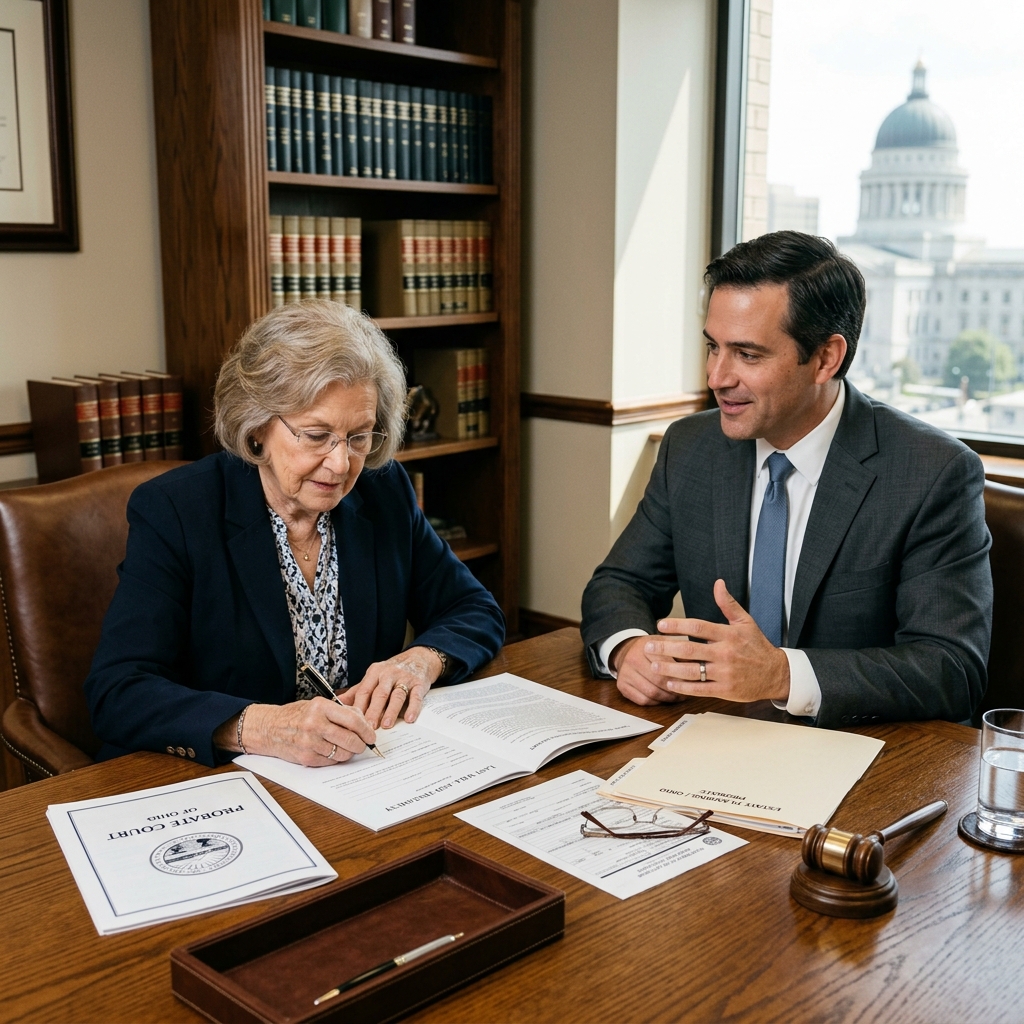
Choosing an executor (sometimes called a personal representative) is one of the most important decisions in your estate plan. Over time, relationships, health, and financial circumstances change, and you may decide that the person you originally named is no longer the right choice. In Ohio, you can change your executor, but the method depends on whether you are revising your will during your lifetime or addressing problems with an executor after death through the probate court.
This guide explains how executors work under Ohio law, when it makes sense to change them, how to update your estate documents, and in what situations a court can remove or replace an executor once the probate process has started.
Understanding the Executor’s Role in Ohio
Before deciding to change your executor, it helps to understand what the job involves. Under Ohio law, the executor is the person named in your will to manage your estate after you die and to carry out your instructions, subject to oversight by the probate court.
Core responsibilities
An executor in Ohio typically must:
- Open the probate estate by filing your will and a request for appointment with the probate court in the county where you lived.
- Gather and safeguard assets, including bank accounts, investments, vehicles, personal property, and certain real estate.
- Prepare an inventory and valuation of all probate assets and file it with the court within required time limits.
- Notify heirs, beneficiaries, and known creditors about the probate case and the executor’s appointment.
- Pay valid debts, taxes, and expenses from estate funds before making any distributions.
- Distribute remaining property according to the terms of your will and Ohio law.
- File formal accountings showing all money received and paid out, and ultimately close the estate with the court.
Because the executor is a fiduciary, they must act in the best interests of the estate and follow your will and Ohio statutes, not personal preferences.
Who can serve as executor in Ohio?
Ohio law sets minimum requirements for serving as an executor. In general, an executor must:
- Be at least 18 years old.
- Be of sound mind, meaning legally competent.
- Not have disqualifying felony convictions, especially involving financial misconduct.
- Be an Ohio resident; non-residents may serve only in certain circumstances, such as being closely related to the deceased.
- Be able to obtain a bond if the court requires one, which often depends on credit history and criminal record.
The probate court generally appoints the person named in the will as executor if that person is qualified and willing to serve.
Common Reasons to Change Your Executor
Because an executor has broad authority during probate, it is important that you trust your choice and that the person is able to fulfill the duties. Many people revise their wills at least once during their lifetime, and changing the executor is a common part of that process.
Typical life changes that prompt a change
- Death or incapacity of the original executor candidate.
- Relocation to another state, which may make it harder or more expensive for the person to administer an Ohio estate.
- Changed relationships, such as divorce, estrangement, or significant family conflict.
- Age and health concerns that make it unrealistic for someone to handle a complex administrative role.
- Complexity of your estate, for example if you now own a business, multiple properties, or large investments that require more expertise.
- Desire for neutrality, such as appointing a professional or non-beneficiary to help minimize tensions among heirs.
Warning signs your executor choice may not be ideal
You may wish to reconsider your named executor if:
- They are chronically disorganized or struggle with deadlines.
- They have personal financial problems, including poor credit or heavy debt, which could make bonding difficult.
- They have a history of conflict with your intended beneficiaries.
- They are uncomfortable with legal or financial paperwork and have expressed reluctance to serve.
How to Change Your Executor During Your Lifetime
While you are alive and mentally competent, you have the greatest control over who will serve as executor. The key principle is that your executor is chosen through your written estate planning documents, not through a private letter or informal conversation.
Option 1: Update your will with a codicil
A codicil is a formal amendment to your will. It can be used to change specific provisions, including who is named as executor or successor executor, without rewriting the entire document. To be valid under Ohio law, a codicil must follow the same formalities as a will, typically including a written document signed by you and witnessed as required by statute.
Using a codicil may be appropriate if you want to make a narrow change, such as:
- Replacing the primary executor but keeping the rest of the will the same.
- Adding an additional successor executor to your existing list.
Option 2: Execute a new will
Many people choose to sign a completely new will rather than adding multiple codicils, especially if the document has become complex or outdated. A new will typically includes language that expressly revokes all prior wills and codicils. In that new document, you can name a different executor and successor executors.
A new will may be preferable if:
- You are making several changes, not just replacing the executor.
- Your current will is old, hard to interpret, or inconsistent with current Ohio laws or your circumstances.
- You have moved to Ohio from another state and want your will tailored to Ohio probate practice.
Practical tips when revising your executor
- Confirm willingness: Ask the new executor candidate if they are willing to serve; you do not want them to decline later.
- Name backup executors: Include one or more alternates in case your primary choice is unable or unwilling to serve when the time comes.
- Coordinate with other documents: If you use a revocable living trust or other arrangements, make sure trustees and executors are aligned where appropriate.
- Store documents safely: Keep your updated will or codicil in a secure but accessible location, and let your executor know how to find it.
- Notify prior executor (if appropriate): While not legally required, it is courteous and can prevent confusion after your death.
If You Are Already Deceased: How Executors Are Removed or Replaced
Once you have passed away, you obviously cannot change the executor yourself. At that point, any need to remove or replace an executor must be addressed through the probate court. Ohio statutes allow a court to remove an executor for specific reasons, usually at the request of an interested party such as a surviving spouse, child, other next of kin, or a creditor.
Legal grounds for removal under Ohio law
Under the Ohio Revised Code, a probate court may remove an executor or administrator for a variety of causes, including:
- Failure to perform required duties, such as not filing inventories, accounts, or other mandatory documents.
- Mismanagement or waste of estate assets.
- Conflict of interest that harms the estate’s interests.
- Incapacity, disappearance, or imprisonment of the executor.
- Disobedience of court orders or refusal to cooperate with the court’s instructions.
If removal is appropriate, the court can appoint a replacement executor or administrator to complete the probate process.
Who can ask the court to remove an executor?
In Ohio, interested parties who may request the removal of an executor include:
- The surviving spouse.
- Children or other next of kin.
- Beneficiaries named in the will.
- Creditors or others with a legal interest in the estate.
The requesting party typically files a motion or complaint in the probate court, explaining why the executor should be removed and providing supporting evidence. The court may hold a hearing before deciding whether removal is justified.
What happens after an executor is removed?
If the court removes the executor, it will appoint a new fiduciary. The replacement might be:
- A successor executor named in the will.
- Another qualified person with priority under Ohio law, such as a surviving spouse or next of kin.
- A professional or other suitable person the court finds appropriate when no one with priority is available or willing.
The new executor steps into the prior executor’s role, continuing the probate administration, addressing any problems, and ultimately closing the estate.
What If the Named Executor Does Not Want to Serve?
Sometimes, the executor you name decides they are unwilling or unable to serve when the time comes. Ohio law does not force a named executor to accept the role. Instead, the person can formally decline the appointment through the probate court.
How an executor can decline the role
In Ohio, a person named as executor can refuse to serve by filing a written waiver or formal renunciation with the probate court in the county where the estate is being administered. This document informs the court that the person will not accept the appointment and authorizes the court to appoint someone else.
Timing matters. If the person performs actions that look like they have accepted the role—such as paying estate bills or dealing with creditors—the court may treat them as having accepted the appointment.
Who serves if the named executor declines?
If the first-named executor declines, the court will typically look to:
- A successor executor named in the will.
- Another person with priority, such as the surviving spouse or an adult child, particularly in the absence of a named successor.
Importantly, declining to serve as executor does not strip the person of their rights as a beneficiary. If they are named in the will to receive property, they generally keep that status.
Choosing the Right Executor: Factors to Consider
Changing your executor is not only a legal decision but a practical one. A good executor can make the probate process smoother, reduce conflict, and protect your legacy.
| Factor | Why It Matters | Questions to Ask Yourself |
|---|---|---|
| Trustworthiness | The executor controls access to estate assets and information. | Has this person consistently acted with integrity and good judgment? |
| Organizational skills | Probate involves forms, deadlines, and record-keeping. | Can they handle paperwork, follow instructions, and meet timelines? |
| Communication | Executors should keep beneficiaries informed and manage expectations. | Will this person communicate clearly and calmly during stressful times? |
| Location | Local executors may find it easier to deal with courts, property, and professionals. | Is this person close enough to manage tasks in Ohio without excessive burden? |
| Financial stability | Poor credit or legal issues can affect bonding and court approval. | Is this person financially stable and free of serious legal problems? |
| Potential for conflict | Family disputes can derail probate if the executor is seen as biased. | Will other family members respect this person’s decisions? |
How Probate Courts Oversee Executors in Ohio
Ohio probate courts play a central role in supervising executors and ensuring they fulfill their obligations. The court’s oversight is a key reason why executor selection matters—and also why there are formal processes for removing or replacing an executor when necessary.
Key stages of court supervision
- Appointment: The court reviews the will, confirms the executor is qualified, may require a bond, and issues official authority (often called letters testamentary).
- Inventory: The executor must file a complete inventory of estate property within specific time limits, subject to court approval.
- Accountings: Periodic or final reports must show all receipts and disbursements, providing transparency for the court and interested parties.
- Dispute resolution: The court hears objections to inventories, accountings, or the executor’s actions and can order remedies, including removal if warranted.
FAQs About Changing Executors in Ohio
Can I change my executor without rewriting my entire will?
Yes. You can use a properly executed codicil to amend only the portions of your will dealing with executor appointments. However, if you are making several changes or your will is outdated, many lawyers recommend signing a new will to avoid confusion.
Can I name more than one executor?
You can name co-executors in your will. Although this can promote balance among family members, it can also slow down decision-making because both (or all) co-executors usually have to sign documents and agree on actions. Consider the personalities and working relationships of the people involved.
What if my executor moves out of Ohio?
Ohio allows some non-residents to serve as executor, particularly if they are related to you, but out-of-state service can be less convenient and may require additional steps. If your executor has moved, you may want to reevaluate whether they are still the best choice and consider naming a local successor.
Does my executor have to be a lawyer or financial professional?
No. Many executors are family members or trusted friends. That said, the executor can (and often should) hire legal and tax professionals to help navigate the probate process, paid for by the estate. If your estate is large or complex, you may choose a professional executor or corporate fiduciary instead.
Can a beneficiary also be the executor?
Yes. It is common for a primary beneficiary, such as a surviving spouse or adult child, to serve as executor. Ohio law does not prohibit a beneficiary from acting as executor, but the person must still fulfil fiduciary duties and treat all beneficiaries fairly.
How do I know if my executor is doing a bad job?
Warning signs include long periods of inaction, refusal to share basic information, unexplained disappearance of assets, failure to file required court documents, or ignoring court orders. If you are an interested party and suspect mismanagement, you may consult an attorney about asking the probate court to intervene or remove the executor.
Will changing my executor affect who gets my property?
No, not by itself. Changing your executor only changes who manages the estate administration. Your distributions to beneficiaries remain what your will specifies, unless you change those terms as well.
When to Seek Legal Advice
Executor issues often sit at the intersection of family relationships, legal requirements, and financial realities. You may want to speak with an Ohio estate planning or probate attorney if:
- You are considering changing your executor and want to ensure the change is valid and properly documented.
- You are a beneficiary or heir concerned that the current executor is not fulfilling their duties or is mismanaging assets.
- You have moved into or out of Ohio and are unsure whether your existing documents still work as intended.
- Your estate includes a closely held business, multiple properties, or significant tax issues that complicate executor responsibilities.
Working with a qualified professional can help you avoid mistakes and ensure your executor arrangements match your goals and Ohio law.
References
- Ohio Revised Code Chapter 2113 – Administration of Estates — State of Ohio. 2024-01-01. https://codes.ohio.gov/ohio-revised-code/chapter-2113
- Overview of Probate Administration in Ohio — Ohio Legal Help. 2023-05-01. https://www.ohiolegalhelp.org/topic/overview-probate-administration-ohio
- Administering an Estate Without a Will — Ohio State Bar Association. 2020-01-01. https://www.ohiobar.org/globalassets/law-facts/pamphlet-pdfs/lf_estate_no_will_pdf.pdf
- Estates (Large) — Franklin County Probate Court, Ohio. 2022-06-01. https://probate.franklincountyohio.gov/Departments/Estates-Large
- The Role of an Executor in Ohio — Rhodium Law, LLC. 2023-04-15. https://rhodium.law/blog/the-role-of-an-executor-in-ohio/
- Declining an Executor Role in Ohio: What If You Don’t Want to Serve? — Plans That Work. 2023-08-10. https://plansthatwork.net/declining-an-executor-role-in-ohio-what-if-you-dont-want-to-serve/
Similar Articles








Read full bio of Sneha Tete


