
The Modern Crusade: Championing Youth Rights
Reshaping the future for vulnerable youth through legal advocacy.
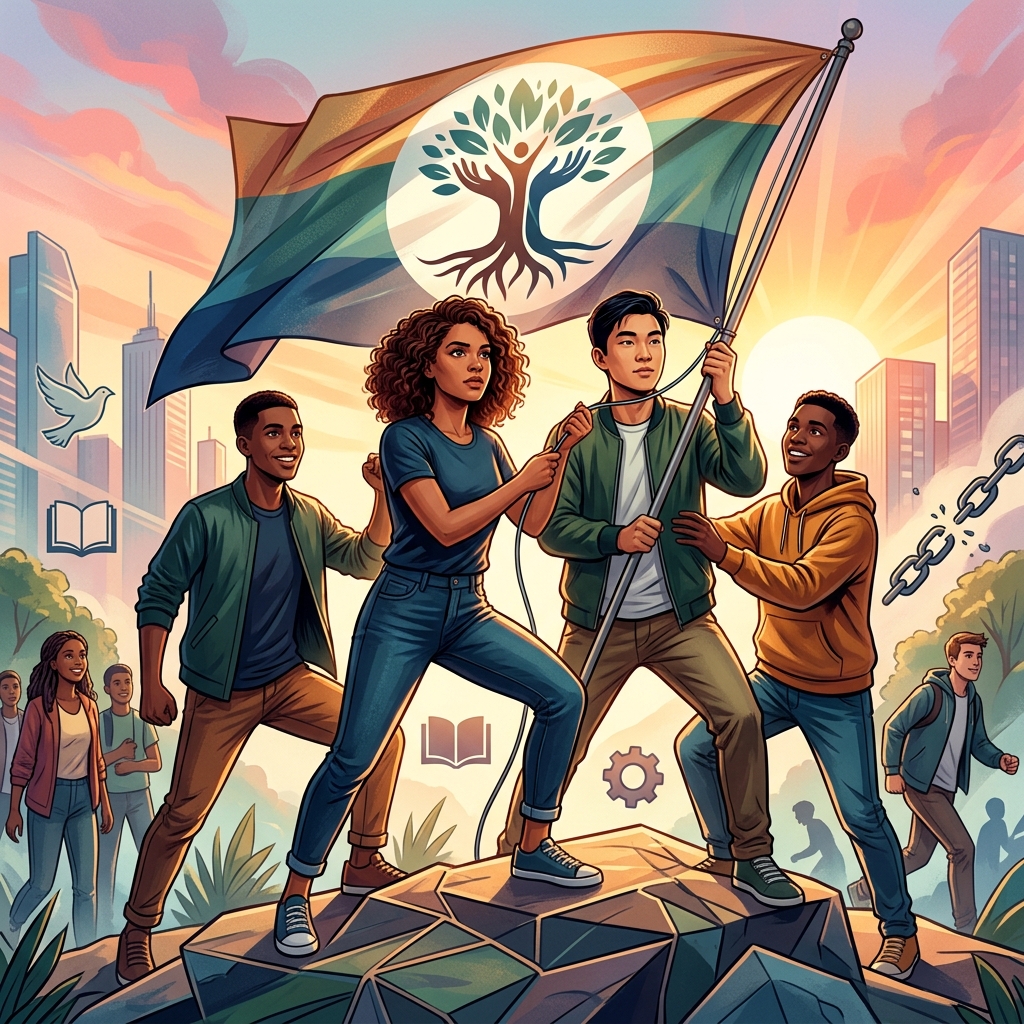
Children are unequivocally the most vulnerable members of any society. Unlike adults, they cannot vote, they possess limited legal autonomy, and they are entirely dependent on guardians and state institutions for their basic survival, education, and emotional well-being. When the familial structure fractures or community resources run dry, the state must step in. However, the systems designed to act as a safety net often become mechanisms of trauma and disenfranchisement. Joining the movement for children’s rights is no longer just a charitable endeavor; it is a critical civil rights crusade aimed at dismantling systemic negligence and building a future where every child is guaranteed safety, dignity, and the opportunity to thrive. This comprehensive analysis explores the urgent need to protect youth rights, the systemic failures endangering them, and the actionable pathways for reform.
The State of Vulnerable Youth in Modern Systems
The bureaucratic maze that governs child welfare and justice is vast and complex. For millions of youths, interacting with these state-run agencies dictates the trajectory of their entire lives. When agencies fail to provide adequate care, the consequences ripple across generations. The movement for children’s rights focuses heavily on reforming these primary systems, ensuring they operate with transparency, accountability, and a genuine commitment to the best interests of the child. It is imperative to dissect the specific paradigms where youth are most frequently marginalized, specifically the foster care and juvenile justice systems.
The Child Welfare and Foster Care Paradigm
The child welfare system is primarily tasked with investigating abuse and neglect, providing safe harbor for youth when their home environments become untenable. Unfortunately, the foster care system is frequently overwhelmed, underfunded, and heavily bureaucratized. Children placed in out-of-home care often experience profound instability, being shuffled from one placement to another. This lack of permanence significantly disrupts their educational continuity and social-emotional development. Furthermore, research indicates deeply entrenched disparities within these systems. According to the Administration for Children and Families (ACF), Black and American Indian/Alaska Native families are disproportionately represented in reports of suspected maltreatment and are investigated by child protective services at much higher rates than other families . This overrepresentation points to a conflation of poverty with neglect, where families lacking economic resources are punished rather than supported with community services.
Juvenile Justice and Youth Incarceration
Parallel to the child welfare system is the juvenile justice system, which too often operates as a punitive institution rather than a rehabilitative one. The United States detains thousands of youths every year, many of whom are incarcerated for non-violent offenses or technical probation violations. Data from the Office of Juvenile Justice and Delinquency Prevention (OJJDP) highlights the scale of this issue, estimating that in 2020 alone, law enforcement agencies made 424,300 arrests of persons under the age of 18 . While this number reflects a decline from previous decades, any degree of youth incarceration carries severe long-term consequences. Incarceration during adolescence severely impacts the developing brain, increases the likelihood of future criminal justice involvement, and permanently derails educational attainment. Advocates are fighting to replace the school-to-prison pipeline with restorative justice models that prioritize community-based interventions, mental health counseling, and family support over locked facilities.
Core Pillars of Child Legal Advocacy
Advocating for youth requires a multifaceted approach that combines grassroots organizing, legislative lobbying, and aggressive legal action. Ensuring that the rights of children are respected demands a legal framework that treats them not as property, but as individuals entitled to constitutional protections.
Impact Litigation as a Catalyst for Change
When state systems repeatedly fail to protect the constitutional and statutory rights of children, impact litigation serves as a powerful tool for systemic reform. Unlike individual lawsuits that seek damages for a single plaintiff, impact litigation aims to dismantle widespread, unconstitutional practices by holding entire state agencies or departments accountable. Legal advocates file class-action lawsuits on behalf of thousands of children who are subjected to extreme institutional neglect, severe overcrowding in foster homes, or systemic physical and emotional abuse within state-run facilities. These lawsuits do not simply ask for monetary compensation; they demand sweeping injunctions, mandated policy changes, and long-term federal oversight. Through these aggressive legal campaigns, advocates force state governments to allocate proper funding, reduce caseworker-to-child ratios, and implement trauma-informed care protocols. Impact litigation essentially transforms the abstract concept of children’s rights into legally enforceable mandates.
International Frameworks vs. Domestic Realities
The push for children’s rights is not isolated to domestic borders; it is deeply rooted in international human rights frameworks. The United Nations Convention on the Rights of the Child (CRC) is a landmark treaty that universally outlines the fundamental rights of children, emphasizing that childhood is a separate, protected time in which youth must be allowed to grow, learn, and flourish safely . The CRC establishes core principles, including the right to non-discrimination, the right to life and development, and the mandate that the best interests of the child be a primary consideration in all actions concerning them. It also uniquely champions the child’s right to be heard in judicial and administrative proceedings. While the United States played a critical role in drafting the CRC, its domestic implementation remains complex. Advocates continuously draw upon these internationally recognized standards to push local and federal policymakers toward more humane, child-centric legislation.
Disparities and Systemic Failures: A Closer Look
A critical analysis of child-serving systems reveals a deeply entrenched pattern of racial and socioeconomic disparity. Vulnerable populations do not experience state intervention equally. Marginalized communities face a disproportionate amount of surveillance, leading to higher rates of family separation and youth incarceration. Often, systemic failures are disguised as individual parental shortcomings. For example, a lack of affordable housing, food insecurity, and limited access to medical care are frequently labeled as child neglect, resulting in children being removed from their homes instead of families being provided with necessary economic assistance. This punitive approach to poverty shatters family bonds and funnels children into a foster care system that is ill-equipped to handle the resulting trauma. Addressing these disparities requires a paradigm shift: moving away from a system of family policing and toward a holistic model of community enrichment and preventative support.
| Systemic Metric | Ideal Outcome (Rights Upheld) | Current Reality (Systemic Failure) |
|---|---|---|
| Foster Care Placement | Immediate placement in stable, supportive family-like environments. | High rates of transient placements, overcrowding, and institutional congregate care. |
| Juvenile Justice Focus | Restorative justice, community service, and rehabilitative counseling. | Over-reliance on punitive detention centers and the criminalization of adolescent behavior. |
| Mental Health Services | Proactive, community-based therapeutic interventions and trauma support. | Reactive institutionalization, overmedication, and lack of accessible preventative care. |
The Mental Health Crisis and Institutionalization
Another vital frontier in the children’s rights movement is the battle against the institutionalization of youth with mental health or behavioral challenges. Across the nation, thousands of children are housed in psychiatric residential treatment facilities (PRTFs) or congregate care settings simply because community-based mental health services are unavailable. Within these facilities, children are frequently subjected to overmedication, physical restraints, and prolonged isolation. This practice of warehousing children away from their families and communities is a severe violation of their civil rights. Advocacy groups tirelessly work to enforce laws like the Americans with Disabilities Act (ADA), which mandates that individuals with disabilities, including children with mental health needs, must receive services in the most integrated setting appropriate to their needs. The goal is to build robust, community-based support systems that allow children to heal and thrive in family homes rather than sterile, restrictive institutions.
Community Action: How Citizens Can Join the Movement
The legal and systemic battles for children’s rights are immense, but they are driven by the collective power of community action. Citizens play an indispensable role in safeguarding vulnerable youth. You do not need to be a lawyer or a politician to effect change. Here are actionable ways individuals can join the movement:
- Volunteer as a Court Appointed Special Advocate (CASA): CASA volunteers are trained citizens appointed by judges to represent the best interests of abused and neglected children in court. They provide a consistent, supportive presence for children navigating the chaotic foster care system.
- Engage in Policy Advocacy: Contact local and state representatives to support legislation that increases funding for child welfare agencies, mandates trauma-informed training for law enforcement, and restricts the use of solitary confinement for juveniles.
- Consider Fostering or Mentoring: Providing a safe, stable home for a child in foster care is one of the most direct ways to make an impact. For those who cannot foster, mentoring programs provide youth with crucial guidance and emotional support during turbulent times.
- Provide Financial Support: Donating to non-profit legal organizations and child advocacy groups ensures that these entities have the resources necessary to pursue complex impact litigation and sustain long-term reform campaigns against massive state agencies.
Frequently Asked Questions (FAQs)
What constitutes a violation of a child’s civil rights?
A violation occurs when state entities fail to provide the basic standard of care, safety, and due process required by law. This includes severe neglect within the foster care system, physical or emotional abuse in state-run juvenile facilities, denying access to necessary medical and mental health care, or unnecessarily separating children from their families without proper legal justification.
Why is impact litigation sometimes necessary for child welfare reform?
While legislative advocacy is important, state agencies often suffer from decades of bureaucratic inertia and chronic underfunding. Impact litigation bypasses political gridlock by taking the fight to federal court. When a judge rules that a state’s practices are unconstitutional, the state is legally compelled to overhaul its system, often under the strict supervision of a federal monitor.
Are minority children disproportionately affected by these systems?
Yes. Extensive statistical data reveals that children from Black, Indigenous, and lower-income communities are subjected to higher rates of child welfare investigations, family separations, and juvenile arrests compared to their white counterparts. Advocates emphasize that reforming these systems is fundamentally a matter of racial and economic justice.
The Path Forward
The movement for children’s rights is not a fleeting campaign; it is an enduring commitment to redefining how society treats its most defenseless members. By acknowledging the systemic failures within child welfare, juvenile justice, and mental health care, we can begin the arduous work of building institutions that actually heal rather than harm. Through relentless legal advocacy, community mobilization, and a steadfast dedication to human rights, it is possible to secure a future where every child’s potential is recognized, protected, and nurtured.
References
- Prenatal Alcohol and Other Drug Exposures in Child Welfare Study: Final Report — Administration for Children and Families. 2021. https://www.acf.hhs.gov/cb/report/prenatal-alcohol-and-other-drug-exposures-child-welfare-study-final-report
- Estimated number of youth arrests — Office of Juvenile Justice and Delinquency Prevention. 2020. https://ojjdp.ojp.gov/statistical-briefing-book/law-enforcement/estimated-number-of-youth-arrests
- Convention on the Rights of the Child — UNICEF. 1989. https://www.unicef.org/child-rights-convention
Similar Articles








Read full bio of Sneha Tete


