
Car Window Tinting Laws: Legal Limits Explained
Navigate vehicle window tint regulations across states, focusing on safety-driven rules for visibility and compliance to avoid fines.
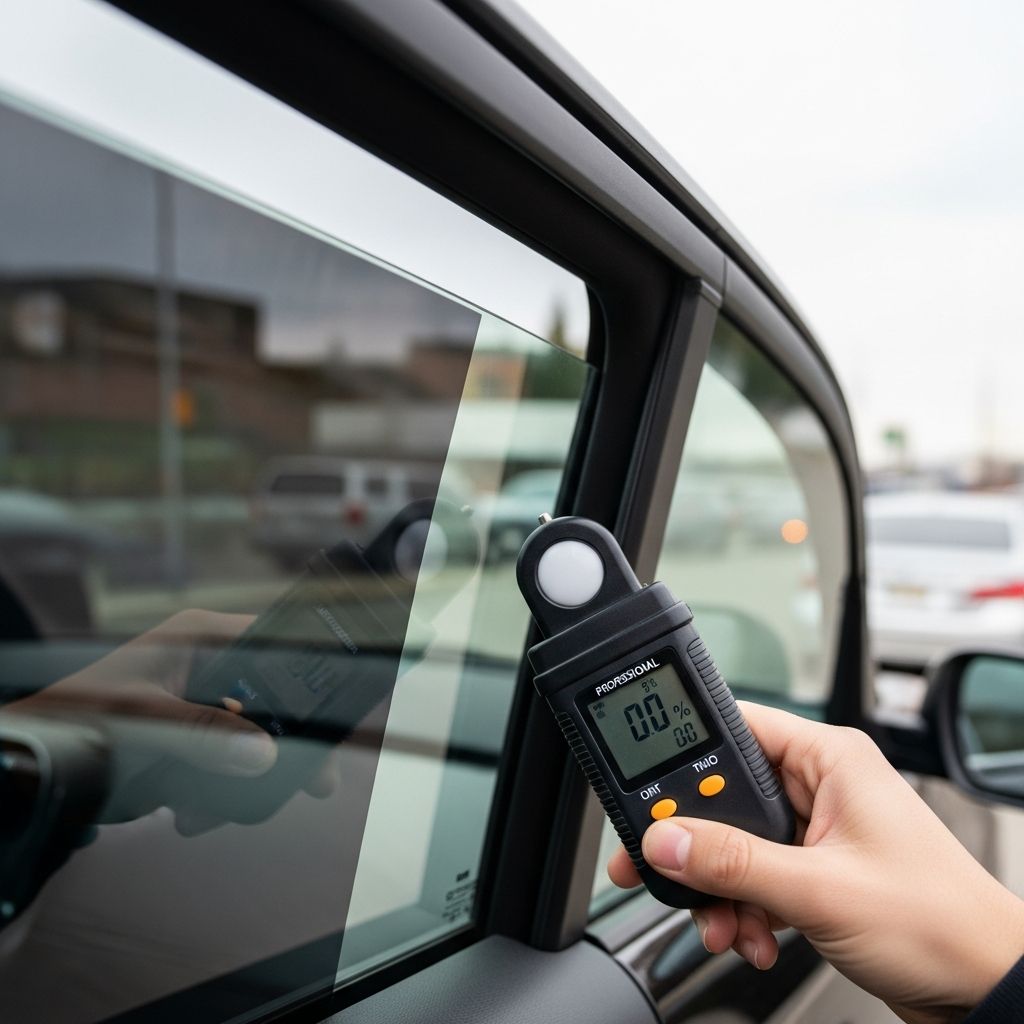
Modifying a vehicle’s appearance through window tinting enhances privacy, reduces glare, and protects interiors from UV damage. However, these customizations must align with state-specific laws designed to prioritize road safety and law enforcement visibility. In California, regulations under Vehicle Code Section 26708 strictly govern tint darkness, measured by Visible Light Transmission (VLT) percentage—the amount of light passing through the glass. Front windows demand high transparency to ensure drivers maintain clear sightlines, while rear areas offer more flexibility.
Why Window Tint Laws Exist
These rules stem from public safety concerns. Dark tints can obscure drivers’ views during low-light conditions or bad weather, increasing collision risks. Officers also need to see inside vehicles during stops to assess threats. California’s standards reflect a balance between aesthetic preferences and these imperatives, with non-compliance leading to citations. Nationally, states vary, but California’s 70% VLT minimum for front side windows is among the strictest, promoting uniform enforcement.
California’s Specific Tint Requirements by Window Type
Compliance hinges on understanding per-window rules. Factory glass already blocks some light, so aftermarket films must account for this when calculating total VLT.
| Window Position | VLT Requirement | Reflectivity | Additional Rules |
|---|---|---|---|
| Windshield | Top 4-5 inches only (non-reflective) | No metallic or mirrored finishes | Must not extend below AS-1 line; no full tinting allowed |
| Front Side Windows | 70% or higher (combined factory + film) | No more reflective than stock glass | Aftermarket film often needs 88% VLT to meet total |
| Rear Side Windows | Any darkness permitted | Prohibited if mirrored | Dual side mirrors required if rear tinted |
| Rear Windshield | Any darkness permitted | Prohibited if mirrored | Dual side mirrors mandatory |
This table summarizes key limits for sedans, SUVs, and vans under 2025-2026 rules. Multi-purpose vehicles like vans follow similar guidelines, ensuring consistency.
Prohibited Features and Common Violations
Beyond VLT, California bans certain characteristics. Reflective or mirrored tints are illegal statewide, as they can dazzle oncoming drivers or hinder police visibility. Colors like red, amber, or blue are forbidden, potentially confusing them with emergency signals. Worn, bubbled, or peeling films also violate codes by obstructing views, requiring immediate removal.
- No stickers or decals on front side windows or windshields, except state-issued ones.
- Dual side mirrors are obligatory if the rear window exceeds standard tint.
- Certification stickers from manufacturers must be displayed, proving compliance.
Violators face ‘fix-it’ tickets, demanding corrections within days, alongside fines up to $25 initially, escalating with repeats.
Medical Exemptions: Who Qualifies and How
Drivers with light-sensitive conditions may seek exemptions. A licensed physician, dermatologist, or optometrist certifies the need, submitting form REG 1001 to the DMV. Approved exemptions allow darker tints on front windows but cap at specific VLT levels and require carrying documentation. Note: Not all applications succeed, and limits apply—no full blackouts. Processing takes weeks, so plan ahead.
Enforcement: How Officers Check Compliance
Police use tint meters during stops to measure VLT on-site. Suspected violations prompt tests; failures incur tickets. Even without meters, visual inspections can lead to pulls-overs if tints appear overly dark. Courts uphold these, prioritizing safety data showing tinted accidents rise with reduced visibility.
State Variations: California vs. Others
While California mandates 70% front VLT, neighbors differ. For instance, some allow 35% on fronts but restrict rears similarly. Always verify local codes before modifications, as interstate travel risks multi-state citations. Tools like state DMV sites provide updates.
Practical Tips for Legal Tinting
Choose certified installers providing compliance stickers. Test films on clear glass samples. For factories-tinted vehicles, consult pros for combined VLT math. Regular maintenance prevents bubbles or cracks triggering stops.
- Select nano-ceramic films for heat rejection without darkening.
- Carry tint certification and vehicle registration.
- Re-tint legally if selling or relocating states.
Penalties and Long-Term Consequences
First offenses often yield fix-it tickets: correct within 30 days, pay minimal fees. Repeat or egregious cases risk $197+ fines, points on licenses, or registration holds until fixed. Impoundment is rare but possible for extreme mods like full blackouts.
Frequently Asked Questions (FAQs)
Can I fully black out my rear windows in California?
Yes, any VLT is legal for rear sides and back, provided dual side mirrors are present and no reflective finishes used.
Is a medical exemption easy to obtain?
It requires professional certification and DMV approval; approvals permit darker fronts but with documentation mandates.
What if my tint fails a meter test?
Expect a fix-it ticket; remove or adjust promptly to dismiss charges and avoid court.
Are SUVs held to different standards?
No, sedans, SUVs, and vans share the same VLT rules in California.
Can I tint over factory glass?
Yes, but total VLT (factory + film) must hit 70% minimum for fronts; aim for 88% film on pre-tinted glass.
Choosing Quality Tint for Compliance and Benefits
Beyond legality, premium tints offer UV protection (up to 99%), heat reduction (by 60%), and shatter resistance. Avoid cheap dyes that fade or purple. Professional application ensures even coverage and warranties.
In summary, adhering to these guidelines keeps your ride customized yet compliant, dodging hassles on the road.
References
- California Window Tint Law Guide 2025 — Terminax. 2025. https://www.terminax.com/blog/california-window-tint-law-guide-2025-stay-legal-with-terminax/
- California Window Tint Law – All You Need To Know — Easton Law Offices. N/A. https://www.eastonlawoffices.com/blog/california-window-tint-law/
- California Window Tinting Laws — Tint Wiz. N/A. https://tintwiz.com/window-tint-laws/california
- California Window Tint Laws 2025 — Paint Protection Film Fresno. 2025. https://paintprotectionfilmfresno.com/california-window-tint-laws/
- California Window Tint Laws 2025: What’s Legal Now — Prestige Law. 2025. https://www.prestigelaw.com/blog/california-window-tint-laws/
- California Window Tinting Laws Explained — Carmedics Autowerks. N/A. https://carmedicsautowerks.com/window-tinting-laws/
- California Window Tint Laws – 2025 Updated — Tinting-Laws.com. 2025. https://www.tinting-laws.com/california/
Similar Articles








Read full bio of medha deb


