
Car Impoundment After a DUI: What Drivers Need to Know
Understand when your vehicle can be impounded after a DUI, how long it may be held, and what it takes to get it back legally and safely.
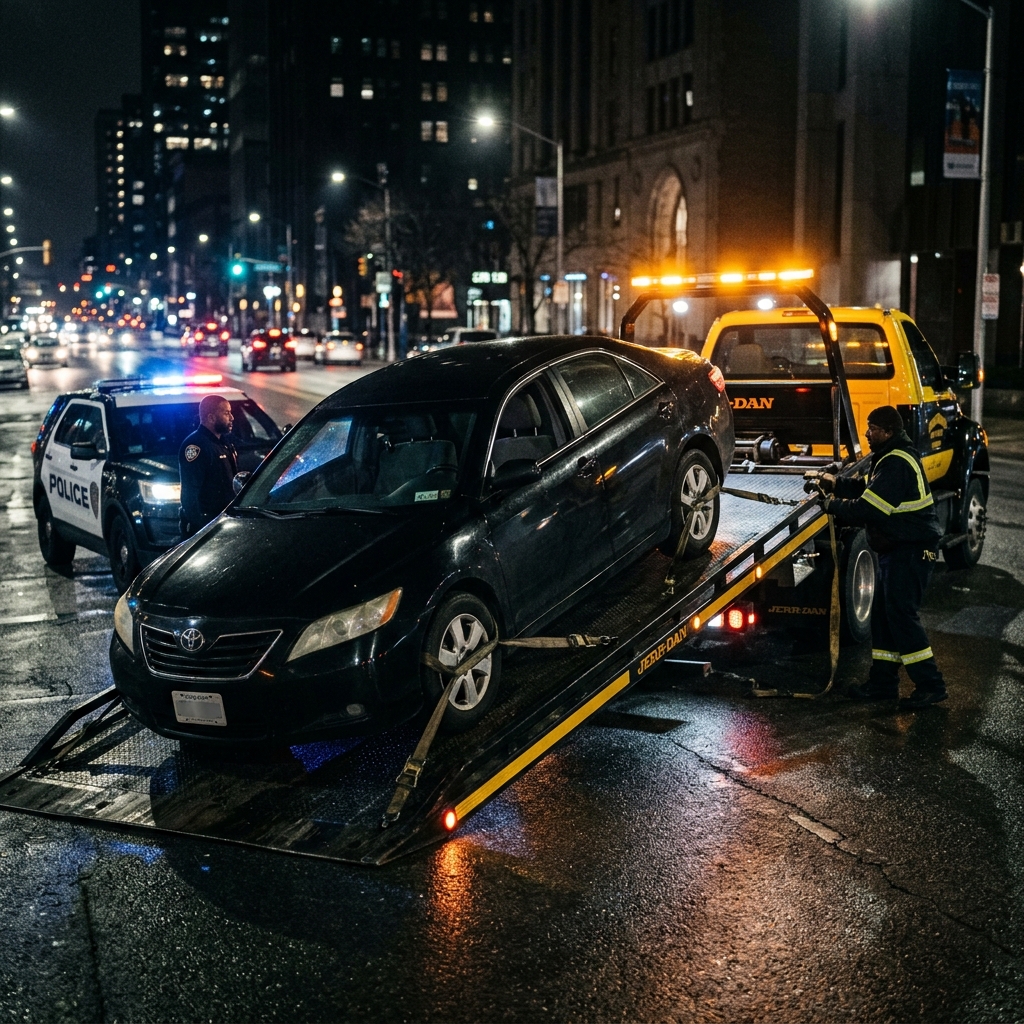
Being arrested for driving under the influence (DUI) affects more than your criminal record and license. In many states, your vehicle can also be impounded, immobilized, or permanently confiscated as a consequence of drunk or drug-impaired driving.
This guide explains when and why cars are impounded after a DUI, how long they may be held, what it costs, and how owners can legally recover their vehicles. It also highlights important differences between criminal penalties and administrative actions handled by government agencies.
Why DUI Arrests Often Lead to Vehicle Impoundment
When police arrest a driver for suspected DUI, they must decide what to do with the vehicle left behind at the roadside, parking lot, or crash scene. Public safety, state law, and the driver’s licensing status all influence this decision.
- Public safety concerns: Officers may impound a car to prevent an intoxicated driver from returning to the vehicle and driving again while still impaired.
- Legal authority: Many states give officers explicit power to tow and impound vehicles when the driver is arrested or has a suspended, revoked, or no license.
- Location and risk: Vehicles left in travel lanes, on highway shoulders, or at crash scenes are more likely to be towed than those parked legally and safely off the roadway.
- Repeat offenses: Some state DUI laws specifically target repeat offenders by allowing or requiring vehicle impoundment after multiple convictions within a defined time window.
In practice, impoundment can occur at the time of arrest or later as part of a court sentence or administrative action.
When States Impose Impoundment for Repeat DUI Offenses
Many DUI statutes focus on drivers who repeatedly violate drunk driving laws. Under some state laws, a driver’s car can be impounded after a second or third DUI offense within a set number of years, often around five.
A typical pattern in these laws includes:
- Look-back period: Prior DUI convictions count if they occurred within a specific period, commonly five years, but this varies by state.
- Escalating consequences: Second and third DUI offenses may trigger mandatory vehicle impoundment, immobilization (for example, booting), or even forfeiture, in addition to fines, jail, and license sanctions.
- Administrative focus: Vehicle penalties are often handled through an administrative process separate from criminal sentencing, which means they can proceed on different timelines and standards.
These policies aim to deter repeat drunk driving and remove vehicles from drivers who have shown a pattern of dangerous behavior.
Administrative Impoundment vs. Criminal Sentencing
It is important to distinguish between criminal penalties ordered by a court and administrative vehicle actions imposed by law enforcement or motor vehicle agencies. Vehicle impoundment and confiscation frequently fall into the second category.
| Aspect | Criminal Court Penalty | Administrative Vehicle Action |
|---|---|---|
| Decision-maker | Judge in a criminal DUI case | Police, DMV, or other agency under statute |
| Trigger | DUI conviction and sentencing | Arrest, prior record, licensing status, or statutory criteria |
| Process | Criminal procedures and rules of evidence | Civil or administrative procedures, hearings, and notices |
| Example sanctions | Fines, jail, probation, mandatory treatment | Impoundment, immobilization, forfeiture, storage fees |
Because impoundment may be an administrative measure, owners can sometimes contest the action in a separate hearing, ask for early release, or argue that they were not responsible for the violation.
Typical Outcomes for Your Car After a DUI Arrest
What happens to the vehicle in the hours following a DUI arrest depends on local practices and state law. Common options include:
- Legally parked and left at the scene
In some jurisdictions, officers simply move the car into a legal parking space nearby and leave it there. After release, the driver can return to retrieve the vehicle, assuming it has not been ticketed or towed for parking violations. - Immediate impoundment
Where safety or statutory rules require towing, the car is removed from the scene and taken to an impound lot. This is common when the driver is alone, very intoxicated, unlicensed, or involved in a crash. - Release to a sober, licensed driver
If a sober passenger with a valid license is present, some officers may allow that person to drive the car home, reducing the chance of impoundment. This option is discretionary and is not available in every case.
Even when the car is not impounded for an extended period, owners may still owe towing charges or face short-term storage fees.
How Long Can a Vehicle Be Impounded?
The length of impoundment is dictated by state statutes and, in some cases, court orders. For certain offenses, laws specify precise time periods.
- Fixed impoundment periods: Some statutes mandate impoundment for up to 30 days for violations related to DUI or driving on a suspended license, and longer for repeat offenses.
- Graduated durations: After a second or third DUI conviction within a defined period, the law may authorize 30-day or 90-day impoundment as part of sentencing.
- Until conditions are met: In some cases, the vehicle remains impounded until the driver obtains a valid license or satisfies other requirements, subject to a maximum period.
- Evidence-related holds: If the car is needed as evidence in a serious crash or injury case, law enforcement may hold it longer, though this is less common in routine DUI stops.
Owners should consult local law or a qualified attorney to understand the specific impoundment rules in their state.
Costs and Fees: Towing, Storage, and Administrative Charges
Impoundment carries substantial financial consequences. Even when the vehicle is ultimately returned, the owner is usually responsible for a range of fees.
- Towing fees: The initial tow from the arrest location to the lot typically incurs a one-time charge. In some jurisdictions, this may range from roughly $150 to $300 or more, depending on distance and conditions.
- Daily storage fees: Impound lots often charge a per-day rate for storing the vehicle. Reported figures in some areas fall between $30 and $50 per day, but local rates vary widely.
- Release or administrative fees: Agencies may impose fixed administrative fees or release charges to cover processing costs, independent of towing and storage.
Failure to pay these fees can lead to serious consequences:
- The lot may refuse to release the vehicle until all charges are paid.
- After enough time passes, the car may be sold at auction to recover costs.
- Owners may lose the vehicle entirely if it is confiscated under applicable forfeiture laws.
Because fees accumulate quickly, prompt action to recover the vehicle is often financially critical.
Steps to Get Your Car Back From an Impound Lot
Although procedures differ by jurisdiction, most impound lots and agencies follow a similar set of requirements before releasing a vehicle to its owner.
1. Verify That You Are Eligible to Retrieve the Vehicle
- You generally must be the registered owner of the car to reclaim it from impound.
- In some states, a non-driving owner whose car was impounded because another person committed the violation may petition the court or agency for release.
2. Assemble Required Documentation
Expect to present several forms of proof:
- Tow or impound receipt issued by the police at the time of arrest or afterward.
- Photo identification, such as a government-issued ID or driver’s license.
- Proof of ownership, often vehicle registration or title documents.
- Evidence of valid insurance on the vehicle, where required.
3. Pay All Applicable Fees
Before the vehicle is released, you will usually need to pay:
- Towing charges
- Accrued storage fees
- Administrative or release fees
Payment methods depend on local rules and the towing company; many lots require prompt payment and may insist on cash, card, or exact change.
4. Comply With Any Additional Conditions
In some cases, further requirements must be met before release:
- Obtaining a release form from the police department or court.
- Proving that a licensed, sober driver will remove the vehicle from the lot if you are not permitted to drive.
- Waiting out a mandatory impoundment period if the law requires a fixed number of days before the car can be returned.
Owner Rights and Options in Administrative Impoundment
Owners are not always without recourse when their vehicles are impounded following a DUI-related event. Many statutes and policies provide ways to challenge or modify impoundment.
- Administrative hearings: In some states, you can request a hearing to contest whether the impoundment was lawful or whether the vehicle should be released sooner.
- Petitions by non-driver owners: Where the vehicle’s owner was not driving at the time of the offense, laws may allow that owner to petition for release if they can show they did not contribute to the violation.
- Effect of acquittal or dismissal: Certain statutes provide that if underlying charges (for example, driving without a license) are later dismissed or the driver is acquitted, the impoundment order must be rescinded.
Because the rules are technical and jurisdiction-specific, legal advice from a knowledgeable DUI or traffic attorney is often essential.
Practical Tips to Reduce Impoundment Risk and Costs
While the surest way to avoid impoundment is not to drive impaired, there are practical steps drivers and vehicle owners can take to reduce harm if a DUI arrest occurs.
- Keep registration and insurance current: Valid documents make it easier to recover your car and may reduce certain penalties.
- Do not lend your car casually: Allowing someone with a poor driving record or known substance issues to use your vehicle may increase the risk it will be impounded and, in some states, forfeited under repeat-offender rules.
- Designate a sober driver: If you expect to drink, arranging safe transportation in advance helps prevent DUI arrests and resulting impoundment.
- Act quickly after arrest: Contact the impound lot promptly, gather documents, and pay fees as soon as possible to limit storage costs.
- Consult an attorney: Legal counsel can explain your rights, help contest administrative actions, and address both vehicle and license consequences.
FAQs About Car Impoundment After a DUI
Is my car automatically impounded after every DUI arrest?
No. While impoundment is common, it is not automatic in every jurisdiction. Officers often have discretion depending on factors such as whether a sober, licensed passenger can drive the car home or whether the vehicle is safely parked.
Can my car be taken permanently because of a DUI?
In some states, repeat DUI offenses or related violations can lead to vehicle confiscation or forfeiture through an administrative process. This is more likely when the driver has multiple prior convictions within a statutory look-back period.
Do I still have to pay impound fees if the charges are dropped?
Even if criminal charges are reduced or dismissed, owners are generally responsible for towing and storage costs already incurred. However, some statutes require that impoundment orders be rescinded after dismissal or acquittal of specific underlying offenses, which may affect ongoing costs.
What if I am not the person who was driving when the DUI happened?
Where the registered owner was not driving, certain laws allow that owner to petition a court for release of the vehicle, particularly if they can show they did not authorize or contribute to the offending behavior. The details differ by jurisdiction.
Can I retrieve personal belongings from an impounded car?
Many impound lots permit owners or authorized individuals to remove personal items from the vehicle, even before all fees are paid. You may be asked to show identification and ownership documents, and access may be supervised.
References
- Car Impoundment After a DUI — FindLaw. 2023-05-10. https://www.findlaw.com/dui/cases/car-impounded-after-a-dui.html
- What Happens to Your Vehicle After a DUI Arrest in CA? — Socal Defense Lawyer. 2024-02-01. https://socaldefenselawyer.net/blog/what-happens-to-your-vehicle-after-a-dui-arrest-in-ca-consequences-and-outcomes/
- Will My Car Be Impounded After a DUI Arrest in California? — Gregg Cohen Law. 2023-09-15. https://www.greggcohenlaw.com/blog/car-impounded-after-dui-arrest/
- 46.2-301.1. Administrative Impoundment of Motor Vehicle for Certain Offenses — Code of Virginia. 2020-07-01. https://law.lis.virginia.gov/vacode/title46.2/chapter3/section46.2-301.1/
- Your Car Following a DUI in Virginia — VirginiaCriminalLaws.com. 2022-11-03. https://virginiacriminallaws.com/virginia-dui-lawyer/your-car/
Similar Articles








Read full bio of Sneha Tete




