
Florida Car Accident Claims: A Complete Guide To Recovering Now
Essential guide to navigating car accident injury lawsuits, from initial steps to securing fair compensation in no-fault states.
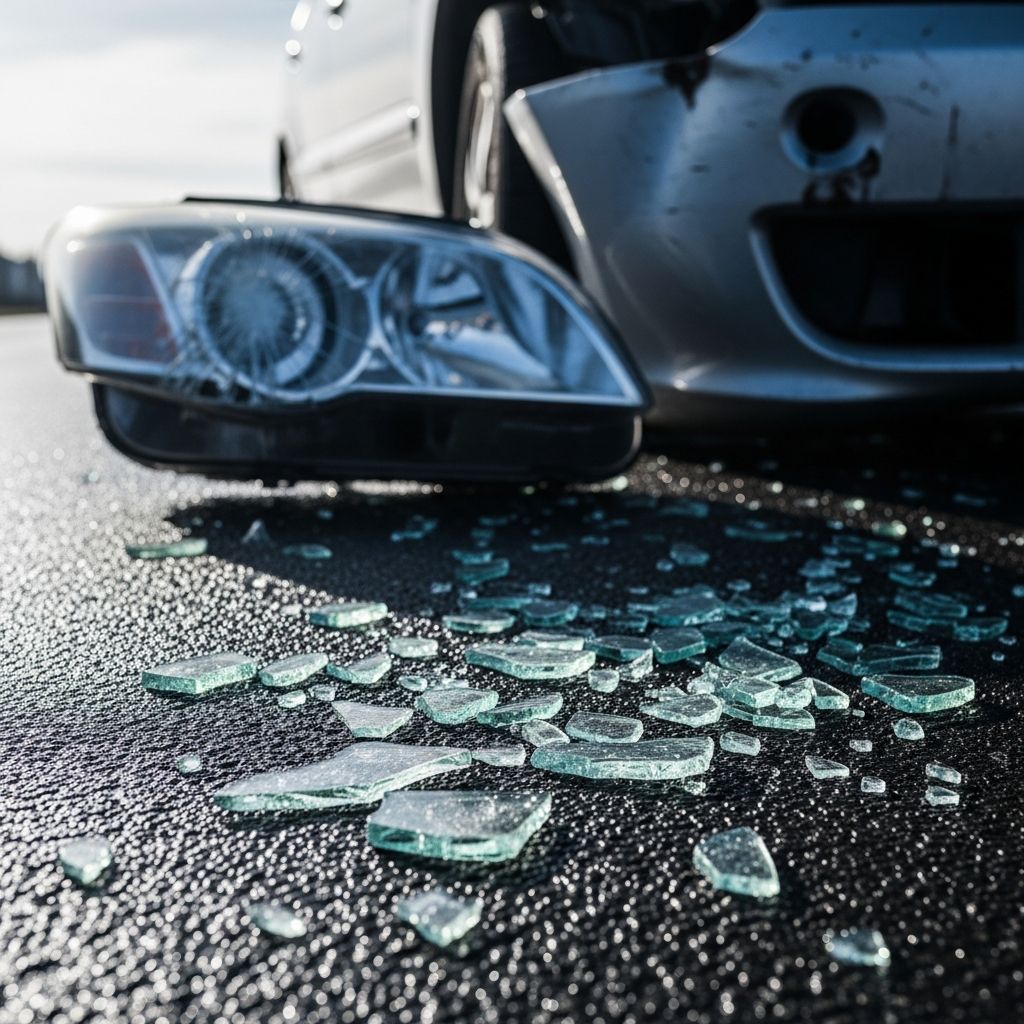
Car accidents often lead to serious injuries requiring legal action to recover compensation. Understanding the process, from immediate steps to potential lawsuits, empowers victims to protect their rights effectively.
Immediate Actions Following a Vehicle Collision
After a crash, prioritize safety and documentation. Move to a secure location if possible, check for injuries, and call emergency services for medical evaluation. Florida law requires reporting accidents causing injury, death, or property damage over $500 to police.
- Exchange contact and insurance details with other drivers.
- Photograph the scene, vehicle damage, and injuries.
- Obtain witness statements and police reports promptly.
- Seek medical attention even for minor symptoms, as delayed issues like whiplash are common.
These steps preserve evidence crucial for proving fault and damages later.
Understanding No-Fault Insurance Systems
Florida operates as a no-fault state, meaning drivers file initial claims with their own insurer regardless of fault. Personal Injury Protection (PIP) covers 80% of medical bills and 60% of lost wages up to policy limits, typically $10,000.
| Coverage Type | What It Pays | Limitations |
|---|---|---|
| PIP (No-Fault) | 80% medical, 60% wages | $10,000 cap; own policy only |
| Liability (At-Fault Driver) | Full damages beyond PIP | Requires serious injury threshold |
| Bodily Injury (Optional) | Pain/suffering, extras | Not mandatory; varies by policy |
To pursue the at-fault driver’s insurer, victims must demonstrate ‘serious injury’ such as permanent scarring, significant loss of function, or death.
Proving Negligence in Collision Cases
Successful claims hinge on four negligence elements: duty of care, breach, causation, and damages.
- Duty: All drivers must operate vehicles reasonably to avoid harming others.
- Breach: Occurs via reckless speeding, distracted driving, or DUI.
- Causation: The breach directly leads to the injury.
- Damages: Verifiable medical costs, lost income, pain.
Evidence like dashcam footage, expert reconstructions, and medical records strengthens these proofs.
Legal Time Limits for Filing Claims
Statutes of limitations dictate filing deadlines. Post-March 24, 2023, Florida limits personal injury suits to two years from the incident, down from four. Missing this forfeits rights permanently.
- Government vehicles: Notice within three years, suit in two.
- Discovery rule: Starts from injury awareness in some cases.
- Tolling exceptions: Minor status or incarceration may extend.
Act swiftly; evidence degrades over time.
Types of Compensation Available
Injured parties can seek economic and non-economic damages.
Economic Damages
Quantifiable losses including hospital bills, rehab, wage loss, and property repair. Future projections via expert testimony account for ongoing care.
Non-Economic Damages
Pain, suffering, emotional distress. In no-fault states, requires surpassing the serious injury threshold. Punitive damages apply for egregious conduct like intoxication.
| Damage Category | Examples | Proof Required |
|---|---|---|
| Economic | Medical bills, lost wages | Receipts, pay stubs, expert reports |
| Non-Economic | Pain, loss of enjoyment | Medical notes, therapy records |
| Punitive | Gross negligence | Police reports, witness accounts |
Step-by-Step Lawsuit Timeline
Most claims settle pre-trial, but lawsuits follow structured phases.
- Attorney Consultation: Evaluate case viability free of charge.
- Treatment Completion: Document full recovery extent.
- Insurance Claim: Submit to own PIP, then at-fault if qualified.
- Demand Package: Attorney compiles evidence, negotiates settlement.
- Discovery: Exchange documents, depositions, interrogatories.
- Motions/Trial: Pre-trial rulings; jury decides if no settlement.
- Appeal/Collection: Enforce judgment.
Duration varies: 6-18 months for settlements, 1-3 years for trials.
Handling Shared Fault Scenarios
Comparative negligence apportions damages by fault percentage. Florida’s pure system allows recovery if under 51% at fault, reduced proportionally. Juries assess based on evidence like traffic cams and statements.
- 20% fault: Recover 80% of damages.
- Over 50%: Barred from recovery.
Contributory factors include speeding or failure to yield.
Costs and Attorney Fees
Personal injury lawyers work on contingency: no win, no fee. Fees range 33-40% of recovery, covering investigations and experts. Costs like filing fees advance and deduct from settlements.
When to Engage Legal Help
Consult an attorney if injuries exceed PIP, disputes arise, or insurers lowball offers. Early involvement prevents pitfalls like recorded statements harming cases.
Frequently Asked Questions
Do I need a lawyer for a minor crash?
For simple property damage, no. But injuries warrant professional guidance to navigate no-fault complexities.
Can I sue my own insurer?
Yes, for bad faith denial after exhausting appeals.
What if the at-fault driver is uninsured?
Uninsured motorist coverage steps in if purchased; otherwise, limited options exist.
Does a police report prove fault?
It aids but isn’t conclusive; courts review all evidence.
How is case value calculated?
Multiplies medical costs by pain factor (1-5) plus specials; unique to facts.
Maximizing Your Recovery
Avoid social media posts, adhere to treatment, and communicate via attorney. Thorough documentation yields better outcomes. Recent law tightening deadlines underscores urgency.
In summary, car crash claims blend insurance procedures with litigation strategy. Knowledge of no-fault rules, negligence proofs, and timelines positions victims for just compensation.
References
- Car Accident FAQs: Common Questions & Answers for Florida Drivers — Tragos Law. 2023. https://www.tragoslaw.com/personal-injury-guide/car-accident-faqs/
- Personal Injury Lawsuit Process in Florida – A Step-by-Step Guide — Farah & Farah. 2023. https://farahandfarah.com/faqs/personal-injury-lawsuit-process-in-florida-a-step-by-step-guide/
- Frequently Asked Questions about Personal Injury — The Fernandez Law Group. 2023. https://thefernandezlawgroup.com/personal-injury/personal-injury-resources/frequently-asked-questions-about-personal-injury/
- Miami Personal Injury FAQ — Shaked Law. 2023-03-24. https://shakedlaw.com/personal-injury-resources/miami-personal-injury-faq/
- Common Questions About Personal Injury Cases — Gemma Law. 2023. https://gemmalaw.com/faqs/common-questions-about-personal-injury-cases/
- Personal Injury FAQs – Florida Accident and Injury Claim Answers — Victim Aid. 2023. https://www.victimaid.com/faqs/personal-injury-faqs/
- Personal Injury Law FAQs — Justia. 2023. https://www.justia.com/injury/faqs/
Similar Articles








Read full bio of Sneha Tete




