
What To Do If You Can’t Afford Your Payday Loan
Practical steps, legal protections, and safer alternatives to help you escape payday loan debt and regain financial control.
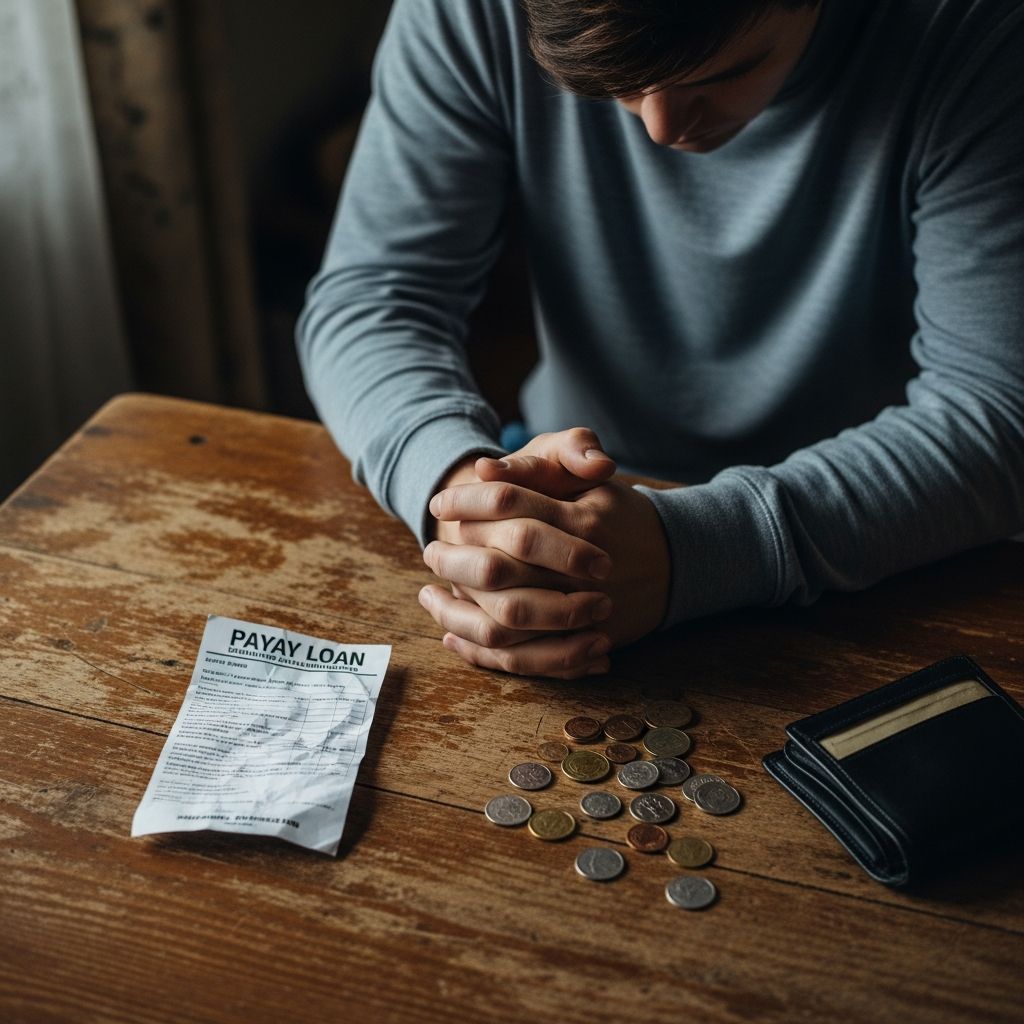
Payday loans are marketed as quick, simple fixes for money emergencies. In reality, their very high costs and short repayment terms can trap many borrowers in a cycle of debt. If you are unable to repay your payday loan, you still have options. This guide explains practical steps you can take, your legal rights, and safer alternatives so you can move toward lasting financial stability.
Understanding Why Payday Loans Are So Hard To Repay
Before choosing your next step, it helps to understand why payday loans are difficult to escape. Many borrowers discover that repaying the loan in full by their next payday is unrealistic, even if the borrowed amount was small.
- Very high costs: Payday loans often carry fees that translate to annual percentage rates (APRs) of around 400% or more, far higher than most credit cards or personal loans.
- Short repayment period: Payment is usually due in one lump sum on your next payday, leaving little room for budgeting or emergencies.
- Repeated rollovers: Many borrowers cannot afford the full payoff and instead pay new fees to extend the loan, entering a long-term debt cycle.
- Automatic payment access: Lenders often require access to your bank account through a post-dated check or electronic withdrawal authorization, which can lead to overdrafts if funds are insufficient.
These features are why many consumer advocates and regulators describe payday products as high-risk and potentially harmful, especially for people already facing financial stress.
Immediate Steps If You Can’t Make Your Payday Loan Payment
If you know you will not be able to repay your payday loan on time, act quickly. Taking control early gives you more options and can limit additional fees and damage.
1. Prioritize Essential Expenses First
Protect the basics before everything else. Missing a loan payment is serious, but losing housing or utilities can be worse for your long-term stability.
- Rent or mortgage
- Utilities (electricity, heat, water)
- Food
- Transportation you need for work
- Childcare required for employment
Once you cover these needs, you can see what remains for debt payments and negotiations.
2. Contact the Payday Lender Proactively
Many people avoid their lender when they cannot pay, but reaching out may give you more flexibility. Explain your situation clearly and request written confirmation of any arrangements they offer.
- Ask whether they offer any form of extended payment plan or payment schedule.
- Request that they stop additional attempts to withdraw funds while you negotiate.
- Keep notes of the date, time, and the name of anyone you speak with.
Some states require payday lenders to offer extended payment plans at no extra cost after certain conditions are met, such as after a number of rollovers. Check your state rules so you know what to request.
3. Protect Your Bank Account From Repeated Withdrawals
If the lender has permission to pull money from your bank account, multiple failed attempts can trigger overdraft fees and drain funds needed for essentials.
- Consider asking your bank how you can block further debits from the lender, such as revoking authorization or issuing a stop-payment order.
- Monitor your account closely for any unexpected withdrawals.
- As a last resort, some borrowers move their remaining balance to a new account, though you should seek advice before doing so, as your obligation to repay the loan remains.
Banks and credit unions in the U.S. must follow federal rules governing electronic fund transfers and unauthorized withdrawals, which may give you some protections if a lender takes money without valid authorization.
4. Document Everything
Good records can help if a dispute arises with the lender or a collector.
- Save your loan agreement and any emails or letters.
- Write down all phone conversations: date, time, who you spoke with, and what they said.
- Keep copies of bank statements showing withdrawals or fees related to the loan.
How Nonpayment Can Affect You
Not paying a payday loan has consequences, but there are limits to what a lender or collector can do. Understanding both sides helps you make informed decisions.
| Possible Outcome | What It Means |
|---|---|
| Additional fees and interest | The lender may charge more fees or interest according to your contract and state law, increasing the total you owe. |
| Collection efforts | Your account may be sent to in-house or third-party collectors, who may call or write to seek payment. |
| Credit damage | If the lender or collector reports to credit bureaus, missed payments and default could lower your credit score. |
| Possible lawsuit | If you do not repay, the creditor may sue in civil court. If they win, they might be able to garnish wages or place a lien, depending on state law. |
Your Rights When Dealing With Payday Lenders and Collectors
Even if you are behind on payments, you still have important rights under U.S. law. Debt collectors and some lenders must comply with the federal Fair Debt Collection Practices Act (FDCPA) and other consumer protection rules.
Protections Against Harassment and Abuse
Under federal law, debt collectors cannot:
- Threaten violence or use obscene or abusive language.
- Call at unusual times (generally before 8 a.m. or after 9 p.m., local time) without your consent.
- Repeatedly call with the intention to harass you.
- Lie about who they are, the amount you owe, or the consequences if you do not pay.
Limits on Contacting You at Work or With Others
- If you tell a collector (orally or in writing) that your employer does not allow calls at work, they must stop calling you there.
- Collectors may contact other people only to obtain your contact information, and they generally cannot discuss your debt with them.
Right To Written Information About the Debt
Collectors must provide a written notice with key information about the debt, including the amount owed and the name of the creditor. If you dispute the debt in writing within a set period, they must stop collection efforts until they provide verification.
Illegal Threats of Arrest or Criminal Charges
Failure to pay a consumer debt, including a payday loan, is a civil matter, not a crime. Collectors cannot legally threaten you with arrest, jail, or criminal prosecution for not paying a payday loan. If someone makes such threats, it is a red flag for illegal collection conduct, and you can report it to regulators or state authorities.
Safer Ways To Handle Payday Debt
Getting out of a payday loan often requires changing the way the debt is structured, seeking help, and sometimes replacing it with a lower-cost option. Here are several strategies to consider.
1. Ask for an Extended or Installment Plan
Some lenders or state laws allow borrowers to convert a single-payment payday loan into a series of installment payments.
- Payments are spread over several pay periods instead of one lump sum.
- Total costs may still be high, but this can make the debt more manageable.
- In certain states, lenders must offer this option once you meet eligibility rules.
Always get the new terms in writing and compare the total cost to other alternatives.
2. Explore a Payday Alternative Loan (PAL) From a Credit Union
Some federal credit unions offer Payday Alternative Loans (PALs), designed as a safer substitute for payday loans.
- Loan amounts are typically modest (for example, a few hundred to around $1,000).
- Repayment periods range from one to several months, giving more time to repay.
- Interest rates are capped at a much lower level than typical payday loans (for example, a maximum APR of 28% for certain PAL products).
If you are eligible to join a credit union, this can be a significantly cheaper way to refinance or replace payday debt.
3. Consider Other Lower-Cost Credit Options
Depending on your situation and credit profile, other forms of credit may be less expensive than a payday loan:
- Small personal loan: Banks, credit unions, and some online lenders offer personal loans with fixed payments over months or years. Even for borrowers with weaker credit, rates are often far below payday APRs.
- Credit card or cash advance: While interest can still be high and fees may apply, many credit cards have lower APRs than payday products and allow flexible repayment.
- Overdraft line of credit: Some banks offer overdraft lines that, while not ideal, may cost less than repeated payday borrowing.
Before choosing any option, compare the total cost (fees plus interest), monthly payment, and risk of falling behind again.
4. Work With a Nonprofit Credit Counselor
Nonprofit credit counseling agencies can review your entire financial picture and help you build a realistic plan. Many offer free or low-cost sessions.
- They analyze your budget, debts, and goals.
- They may help you negotiate with creditors or create a debt management plan, consolidating eligible debts into one structured monthly payment.
- Some agencies work directly with payday lenders to reduce interest and stretch out repayment.
Choose a reputable, nonprofit agency; in the U.S., national organizations and HUD-approved housing counseling agencies can be good starting points.
5. Seek Community or Social Support Instead of More High-Cost Borrowing
In a real emergency, you may have alternatives that do not involve high-cost loans:
- Local charities, faith communities, or social service agencies that help with rent, utilities, or food.
- Payment plans with utility companies, medical providers, or landlords.
- Emergency assistance programs at the city, county, or state level for qualifying households.
These options may not be as fast as a payday loan, but they can prevent your situation from worsening and help you avoid new, expensive debt.
How To Reduce the Chances of Future Payday Borrowing
After addressing the immediate crisis, taking small, steady steps can reduce the likelihood of needing another payday loan.
Build a Modest Emergency Cushion
You do not need a large amount saved to make a difference. Even a small emergency fund can prevent another high-cost loan.
- Start by setting aside a few dollars from each paycheck.
- Use a separate savings account so you are less tempted to spend it.
- Increase contributions gradually as your budget allows.
Review and Adjust Your Budget
Look for areas where you can lower spending or increase income to create room for savings and debt repayment.
- Track every expense for a month to see where your money really goes.
- Identify nonessential costs you can reduce, even temporarily.
- Consider temporary extra income sources, such as additional shifts or side work, if feasible.
Use Credit More Strategically
If you must borrow, aim for products that are less risky than payday loans.
- Maintain at least one low-cost bank or credit union account.
- Use credit cards cautiously and pay more than the minimum when possible.
- Explore membership in a credit union to gain access to PALs and other affordable products.
Frequently Asked Questions (FAQs)
Q1: Can I go to jail for not repaying a payday loan?
No. Payday loans are civil debts. You cannot be jailed simply for not paying a consumer loan. Threats of arrest or criminal charges for nonpayment are illegal debt collection tactics, and you can report them to state or federal regulators.
Q2: What if the lender keeps pulling money from my bank account?
Contact your bank or credit union immediately and ask how to revoke authorization or place a stop payment on further withdrawals. Also notify the lender in writing that you are revoking authorization. Keep records of all communications and monitor your account for additional attempts.
Q3: Will defaulting on a payday loan hurt my credit score?
It can. Some payday lenders or the collection agencies they use report to major credit bureaus. If they do, late payments, collection accounts, or judgments may appear on your credit report and lower your score. Ask the lender whether they report to credit bureaus and review your credit reports regularly.
Q4: Is it better to take out another payday loan to pay off the first one?
In most cases, no. Taking another payday loan often adds new fees and does not solve the underlying problem. Instead, explore extended payment plans, lower-cost loans, nonprofit credit counseling, or community assistance programs.
Q5: How can I find a reputable nonprofit credit counseling agency?
Look for organizations that are accredited, nonprofit, and offer a clear description of fees and services before you enroll. National nonprofit agencies and HUD-approved housing counselors are often subject to quality standards and oversight. Avoid agencies that pressure you to sign up immediately or guarantee that they can erase your debts.
References
- You Could Save Money With A Payday Loan Alternative — Bankrate. 2023-08-10. https://www.bankrate.com/loans/personal-loans/alternatives-to-payday-loans/
- 5 Alternatives to Payday Loans — Fulton Bank. 2022-05-05. https://www.fultonbank.com/Education-Center/Managing-Credit-and-Debt/5-alternatives-to-payday-loans
- 10 Alternatives to Payday Loans — Experian. 2023-06-15. https://www.experian.com/blogs/ask-experian/payday-loan-alternatives/
- 7 Alternatives to Consider Before Taking Out a Payday Loan — American Express. 2023-02-21. https://www.americanexpress.com/en-us/credit-cards/credit-intel/alternatives-to-fast-payday-loans/
- Payday Loan Consolidation — Money Fit by DRS. 2024-01-12. https://www.moneyfit.org/payday-loan-consolidation/
- Better Alternatives to Payday Loans — A+ Federal Credit Union. 2022-11-03. https://aplusfcu.org/blog/better-alternatives-to-payday-loans
- Payday Loan Alternatives — StepChange Debt Charity. 2023-04-27. https://www.stepchange.org/debt-info/considering-a-payday-loan.aspx
Similar Articles








Read full bio of Sneha Tete




