
Can You Sue Your Landlord for Black Mold?
Understand when black mold makes a rental uninhabitable, what your landlord must do, and how tenants can protect their health and legal rights.
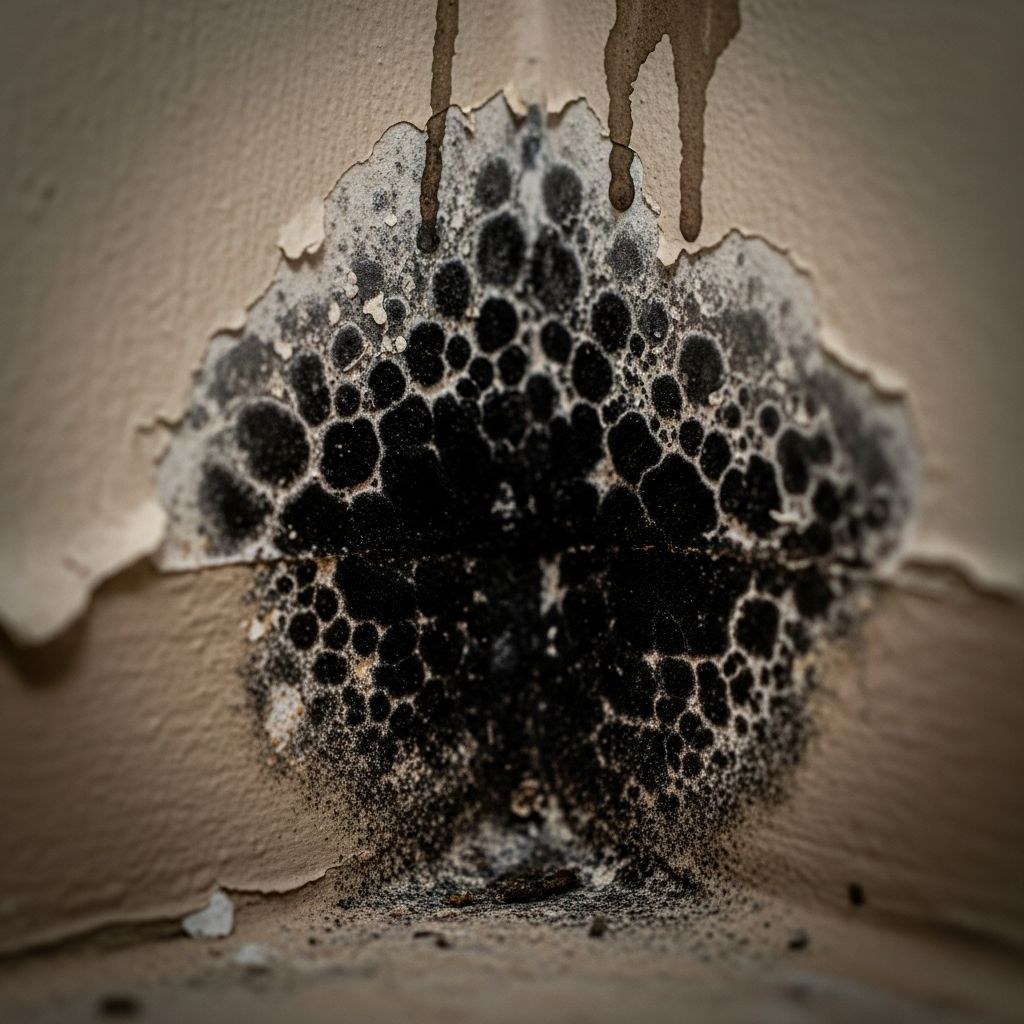
Black mold in a rental property is more than an unpleasant sight. It can affect your health, damage your belongings, and raise serious questions about whether your landlord has met their legal duties to keep the home safe and habitable.
This guide explains how mold problems in a rental turn into legal issues, when a tenant can sue, and which practical steps to take before, during, and after a dispute.
Understanding Black Mold and Why It Matters Legally
“Black mold” is a common term for several dark-colored molds, including Stachybotrys chartarum, that grow in damp indoor environments. U.S. public health agencies recognize that indoor mold growth can cause or worsen respiratory symptoms, especially in people with asthma, allergies, or weakened immune systems.
| Issue | Why It Matters for Tenants | Why It Matters for Landlords |
|---|---|---|
| Health effects | Coughing, wheezing, nasal congestion, and asthma flare-ups can disrupt daily life and work. | Ignoring health complaints can lead to medical-damage claims and larger lawsuits. |
| Property damage | Clothing, furniture, and personal items can be stained or destroyed. | Unchecked moisture can damage walls, floors, and building systems, raising repair costs. |
| Habitability | Severe mold can make a unit effectively unlivable, justifying moving out or withholding rent in many states. | Most states require landlords to provide safe, habitable housing; mold can violate that duty. |
The Landlord’s Basic Legal Duty: Habitability
In most U.S. states, residential leases are governed by an implied warranty of habitability, a legal rule that requires landlords to keep rental units reasonably safe and fit to live in, even when the lease does not spell this out in detail.
While state laws differ, courts and legislatures often treat serious, uncorrected moisture and mold problems as violations of this warranty because they can affect health and safety.
Common Landlord Responsibilities Related to Mold
- Maintaining roofs, exterior walls, and plumbing so that leaks and floods are promptly repaired.
- Providing adequate heating and, where promised, ventilation systems to help control humidity.
- Responding within a reasonable time when tenants report leaks, water intrusion, or visible mold growth.
- Complying with any state or local rules about mold disclosure, inspection, or remediation where they exist.
Tenant Responsibilities That Affect Mold Claims
Tenants also have duties, and these obligations can determine whether a landlord is legally at fault. Typical tenant responsibilities include:
- Using fans, bathroom exhausts, or windows when feasible to reduce excess humidity.
- Promptly notifying the landlord in writing about leaks, water damage, or mold patches.
- Keeping the unit reasonably clean and avoiding practices that create chronic dampness, such as drying wet clothes on unventilated surfaces.
If mold growth results mainly from a tenant’s misuse of the property or failure to report issues, a court may reduce or eliminate the landlord’s liability.
When Mold Problems Become a Legal Claim
Mold in a rental does not automatically equal a winning lawsuit. Courts usually look at whether the landlord acted reasonably once they knew or should have known about the problem, and whether the situation was serious enough to affect habitability or health.
Key Elements in a Mold Case Against a Landlord
- Notice: The landlord was told about leaks, dampness, or visible mold, or the condition existed long enough that they reasonably should have discovered it.
- Failure to act: The landlord did not investigate, repair, or arrange remediation within a reasonable time after notice.
- Serious condition: The mold or underlying moisture problem was extensive, recurring, or affected critical areas such as bedrooms and bathrooms.
- Harm: You experienced health issues, lost or damaged property, or lost use of the home as a result.
- Causation: Medical records, expert reports, or other evidence connect the landlord’s inaction to your harm.
Typical Legal Theories Tenants Use
- Breach of the warranty of habitability: Claiming the landlord failed to maintain safe, livable conditions.
- Negligence: Arguing the landlord did not act as a reasonable property owner would after being informed of leaks or mold.
- Breach of lease: Pointing to specific promises in the rental agreement about maintenance or repairs that were not honored.
- Failure to disclose: In some states, landlords must disclose known mold problems or provide informational materials about mold; violation of these laws can support a claim.
Health and Safety: When Mold Makes a Home Unlivable
Public health agencies emphasize that no amount of indoor mold is desirable, but they also note that the risk increases with the amount of moisture and the size of the affected area.
- Small, isolated spots (for example, on shower grout) may be treated as routine cleaning issues.
- Widespread, recurring growth on walls, ceilings, carpets, or HVAC systems suggests a structural or moisture problem that landlords must address.
- People with asthma, allergies, or compromised immune systems are more vulnerable to mold-related symptoms and may experience significant health effects even with moderate growth.
If your home becomes unsafe for you or your household because of mold, state law may allow you to:
- Request emergency repairs or code inspections from local housing authorities.
- Withhold rent or pay for certain repairs and deduct the cost, if your state’s laws permit and you follow required procedures.
- Terminate the lease and move out if the landlord fails to correct the problem within a reasonable time.
Practical Steps to Take Before You Sue
Before filing a lawsuit, you strengthen your position by documenting the issue and giving the landlord a fair chance to fix it, unless your safety is at immediate risk.
1. Document the Problem Thoroughly
- Take clear, dated photos or video of any visible mold, stains, or water damage.
- Note any musty odors, condensation, or soft spots in walls and floors.
- Keep a log of when you first observed the issue and how it has changed over time.
- Save receipts for items you need to replace due to mold damage.
2. Notify the Landlord in Writing
- Send a dated letter, email, or message through your landlord’s designated system describing the problem in detail.
- Request both short-term measures (like dehumidifiers) and a permanent fix for leaks or structural defects.
- Ask for a response or inspection by a specific reasonable deadline.
3. Seek Medical and Technical Evidence
- Consult a health-care provider if you experience respiratory or allergy symptoms and mention your mold exposure.
- Ask whether your symptoms could be related to damp or moldy conditions and keep copies of records and prescriptions.
- Consider a professional inspection if you can afford it; a report from a qualified indoor air or mold specialist can help establish the extent of the problem.
4. Explore Local Non-Court Options
- Contact your city or county housing or building department to request an inspection for code violations.
- Look for local tenant-rights organizations that can help you understand state and city rules.
- Check whether your state offers mediation services for landlord–tenant disputes.
Types of Legal Remedies Tenants May Seek
If informal efforts fail and the situation is serious, a tenant may consider legal action. Depending on state law and the severity of the case, available remedies may include:
- Rent abatements or refunds: Lowering or returning part of the rent for periods when the home was uninhabitable.
- Repair costs: Reimbursement for out-of-pocket mold-related repair or remediation expenses that the landlord should have covered, if state law permits.
- Property damage: Compensation for personal belongings that were reasonably damaged by mold.
- Medical costs: Payment or reimbursement for medical treatment and medications linked to mold-related illness, when supported by medical evidence.
- Relocation costs: Coverage for moving and temporary housing if you had to leave because the unit was unsafe.
- In severe cases, pain and suffering: Some jurisdictions allow recovery for significant physical or emotional distress when the landlord’s conduct was especially irresponsible.
Because each state defines remedies differently and many impose special procedures or limits, speaking with a local attorney is crucial before deciding whether to sue.
When the Tenant May Be Partly or Fully Responsible
Landlords often argue that mold resulted from a tenant’s actions or inactions, rather than from building defects. Courts may assign responsibility based on the facts of each case.
Situations in which a tenant may share or bear full responsibility include:
- Consistently failing to use available exhaust fans or to open windows in high-moisture rooms when feasible.
- Blocking vents, stacking items tightly against exterior walls, or creating conditions that trap moisture.
- Never reporting leaks or overflows, allowing damage to worsen.
- Ignoring mold for long periods when the lease required prompt notice of problems.
Even in these situations, the landlord might still have some obligations once they become aware of extensive mold or moisture damage. Responsibility can be shared, which is another reason thorough documentation and clear communication matter.
Special State Rules About Mold
Only a handful of states have detailed statutes dealing specifically with mold in rental housing, but these laws can shape both your rights and your landlord’s obligations.
- Disclosure laws: Some states require landlords to inform tenants about known mold problems or to provide educational materials about mold and health.
- Inspection and reporting rules: In certain jurisdictions, move-in reports must note the presence or absence of visible mold, and landlords may have tight deadlines to remediate if mold is found.
- Health department guidance: State or local health agencies may issue nonbinding guidance on how quickly landlords should respond to mold complaints and how remediation should be performed.
Because these rules differ widely, tenants should check their own state’s statutes and local housing codes or consult a lawyer to understand the exact requirements in their area.
Frequently Asked Questions About Suing for Black Mold
Q: Do I need to prove that the mold is a specific toxic species?
A: In many cases, you do not have to identify the exact species of mold to make a claim. Courts typically focus on whether the landlord allowed damp, moldy conditions that affected health or habitability, not on lab-confirmed toxicity. However, expert testing can strengthen serious health-related cases.
Q: Can I stop paying rent if there is black mold?
A: Some states allow tenants to withhold rent or pay for repairs and deduct the cost when a landlord fails to address serious conditions, including mold. These laws usually require specific notices and timelines. Withholding rent without following the proper steps can lead to eviction, so always check your state’s rules or talk to a lawyer first.
Q: What if my child’s asthma got worse after mold appeared?
A: Health agencies recognize that damp and moldy environments can worsen asthma in children and adults. If a doctor links your child’s symptoms to your housing conditions and the landlord ignored your reports, you may be able to seek medical costs and other damages. Medical documentation is essential in these cases.
Q: Can my landlord evict me for complaining about mold?
A: Many states prohibit landlords from retaliating against tenants who make good-faith complaints about health and safety issues to the landlord or to government agencies. Retaliatory actions, such as sudden eviction notices or rent hikes, may be illegal. Proving retaliation depends on timing and evidence, so keep copies of all communications.
Q: Should I move out immediately if I find black mold?
A: The right decision depends on the extent of the mold and your health. For minor bathroom mold, staying while repairs are made may be reasonable. For widespread mold or if someone in the household has serious respiratory issues, moving—temporarily or permanently—may be safer. Before breaking your lease, get medical advice and legal guidance so you do not unintentionally create financial exposure.
When to Talk to a Lawyer
Because mold cases involve overlapping questions of housing law, health science, and building maintenance, they can become complex quickly. Consider speaking with a tenant-rights or housing attorney if:
- Your landlord has ignored written complaints or refuses to investigate obvious moisture problems.
- You or a family member has significant health issues that a doctor believes may be related to mold exposure.
- The mold or water damage is extensive, affecting multiple rooms or building systems.
- You are considering withholding rent, breaking your lease, or filing a lawsuit for damages.
An attorney can help you interpret your state’s specific laws, evaluate the strength of your evidence, estimate potential damages, and decide whether to negotiate, use local enforcement channels, or file suit.
References
- Dampness and Mold in Buildings — U.S. Environmental Protection Agency. 2023-03-01. https://www.epa.gov/mold/dampness-and-mold-buildings
- Is the Landlord Responsible for Mold? A Landlord’s Guide — LegalTemplates. 2024-02-15. https://legaltemplates.net/resources/real-estate/is-landlord-responsible-for-mold/
- Mold — U.S. Centers for Disease Control and Prevention. 2024-01-10. https://www.cdc.gov/mold
- Mold in Rental Property: Who Needs to Fix It and How to Prevent It — Honeycomb Insurance. 2022-09-20. https://honeycombinsurance.com/insurance-learning-center/mold-in-rental-properties/
Similar Articles








Read full bio of Sneha Tete


