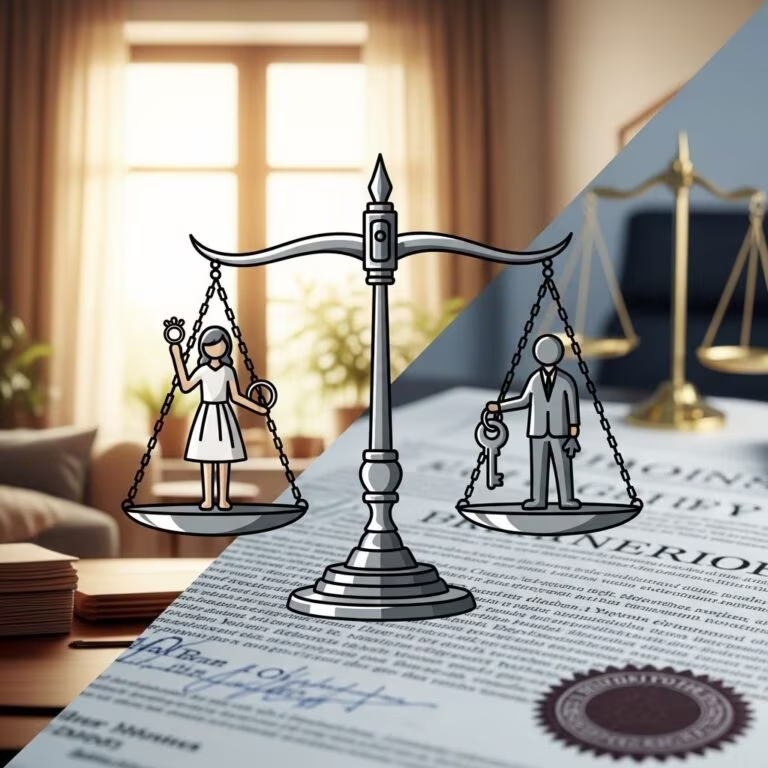
Breakups and divorces are almost always painful. But in some situations, an ex-partner’s conduct goes far beyond ordinary heartbreak and crosses into abusive, manipulative, or terrifying behavior that leaves lasting psychological harm. When that happens, many people ask: Can I sue my ex for emotional distress?
The answer depends on your state’s laws, the severity of the conduct, and the quality of your evidence. Emotional distress lawsuits are real, but courts set a high bar. This guide walks through the key issues so you can better understand whether your situation might justify a legal claim and what steps are typically involved.
Understanding Emotional Distress as a Legal Claim
In civil law, emotional distress is a form of non-economic damage—a way to compensate for psychological harm rather than physical injury or financial loss. It often appears as part of other claims (such as assault, stalking, or domestic violence), but in some states, it can also be a stand-alone claim.
Courts usually recognize two main theories:
- Intentional infliction of emotional distress (IIED)
- Negligent infliction of emotional distress (NIED) (recognized in some, but not all, states)
Both are complex and fact-specific. Simply feeling devastated after a breakup, or being treated badly in an ordinary sense, does not usually qualify.
Intentional Infliction of Emotional Distress: The Core Theory
Most post-relationship emotional distress lawsuits against an ex are based on intentional infliction of emotional distress. This is a tort claim that focuses on extreme misconduct done with intent or reckless disregard for the victim’s mental well-being.
Typical Elements You Must Prove
While wording varies by state, courts commonly require proof of four main elements:
- Extreme and outrageous conduct – Behavior so shocking and intolerable that it goes beyond the bounds of decency in a civilized society.
- Intent or reckless disregard – The ex either meant to cause severe emotional harm, or knew (or should have known) that their actions were likely to cause such harm.
- Severe emotional distress – Distress far beyond normal upset, often backed by medical or psychological evidence.
- Causation – A direct, reasonably foreseeable link between your ex’s conduct and your distress.
Court decisions repeatedly stress that the threshold for “outrageous” and “severe” is deliberately high. Judges aim to filter out cases involving merely rude, selfish, or insensitive behavior.
Examples That May Support an IIED Claim
Every case is different, but behavior by an ex that may support an IIED claim can include:
- Serious physical abuse or credible threats of violence
- Persistent stalking, harassment, or intimidation
- Publicly sharing intimate images or information to humiliate you (sometimes called “revenge porn”)
- Threatening your children, family members, or pets
- Exploiting known vulnerabilities (such as mental illness or trauma) in a cruel way
By contrast, cheating, lying, or being emotionally insensitive—while morally wrong—rarely meets the “outrageous” standard by itself.
Negligent Infliction of Emotional Distress
Some states recognize a separate claim for negligent infliction of emotional distress (NIED). Here, the ex did not necessarily intend to hurt you but acted carelessly in a way that a reasonable person should have known would cause serious emotional harm.
Common limits on NIED include:
- Some states only allow it if you also suffered physical injury or clear physical symptoms of distress.
- Others require that you were a “bystander” who witnessed severe harm to a close relative (for example, watching your ex assault your child).
- Several states do not recognize NIED as an independent cause of action at all.
Because rules vary widely, a local attorney is usually necessary to evaluate whether NIED is even available in your jurisdiction.
Emotional Distress vs. Ordinary Relationship Pain
Civil courts distinguish between legal injury and the emotional ups and downs that come with human relationships. Even very painful experiences, like infidelity or rejection, typically fall into the category of private heartbreak rather than legally actionable distress.
To move from “hurt feelings” to a viable lawsuit, courts generally look for:
- A pattern of abuse or harassment, not a single heated argument
- Conduct that would shock an average, reasonable person—not just someone personally sensitive
- Demonstrable functional impairment (work problems, inability to sleep, panic attacks, etc.) backed by medical or therapeutic records
- Links to other legally recognized wrongs, such as assault, battery, unlawful surveillance, or invasion of privacy
Key Evidence Used to Prove Emotional Distress
Because emotional harm is invisible, judges and juries rely heavily on documentation. If you are considering a lawsuit, preserving evidence is crucial.
Common Types of Evidence
- Medical and mental health records – Diagnoses (e.g., PTSD, anxiety, depression), treatment notes, and prescriptions help show severity and causation.
- Therapy or counseling records – These can show the course of your symptoms over time, and whether they began or worsened during the abusive conduct.
- Text messages, emails, and social media posts – Screenshots of threats, harassment, or humiliation are often vital.
- Police reports and protective orders – Evidence that you contacted law enforcement or obtained restraining orders can show seriousness and credibility.
- Witness statements – Friends, family, neighbors, or coworkers who observed your ex’s conduct or your emotional decline can support your claim.
- Employment records – Documentation of missed work, demotions, or performance issues linked to mental health can help prove both distress and financial loss.
Physical Manifestations of Distress
Many courts give greater weight to emotional distress that shows up as physical symptoms. Common examples include:
- Chronic insomnia or nightmares
- Panic attacks or heart palpitations
- Migraines or tension headaches
- Digestive issues like ulcers or irritable bowel problems
- Significant weight change due to loss of appetite or overeating
In some states, physical symptoms are not strictly required, but they make the claim more persuasive and may be legally necessary in others.
How Courts Analyze These Claims
Even if your ex’s conduct was horrible, your case may be challenging. Courts worry about opening the door to endless lawsuits over relationship disputes, so they scrutinize emotional distress cases carefully.
| Issue | What Courts Commonly Ask |
|---|---|
| Outrageousness | Would an average person consider this conduct beyond all bounds of decency? |
| Intent/Recklessness | Did the ex know, or should they have known, that their actions would likely cause severe distress? |
| Severity | Is the distress extreme, ongoing, and disruptive to daily life, or more like ordinary sadness or anger? |
| Causation | Is it clear that the ex’s conduct caused your distress, versus other life events or prior trauma? |
| Overlap with other claims | Is the emotional distress claim supplementing another tort (like assault or stalking), or is it standing alone? |
Potential Damages in an Emotional Distress Lawsuit
If you succeed in a claim against your ex, the court may award different categories of damages, depending on your jurisdiction.
Compensatory Damages
- Medical expenses – Past and future costs for therapy, psychiatric care, medications, or related treatments.
- Lost income – If emotional distress caused you to miss work, lose a job, or reduce your hours.
- Loss of earning capacity – When long-term psychological injury interferes with your ability to advance in your career.
- Pain and suffering – Monetary recognition of the emotional pain, fear, humiliation, and loss of enjoyment of life you experienced.
Punitive Damages
In particularly egregious cases, some states allow punitive damages to punish and deter outrageous conduct. These are not available in every case and often require a heightened showing of malice or reckless disregard for your safety.
Where Emotional Distress Fits with Divorce and Family Law
If you were married to your ex, your emotional distress issues might intersect with a divorce or custody case. Many jurisdictions prefer to address interpersonal misconduct within the family law system rather than through separate tort lawsuits, although approaches differ by state.
Ways Misconduct Can Affect a Family Case
- Property division – Evidence of abuse or economic coercion may influence how marital assets are divided.
- Spousal support – Courts can consider domestic violence or extreme cruelty when deciding alimony.
- Child custody and visitation – A history of emotional or physical abuse can affect parenting time and decision-making authority.
In some states, you may still file a separate tort lawsuit (for IIED, assault, etc.) in addition to your family case; in others, such claims must be raised within the divorce proceeding. A family law attorney in your area can explain local rules.
Practical Considerations Before You Sue
Even if you technically have a potential claim, suing your ex is not always the best personal or financial decision. Emotional distress litigation can itself be stressful and time-consuming.
Questions to Ask Yourself
- Safety first: Do you need immediate protection, such as a restraining order or police involvement, before thinking about a lawsuit?
- Goals: Are you primarily seeking financial compensation, accountability, an official record, or emotional closure?
- Evidence strength: Do you have solid documentation, or is it mostly your word against your ex’s?
- Resources: Can you handle the time, expense, and emotional energy a lawsuit requires?
- Collectability: Even if you win, does your ex have income or assets to actually pay a judgment?
Alternatives to a Lawsuit
- Criminal process – If there is stalking, threats, or physical abuse, reporting to law enforcement may be critical.
- Protective or restraining orders – These can impose legal consequences if your ex continues harassment.
- Victim compensation programs – Many U.S. states offer limited financial help to certain crime victims, though eligibility is often strict.
- Therapy and support groups – While not legal remedies, they can be essential to recovery and can also strengthen a later claim through documented treatment.
Steps to Take If You Are Considering a Claim
If you believe your ex’s conduct might qualify as legally actionable emotional distress, you can start preparing before you ever file a lawsuit.
1. Document Everything
- Save digital communications (texts, emails, direct messages, call logs).
- Keep a dated journal describing incidents, your emotional reactions, and any witnesses.
- Preserve physical evidence such as letters, damaged property, or photos of injuries.
2. Seek Medical and Mental Health Care
- Discuss your symptoms honestly with a doctor, psychologist, or therapist.
- Follow recommended treatment plans; consistency supports both your health and any later claim.
- Ask providers to note the reported cause of your distress (e.g., ongoing harassment by an ex) in your chart.
3. Protect Your Immediate Safety
- Call emergency services or local law enforcement if you are in imminent danger.
- Consider a civil protection order if your ex is stalking, threatening, or otherwise endangering you.
- Consult a local domestic violence hotline or advocacy organization for safety planning and resources.
4. Consult a Qualified Attorney
- Look for lawyers experienced in personal injury, civil litigation, or domestic violence–related torts.
- Bring your documentation, medical records, and any court papers (such as protective orders) to the consultation.
- Ask about your state’s statute of limitations—strict deadlines limit how long you have to file.
Frequently Asked Questions (FAQs)
Q: Can I sue my ex just for cheating or lying?
In most jurisdictions, no. Infidelity and dishonesty are typically viewed as personal wrongs, not legal torts. Courts reserve emotional distress claims for conduct that is extreme, abusive, or threatening, not for common (even hurtful) relationship issues.
Q: Do I need to have physical injuries to sue for emotional distress?
It depends on your state. Some states require physical injury or clear physical symptoms to recover purely emotional damages; others allow stand-alone psychological injury if the distress is severe and well-documented.
Q: Can I bring an emotional distress claim during my divorce?
In some states, you can raise related misconduct within the divorce case or file a separate tort lawsuit. Other jurisdictions limit or bar tort claims between spouses or former spouses. A local family law or personal injury attorney can explain how your state handles these overlapping issues.
Q: How long do I have to sue my ex for emotional distress?
Every state has a statute of limitations for tort claims. These deadlines can range from one to several years and may vary for intentional versus negligent claims. If you wait too long, your claim can be barred even if it is otherwise valid.
Q: Will suing my ex stop them from contacting me?
Not automatically. A civil lawsuit seeks money damages; it does not, by itself, prohibit contact. To legally restrict contact, you usually need a protective order or similar court order. Violating such orders can carry criminal or civil penalties.
References
- Emotional Distress Damages in Tort Cases — Legal Information Institute, Cornell Law School. 2020-08-01. https://www.law.cornell.edu/wex/emotional_distress
- Restatement (Second) of Torts § 46: Outrageous Conduct Causing Severe Emotional Distress — American Law Institute. 1965-01-01. https://ali.org/publications/show/torts-2d/
- Domestic Violence and Civil Protection Orders — U.S. Department of Justice, Office on Violence Against Women. 2023-03-10. https://www.justice.gov/ovw/domestic-violence
- National Crime Victimization Survey — Bureau of Justice Statistics, U.S. Department of Justice. 2022-09-29. https://bjs.ojp.gov/data-collection/ncvs
- Mental Health and the Law — National Institute of Mental Health. 2022-06-15. https://www.nimh.nih.gov/health/topics