Can You Sue a Landlord for Asbestos Exposure?
Understand your rights, landlord duties, and legal options when asbestos in a rental property threatens your health and safety.
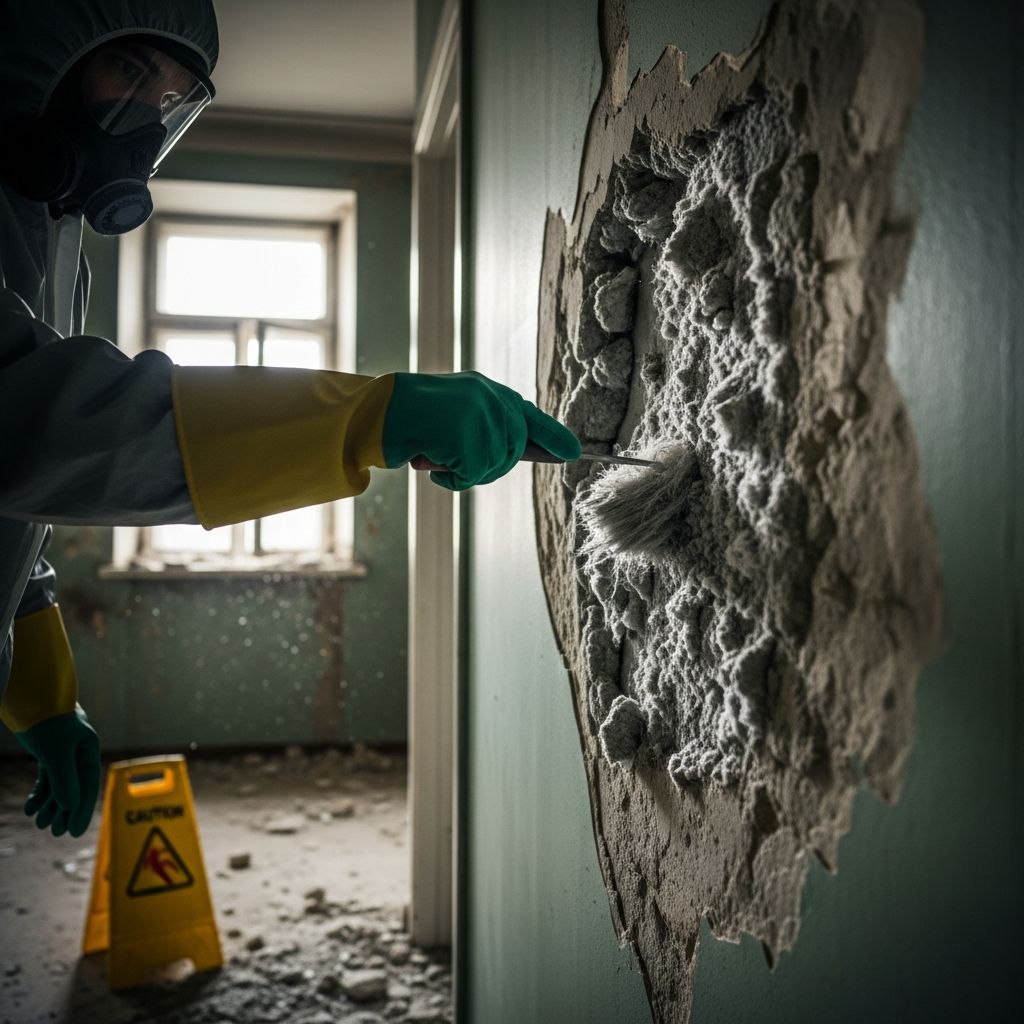
Asbestos in rental housing is more than a maintenance problem – it is a serious health and legal issue. If you discovered asbestos in your apartment or believe long-term exposure in a rental caused illness, you may be wondering whether you can hold your landlord legally responsible. The answer is often yes, but success depends on what you can prove about the landlord’s knowledge, your exposure, and the harm you suffered.
Asbestos Basics: Why It Matters in Rental Housing
Asbestos is a group of naturally occurring minerals once widely used in building materials because of their heat resistance and strength. Many homes and apartment buildings constructed before the late 1970s contain asbestos in insulation, floor tiles, roofing, and other components.
Health authorities consider asbestos dangerous when materials are damaged, disturbed, or deteriorating, releasing microscopic fibers into the air. Inhaled or swallowed fibers can lodge in the lungs and other tissues and, over time, cause serious disease.
- Common health conditions linked to asbestos:
- Mesothelioma (a rare cancer of the lining of the lungs or abdomen)
- Lung cancer
- Asbestosis (progressive scarring of lung tissue)
- Pleural plaques and pleural thickening
- Risk characteristics:
- Diseases usually develop decades after exposure (often 10–40 years)
- Risk increases with higher and longer exposure
- Smoking combined with asbestos exposure further raises lung cancer risk
Because of these long-term risks, many countries have banned or strictly limited new asbestos use, and environmental regulations govern how older asbestos must be managed and removed.
Landlord Legal Duties Around Asbestos
Landlords generally must provide tenants with a safe and habitable home. This duty arises from landlord-tenant laws, housing codes, and court decisions in many jurisdictions that recognize an “implied warranty of habitability” in residential leases.
Though details vary by state or locality, landlord obligations commonly include:
- Following building, housing, and health codes that regulate hazardous materials
- Keeping structural components reasonably safe and in good repair
- Responding promptly to reports of dangerous conditions
- Complying with environmental and worker-safety rules during renovations or demolition
Asbestos laws often focus on how asbestos is handled and removed, particularly during construction or remodeling, rather than requiring landlords to remove all asbestos from every older building. In many places, intact, undisturbed asbestos can be left in place if it is managed safely, but landlords still must act when it becomes friable (easily crumbled) or exposed.
Disclosure and Testing Requirements
Asbestos-specific requirements also differ by jurisdiction:
- Some states or cities require disclosure if a landlord knows of asbestos hazards, especially during renovation or when tenants could be exposed.
- Local rules may require surveying or testing older buildings for asbestos before major work begins.
- Environmental and occupational safety agencies typically require licensed contractors and specific containment procedures when asbestos materials are disturbed or removed.
If a landlord ignores these obligations and tenants are harmed, that failure can form the basis of a lawsuit.
When Can You Sue a Landlord for Asbestos?
You generally can sue a landlord for asbestos exposure when both of the following are true:
- You experienced actual harm (such as a diagnosed asbestos-related disease or, in some cases, significant economic loss related to exposure), and
- The landlord breached a legal duty related to asbestos safety, and that breach caused or greatly contributed to your harm.
Most asbestos-related tenant claims are brought under one or more of these legal theories:
| Legal Theory | What You Generally Must Show | How It May Apply in Asbestos Cases |
|---|---|---|
| Negligence | Landlord owed you a duty of care, breached that duty, and the breach caused your injury. | Landlord ignored damaged asbestos insulation for years despite complaints, leading to airborne fibers and later illness. |
| Premises liability | Dangerous condition on property, landlord knew or should have known of it, and failed to fix or warn. | Known asbestos-containing ceiling tiles deteriorated over tenants’ living spaces without warnings or repairs. |
| Breach of warranty of habitability | Rental was unfit for safe living due to serious conditions. | Uncontrolled asbestos dust in an apartment building rendered the units unsafe. |
| Breach of contract | Lease promises (explicit or implied) about safety or maintenance were violated. | Lease required compliance with all health codes; landlord ignored asbestos abatement requirements. |
Key Elements of a Strong Claim
To have a realistic chance of success, a tenant’s asbestos lawsuit typically needs to address four core questions:
- Was there asbestos in the property?
Testing by a qualified laboratory or abatement contractor is normally needed to confirm the presence and type of asbestos-containing material. - Was the landlord negligent or in violation of a duty?
Evidence might include failure to follow required asbestos procedures, ignoring complaints or inspection reports, or using unqualified workers for removal. - Were you actually exposed?
Courts look for proof that you spent time in affected areas and that asbestos fibers were likely airborne or otherwise accessible during that time. - Did the exposure cause your illness or loss?
Medical records, expert opinions, and exposure history must connect your condition to asbestos and help rule out unrelated causes.
Evidence That Can Help Prove Your Case
Because asbestos diseases often appear many years after exposure, evidence can be scattered or incomplete. The more organized you are in collecting documentation, the easier it will be for an attorney or court to understand your claim.
Documents and Records
- Lease agreements and notices
- Leases, renewals, and addenda
- Move-in checklists or building information sheets
- Any written disclosures or warnings about asbestos or construction work
- Communications with the landlord
- Emails, letters, text messages, and online portal messages
- Maintenance requests and work orders referencing damaged ceilings, insulation, or unusual dust
- Inspection and testing reports
- Reports from housing or code inspectors
- Laboratory analyses confirming asbestos in specific materials
- Abatement contractor invoices or completion certificates
Medical and Exposure Evidence
- Medical documentation
- Diagnoses such as mesothelioma, asbestosis, or lung cancer
- Radiology scans (X-rays, CT scans) showing pleural changes
- Specialist reports explaining that your disease is consistent with asbestos exposure
- Exposure history
- Timeline of where you lived and for how long
- Employment history, to distinguish rental exposure from work-related exposure
- Statements from family members, neighbors, or co-workers who observed dust, debris, or unsafe renovations
Attorneys often use this information, combined with expert testimony from physicians and industrial hygienists, to reconstruct how and when a tenant was exposed and whether the landlord could reasonably have prevented it.
What To Do If You Suspect Asbestos in Your Rental
If you notice suspicious building materials or unusual dust, or if a contractor mentions asbestos, your first priority is safety. Avoid disturbing the material and consider the following practical steps.
1. Limit Disturbance and Protect Yourself
- Avoid drilling, sanding, scraping, or tearing out old flooring, insulation, or textured ceilings.
- Keep children and pets away from visibly damaged insulation or crumbling materials.
- If construction is underway, minimize your time in work areas and keep doors closed where possible.
2. Notify the Landlord in Writing
- Describe what you see (for example, “crumbling pipe insulation in the hallway”) without trying to diagnose it yourself.
- Request a professional inspection and, if necessary, safe abatement or encapsulation.
- Keep copies of all messages and note any verbal conversations in a dated log.
3. Contact Appropriate Authorities if Needed
- Your local housing or health department may conduct inspections or enforce code requirements.
- Environmental or occupational safety agencies may have hotlines for complaints about unsafe asbestos work.
4. Seek Medical Advice
- Tell your health-care provider about your potential exposure and any symptoms such as shortness of breath, chronic cough, or chest pain.
- Even if you have no symptoms, ask your doctor what monitoring, if any, is advisable based on your exposure history.
5. Consult an Experienced Attorney
Because asbestos cases involve complex medical and legal questions, many tenants find it helpful to speak with a lawyer who regularly handles asbestos or toxic exposure claims. A lawyer can:
- Review your lease and local laws
- Assess whether the facts support a viable claim
- Help preserve important evidence before it is lost
- Explain filing deadlines (statutes of limitations) that could affect your rights
Possible Outcomes and Types of Compensation
If your claim is successful—whether through settlement or a court verdict—you may be entitled to several categories of damages. The exact amounts depend on the severity of your illness, how long you were exposed, and local law.
- Medical expenses
- Past and future treatment costs
- Medications, oxygen therapy, and rehabilitation
- Travel expenses for specialized care
- Lost income and earning capacity
- Time away from work for treatment or illness
- Reduction in ability to work in the future
- Non-economic damages
- Pain and suffering
- Loss of enjoyment of life
- Emotional distress for you and, in some cases, close family members
- Property and relocation costs
- Temporary housing during abatement
- Damaged personal property resulting from contamination
- Wrongful death damages (if a loved one died from an asbestos-related illness)
- Funeral and burial expenses
- Loss of financial support and companionship
In rare cases, courts may award punitive damages if a landlord’s conduct was especially reckless or intentional, such as knowingly exposing tenants to friable asbestos while concealing the danger.
Time Limits: Statutes of Limitations
Every jurisdiction sets deadlines—called statutes of limitations—for filing personal injury and wrongful death lawsuits. In asbestos cases, these deadlines often start when:
- You receive a diagnosis of an asbestos-related disease, or
- You reasonably should have learned that your illness may be linked to asbestos exposure.
The applicable time period can range from one to several years depending on the state and the nature of the claim. Because diseases can appear decades after exposure, many laws use a “discovery rule,” starting the clock when the disease is discovered rather than when exposure occurred. Missing these deadlines can permanently bar your claim, which is why early legal advice is important.
Frequently Asked Questions (FAQs)
Can I sue my landlord just because my building contains asbestos?
Not usually. Many older buildings contain asbestos that remains sealed within materials and does not pose an active risk. Lawsuits typically require proof that the landlord handled asbestos improperly or failed to address a hazardous condition that exposed you to airborne fibers and led to actual harm.
What if I have not been diagnosed with an illness yet?
Some jurisdictions allow limited claims for the cost of medical monitoring or for significant fear of future disease, but many courts require a current, diagnosable injury for full compensation. Talk with a local attorney to understand how your state treats claims based on exposure alone.
Does it matter if my exposure was partly from work, not just my rental?
Yes. Courts often look at your entire exposure history. You may have claims against multiple parties—such as employers, product manufacturers, and landlords—if each played a role in your overall asbestos exposure. Expert testimony can help apportion responsibility.
Can my landlord evict me for complaining about asbestos?
Many tenant-protection laws prohibit landlords from retaliating against tenants who make good-faith complaints about code violations or health hazards. Retaliatory eviction rules and remedies vary by state, so bring any concerns about retaliation to a tenant-rights organization or attorney quickly.
Is professional asbestos testing expensive, and who pays?
Costs depend on the size of the area and the number of samples. In some locations, landlords are required to arrange and pay for inspection once a potential hazard is identified, especially if building work is planned. If you pay for private testing yourself, keep detailed receipts; your attorney can advise whether you may recover these costs later.
References
- Asbestos: Health Effects — U.S. Environmental Protection Agency (EPA). 2024-02-15. https://www.epa.gov/asbestos/learn-about-asbestos#health
- Asbestos Exposure and Your Health — Agency for Toxic Substances and Disease Registry (ATSDR), U.S. Department of Health and Human Services. 2022-04-12. https://www.atsdr.cdc.gov/asbestos/health_effects_asbestos.html
- Landlord Liability for Asbestos in Rentals — Nolo / AllLaw. 2023-09-01. https://www.alllaw.com/articles/nolo/personal-injury/landlords-responsibility-removing-asbestos-apartment.html
- Asbestos Litigation in Real Estate — Stimmel, Stimmel & Smith PC. 2021-06-10. https://www.stimmel-law.com/en/articles/asbestos-litigation-real-estate
Similar Articles








Read full bio of Sneha Tete