
Can You Sue for Poor Property Maintenance?
Understand when neglected property conditions may create liability and what proof matters most.
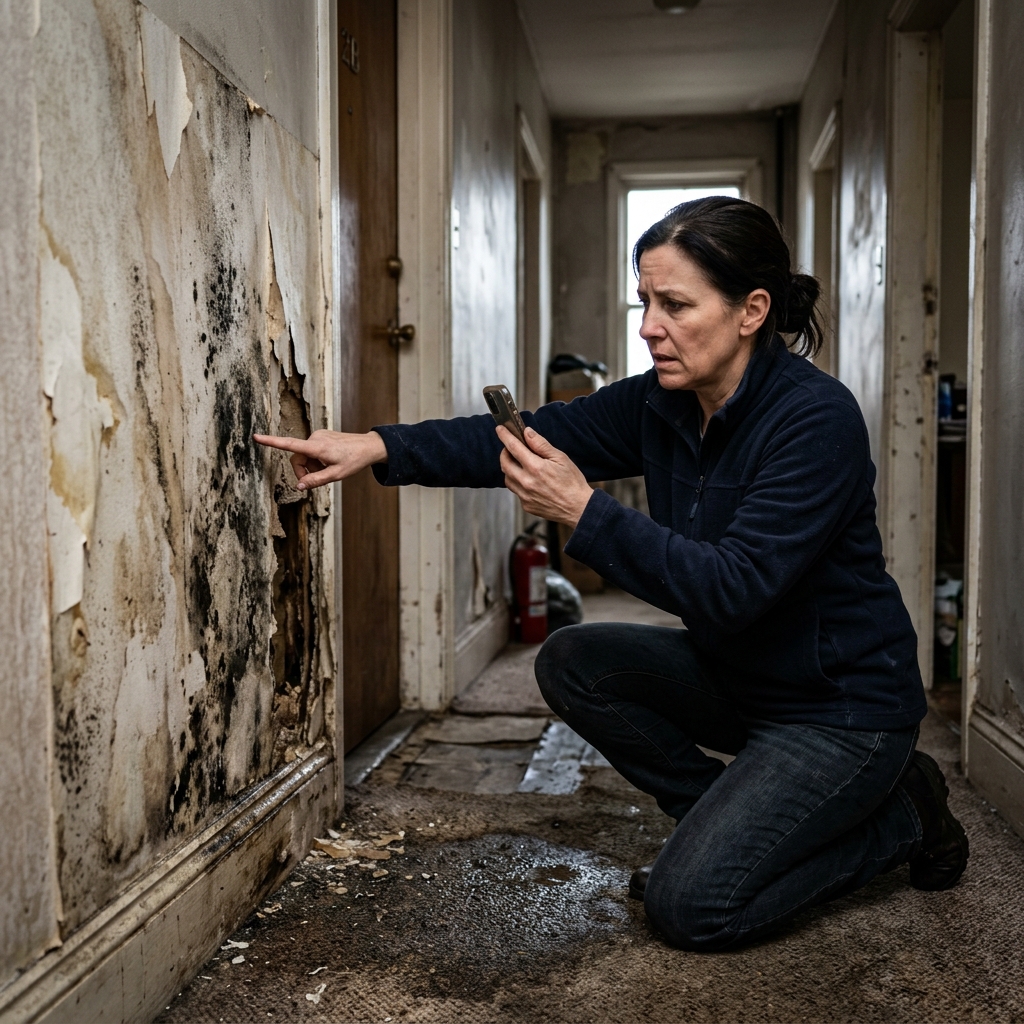
Can Poor Maintenance Lead to a Lawsuit?
Yes. When a property owner or occupier fails to keep a premises in reasonably safe condition and someone is injured as a result, that failure may support a premises liability claim. Under the basic premises liability framework, owners and occupiers can be responsible when an unsafe condition they knew about, or should have known about, causes harm.
The key question is not simply whether a property looked worn or imperfect. The legal issue is whether the neglected condition created an unreasonable risk of injury and whether the person responsible for the property failed to act with reasonable care. If the hazard was preventable and the injury was foreseeable, a lawsuit may be possible.
What Counts as Inadequate Upkeep?
Inadequate maintenance covers more than one kind of problem. It can include a broken stair, a defective handrail, poor lighting in a common area, leaking flooring, an unsafe parking lot, or a known structural issue that was left unrepaired. It may also involve failures to inspect the property regularly, clean up hazards promptly, or warn visitors about dangers that had not yet been fixed.
Routine upkeep matters because many injuries happen when ordinary maintenance is ignored for too long. A property does not have to be perfect, but it must be maintained in a condition that is reasonably safe for lawful visitors and, in some situations, tenants or other occupants.
| Type of problem | Why it may matter |
|---|---|
| Broken steps or railings | These can create fall hazards and show a failure to repair a known defect. |
| Poor lighting | Dim or missing lighting can hide hazards and increase the risk of accidents. |
| Leaks and standing water | Moisture can cause slips, mold concerns, or damage that worsens over time. |
| Ignored debris or clutter | Accumulated objects may block walkways or create trip hazards. |
| Defective fixtures or systems | Electrical, plumbing, or structural issues may signal neglected maintenance. |
Who May Be Responsible?
Responsibility usually depends on who controlled the property and who had the duty to address the hazard. In many cases, the property owner is the main defendant. In others, a business tenant, manager, landlord, or occupier may also have responsibility if that person controlled the area where the injury occurred or handled repairs and safety inspections.
This is important because liability often follows control, not just ownership. A landlord may be responsible for common areas in a rental building, while a commercial tenant may be responsible for hazards inside a store it operates. In some situations, more than one party may share fault.
What Must an Injured Person Prove?
A successful claim usually depends on four core ideas: duty, breach, causation, and damages. The injured person must show that the defendant owed a duty to maintain the property safely, that the defendant failed to meet that duty, that the failure helped cause the injury, and that the injury led to measurable losses.
Notice is often central. A plaintiff typically needs evidence that the defendant knew about the hazard or should have discovered it through reasonable inspection and maintenance. A dangerous condition that existed long enough to be found and corrected may support that argument. A sudden hazard that appeared seconds before the injury may be harder to tie to negligent upkeep unless the owner had other warning signs.
- Duty: The defendant had a legal responsibility to keep the area reasonably safe.
- Breach: The defendant failed to repair, inspect, or warn as a reasonable person would.
- Causation: The unsafe condition contributed directly to the injury.
- Damages: The injured person suffered actual losses such as medical bills or missed work.
Why Evidence Can Make or Break the Claim
Evidence is often the difference between a strong case and a weak one. Photos of the hazardous condition, video footage, witness statements, maintenance logs, incident reports, and medical records can all help establish what happened and why. If the hazard was repaired after the incident, records of that repair may also be important because they can show the condition existed and needed attention.
Documentation should be gathered as early as possible. Conditions change quickly after an accident, and many property owners move fast to clean up or fix a site once someone is hurt. Preserving evidence can help show the condition of the property at the time of the injury rather than days or weeks later.
- Take photographs of the scene from different angles.
- Save names and contact information for witnesses.
- Keep medical records, bills, and discharge instructions.
- Request incident reports or written complaints if they exist.
- Preserve repair notices, texts, emails, or other communications.
Damages That May Be Available
If a claim succeeds, compensation may include both financial and non-financial losses. Financial losses often cover emergency treatment, follow-up care, medication, rehabilitation, lost wages, and reduced future earning ability. Non-financial damages may include pain and suffering, emotional distress, inconvenience, and lasting limitations caused by the injury.
The exact value of a claim depends on the seriousness of the injury and the proof of fault. A broken wrist from a fall and a spinal injury with permanent effects may both arise from poor maintenance, but the damages will be very different. The longer-term impact of the injury usually matters as much as the initial medical bills.
How Tenant and Property Rules Can Affect the Case
When the injury happens in a rental property, landlord-tenant duties may overlap with premises liability rules. In many jurisdictions, a landlord has a duty to repair serious conditions that affect habitability or safety, especially in common areas or systems the landlord controls. Tenants may also have responsibilities to report defects and avoid creating the hazard themselves.
That means the facts matter. If a tenant knew about a serious defect and gave proper notice, the landlord’s response may be central. If the tenant caused the damage, the claim may be much harder to prove. In a rental setting, repair history, written complaints, and inspection records can be especially important.
Common Defenses Property Owners Raise
Property owners and insurers often defend these claims by arguing that the hazard was obvious, temporary, or caused by the injured person’s own carelessness. They may also argue that they did not have enough time to discover and fix the problem, or that the injury was caused by something unrelated to maintenance.
Another common defense is comparative fault, which means the defense claims the injured person also contributed to the accident. For example, an owner may argue that a visitor ignored warning signs or was not paying attention. Even if that argument does not end the case, it may affect the amount of compensation available.
What to Do After an Injury
Anyone injured by a neglected property condition should seek medical care first. After that, it is wise to document the scene, report the incident, and avoid giving detailed statements that speculate about fault. Quick action can protect both health and evidence.
It is also helpful to preserve all communications with the owner, manager, or landlord. If repairs are made after the incident, ask that related records be saved. Those records may show how long the hazard existed and whether there were prior complaints or warnings.
- Get medical treatment and follow up as directed.
- Document the hazard before it changes or is repaired.
- Report the incident in writing if possible.
- Keep copies of bills, records, and missed-work documentation.
- Consult a lawyer if the injury caused significant losses.
How These Cases Are Evaluated
Lawyers and insurers usually look at three practical questions: Was there a dangerous condition? Did the responsible party know or should they have known? And did that condition actually cause the injury? If the answer to each is yes, the claim may have value.
Timing matters as well. A condition that has existed for a long time often creates stronger notice evidence than a hazard that appeared moments before the accident. Repair history, complaint records, and inspection schedules can reveal whether the problem was ignored or simply impossible to catch in time.
Frequently Asked Questions
Do I need a serious injury to file a claim?
No. A claim can arise from many types of injuries, but the value of the case usually depends on the medical impact, recovery time, and lasting effects.
What if the owner says they did not know about the problem?
They may still be responsible if they should have known through reasonable inspections or if the defect existed long enough that it should have been found and fixed.
Can a tenant ever be liable too?
Yes. In some situations, a tenant or business occupant may be responsible for the area they control or for a hazard they created or failed to address.
Does a repair after the accident hurt my case?
Not necessarily. A post-accident repair can sometimes support the argument that the condition existed and needed attention, although the details depend on the facts and local evidence rules.
What if I was partly at fault?
Partial fault does not always bar recovery. In many places, damages may be reduced based on comparative responsibility rather than eliminated entirely.
When Legal Help Becomes Important
These claims often turn on facts that are easy to lose and hard to recreate later. A lawyer can help identify the responsible party, gather maintenance records, interview witnesses, and evaluate whether the evidence supports negligence. That can be especially useful when the property owner denies knowledge of the hazard or when multiple parties may share responsibility.
If your injury involved a long-standing defect, repeated complaints, or a condition that should have been fixed before the accident, the claim may deserve closer review. The more severe the injury and the more disputed the facts, the more important it becomes to build a clear record early.
References
- Inadequate Maintenance of Premises — McCleery Law PLLC. 2026-07-10. https://www.mccleery-law.com/inadequate-maintenance
- Inadequate Maintenance Leading to Premises Liability Lawsuits — Justia. 2026-07-10. https://www.justia.com/injury/premises-liability/inadequate-maintenance/
- Tenant’s responsibility for repairs – Publications and Reports — California Department of Real Estate. 2026-07-10. https://www.dre.ca.gov/publications/ResourceGuidebook/gb09_dealingwith.html
- Guides: Landlord/Tenant Law: Remedies for Failure to Repair — Texas State Law Library. 2026-07-10. https://guides.sll.texas.gov/landlord-tenant-law/failure-to-repair
- What Can I Do When My Landlord Won’t Make Repairs — Louisiana Law Help. 2026-07-10. https://louisianalawhelp.org/resource/repairs-what-can-i-do-when-my-landlord-wont-m-1
Similar Articles








Read full bio of Sneha Tete


