
Can You Sue a Neighbor for Excessive Noise?
Learn when noisy neighbors cross the legal line and what remedies may be available.
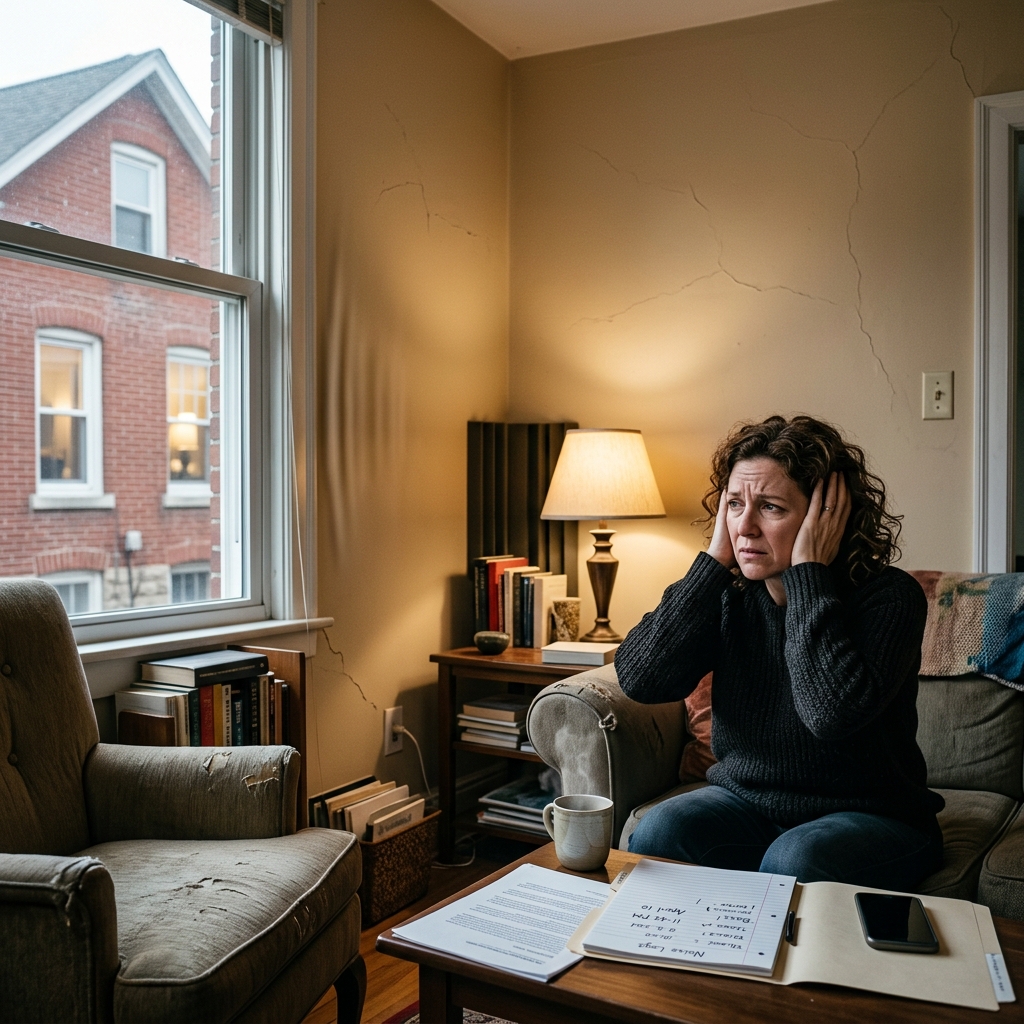
Yes, in some situations you can sue a neighbor for excessive noise, but success depends on whether the sound is legally unreasonable, who is causing it, and whether you can prove real interference with your use of your home. In many disputes, the strongest cases involve repeated conduct that violates local noise rules or rises to the level of a private nuisance.
When Noise Becomes a Legal Problem
Not every annoyance is a lawsuit. Everyday living includes ordinary sounds, and courts generally look for noise that is excessive, persistent, and objectively unreasonable rather than merely irritating. A case becomes stronger when the disturbance is ongoing, occurs at unreasonable hours, or is loud enough to interfere with sleeping, working, studying, or otherwise enjoying the property.
Noise can come from a nearby home, a business, a construction site, or an industrial use. The legal analysis is usually similar: the question is whether the activity crosses the line from ordinary use into an unreasonable disturbance of neighboring property rights.
Common Legal Theories Behind a Noise Claim
The most common civil claim is private nuisance. A nuisance claim generally focuses on conduct that substantially interferes with another person’s use and enjoyment of land. In practical terms, that means the noise must be more than a minor inconvenience and must cause a meaningful disruption.
Depending on the setting, other legal rules may matter as well:
- Noise ordinances adopted by local governments may set time, decibel, or conduct-based limits.
- HOA rules or condominium bylaws may impose separate quiet-hours or conduct standards.
- Lease provisions may require tenants to avoid disturbing other residents and may give landlords enforcement rights.
- Property-use restrictions or zoning rules may limit how a business operates in a residential area.
What You Usually Need to Prove
To bring a successful nuisance claim, you generally need evidence showing that the noise is truly excessive, that the other party is responsible, and that your own use of the home has been affected. The exact legal test varies by state, but the following points often matter most:
- The noise is excessive or unreasonable.
- The neighbor or other defendant is causing the noise.
- The noise interferes with your quiet enjoyment of the property.
- You gave the other side a chance to stop, but the problem continued.
Quiet enjoyment is a legal idea that describes a tenant’s or homeowner’s practical right to use property without substantial disturbance. In tenant disputes, it often appears in disputes with landlords who fail to address a noisy neighbor, while in ownership disputes it may support a direct nuisance claim against the source of the sound.
Evidence That Can Strengthen Your Case
Noise disputes are often decided by credibility, timing, and documentation. The more specific your records are, the easier it is to show a pattern instead of a one-time annoyance.
| Type of evidence | Why it helps |
|---|---|
| Noise log | Shows dates, times, duration, and frequency of incidents |
| Video or audio recordings | Helps demonstrate volume, repetition, and the type of noise |
| Witness statements | Corroborates that the disturbance affects others, not just you |
| Police or code-enforcement reports | Shows that authorities documented the problem |
| HOA, lease, or ordinance text | Connects the conduct to a specific rule or legal standard |
It is also useful to note how the noise affects daily life. For example, missed sleep, inability to work from home, disruptions to children, or repeated interruptions during quiet hours can all help show that the disturbance is real and substantial.
Steps to Try Before Filing a Lawsuit
Civil suits are usually the last step, not the first. In many cases, a direct but polite conversation solves the problem or at least creates a record that you tried to resolve it reasonably.
- Speak directly with the neighbor and explain the specific issue.
- Share the rule if a local noise ordinance, lease, or HOA rule applies.
- Send a written notice that includes dates, times, and a request to stop.
- Contact the landlord or property manager if you rent or live in a managed community.
- Report the problem to the HOA if a homeowners’ association has enforcement authority.
- Try mediation if both sides are willing to work toward a compromise.
- Call local authorities when the conduct appears to violate a noise ordinance and continues despite warnings.
These steps matter for another reason: they can show a court that you acted reasonably. If your claim later asks for damages or an injunction, proof that you tried lesser remedies first can make your position more persuasive.
Who May Need to Be Involved
The right person to contact depends on where you live and who controls the property. In a rental setting, the landlord or property manager may have a duty to enforce the lease against a tenant creating the disturbance. In an HOA or condominium community, the association may have authority to enforce community rules. For a standalone home or business, local code enforcement or police may be the first outside agency to involve.
If the source is a business or industrial use, zoning ordinances and operating permits may matter. Some loud activities are allowed only under certain conditions, and repeated violations can trigger municipal enforcement even when private litigation is not the first choice.
What a Lawsuit Can Ask For
If informal efforts fail, a civil action may seek money or a court order. The two most common remedies are damages and injunctive relief.
- Damages compensate for the harm caused by the disturbance.
- An injunction orders the noise to stop or be reduced to a lawful level.
Small claims court may be appropriate for a limited money claim, while a request for a formal court order often requires a regular civil case. The exact forum depends on state law, the amount in dispute, and the remedy you want.
Tenant Rights and Rental Problems
When the noisy neighbor is another tenant, the issue can become a landlord-tenant dispute as well as a neighbor dispute. Tenants often rely on the implied right of quiet enjoyment, which means the rental should be usable for normal living without serious interference. If a landlord has the power to intervene but does nothing, the tenant may have additional remedies under local law or the lease.
Practical steps in rental housing often include writing to the landlord, keeping copies of complaints, and documenting every attempt to fix the issue. In serious cases, tenants may ask for lease-related remedies, rent adjustment, or other relief recognized by state law.
How Courts Usually View These Disputes
Courts tend to look for proof of pattern, severity, and fault. A neighbor who occasionally plays music at a reasonable volume is different from someone who regularly creates late-night disturbances after repeated warnings. Judges also care whether the defendant had notice and whether the plaintiff tried practical alternatives before suing.
Because nuisance cases are fact-specific, two disputes with similar facts can have different outcomes. Local ordinances, neighborhood density, time of day, and the type of property all affect the analysis.
Frequently Asked Questions
Can I sue over one loud party?
Sometimes, but a single event is usually weaker than repeated conduct. A one-time incident may be better handled through police or local ordinance enforcement unless the event caused significant documented harm.
Do I need proof that the noise breaks a law?
Not always. A nuisance claim can exist even when the conduct is not prosecuted, but evidence of ordinance violations can make your case stronger.
Should I call the police right away?
That depends on the situation. Many people first try conversation or written notice, but repeated or late-night violations may justify a report, especially when an ordinance appears to be broken.
Can mediation really help?
Yes. Mediation can preserve relationships and often resolves conflicts faster and more cheaply than litigation, especially when both sides are willing to compromise.
What if I rent and the landlord does nothing?
You may have options under your lease and state landlord-tenant law, including written complaints, requests for enforcement, and in some jurisdictions, claims based on quiet enjoyment or habitability issues.
Practical Takeaway
Excessive noise can be more than a neighborhood irritation. When it is repeated, unreasonable, and well documented, it may support a nuisance claim or other legal remedy. Still, the best results usually come from building a careful record, using local enforcement tools, and escalating only after reasonable efforts to resolve the problem have failed.
References
- Can I Sue My Neighbor for Excessive Noise? | Super Lawyers — Super Lawyers. 2026-07-10. https://www.superlawyers.com/resources/real-estate/real-estate-disputes/can-i-sue-my-neighbor-for-excessive-noise/
- What Can You Legally Do About a Neighbor’s Noise? – FindLaw — FindLaw. 2025-05-05. https://www.findlaw.com/realestate/neighbors/what-to-do-about-a-neighbor-s-noise-faqs.html
- Noisy Neighbors and Noise Ordinance Laws – Nolo — Nolo. 2025-05-05. https://www.nolo.com/legal-encyclopedia/neighbors-noise-faq.html
- Neighbors and Noise FAQ – My EAP California EAP | Anthem — Anthem. 2025-05-05. https://www.anthemeap.com/myeapcalifornia/find-legal-support/resources/consumer-rights/legal-assist/neighbors-and-noise-faq
- Guides: Neighbor Law: Noise & Nuisances — Texas State Law Library. 2025-05-05. https://guides.sll.texas.gov/neighbor-law/noise-and-nuisances
- Can I do anything about my noisy neighbors? | Illinois Legal Aid Online — Illinois Legal Aid Online. 2025-05-05. https://www.illinoislegalaid.org/legal-information/can-i-do-anything-about-my-noisy-neighbors
- How can I resolve excessive noise from neighbors in NY? — Justia Answers. 2025-05-05. https://answers.justia.com/question/2025/05/05/how-can-i-resolve-excessive-noise-from-n-1059761
Similar Articles








Read full bio of medha deb


