
DUI On A Bicycle: State Laws, Penalties, And E-Bike Rules
Understanding the legal risks of riding a bicycle under the influence of alcohol or drugs.
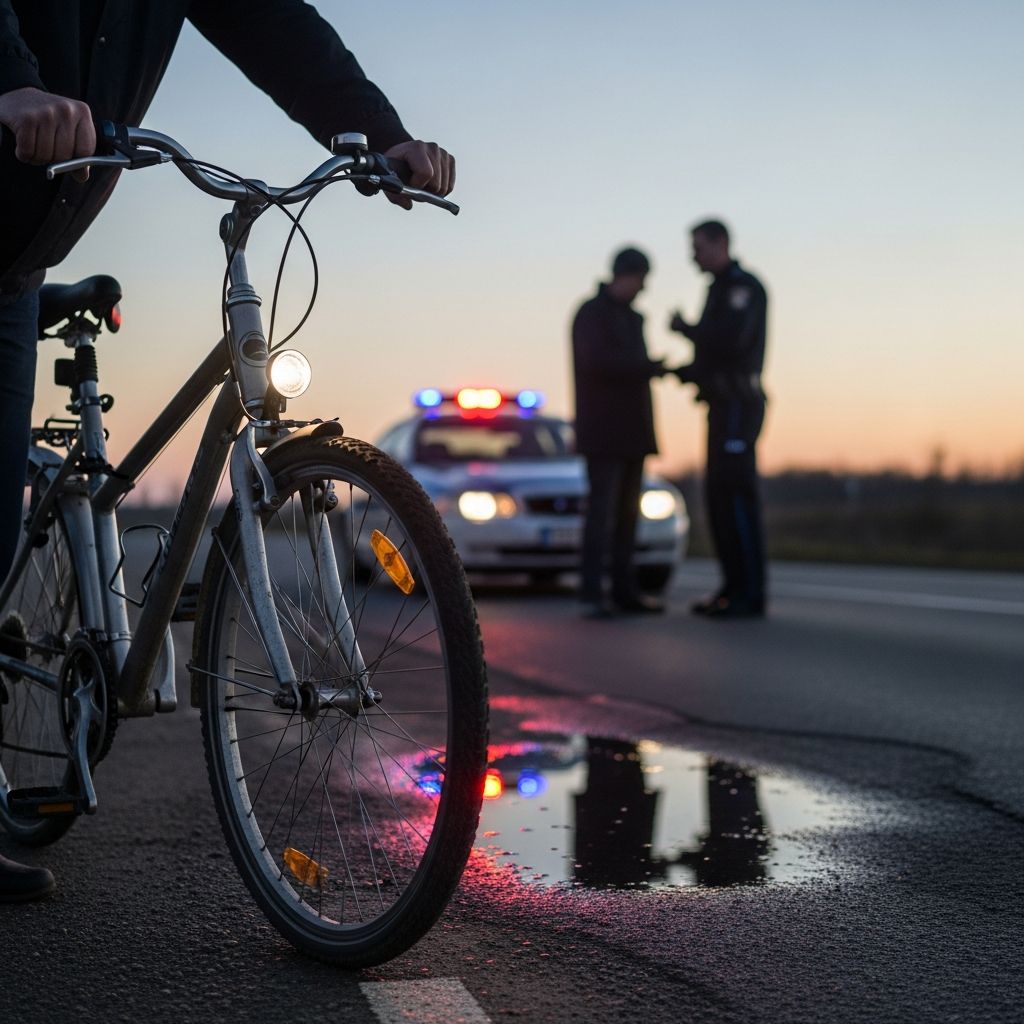
Is It Possible to Be Charged with a DUI on a Bicycle?
Most people associate DUI charges with motor vehicles: cars, trucks, motorcycles, and sometimes even boats. But what about bicycles? Can you really be arrested and convicted of a DUI simply for riding a bike while intoxicated? The answer is not as simple as yes or no—it depends heavily on where you are and how that jurisdiction defines both “vehicle” and “operating under the influence.”
In many states, the law treats bicycles as vehicles when they are on public roads or in areas where traffic laws apply. This means that riders are subject to the same rules as drivers, including prohibitions against operating while impaired by alcohol or drugs. In those places, yes, you absolutely can be charged with a DUI for riding a bicycle under the influence.
However, in other states, DUI statutes are written specifically to apply only to motor vehicles. In those jurisdictions, police may not be able to file a formal DUI charge against a cyclist, but they can still take legal action through other charges such as public intoxication, disorderly conduct, or reckless behavior.
How State Laws Treat Bicycles in DUI Statutes
The key factor in whether a cyclist can be charged with a DUI is how the state’s DUI law defines the term “vehicle.” Some states explicitly include bicycles in their definition, while others limit the term to motorized transportation.
States that treat bicycles as vehicles under DUI laws generally apply the same legal framework to cyclists as they do to drivers. This means that if a police officer observes a bicyclist exhibiting signs of impairment—such as swerving, failing to obey traffic signals, or appearing unsteady—they may initiate a DUI investigation, including field sobriety tests and breath or chemical testing.
In contrast, states that restrict DUI laws to motor vehicles may still penalize drunk cycling, but through different legal mechanisms. For example, a person might be cited for public intoxication, disorderly conduct, or violating local ordinances about behavior in public spaces. These charges typically carry lighter penalties than a DUI, but they still result in fines, possible jail time, and a criminal record.
States Where Bicycles Are Treated as Vehicles
In several states, the law clearly includes bicycles within the definition of a vehicle for the purposes of impaired operation. This means that riding a bike while under the influence can lead to a formal DUI charge with penalties similar to those for driving a car while impaired.
Examples of such states include:
- Alabama: Both traditional bicycles and e-bikes are considered vehicles, and riding under the influence is illegal. Penalties can include substantial fines, jail time, and driver’s license suspension.
- Colorado: The state has a clear stance that bicyclists can be charged with a DUI. Penalties mirror those for motor vehicle DUIs, including fines, jail time, and community service.
- Delaware: Impaired bicyclists can face financial penalties and jail time under a statewide rule that treats bicycles as vehicles for DUI purposes.
- Maryland: Bicycles are classified as legal vehicles, so cyclists are subject to impaired-driving laws and can face DUI charges with serious penalties.
- Mississippi: The law treats bicycles like vehicles, meaning riders can face DUI charges and corresponding penalties for riding while intoxicated.
- New Hampshire: A drunk bicycle rider can receive a DUI because the state does not limit such offenses to motor vehicles only.
- Pennsylvania: Both regular bicycles and e-bikes are covered under DUI law, and impaired riders may face probation, fines, jail time, or license suspension.
- Rhode Island: All bicycles are treated as vehicles, so the same rules that apply to drivers also apply to riders.
In these states, a first offense may be treated as a misdemeanor, but repeat offenses or particularly dangerous behavior can lead to enhanced penalties, including longer jail sentences and higher fines.
States Where DUI Laws Apply Only to Motor Vehicles
In other states, DUI statutes are written to apply only to motor vehicles, which means that a cyclist cannot be formally charged with a DUI. However, this does not mean that riding a bike while drunk is legal or consequence-free.
For example, in California, it is illegal to ride a bicycle under the influence of alcohol or drugs, but the offense is not classified as a DUI. Instead, it is a separate misdemeanor under Vehicle Code § 21200.5, punishable by a fine of up to $250 and no jail time. Importantly, a conviction for cycling under the influence in California does not affect the person’s driver’s license or result in points on their driving record.
Other states with similar approaches may allow police to cite or arrest a cyclist for public intoxication, disorderly conduct, or reckless behavior if they are riding a bike while impaired. These charges can still lead to fines, short jail sentences, probation, and a criminal record, even if they are not labeled as a DUI.
Potential Penalties for Riding a Bike While Intoxicated
The consequences of riding a bicycle under the influence vary widely depending on the state and the specific circumstances of the offense. In states where a formal DUI charge is possible, the penalties can be quite serious.
Common penalties include:
- Fines: Monetary penalties can range from a few hundred dollars for a first offense to several thousand dollars for repeat or aggravated offenses.
- Jail time: Some states impose jail sentences for impaired cycling, especially for repeat offenders or cases involving injury or property damage. Sentences are typically shorter than for motor vehicle DUIs but can still reach several months.
- Probation: Courts may place offenders on probation, requiring regular check-ins, sobriety monitoring, and compliance with other conditions.
- Community service: Many jurisdictions require a certain number of community service hours as part of the sentence.
- Driver’s license suspension: In some states, a DUI conviction for cycling can result in the suspension or revocation of the person’s driver’s license, even though the offense did not involve a motor vehicle.
- Treatment programs: Offenders may be required to attend alcohol or drug education programs, substance abuse counseling, or impaired-driving education courses.
Even in states where the offense is not a DUI, related charges can still carry significant consequences. A conviction for public intoxication or disorderly conduct can appear on a criminal record, which may affect employment, housing, and professional licensing.
Why Police Take Drunk Biking Seriously
Law enforcement agencies treat impaired cycling seriously because an intoxicated rider poses real risks to themselves and others. A person on a bicycle who is under the influence may:
- Fail to obey traffic signals and signs
- Swerve unpredictably into traffic or onto sidewalks
- Be unable to react quickly to hazards
- Be more likely to suffer serious injury in a fall or collision
These behaviors endanger not only the cyclist but also pedestrians, other cyclists, and motorists. Police may intervene not only to enforce the law but also to prevent accidents and protect public safety.
In some cases, an officer may initially approach a cyclist for a traffic violation or suspicious behavior and then discover that the person is impaired. If the state’s laws allow it, that can lead to a DUI investigation. Even if a formal DUI charge is not possible, the officer may still issue citations for other offenses related to intoxication or disorderly conduct.
How E-Bikes Are Treated in DUI Laws
The rise of electric bicycles (e-bikes) has added another layer of complexity to drunk biking laws. In many states, e-bikes are explicitly included in the definition of a vehicle for DUI purposes, especially if they are capable of higher speeds or have certain motor characteristics.
Because e-bikes can travel faster than traditional bicycles and may be more difficult to control when the rider is impaired, some jurisdictions treat them more like motor vehicles. This can mean that riding an e-bike under the influence carries the same or similar penalties as riding a motor scooter or moped while drunk.
Repeat offenses involving e-bikes while intoxicated may be punished more severely than those involving traditional bicycles, particularly in states that view e-bikes as closer to motorized transportation.
Practical Advice for Cyclists
Given the legal risks, it is wise for cyclists to avoid riding while under the influence of alcohol or drugs. Even in states where a formal DUI charge is not possible, there are still real consequences for impaired cycling.
Some practical steps to stay safe and avoid legal trouble include:
- Plan ahead: If you know you’ll be drinking, arrange for a ride home, use public transportation, or stay overnight.
- Use ride-sharing or taxi services: These options are widely available and can prevent both legal issues and physical harm.
- Know your local laws: Research how your state treats bicycles in DUI statutes and what penalties apply for riding while impaired.
- Be aware of your behavior: Even if you feel “fine,” alcohol and drugs can impair judgment, coordination, and reaction time, increasing the risk of an accident or police contact.
- Cooperate with law enforcement: If stopped, remain calm, polite, and cooperative. Refusing to comply can lead to additional charges.
Impact on Driving Privileges and Insurance
One of the most serious concerns for many people is whether a drunk biking conviction can affect their driver’s license or auto insurance.
In states where a formal DUI charge is possible for cycling, the conviction may be treated the same as a motor vehicle DUI. This can lead to:
- Driver’s license suspension or revocation
- Requirement to file an SR-22 insurance form
- Significant increases in auto insurance premiums
- Long-term effects on employment, especially for jobs that require driving
In states where the offense is not a DUI but a separate misdemeanor, the impact on driving privileges may be less severe or nonexistent. However, a criminal record for any offense related to intoxication can still be a red flag for employers and insurers.
FAQs About DUIs and Bicycles
Can you get a DUI on a bike in any state?
No, not in every state. Some states only allow DUI charges for motor vehicles, while others include bicycles in their definition of a vehicle and can charge cyclists with a DUI.
What happens if you get caught biking drunk?
Consequences depend on the state. You might face a DUI charge, a separate cycling-under-the-influence misdemeanor, or charges like public intoxication or disorderly conduct. Penalties can include fines, jail time, probation, community service, and in some cases, driver’s license suspension.
Does a drunk biking conviction affect your driver’s license?
In some states, yes. If the offense is treated as a DUI, it can lead to license suspension or revocation. In other states, a conviction for cycling under the influence may not affect your license, but it can still appear on your criminal record.
Can you go to jail for biking under the influence?
In many states, yes. While jail time is more common for repeat offenses or cases involving injury, some jurisdictions impose short jail sentences even for first-time impaired cycling offenses.
Are e-bikes treated differently than regular bikes in DUI laws?
Often, yes. Many states explicitly include e-bikes in their vehicle definitions for DUI purposes, especially if they are capable of higher speeds. This can mean that riding an e-bike under the influence carries the same or similar penalties as riding a motor vehicle while impaired.
Is it safer to bike drunk than drive drunk?
No. While a bicycle is not a motor vehicle, riding while impaired still poses serious risks of injury or death to the rider and others. Alcohol and drugs impair judgment, coordination, and reaction time, making any form of transportation dangerous when under the influence.
References
- Alabama Code § 32-5A-191 — Alabama Legislature. 2023. https://alison.legislature.state.al.us/
- California Vehicle Code § 21200.5 — California Legislative Information. 2023. https://leginfo.legislature.ca.gov/
- Colorado Revised Statutes § 42-4-1301 — Colorado General Assembly. 2023. https://leg.colorado.gov/
Similar Articles








Read full bio of Sneha Tete




