
Can Schools Punish Students for Reporting Sexual Assault?
Exploring how Title IX, school discipline, and retaliation rules intersect when students come forward about sexual assault.
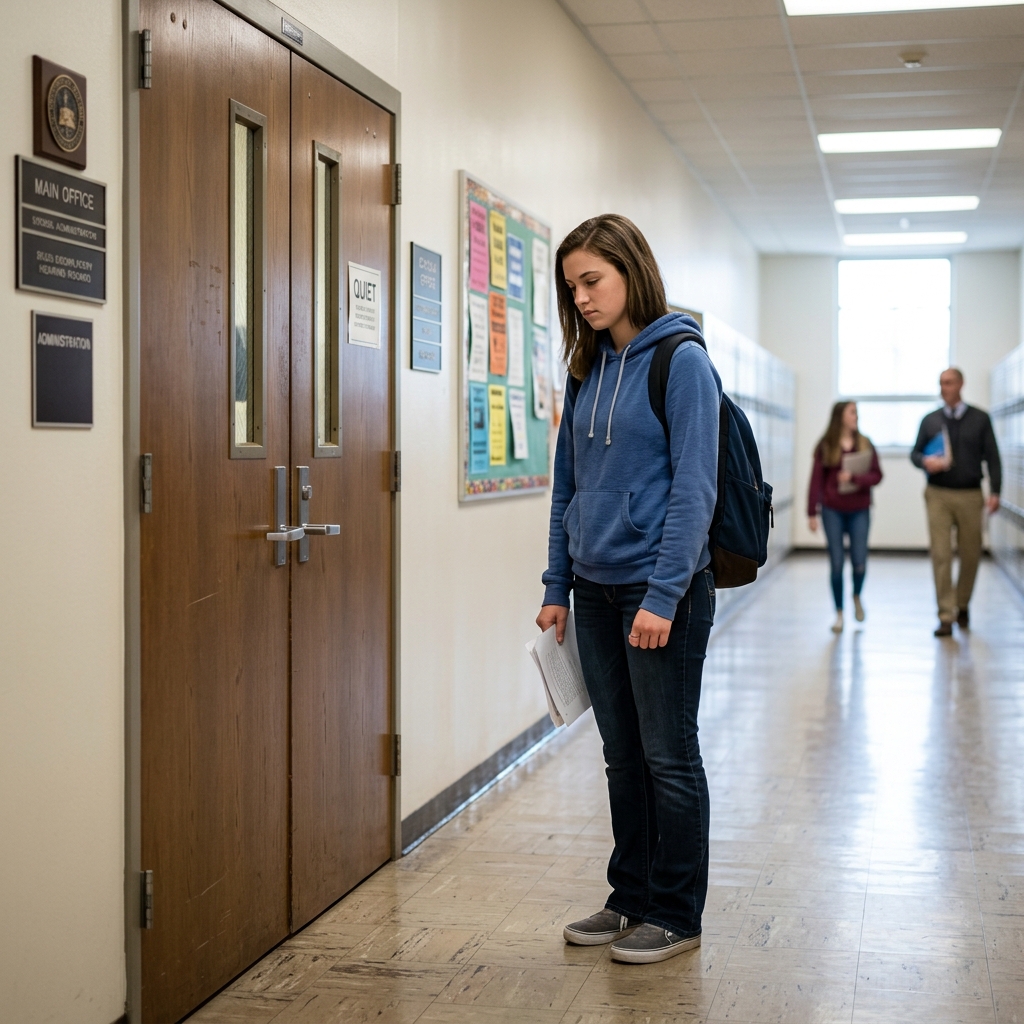
Students who report sexual assault are sometimes disciplined by their schools, but when that discipline is tied to the report, it may violate federal law, including Title IX, and can amount to unlawful retaliation. Schools must carefully balance safety and rules enforcement with their legal duty not to punish or silence survivors.
Why This Question Matters for Students and Families
Sexual assault in schools—from middle school through college—remains a serious and underreported problem. National data show that many incidents are never brought to administrators or law enforcement, in part because survivors fear they will not be believed or will get into trouble instead of receiving support.
For K–12 students and college students alike, the decision to come forward is shaped by:
- Concerns about social stigma and blame from peers or adults.
- Uncertainty about how the school will respond to a report.
- Fear of formal discipline for related conduct (such as alcohol use or breaking curfew).
- Past examples of other students being suspended or punished after reporting assaults.
When reporting leads directly to suspension, expulsion, or other harsh treatment, the message to students is clear: speaking up is risky. That perception undermines the core purpose of Title IX, which is to ensure that no student is denied equal educational opportunities because of sex-based violence or discrimination.
Title IX Basics: What Schools Must Do When Sexual Assault Is Reported
Title IX of the Education Amendments of 1972 is a federal civil rights law that prohibits sex discrimination in any education program or activity receiving federal funds. Sexual assault and sexual harassment are recognized as forms of sex discrimination when they interfere with a student’s ability to learn, participate in classes, or access campus resources.
Under Title IX guidance, schools must:
- Have a clearly identified Title IX coordinator responsible for overseeing responses to sexual misconduct.
- Offer supportive measures to survivors, such as schedule changes, counseling referrals, or safety planning, regardless of whether they file a formal complaint.
- Provide accessible reporting options, including reports to designated employees, the Title IX office, and sometimes law enforcement.
- Conduct a prompt, fair, and impartial inquiry into formal complaints of sexual assault.
- Protect students from retaliation for reporting or participating in investigations.
These obligations apply to both K–12 and higher education settings, though specific procedures can vary by district, state, and institution.
Understanding Retaliation: Where Discipline Becomes Illegal
Retaliation occurs when a school takes adverse action against a student because that student reported sexual misconduct, assisted another person in reporting, or participated in a Title IX process. Retaliation is prohibited by federal law.
Examples of potentially retaliatory conduct include:
- Suspending a student soon after they report assault, where the stated reason is closely tied to the incident.
- Removing the student from extracurricular activities or leadership roles because they made a complaint.
- Discouraging the student from talking to others about the assault, or pressuring them to recant.
- Allowing teachers or staff to treat the student more harshly after the report, such as unfair grading or discipline.
Courts and federal agencies examine whether disciplinary decisions are causally linked to the protected activity (the report) and whether the discipline would reasonably discourage a student from coming forward. If the answer to both is yes, retaliation may have occurred.
Legitimate Discipline vs. Punishment for Reporting
Schools retain broad authority to enforce their codes of conduct. Not every disciplinary action after a report of sexual assault is illegal or retaliatory. The core question is whether the discipline is applied fairly and independently of the student’s decision to report.
| Type of Discipline | May Be Legitimate When… | May Be Retaliatory When… |
|---|---|---|
| Code of conduct sanctions (e.g., alcohol policy, curfew) | Applied consistently to all students, regardless of reporting; imposed based on clear evidence and documented rules. | Enforced only against the reporting student, or penalties are harsher because the student disclosed an assault. |
| Suspension for “sexual misconduct” | Based on a thorough investigation finding consensual misconduct that violates school rules. | Imposed quickly without meaningful investigation, or used to reframe the assault as consensual to justify punishment. |
| Loss of extracurricular privileges | Linked to prior documented disciplinary issues unrelated to the report. | Triggered immediately after the student files a complaint or speaks publicly about the assault. |
In practice, drawing this line can be complex. Investigative reporting has documented cases where girls who reported assaults were punished for “sexual impropriety” or rule violations that would likely never have come to light but for their disclosure. Those fact patterns raise serious concerns about retaliation and chilling effects on reporting.
How Schools Sometimes Punish Students Who Report Sexual Assault
Although Title IX prohibits retaliation, research and media investigations show that some schools continue to discipline students after they report sexual violence.
Common patterns include:
- Recasting assault as mutual misconduct. Instead of treating the incident as non-consensual violence, administrators label the encounter as “inappropriate sexual behavior” by all involved, resulting in suspensions for the survivor and alleged perpetrator.
- Using secondary rule violations. Survivors are punished for related conduct (such as drinking, being off campus without permission, or sharing explicit images) discovered only because they sought help.
- Discouraging formal complaints. Staff may warn students that pursuing a school or police complaint will “open them up” to discipline, even where that discipline is discretionary.
- Informal punishment and ostracism. Survivors report being blamed, doubted, or told to stop discussing the assault by school personnel, which can function as a form of silencing.
These practices create powerful incentives for students to remain quiet. Qualitative research on survivors’ experiences has found that negative reactions—including blame, disbelief, and refusal to help—often lead survivors to stop disclosing assaults and avoid formal systems entirely.
The Psychological Impact of Being Punished for Speaking Up
For many students, reporting sexual assault is already a deeply stressful and vulnerable act. When that act is met with discipline or harsh reactions, the impact can be profound.
Survivors who are punished or silenced after reporting often experience:
- Increased self-blame, believing they are responsible not only for the assault but for the problems that follow.
- Heightened anxiety and depression, especially when school feels unsafe or hostile.
- A strong sense of powerlessness, as those in authority refuse help or question whether their experience “counts” as assault.
- Withdrawal from school activities, lower grades, or avoidance of campus spaces where they fear retaliation.
Researchers have documented how negative social reactions to disclosure—such as blaming, denial of help, or insistence on silence—can effectively quash survivors’ voices, discouraging further reporting and compounding trauma. In the educational context, this can mean lost learning opportunities and long-term harm to academic trajectories.
Best Practices: How Schools Should Respond to Reports Without Retaliating
Federal guidance and expert recommendations outline strategies for schools to support survivors and maintain fair processes without punishing students for reporting.
Key practices include:
- Clear written policies. Districts should publish sexual misconduct policies that explain reporting options, confidentiality, and protections against retaliation.
- Training for staff. Title IX coordinators, teachers, counselors, and school resource officers need regular training on trauma-informed responses and retaliation rules.
- Supportive measures first. Upon receiving a report, schools should prioritize safety, mental health, and academic support—such as escorts on campus, schedule changes, or tutoring—before considering discipline.
- Fair and thorough investigations. Decisions about responsibility or misconduct should follow evidence-based procedures that give both parties an opportunity to be heard.
- Consistent rule enforcement. If policy violations related to the incident are addressed, they should be applied consistently to all students and not be used as a tool to discourage reporting.
These practices align with federal task force recommendations aimed at protecting students from sexual assault and ensuring that school responses do not create additional harm.
What Students and Families Can Do If They Suspect Retaliation
When a student is disciplined after reporting sexual assault, families often struggle to distinguish between legitimate enforcement of rules and unlawful retaliation. Several steps can help clarify what is happening and protect the student’s rights.
1. Review School Policies and Records
- Obtain copies of the school’s student code of conduct, sexual harassment/assault policies, and Title IX procedures.
- Request written documentation of the reason for the discipline, including any specific rule cited and evidence relied upon.
- Compare how the school treated similar conduct by other students who did not report assaults. Unequal treatment may suggest retaliation.
2. Contact the Title IX Coordinator
- Every federally funded school must have a Title IX coordinator; their contact information should be publicly available.
- Raise concerns that the discipline is connected to the report and ask whether protective measures against retaliation are in place.
- Request information on internal complaint or appeal processes under Title IX.
3. Seek External Support and Legal Advice
- Survivors can access confidential crisis support from national hotlines, such as those facilitated by organizations like RAINN, which connect callers with trained advocates and local resources.
- Civil rights organizations and legal advocacy groups provide guidance on student rights related to sexual violence and may assist in evaluating potential Title IX retaliation claims.
- In serious cases, families may consult an attorney experienced in education law or civil rights to explore formal complaints with the U.S. Department of Education or litigation.
Frequently Asked Questions About Discipline After Reporting Sexual Assault
Can a school suspend a student who reports sexual assault?
A school can suspend a student for legitimate, well-documented violations of its code of conduct, even if those violations are revealed during an assault investigation. However, if the suspension is motivated by the student’s decision to report or is imposed in a way that would discourage reporting, it may violate Title IX’s anti-retaliation provisions.
Is it retaliation if a survivor and alleged perpetrator are both punished?
Not automatically. If a thorough investigation genuinely finds consensual misconduct that violates school rules, both parties may face equivalent discipline. But when an assault is reframed as consensual without adequate evidence, or when the survivor’s punishment appears designed to undermine their credibility or silence them, retaliation concerns arise.
What if a survivor broke a rule, like drinking underage?
Many schools reserve the right to enforce rules related to alcohol or other conduct. Some adopt limited immunity policies, choosing not to discipline survivors for minor violations in order to encourage reporting. Where such protections are not in place, survivors may be technically subject to discipline, but using that discipline to deter reporting can still be problematic under Title IX.
Does Title IX apply to elementary, middle, and high schools?
Yes. Title IX covers virtually all public school districts and many private schools that receive federal funding. K–12 institutions must respond to sexual harassment and assault, protect students from retaliation, and provide equitable access to education.
What rights do students have if they believe they were punished for reporting assault?
Students can raise concerns internally with the school’s Title IX coordinator, use available grievance procedures, and, in many cases, file complaints with the U.S. Department of Education’s Office for Civil Rights. They also may have the option to pursue legal claims in court if retaliation or sex discrimination can be shown.
Key Takeaways for Survivors and Their Supporters
- Schools are not allowed to retaliate against students for reporting sexual assault or for participating in Title IX processes.
- Discipline that follows a report must be grounded in consistent enforcement of rules, not used as a tool to silence or discredit survivors.
- Negative reactions and punishment after disclosure can severely harm survivors’ mental health and willingness to seek help.
- Federal guidance encourages schools to adopt trauma-informed, supportive responses and clear policies against retaliation.
- Students and families have avenues—both inside and outside the school—to challenge suspected retaliation and protect educational access.
References
- Schools Keep Punishing Girls Who Report Sexual Assaults — The 74 Million. 2018-07-26. https://www.the74million.org/article/schools-keep-punishing-girls-especially-students-of-color-who-report-sexual-assaults-and-the-trump-administrations-title-ix-reforms-wont-stop-it/
- Considerations for School District Sexual Misconduct Policies — U.S. Department of Justice, Office on Violence Against Women. 2016-01-01. https://www.justice.gov/ovw/file/900716/dl
- Being Silenced: The Impact of Negative Social Reactions on the Disclosure of Sexual Assault — Patricia A. Frazier & Beth P. Cohen, Journal of Interpersonal Violence (via PMC). 2007-02-01. https://pmc.ncbi.nlm.nih.gov/articles/PMC1705531/
- She Reported Her Sexual Assault. Her High School Suspended Her for Sexual Impropriety. — The Washington Post. 2018-04-04. https://www.washingtonpost.com/gender-identity/she-reported-her-sexual-assault-her-high-school-suspended-her-for-sexual-impropriety/
- K–12 Sexual Assault Reports — Stop Sexual Assault in Schools. 2020-01-01. https://stopsexualassaultinschools.org/sexual-assault-k-12-reports/
- Sexual Violence Against Students: Know Your Rights — Public Justice. 2021-03-01. https://www.publicjustice.net/knowyourrights/
- RAINN’s National Sexual Assault Hotline — RAINN. 2023-01-01. https://rainn.org/help-and-healing/hotline/
Similar Articles








Read full bio of medha deb




