
Can Police Use Breath Tests to Detect Drug Impairment?
Exploring when, how, and why police use breath and other roadside tests to investigate suspected drug-impaired driving.
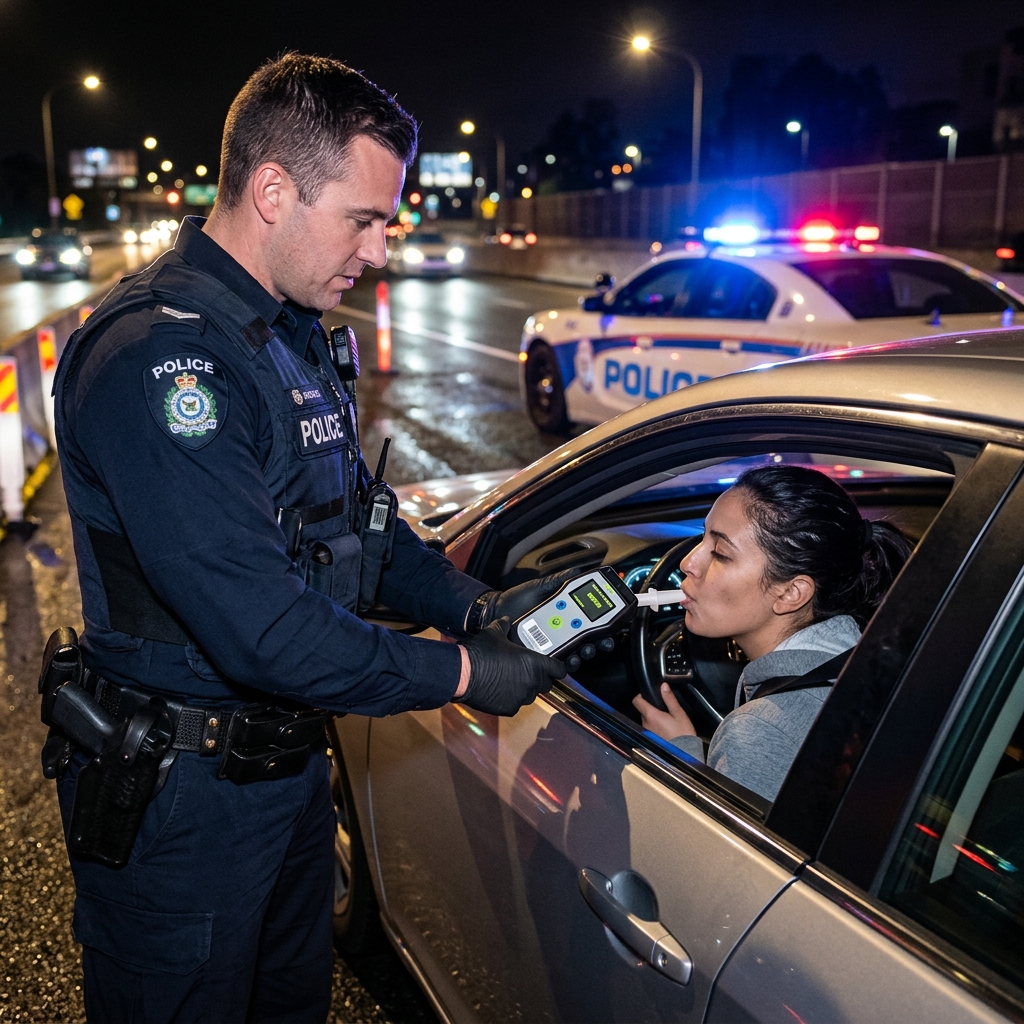
Breath testing has long been a cornerstone of enforcing drunk driving laws, but many drivers are unsure whether the same technology can be used to detect drug impairment. Modern roadside enforcement now combines breath tests, saliva screening, blood analysis and physical impairment checks to identify drivers affected by alcohol, illicit drugs, or even some prescription medications. This article explains how these tools work, when police can use them, and what rights and obligations drivers typically have during a traffic stop.
Alcohol vs. Drugs: Why Breath Tests Are Different
Traditional roadside breath tests are designed primarily to measure alcohol in a driver’s breath, providing an immediate indication of whether the person is over the legal limit. Alcohol is uniquely well‑suited to breath analysis because it is volatile and appears in predictable concentrations in exhaled air that correlate closely with blood alcohol concentration.
Most drugs do not behave in the same way. Many are not volatile chemicals and do not reliably appear in measurable quantities in exhaled breath. As a result:
- Standard police breathalysers cannot directly measure common drugs such as cannabis, cocaine, methamphetamine or MDMA.
- Drug detection relies more heavily on saliva, blood, urine, and impairment tests than on breath.
- Emerging research devices are exploring breath-based detection for some substances, but these systems are not yet widely adopted in roadside enforcement.
In most jurisdictions, a roadside breath test still focuses on alcohol. If an officer suspects drug use, they will move on to other testing methods tailored to detect specific substances or assess impairment.
When Police Can Stop Drivers and Request Tests
Police powers to stop drivers and require testing are broad, and many countries permit officers to stop a vehicle at any time to check for alcohol or drug impairment. While details vary by jurisdiction, common triggers for testing include:
- Visible signs of intoxication, such as slurred speech, poor coordination or unusual behaviour.
- Traffic violations, including speeding, failing to signal, or erratic lane changes.
- Involvement in a road traffic collision, even if the driver does not appear obviously intoxicated.
- Participation in random roadside checkpoints or mobile operations for alcohol and drug testing.
Many legal systems allow random breath testing for alcohol without the need for prior suspicion, meaning a driver can be lawfully required to provide a breath sample even if they are driving normally. Drug testing powers are sometimes more narrowly defined, requiring reasonable suspicion, but random saliva or oral fluid testing is increasingly common in some jurisdictions.
How Roadside Drug Testing Usually Works
When an officer suspects drug use, they typically use one or more of the following tools in addition to, or instead of, an alcohol breath test:
Saliva (Oral Fluid) Screening
Many police forces use portable devices that test a small sample of saliva for the presence of specific illicit drugs.
- An absorbent collector is placed in the driver’s mouth or on the tongue to gather saliva.
- The sample is analysed at the roadside using a handheld reader that checks for target substances.
- If the initial test is positive, the result is often confirmed later in a laboratory before charges are laid.
Commonly targeted drugs in saliva tests include:
- Cannabis (THC) – detectable in oral fluid up to around 3 days after use, depending on frequency and dose.
- Methamphetamine – often detectable for up to 3 days.
- MDMA – typically detectable for up to 3 days.
- Cocaine – may be found in saliva for up to 3 days after use.
These time frames are guides rather than guarantees: metabolism, body composition, and frequency of use can significantly change detection windows.
Blood and Urine Testing
If a roadside screening test suggests drug use or an officer observes signs of impairment, police may seek more accurate testing through blood or urine analysis. These samples are usually taken at a police station, hospital, or other approved facility, and the results determine whether the driver had drugs in their system and at what concentrations.
Blood tests are often preferred for legal purposes because they provide quantitative levels of substances and can better reflect actual impairment. Urine testing is widely used for workplace or probation monitoring, but it may not correlate perfectly with the driver’s condition at the time of driving.
Field Impairment and Behavioural Tests
Because drug effects vary widely between individuals and substances, many police services use impairment tests to assess how a driver’s ability to operate a vehicle has been affected.
- Coordination exercises, such as walking in a straight line, turning, and walking back.
- Balance checks, including standing on one leg or maintaining posture with eyes closed.
- Observation of speech, eye movements, reaction time and general demeanour.
Failing an impairment test can lead to arrest, even if a breath test for alcohol is negative, because the legal focus is the driver’s ability to safely control the vehicle rather than just the presence of a particular substance.
Comparing Alcohol Breath Tests and Drug Testing Methods
| Feature | Alcohol Breath Test | Drug Testing (Saliva/Blood/Impairment) |
|---|---|---|
| Primary purpose | Measure breath alcohol concentration to assess drunk driving. | Detect presence of drugs and evaluate impairment. |
| Sample type | Exhaled breath | Saliva, blood, urine plus behavioural observations |
| Speed of result | Immediate roadside reading. | Saliva screening is rapid; lab confirmation for blood/urine takes longer. |
| Substances detected | Alcohol only in standard devices. | Selected illicit drugs (e.g., THC, methamphetamine, MDMA, cocaine) and sometimes other substances. |
| Legal threshold | Defined legal blood alcohol limits (varies by jurisdiction). | Often zero-tolerance or specified concentrations for particular drugs; impairment-based standards may apply. |
What Happens If You Refuse a Test?
Refusing to cooperate with a lawful request for testing can have serious consequences. In many jurisdictions, declining a breath or drug test without a reasonable excuse is a criminal offence in itself.
- Drivers who refuse to give a breath sample may be arrested and taken to a station for further testing.
- Failure to provide saliva, blood or urine when legally required can result in charges equivalent to driving under the influence.
- Penalties often include fines, licence suspension, and possible imprisonment, reflecting the seriousness with which authorities treat impaired driving.
Some systems recognise limited reasonable excuses, such as genuine medical conditions that prevent a person from physically providing a breath sample. However, these exceptions are narrowly interpreted, and drivers typically need medical evidence to support such claims.
Can Police Breath-Test Specifically for Drugs?
The key question many drivers ask is whether police can use a breath test to detect drugs in the same way they detect alcohol. In practice, the answer is generally:
- Standard breathalysers are designed for alcohol and do not reliably detect common illicit drugs.
- Some experimental breath-analyser technologies are being developed to screen for certain substances, but they are not yet widely used in routine roadside enforcement.
- In modern practice, police usually rely on saliva screening, blood tests and impairment assessments to investigate suspected drug driving.
That said, a negative alcohol breath test does not end the inquiry. If an officer still believes the driver is impaired—because of behaviour, driving pattern or other evidence—they can move to drug-specific tests and an impairment evaluation.
Drug Presence vs. Impairment: Legal Approaches
Drug-driving laws generally follow two main approaches:
- Per se drug limits – laws that make it an offence to drive with certain drugs present in the body above specified thresholds, regardless of whether the driver feels affected.
- Impairment-based offences – laws that focus on whether the driver’s ability to operate a vehicle is impaired, which can be proved using observations, impairment tests and toxicology results.
Because some substances remain detectable long after their strongest effects have worn off, a driver can sometimes test positive even if they no longer feel intoxicated. Regular cannabis users, for example, may have THC stored in fat cells that remains detectable in urine for weeks. This divergence between presence and current impairment is one reason many jurisdictions also emphasise impairment assessments performed by trained officers.
Practical Tips for Drivers
Understanding how alcohol and drugs are detected can help drivers make safer and better-informed decisions. Consider the following practical points:
- Do not assume that feeling “sober” means you will pass a test; detection windows can be longer than perceived effects.
- Be aware that mixing alcohol with drugs often leads to unpredictable and dangerous impairment, increasing the likelihood of failing both breath and drug tests.
- Prescription medicines can affect driving ability; always check labelling and consult healthcare providers about potential impairment risks.
- If you are stopped, remain calm, follow lawful instructions, and avoid arguing at the roadside. Legal challenges to testing are usually handled later through formal processes.
Frequently Asked Questions (FAQs)
1. Can a standard breathalyser show if I used cannabis or other drugs?
Standard roadside breathalysers are designed to measure alcohol levels in breath and do not specifically detect cannabis, cocaine, methamphetamine, MDMA or most other drugs. Officers use saliva screening, blood tests and impairment assessments to investigate suspected drug use.
2. If I pass an alcohol breath test, can I still be tested for drugs?
Yes. Passing an alcohol breath test does not prevent the police from investigating drug impairment. If an officer observes signs of intoxication or other evidence suggesting drug use, they may ask you to undergo saliva testing, blood sampling or impairment checks.
3. How long after using drugs could I still test positive?
Detection times vary widely. Saliva tests may detect cannabis, methamphetamine, MDMA and cocaine for up to around three days after use, but this can be shorter or longer depending on body chemistry, dose and frequency of use. Some substances remain detectable in urine for weeks even when subjective effects have faded.
4. Is refusing a breath or drug test ever a good idea?
Refusing a lawful request for testing usually carries serious legal consequences, including potential arrest and separate charges for failure to provide a sample. In many jurisdictions, penalties for refusal are similar to those for impaired driving, so declining a test typically does not avoid liability.
5. Can police stop me randomly just to test for alcohol or drugs?
In many places, police have broad powers to carry out random breath tests for alcohol and, increasingly, random saliva tests for illicit drugs, without needing specific suspicion first. Exact rules vary by jurisdiction, but drivers are generally required to comply with lawful roadside testing.
Key Takeaways
- Breath testing is primarily an alcohol-focused tool; most drug detection relies on saliva, blood and impairment tests.
- Police can stop drivers and require testing in a wide range of situations, including random roadside operations.
- Refusing a lawful test is itself a serious offence in many jurisdictions.
- Drugs can remain detectable long after their immediate effects fade, so a driver may test positive even if they feel unimpaired.
- Legal standards emphasise both the presence of substances and observable impairment to protect road safety.
References
- Being stopped by the police while driving: Breath tests — GOV.UK. 2023-05-01. https://www.gov.uk/stopped-by-police-while-driving-your-rights/breath-tests
- Roadside drug testing — Alcohol and Drug Foundation. 2023-02-15. https://adf.org.au/insights/roadside-drug-testing/
- Police vehicles can carry out random breath tests. Anywhere. Anytime. — NSW Road Safety (Facebook, Government campaign). 2020-06-10. https://www.facebook.com/nswroadsafety/posts/police-vehicles-can-carry-out-random-breath-tests-anywhere-anytime/3425390377509173/
- Drug testing — National Institute on Drug Abuse (NIDA). 2020-06-01. https://nida.nih.gov/publications/drug-testing
- Impaired Driving — Centers for Disease Control and Prevention (CDC). 2023-04-20. https://www.cdc.gov/transportationsafety/impaired_driving/index.html
Similar Articles








Read full bio of medha deb




