
Can Kids Legally Operate Your Boat: State Age Rules & Safety
Navigate boating laws on youth operators: age limits, supervision rules, and penalties for violations across U.S. states.
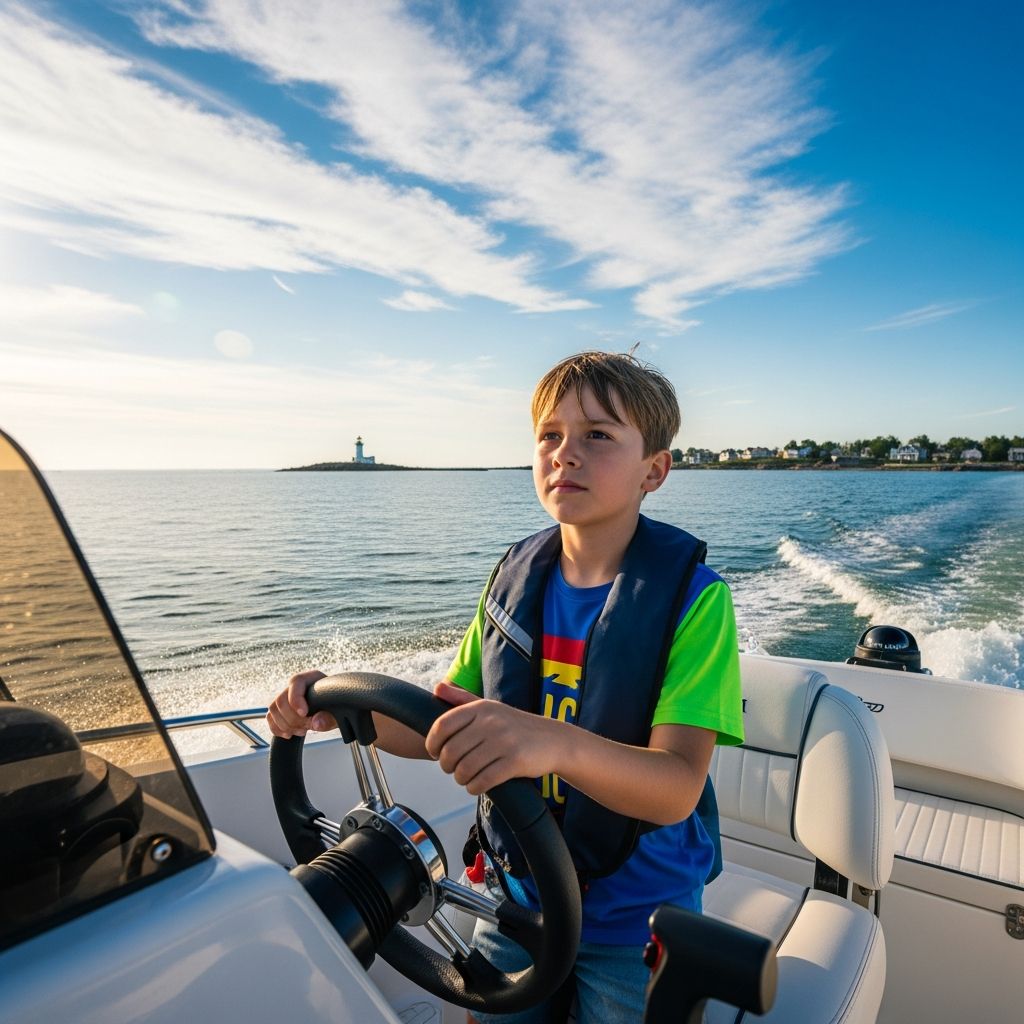
Boating with family offers thrilling adventures on the water, but allowing minors to take the helm raises critical legal questions. U.S. states enforce distinct regulations on the minimum age for operating motorized vessels, often tied to engine horsepower, supervision, and boater education. Violating these can lead to fines, citations, or criminal charges for adults permitting underage operation. This guide explores these rules comprehensively, emphasizing safety and compliance.
Understanding Minimum Age Rules Nationwide
Unlike driving cars, boating lacks uniform federal age standards; each state dictates its own thresholds, primarily for safety amid varying waterway conditions and vessel types. Motorboats exceeding 15 horsepower typically face stricter limits than non-motorized craft. Personal watercraft (PWCs) like jet skis often demand higher ages or certifications due to their speed and handling challenges.
Common patterns emerge: many states bar children under 12-14 from powered boats without oversight, while 16 emerges as a frequent unsupervised minimum. These laws aim to curb accidents, as young operators may lack judgment for navigation, emergencies, or alcohol influences—though boating under influence (BUI) penalties apply universally.
Spotlight on California: Strict Standards for Young Boaters
California exemplifies rigorous enforcement. State law mandates operators of vessels with motors over 15 horsepower be at least 16 years old and hold a California Boater Card. Youth aged 12-15 may helm such craft only under direct supervision by an adult (18+) possessing the card.
- No age limit applies to sailboats under 30 feet using wind propulsion or dinghies shuttling between moored boats and shore.
- Since January 1, 2022, those 45 and under need the boater card; by 2025, all operators require it regardless of age.
- Personal watercraft follow identical rules, underscoring uniform treatment for high-risk vessels.
Permitting a child under 16 to operate unsupervised risks infractions under Harbors and Navigation Code Section 658.5, potentially escalating to misdemeanor charges if injury occurs.
State-by-State Breakdown of Youth Boating Laws
Regulations diverge sharply across the U.S. Below is a comparative table of minimum ages for non-PWC motorized vessels over 15 HP (or equivalents), highlighting supervision needs.
| State | Minimum Age (Unsupervised) | Supervised Age Range | Boater Education Required? |
|---|---|---|---|
| California | 16+ | 12-15 (adult 18+ w/ card) | Yes, 16+ w/ card; phased in |
| Florida | 16 (motorboats); 18 (PWC) | Under 16 prohibited | Yes for under 21 renting |
| Texas | 16 | 13-15 w/ education | Yes for 13-17 |
| Michigan | 12 (some vessels) | N/A | Yes under 16 |
| New York | 14 (some) | 10-13 w/ restrictions | Yes 10-17 |
| Tennessee | 12 (under 8.5 HP) | 10-12 (14+ ft boat, <15 HP) | Varies by age/vessel |
This table draws from official compilations; always verify with state wildlife agencies, as rules evolve. States like Indiana require 15+ with ID/education or 16+, while Washington mandates 12+ for 15+ HP boats.
Boater Education and Certification Essentials
Beyond age, most jurisdictions demand proof of training via NASBLA-approved courses. California’s Boater Card, obtained post-exam, proves competency in rules, safety gear, and emergency response. Online providers like Drive a Boat USA offer approved curricula covering navigation and hazard avoidance.
Benefits extend to insurance discounts and accident prevention. Even exempt adults benefit from refreshers, as courses address BUI (illegal at 0.08% BAC federally), life jacket mandates, and sound signals.
Consequences of Allowing Minors to Operate Illegally
Parents or guardians face steep repercussions for permitting violations. Fines range $100-$1,000 per incident, plus court fees; reckless cases may incur misdemeanors with jail time. If accidents result, charges like child endangerment or negligence amplify penalties. Insurance may deny claims for underage operation, leaving owners liable for damages.
In high-traffic areas, Coast Guard or state patrols enforce rigorously, especially holidays. Proactive compliance averts these pitfalls.
Safety Best Practices Beyond Legal Minimums
Law sets floors, but experts urge higher standards. Start youth training early with low-HP vessels under close watch. Equip life jackets for all under 13 federally, plus throwable devices.
- Conduct pre-trip briefings on controls, no-wake zones, and weather.
- Enroll in courses voluntarily for skill-building.
- Monitor for fatigue/alcohol; designate sober operators.
- Maintain vessels: check fuel, lights, fire extinguishers.
These habits slash risks, per U.S. Coast Guard data showing operator inexperience as a top accident factor.
Special Considerations for Personal Watercraft and Rentals
PWCs demand extra caution due to agility. Many states hike ages to 16-18; California aligns with motorboats but requires supervision for 12-15. Rentals often mandate cards and briefings, refusing underage drivers. Parents should review rental policies to avoid stranding.
Navigating Federal Overlaps and Interstate Waters
Federal rules via U.S. Coast Guard govern navigable waters, mandating registration, lighting, and PFDs but defer age to states. Border lakes (e.g., Lake Tahoe) follow the stricter jurisdiction—check both.
Frequently Asked Questions
What is the youngest age to drive a boat in California without supervision?
16 years old with a California Boater Card for motors over 15 HP.
Can a 14-year-old operate a jet ski if supervised?
Yes, in California if an 18+ adult with a Boater Card supervises.
Do non-motorized boats have age limits?
Generally no, but states may restrict very young children for safety.
What happens if I let my 15-year-old drive alone?
Fines, possible misdemeanor, insurance voidance, and liability for incidents.
Is a boater safety course mandatory everywhere?
No, but increasingly required for youth and phased in for adults in states like California.
Empowering Safe Family Boating Experiences
Knowledge of age laws ensures worry-free outings. Consult state resources like California State Parks or USCG Boating for updates. Prioritize education and supervision to foster confident young mariners while upholding the law.
References
- California Boating Laws and Regulations — BOATERexam.com. 2023. https://www.boaterexam.com/usa/california/regulations/
- California Boater Card Age Requirements — Drive a Boat USA. 2024. https://driveaboatusa.com/blog/california-boater-card-age/
- State Boating Laws — U.S. Coast Guard Boating. 2025. https://uscgboating.org/regulations/state-boating-laws-details.php?id=11&title=
- Operator Age and Education Requirements — Boat Ed. 2024. https://www.boat-ed.com/california/studyGuide/Operator-Age-and-Education-Requirements/10100502_27780/
- Age Restrictions for boaters in California — Ace Boater. 2024. https://aceboater.com/en-us/age-restrictions-motor-boat-california
- How Old Do You Have to Be to Drive a Boat? — GEICO. 2025. https://www.geico.com/information/aboutinsurance/boat/how-old-to-drive-a-boat/
- Boating laws rules and license requirements — California State Parks. 2025. https://www.parks.ca.gov/?page_id=28985
Similar Articles








Read full bio of Sneha Tete


