
Cold Medicine And DUI: What To Know And How To Stay Safe Today
How everyday cold and flu remedies can still result in a DUI charge and what you can do to protect yourself.
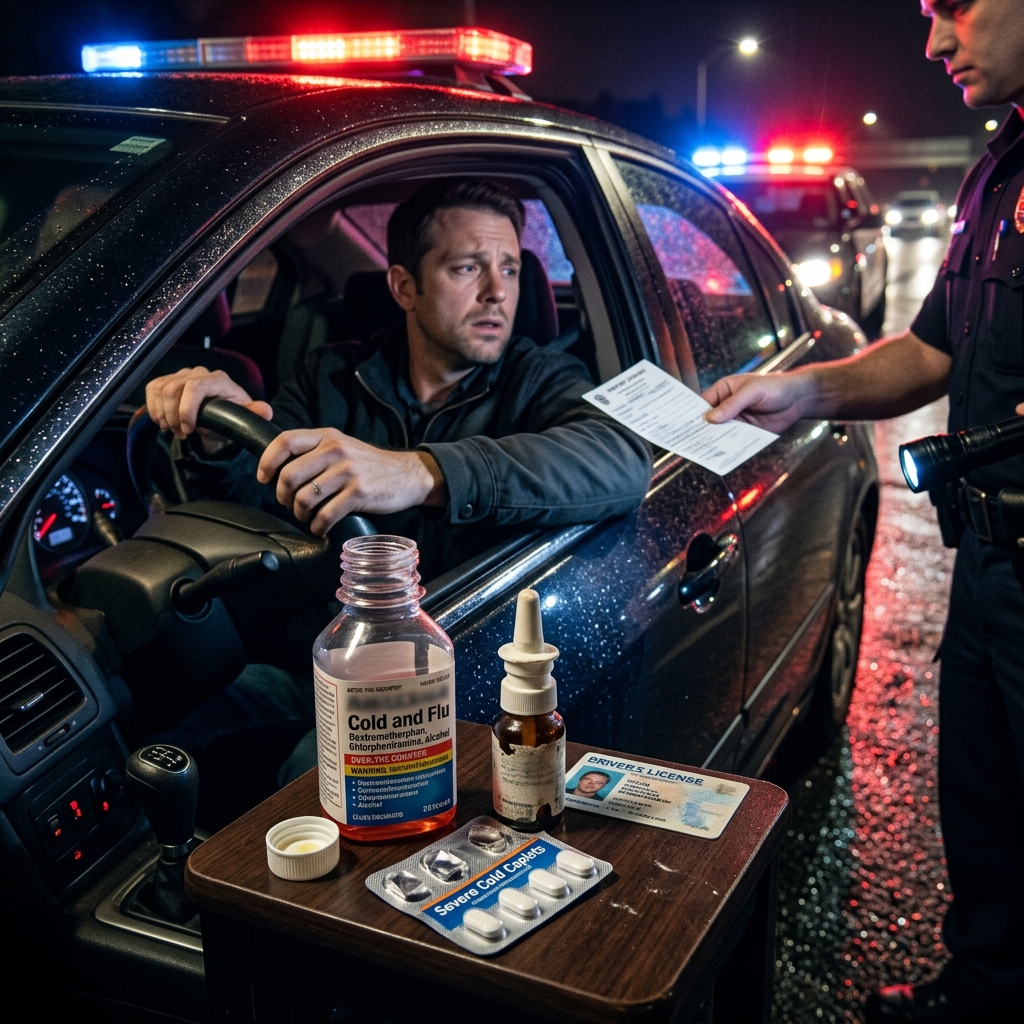
Most people think of driving under the influence as a problem tied only to alcohol or illegal drugs. In reality, many cold, flu, allergy, and pain medications sold in pharmacies can impair driving enough to trigger a DUI or drugged driving charge if you get behind the wheel while affected.
This article explains how over-the-counter and prescription medicines can result in DUI charges, what symptoms and ingredients raise the most concern, how officers and courts evaluate impairment, and what practical steps you can take to protect both your health and your legal rights.
Why Legal Medicines Can Still Lead to a DUI
In most U.S. states, DUI or DWI laws focus on impairment, not just on whether you drank alcohol or used an illegal drug. Statutes typically make it a crime to operate a vehicle while your normal faculties are impaired by any substance, including lawfully obtained medications.
- You can be charged even if a doctor prescribed the medicine.
- You can be charged even if the drug was purchased over the counter.
- You can be charged even if your blood alcohol concentration is below 0.08%, or you have no alcohol at all in your system.
Some states explicitly specify that impairment by over-the-counter (OTC) medications can support a DUI charge, and courts have upheld convictions where cold or allergy remedies were a primary factor in unsafe driving.
How Cold and Allergy Medicines Affect the Body
Cold and flu remedies typically combine several active ingredients designed to treat congestion, cough, fever, and pain. These ingredients can affect your brain and nervous system in ways that matter a great deal behind the wheel.
Common Active Ingredients and Driving Risks
| Ingredient Type | Examples | Possible Effects on Driving |
|---|---|---|
| First-generation antihistamines | Diphenhydramine (often in night-time cold meds) | Drowsiness, slower reaction time, blurred vision, reduced coordination |
| Decongestants | Pseudoephedrine, phenylephrine | Nervousness, insomnia, increased heart rate, restlessness, possible distraction |
| Cough suppressants | Dextromethorphan | At higher doses, confusion, dizziness, altered perception |
| Pain relievers / fever reducers | Acetaminophen, ibuprofen | Generally minimal direct impact on driving, but may interact with other drugs |
| Alcohol-containing liquids | Some cough syrups and cold tonics | Additional central nervous system depression and potential breath test impact |
These effects do not impact everyone equally. Factors such as age, weight, tolerance, other medications, and overall health can determine how impaired you become at a given dose.
When Normal Illness Symptoms Make Things Worse
Even without medication, being sick can reduce your ability to drive safely. A cold or flu often brings:
- Fatigue and low energy
- Headaches and body aches
- Fever or chills
- Difficulty concentrating
When you combine these symptoms with drowsy or sedating drugs, the total level of impairment can be significant. Some research indicates that sedating antihistamines alone can impair performance to a degree comparable to a blood alcohol concentration of about 0.05–0.08% in some tasks.
How DUI Laws Treat Medication Impairment
DUI statutes vary by state, but they generally create several pathways to a charge related to medication.
Impairment-Based vs. Per Se Laws
- Impairment-based laws: You can be convicted if the prosecution proves your driving was impaired by a substance, regardless of the exact level in your blood.
- Per se alcohol limits: A BAC at or above a legal threshold (often 0.08%) is sufficient to convict, even if you appear to drive reasonably.
- Drugged driving provisions: Some states also have per se limits or zero-tolerance rules for certain controlled substances, though over-the-counter cold medicines are typically handled under general impairment rules.
Because there is no widely adopted “legal limit” for cold medicine ingredients in the bloodstream, cases involving these drugs often hinge on observations of your driving behavior, physical signs of impairment, and sometimes toxicology results.
Key Legal Principles to Understand
- It is usually not a defense that a drug was prescribed by a doctor or purchased legally.
- Prosecutors typically must show that the medication actually affected your ability to drive safely, not just that it was present in your system.
- Some states allow enhanced penalties for drug-related DUIs, especially if children are in the vehicle or an accident occurs.
What Police Look For in a Medication-Related Stop
An officer rarely knows at the outset whether alcohol, illegal drugs, or legal medication is involved. The process typically follows several steps.
Driving Behavior
Officers often initiate a stop due to observable driving issues, such as:
- Weaving or drifting out of your lane
- Driving unusually slowly or braking erratically
- Failing to respond to traffic signals or signs
- Nearly colliding with other cars or fixed objects
Initial Contact and Physical Signs
After a stop, the officer may look for indicators that you are not fully alert or coordinated, including:
- Slurred or slow speech
- Difficulty following simple instructions
- Unsteady movements when retrieving documents
- Watery, glassy, or droopy eyes
- Strong odors of alcohol or medicinal products (like some cough syrups or mouthwash)
If a breath test shows 0.00% alcohol but you still appear impaired, the officer may suspect drug or medication influence and proceed with further evaluation.
Field Sobriety and Drug Recognition
Common steps can include:
- Standardized field sobriety tests (walk-and-turn, one-leg stand, horizontal gaze nystagmus) to assess balance, coordination, and eye movements.
- Drug Recognition Expert (DRE) evaluation in some jurisdictions, where specially trained officers assess vital signs, pupil size, muscle tone, and other indicators.
- Blood or urine tests to detect the presence of medications or controlled substances when alcohol is ruled out.
Test results showing therapeutic levels of a cold medicine do not automatically prove impairment, but when combined with erratic driving and visible symptoms, they can support a DUI prosecution.
Possible Consequences of a Medication-Related DUI
Penalties for a DUI based on cold medicine are typically similar to alcohol-related cases. While specifics vary by state, possible consequences include:
- Fines and court costs
- Driver’s license suspension or revocation
- Jail time or mandatory community service
- Probation with conditions (treatment, classes, testing)
- Mandatory DUI education or drug awareness programs
- Ignition interlock device in alcohol-related or mixed cases
- Higher insurance premiums or loss of coverage
- Long-term criminal record affecting employment and licensing
Some states impose harsher penalties if the incident involves an accident, injuries, or prior DUI convictions, even where the immediate cause was a legal medication.
Practical Steps to Stay Safe and Avoid a DUI
You do not have to choose between treating your illness and staying within the law. Careful planning and attention to how you feel can significantly reduce your risk.
Before You Take Cold Medicine
- Read the label carefully for warnings about driving, operating machinery, or drowsiness.
- Check active ingredients to see if they include sedating antihistamines or multiple drugs with overlapping effects.
- Talk with your doctor or pharmacist if you regularly drive for work or have other medications or health conditions.
- Start with the lowest effective dose and avoid taking extra doses to “push through” your symptoms.
Before You Decide to Drive
Ask yourself a few key questions:
- Do I feel more tired, lightheaded, or foggy than usual?
- Am I having trouble focusing, reading, or following a conversation?
- Have I taken multiple medications that can interact?
- Is my reaction time clearly slower than usual?
If the honest answer to any of these questions concerns you, consider alternatives.
Safer Alternatives When You Are Medicated
- Ask a family member, friend, or coworker to drive you.
- Use rideshare or taxi services when available.
- Reschedule nonurgent appointments or errands.
- Notify your employer if you are not fit to drive for work-related tasks.
Many employers and clients would rather deal with a delayed visit than a crash or an employee facing criminal charges.
What to Do If You Are Stopped After Taking Cold Medicine
This article is not legal advice, but there are general principles that often apply when you are stopped and have taken lawful medication.
During the Traffic Stop
- Remain calm, keep your hands visible, and follow basic safety instructions.
- Provide required documents such as license, registration, and proof of insurance.
- Understand that in many states you are required to comply with chemical testing under implied consent laws, though refusals and their consequences depend on local rules.
- Avoid making unnecessary statements about how many pills you took or offering detailed medical histories at the roadside.
If You Are Arrested
- Request to speak with an attorney as soon as you are allowed.
- Tell your lawyer about all medications, supplements, and illnesses you had at the time of driving.
- Preserve medication packaging, prescriptions, and any written instructions you received.
- Write down your recollection of events while they are fresh, including how you felt physically and mentally before driving.
In some cases, a defense may focus on lack of actual impairment, improper testing, or other legal issues, but this is highly dependent on state law and case-specific facts.
Frequently Asked Questions About Cold Medicine and DUI
1. Can I really be charged with DUI if I only took over-the-counter cold medicine?
Yes. Many DUI statutes apply to any substance that impairs your ability to drive safely, including over-the-counter drugs like cold and allergy medicines. If those medicines cause drowsiness, dizziness, or confusion, and that impairment is evident in your driving, you can face a DUI charge.
2. What if my doctor prescribed the medication?
Having a prescription does not automatically shield you from DUI liability. You are generally responsible for following warnings about driving and monitoring how the drug affects you. However, your prescription and medical instructions may become relevant evidence in your case and should be discussed with your attorney.
3. Can cold medicine make me fail a breathalyzer test?
Some liquid cold medicines and mouthwashes contain ethyl alcohol, which can briefly register on a breath testing device if taken right before a test. That effect usually diminishes quickly, but if combined with signs of unsafe driving, it can contribute to a DUI investigation. Officers and forensic procedures often include safeguards to reduce the impact of mouth alcohol, such as observation periods.
4. Are non-drowsy formulas safer for driving?
Non-drowsy or second-generation antihistamines generally cause less sedation than older drugs, but they are not completely risk-free for every person. Some individuals still feel fatigue, slowed thinking, or other side effects. Always evaluate how you respond before driving long distances or in heavy traffic.
5. How long should I wait after taking medicine before I drive?
There is no universal timeline, because absorption and elimination vary by drug, dose, and personal factors. As a rule of thumb, first doses of a new sedating medication should be taken when you do not have to drive, so you can gauge your reaction. When in doubt, talk with a healthcare professional about timing and consider delaying driving until you feel fully alert.
6. Does being sick without any medicine affect DUI risk?
Yes. Fatigue, fever, and pain from illness can impair attention, reaction time, and judgment on their own. If an officer observes obviously unsafe driving and signs that you are not fully alert, you could face legal consequences regardless of medication use. Combining illness with sedating remedies increases that risk.
Key Takeaways
- DUI laws generally focus on impairment, not just alcohol or illegal drugs.
- Common cold, flu, and allergy medicines can cause drowsiness, dizziness, and slower reactions that dangerously affect driving.
- You may face DUI charges even if a medication is legal and prescribed, especially when your driving is clearly unsafe.
- Reading labels, consulting health professionals, and honestly evaluating how you feel before driving can significantly lower your risk.
- If you are stopped or arrested after taking cold medicine, contacting an attorney promptly is important to understand your rights and options.
References
- Cold Medicine and DUI Charges in Winter Months — Wagner Law Firm. 2023-01-10. https://www.westvirginiaduilawyers.com/cold-medicine-and-dui-charges-in-winter-months/
- Can You Get a DUI for Driving on Cold Medicine in Arizona? — Alcock & Associates. 2022-09-15. https://www.alcocklaw.com/can-you-get-a-dui-for-driving-on-cold-medicine-in-arizona/
- Driving Under the Influence of Drugs — Rosenberg & Espinosa, Houston DWI Lawyer. 2021-06-01. https://www.dwi-texas.com/dwi-defense/dwi-drugs/
- Caught a Cold? It Could Land You With a DUI Charge — Jaffe Defense Team. 2021-07-09. https://www.jflawpa.com/blog/2021/07/caught-a-cold-it-could-land-you-with-a-dui-charge/
- DUI Facts: Can Cold Medicine or a Prescription Drug Affect a DUI Case? — Arja Shah Law. 2022-04-05. https://arjashahlaw.com/blog/prescription-drug-dui/
Similar Articles








Read full bio of Sneha Tete




