
Can a Speeding Ticket Really Send You to Jail?
Most speeding tickets end with a fine, but certain circumstances can turn a simple citation into a criminal case that carries real jail time.
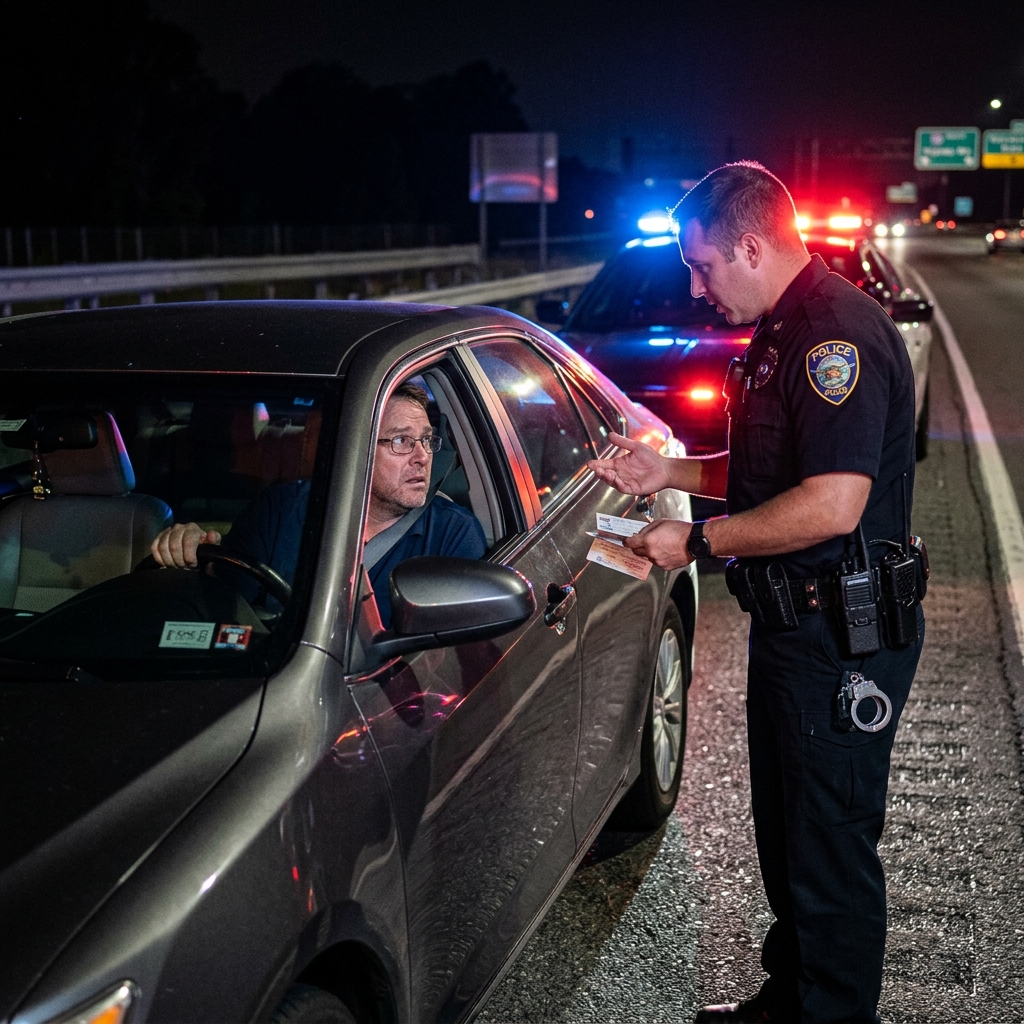
For most drivers, a speeding ticket means an annoying fine, a bump in insurance rates, and a lesson learned. Yet under the wrong circumstances, that same ticket can be the first step toward handcuffs, a criminal record, and even jail time.
This article explains when speeding is a minor civil or traffic infraction, when it becomes a crime, and how related issues like reckless driving, failure to appear in court, or causing an accident can turn a routine stop into a serious legal problem.
1. Ordinary Speeding vs. Criminal Offenses
In most U.S. states, basic speeding—driving somewhat above the posted limit without causing harm—falls into the category of a civil infraction or low-level traffic offense.
- Handled with a ticket and fine, often payable by mail or online.
- May add points to your driving record, which can raise insurance rates.
- Typically does not carry jail time when it is simply a standard speeding citation.
However, once certain aggravating factors appear—such as very high speeds, dangerous maneuvers, injuries, or prior violations—the same conduct can be treated as a criminal offense that opens the door to possible incarceration.
| Type of violation | Typical legal category | Common penalties | Jail possible? |
|---|---|---|---|
| Minor speeding (a few mph over) | Civil infraction / low-level traffic offense | Fine and points, no criminal record | No, in most cases |
| High-speed or reckless driving | Misdemeanor (often Class B or similar) | Higher fines, possible license suspension | Yes, often up to several months |
| Felony-level conduct (injury, death, extreme speed) | Felony traffic offense | Substantial fines, long license loss, criminal record | Yes, including potential state prison time |
| Ignoring tickets or court dates | Contempt / failure to appear / related charge | Arrest warrant, additional fines | Yes, through the related offense, not the ticket itself |
2. When a Speeding Ticket Becomes Jail-Eligible
Whether you can be jailed for speeding depends almost entirely on how fast you were going, where you were driving, and what else was happening at the time. States write these boundaries into their traffic and criminal codes.
2.1 Extreme speed above the limit
Many states treat moderate speeding as non-criminal, but draw a line at unusually high speeds. For example:
- In one state, traveling more than a certain threshold above the limit (such as 25 mph or more) may be reclassified from a simple ticket to a misdemeanor offense, exposing the driver to county jail.
- Other jurisdictions may consider speeds of 30 mph or more above the limit as grounds for a more serious charge, often labeled “careless” or “imprudent” driving, also with potential jail time.
These higher-speed categories signal to prosecutors and judges that the conduct is not just inconvenient or unsafe, but inherently dangerous to the public.
2.2 School zones, work zones, and protected areas
Lawmakers often impose enhanced penalties where vulnerable people or workers are present.
- School zones: Fines and points are often higher, and some states provide for jail where speeding endangers children, especially at high speeds.
- Construction or work zones: Many states double fines and allow greater penalties, including possible short jail terms for severe violations or repeat offenders.
- Restricted or special highways: Certain roads may carry elevated penalties to deter high speeds in risky locations.
Even if initial enforcement focuses on fines and points, repeated offenses or aggravated facts in these zones can move a driver into jail-eligible territory.
2.3 Reckless or “careless and imprudent” driving
In many states, prosecutors rely on a broader offense such as reckless driving or careless and imprudent driving to bridge the gap between a simple ticket and a criminal case.
Reckless-type statutes generally describe driving that shows a willful or wanton disregard for the safety of others—for example, weaving at very high speed through traffic or racing on public roads. A typical reckless charge can be:
- A Class B misdemeanor or similar category.
- Punishable by up to 6 months in jail and substantial fines.
- Accompanied by significant points or license suspension.
In practice, ordinary speeding rarely results in a reckless conviction. But once speeds and risk climb, the legal theory shifts from “breaking a rule” to endangering people or property.
3. How Injuries, Death, and Other Crimes Change Everything
The most dramatic jump from ticket to jail occurs when speeding is linked to a serious crash or combined with another crime.
3.1 Speeding that causes an accident
If a driver’s speed contributes to a collision, the charges can escalate dramatically:
- Property damage only: Speeding may be used as evidence of negligence or recklessness in a criminal mischief or reckless driving case.
- Injury to another person: Prosecutors may pursue charges such as vehicular assault or similar offenses, often carrying potential jail or prison time.
- Fatal crashes: When someone is killed, speeding can support charges like vehicular manslaughter or homicide, which are felonies with potentially lengthy incarceration.
In these situations, the legal focus is not just the speed but the harm caused by that speed.
3.2 Speeding combined with impairment or racing
Speeding alone is risky. Speeding while impaired or while racing is far riskier—both in terms of safety and legal consequences.
- Driving under the influence (DUI/DWI): Even if the initial stop is for speeding, the discovery of intoxication can lead to DUI charges. These often carry mandatory or discretionary jail sentences, especially for high blood alcohol levels or prior convictions.
- Street racing or highway racing: Many states treat racing as a criminal offense separate from speeding, with increased penalties, vehicle impoundment, and potential jail time.
Attorneys often note that speeding becomes much more dangerous legally when combined with another serious traffic crime.
4. Jail for Speeding… Without Speeding Being the Problem
One of the most confusing aspects of traffic law is that you may be jailed in connection with a speeding ticket even when the underlying speeding offense is non-jailable. The key is what happens after you receive the citation.
4.1 Ignoring the ticket or missing court
Courts treat failure to respond to a ticket or failure to appear for a required hearing very seriously. If you:
- Do not pay the fine by the deadline,
- Ignore a mandatory court appearance, or
- Move and fail to update your address, missing notices,
the court may issue a bench warrant for your arrest. This warrant is not punishment for speeding itself, but for the separate offense of failing to appear or disobeying a court order.
Consequences can include:
- Being taken into custody during a later traffic stop.
- Having to post bail to be released.
- Facing an additional criminal charge on top of the original ticket.
4.2 Driving on a suspended or revoked license
Unpaid tickets and accumulated points can lead to a license suspension or revocation. If you continue driving and are caught, you may face:
- New criminal charges for driving while suspended or revoked.
- Higher fines and extended suspension periods.
- Potential jail time, especially for repeat violations.
In other words, a minor speeding ticket that goes unresolved can snowball into a criminal record and time behind bars—even though the original infraction never carried jail as a penalty.
5. How Different States Handle Jail for Speeding
There is no single national rule on jail time for speeding. Each state sets its own thresholds and penalties. A few illustrative examples show how varied these laws can be.
5.1 Example of graduated penalties by speed
Some states outline specific penalties—including possible short jail sentences—based on how far over the limit you were driving. For instance, one northeastern state publishes an official schedule showing that:
- Up to 10 mph over the limit may bring a relatively small fine and up to 15 days in jail.
- More than 10 mph but less than 30 mph over can carry a larger fine and up to 30 days in jail.
- More than 30 mph over may involve even higher fines and up to 30 days in jail.
Although short jail terms are possible, judges often reserve them for extreme or repeat situations, not a first, modest violation.
5.2 Example of criminal “careless and imprudent” driving
In another state, ordinary speeding tickets usually end with a fine, points, and perhaps an insurance increase. But when a driver’s behavior crosses into “careless and imprudent” driving—often at speeds 30 mph or more above the limit, in sensitive areas, or with additional risk factors—the case can be charged as a Class B misdemeanor.
Penalties for that misdemeanor may include:
- Up to six months in jail.
- Up to $1,000 in fines.
- License points and possible suspension, especially with prior violations.
This structure gives prosecutors discretion to treat very dangerous speeding as a crime similar in seriousness to other low-level misdemeanors.
6. Practical Tips to Avoid Jail-Related Consequences
Most drivers can dramatically lower their risk of any jail exposure by taking a few practical steps before and after a traffic stop.
6.1 During the traffic stop
- Remain calm and polite: Escalating the encounter with aggression or attempts to flee can lead quickly to arrest.
- Provide requested documents: Having your license, registration, and proof of insurance ready helps keep the stop routine.
- Avoid admissions beyond basics: You must identify yourself, but you are not required to agree with the officer’s assessment or make incriminating statements.
6.2 After receiving a speeding ticket
- Read the ticket carefully: Note the exact charge, court date, and whether an appearance is mandatory.
- Decide early whether to contest or pay: Missing deadlines is one of the fastest ways to turn a minor infraction into a more serious problem.
- Consider legal advice: In higher-speed or injury cases, speaking with a traffic or criminal defense attorney can clarify your risks and options.
6.3 Long-term driving habits
- Stay within reasonable speeds: Even when you exceed the posted limit, keeping speeds modestly above the limit is much less likely to trigger criminal charges than extreme speeding.
- Avoid mixing speeding with other risks: Never drink or use drugs before driving, and do not race or perform stunts on public roads.
- Monitor your license status: Check periodically for points, suspensions, or errors so you are not surprised during a traffic stop.
7. Frequently Asked Questions
Does a normal speeding ticket mean I could go to jail?
In most states, a simple speeding ticket with no aggravating factors does not carry jail time. It is usually treated as a civil or low-level traffic violation, punishable by a fine and possibly points on your license, but not incarceration.
What kinds of speeding-related charges can lead to jail?
Jail becomes a realistic possibility when speeding is linked to offenses such as reckless or careless-and-imprudent driving, DUI, street racing, or crashes that cause injury or death. Many of these are misdemeanors or felonies with statutory jail or prison exposure.
Can I go to jail if I ignore a speeding ticket?
You typically are not jailed for the speeding ticket itself, but ignoring it can lead to a bench warrant for failure to appear or failure to comply with a court order. If you are later stopped by police, this warrant may result in your arrest and potential time in custody.
Why do some states list jail time even for modest speeding?
Some state penalty schedules formally allow short jail terms (for example, up to 15 or 30 days) even for certain speeding offenses. In practice, courts usually reserve jail for extreme speeds, repeated violations, or additional misconduct, rather than routine first-time offenses.
What should I do if my ticket mentions a misdemeanor or reckless driving?
If your citation refers to a misdemeanor, reckless driving, or similar language, you should treat the situation as potentially serious. Consider consulting a qualified traffic or criminal defense attorney in your state to understand possible penalties, including jail, and to explore options such as plea negotiations, diversion, or contesting the charge.
References
- Can You Go to Jail for Speeding? — Rosenfeld Injury Lawyers. 2024-01-05. https://www.rosenfeldinjurylaw.com/chicago-car-accident-lawyer/faq/can-you-go-to-jail-for-speeding/
- When Speeding Becomes Jail Time in Missouri — David Naumann Law. 2023-06-15. https://davidnaumannlaw.com/blog/speeding-jail-time-missouri
- Can I Go to Jail for a Speeding Ticket? — The Criminal Defense Team. 2022-09-12. https://www.criminaldefenseteam.com/can-i-go-to-jail-for-a-speeding-ticket/
- Can You Go to Jail for Speeding in Texas? — Fastest Course. 2023-11-20. https://www.fastestcourse.com/can-you-go-to-jail-for-speeding-in-texas/
- Penalties for Speeding — New York State Governor’s Traffic Safety Committee. 2024-02-01. https://trafficsafety.ny.gov/penalties-speeding
- When Is Speeding a Crime in Florida? — O’Mara Law Group. 2022-08-03. https://www.omaralawgroup.com/blog/when-is-speeding-a-crime-in-florida/
- Criminal Traffic Tickets in Florida — Law Office of Philip Moffitt, P.A. 2022-05-10. https://www.moffitt.law/jacksonville-traffic-ticket-attorney/criminal-traffic-tickets/
Similar Articles








Read full bio of medha deb




