
Campus DUI: What College Students Need to Know
Understand how a DUI on or near campus can impact your freedom, education, and future career before you get behind the wheel.
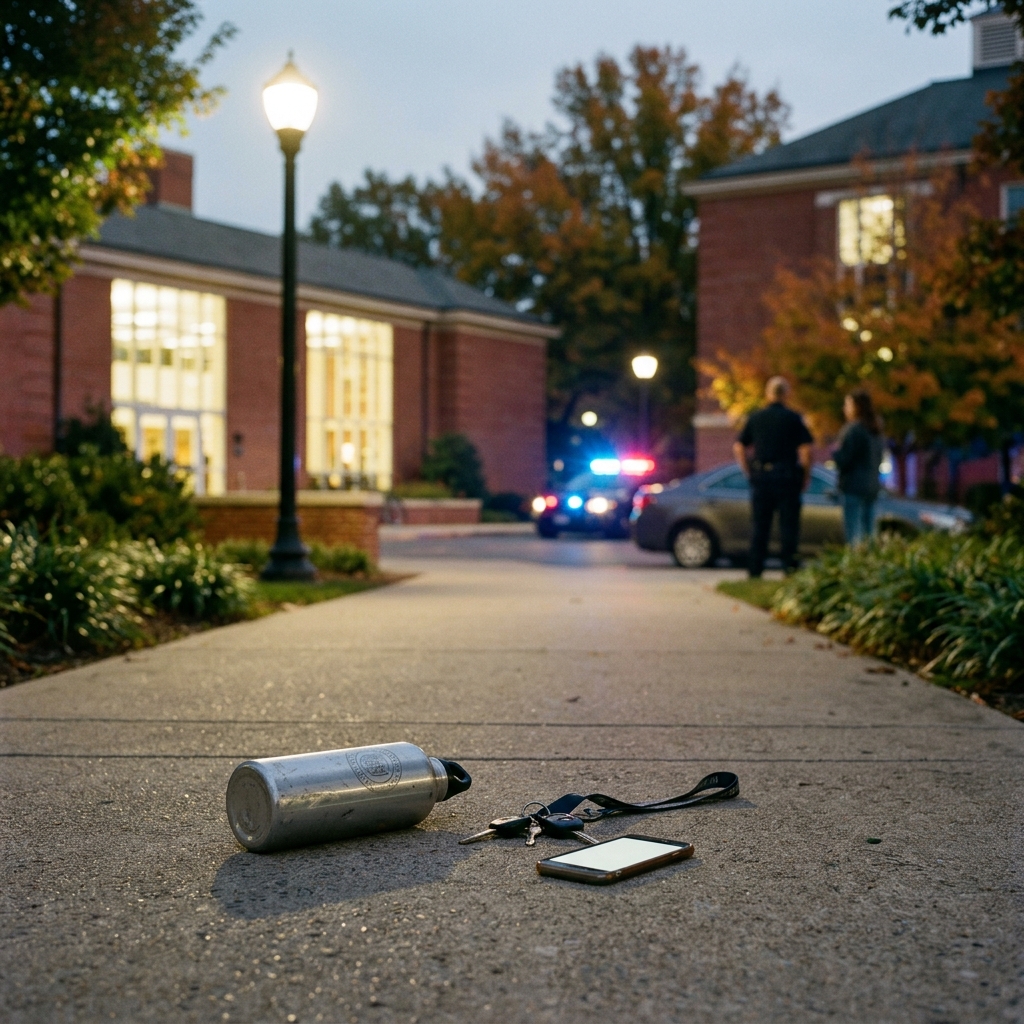
College life often brings new independence, busy schedules, and social events that involve alcohol. When those factors meet access to a car, the risk of a driving under the influence (DUI) charge rises sharply. For students, a DUI is more than a traffic offense; it can affect enrollment, scholarships, housing, and even career options long after graduation.
This guide explains how DUI laws apply to college students, what happens when an arrest occurs on or near campus, and the practical steps to reduce both legal and academic damage if you are charged. The focus is on the intersection between criminal law and university policies, not on any specific school or state.
Understanding DUI and Underage Drinking Laws
While the details vary by state, DUI laws share several core elements that are especially important for college students to understand.
Key Legal Concepts Students Should Know
- Blood Alcohol Concentration (BAC) limits: In most states, a BAC of 0.08% or higher creates a presumption that an adult driver is under the influence. For drivers under 21, many states use “zero tolerance” rules, where a BAC as low as 0.02% can trigger penalties.
- Underage DUI vs. adult DUI: Students under 21 can face two layers of rules — general DUI laws and separate underage or minor-in-possession laws that carry additional consequences.
- Implied consent: In every state, obtaining a driver’s license usually means you have consented to chemical testing (breath, blood, or urine) when law enforcement has reasonable suspicion of impairment. Refusing the test often leads to automatic license suspension, sometimes longer than if you had submitted to the test.
- Physical control of a vehicle: Some laws punish being drunk in a car even if you are not actively driving. Being in the driver’s seat with the keys nearby can be treated as “physical control,” leading to charges.
These rules apply on public roads, near campus, or even on campus property when local or campus police enforce state traffic laws.
Why Campus Settings Increase DUI Risk
- Frequent social events and parties where alcohol is present.
- Students who are under 21 but feel pressured to drink and then drive short distances.
- Misperceptions about “short trips” or “feeling fine,” even when BAC may be above legal limits.
- Multiple law enforcement agencies (city police, county sheriffs, campus police) patrolling around college areas.
Understanding these dynamics helps students recognize that driving after drinking, even a little, can quickly become a serious legal and academic problem.
Criminal Penalties: What a DUI Can Cost You
Once a student is charged with DUI, the case enters the criminal system. Penalties escalate with prior offenses, very high BAC levels, accidents, or injuries. While each state sets its own penalties, typical consequences for a first conviction include jail, fines, license suspension, and mandatory education programs.
| Penalty Type | Common Range | Impact on Students |
|---|---|---|
| Jail or detention | From 48 hours to up to one year, depending on state and circumstances. | Missed classes, possible failing grades, and difficulty maintaining employment. |
| Fines | Often several hundred to over a thousand dollars, plus court costs. | Financial strain on students and families; may require loans or extra work. |
| License suspension | Commonly six months to a year for a first offense. | Loss of mobility, difficulty commuting to campus, work, or internships. |
| Community service | Mandatory hours ordered by the court. | Additional time commitments during already busy academic schedules. |
| DUI education / treatment | Court-ordered classes or substance abuse evaluation. | Required attendance, tuition costs, and long-term monitoring in some cases. |
Underage students often face parallel consequences: separate license suspensions, mandated education, and in some states special fines and community service tailored for drivers under 21.
Hidden Costs Beyond Court Penalties
- Higher insurance premiums: A DUI almost always leads to substantial increases in auto insurance rates, and some insurers may cancel coverage altogether.
- Legal fees: Hiring a defense attorney or paying public defender fees can add hundreds or thousands of dollars.
- Transportation alternatives: Without a license, students may need to pay for rideshare services, taxis, or public transit long term.
- Lost income: Missing work due to court dates, jail, or community service can reduce income at a time when students are already financially stretched.
When combined, these direct and indirect costs often make a DUI one of the most expensive mistakes a student can make during college years.
University Discipline: Codes of Conduct and Campus Consequences
Criminal courts are not the only authority dealing with DUI. Most colleges and universities have student codes of conduct that explicitly address alcohol, drugs, and criminal behavior. A DUI, even off campus, may trigger discipline independent of the court system.
How Schools Learn About DUI Arrests
- Police reports shared with campus safety offices.
- Self-reporting requirements, where students must disclose arrests or convictions to the school.
- Background checks for certain programs, internships, or campus employment.
- News coverage in high-profile or severe incidents.
Once the university is aware, student affairs or conduct offices typically review the case under institutional policies.
Typical Disciplinary Actions for DUI at College
- Formal warning or probation: A written record that future violations may lead to harsher sanctions.
- Mandatory counseling or education: Alcohol education sessions, counseling, or substance-use assessments required by the university.
- Loss of housing: Students may be removed from dorms or campus housing, especially if the incident occurred on university property.
- Scholarship repercussions: Many scholarship agreements include conduct clauses; a criminal conviction or serious conduct violation can lead to partial or total loss of funding.
- Suspension or expulsion: In severe cases, repeat offenses, or accidents involving injuries, schools may suspend or permanently dismiss the student.
Policies differ widely, but the most severe outcome — expulsion — can delay graduation, influence future admissions, and force a change to a less selective school.
Academic and Career Impact of a DUI
A DUI follows students beyond their undergraduate years. Even if they complete their degree, a record can affect graduate education and professional licensing.
Effect on Current Academic Life
- Missed classes and exams due to court dates, jail time, or mandatory programs.
- Course withdrawal if the student cannot attend regularly or keep up with assignments.
- Restricted participation in athletics, clubs, or leadership roles because of code-of-conduct sanctions.
- Reduced study time due to work hours added to cover fines and legal costs.
These factors can lower GPA and weaken a student’s academic record, making it harder to compete for future opportunities.
Graduate School and Licensing Barriers
Many graduate programs, especially in law, medicine, nursing, education, and criminal justice, ask applicants to disclose any criminal convictions, including DUI. Some licensing boards for professions require background checks and may delay or deny licenses when applicants have recent or repeated impaired-driving offenses.
- Competitive programs may see a DUI as a red flag for judgment and professionalism, particularly when combined with other issues.
- Professional licensing boards may require additional documentation, rehabilitation evidence, or hearings before granting a license.
- Employment screens often include criminal background checks, and some employers treat DUI as disqualifying for positions involving driving or sensitive responsibilities.
None of this means a DUI automatically ends a student’s career prospects, but it often requires proactive disclosure, evidence of change, and strong academic and professional performance to overcome the record.
Risk Reduction: Practical Strategies for Students
Preventing a DUI is always easier than dealing with one. Students who plan ahead can enjoy social events without putting themselves or others at risk.
Planning Ahead Before You Go Out
- Use a designated driver who agrees not to drink at all.
- Rely on rideshare, taxis, or campus shuttles instead of driving.
- Walk or use public transit if available, especially in dense campus areas.
- Set personal limits on how much you will drink and stick to them.
- Avoid driving “just a short distance” after drinking; impairment and legal risk do not depend on trip length.
Supporting Friends and Roommates
- Speak up if someone is about to drive after drinking.
- Help arrange safe transportation — pay for a ride, share a cab, or call a sober friend.
- Encourage friends struggling with alcohol use to seek counseling or medical support.
- Know campus resources such as health services, counseling centers, and peer support organizations.
Creating a culture of safety within friend groups and organizations significantly reduces the chance that anyone ends up facing DUI charges.
What to Do If You Are Charged With a DUI
Despite best efforts, some students will face a DUI charge. Responding quickly and thoughtfully can make a substantial difference in both legal outcomes and school discipline.
Immediate Steps After an Arrest
- Stay calm and respectful with law enforcement. Your behavior during the stop and after arrest can affect how the case proceeds.
- Understand your rights, including the right to remain silent and to speak with an attorney before answering detailed questions.
- Note important details such as time, location, officer names, and whether field sobriety or chemical tests were administered.
Legal and Academic Follow-Up
- Consult a qualified attorney experienced in DUI law. They can explain state-specific penalties and possible defenses.
- Review university policies so you understand reporting requirements and potential disciplinary processes.
- Prepare for school meetings with student conduct officials. Bring documentation, be honest, and demonstrate your commitment to complying with sanctions.
- Document positive steps you take, such as attending counseling, educational classes, or community service beyond court orders. These actions can show personal responsibility and rehabilitation.
While the legal process may be stressful, many students are able to remain enrolled and complete their degrees if they respond promptly, comply with conditions, and avoid further violations.
Frequently Asked Questions About Campus DUI
Can a first-time DUI get me expelled from college?
Most colleges do not automatically expel students for a first DUI, especially if no one was injured and the incident is handled responsibly. However, severe cases, underage arrests combined with other violations, or repeated misconduct can lead to suspension or expulsion.
Will a DUI prevent me from going to grad school?
A DUI can complicate graduate school admissions but does not always bar entry. Many applications ask about convictions, and you may need to explain the circumstances, show that you complied with all legal and disciplinary requirements, and demonstrate growth since the incident.
Does a campus DUI stay on my record forever?
Criminal records often persist even after graduation, though some jurisdictions allow expungement, record sealing, or alternative dispositions for certain first-time offenders. Eligibility depends on state law, the severity of the offense, and completion of all court-ordered conditions.
If my DUI happened off campus, can the university still punish me?
Yes. Many codes of conduct cover off-campus behavior when it involves criminal charges or actions that may harm the university community or reputation. Schools frequently respond to off-campus DUI arrests with educational sanctions, probation, or other measures.
Is it possible to stay in campus housing after a DUI?
In many cases, students can remain in housing, especially for a first offense. But if the incident is tied to on-campus misconduct — such as driving impaired on campus roads, damaging property, or harming others — housing contracts and conduct rules may allow the university to revoke dorm privileges.
Key Takeaways for Students and Families
- A DUI is both a criminal offense and a potential violation of university rules, with separate processes and penalties.
- Underage students face stricter BAC limits and may incur additional consequences beyond adult drivers.
- Academic repercussions can include loss of scholarships, housing changes, suspension, or expulsion, depending on institutional policies.
- The long-term effects on graduate education and career options are real but can be mitigated with proactive efforts and responsible conduct after the incident.
- Prevention strategies — designated drivers, rideshare use, and clear boundaries around alcohol — are the most reliable way to avoid the extensive costs of a DUI.
References
- College Student DUI: Legal Advice and Long-Term Consequences — Meltzer & Bell, P.A. 2024-01-15. https://www.meltzerandbell.com/news/college-student-dui-legal-advice-and-long-term-consequences/
- DUI Penalties for College Students in Tennessee — Eldridge & Blakney, P.C. 2023-06-20. https://ecattorneys.law/dui-penalties-for-college-students/
- Impaired Driving Laws — Georgia Governor’s Office of Highway Safety. 2023-05-01. https://www.gahighwaysafety.org/impaired-driving-laws/
- Can You Go to College with a DUI? — Law Offices of Blake A. Poole. 2022-09-14. https://blakepoolelaw.com/blog/ways-your-dui-charge-could-affect-your-college-education
- How a DUI affects college students — Terry Hess Law. 2019-07-10. https://www.terryhesslaw.com/blog/2019/07/how-a-dui-affects-college-students/
- College students, DUI charges and university conduct codes — Begley, Carlin & Mandio, LLP. 2020-02-27. https://www.begleycarlin.com/college-students-dui-charges-and-university-conduct-codes/
- Repercussions Of Getting A DUI In College — McMillin Law. 2021-08-05. https://www.mcmillinlaw.net/blog/repercussions-of-getting-a-dui-in-college/
Similar Articles








Read full bio of medha deb




