Establishing a tranquil atmosphere in a law office is essential for alleviating client apprehension during consultations. Thoughtful environmental choices signal professionalism and empathy, encouraging open dialogue and stronger relationships.
Strategic Layout for Client Comfort
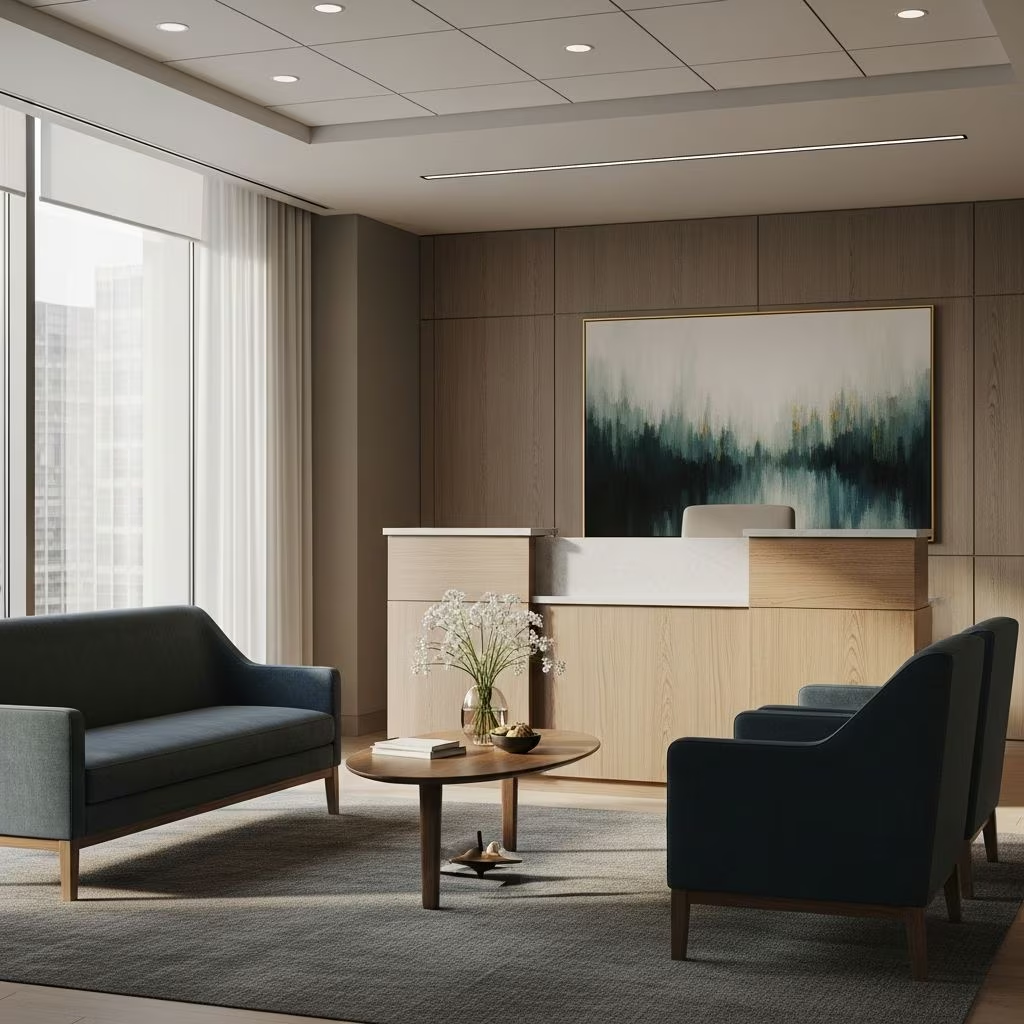
The physical arrangement of reception and meeting areas profoundly influences first impressions. Opt for open, navigable layouts that avoid cramped pathways, promoting a sense of ease upon entry. Position reception desks visibly yet accessibly, ensuring clients feel welcomed without intimidation.
- Reception Flow: Design entry points with clear signage and ample waiting space to prevent congestion.
- Seating Zones: Cluster chairs in semi-private clusters rather than rigid rows, fostering relaxation.
- Privacy Balance: Use partial screens or plants to delineate areas without isolating visitors.
Implementing these elements reduces perceived wait times and heightens comfort, as supported by workplace wellness research emphasizing spatial flow for mental ease.
Illuminating Serenity Through Lighting Choices
Lighting sets the emotional tone in legal settings where clients often arrive tense. Blend natural daylight with layered artificial sources to mimic outdoor calm. Large windows or skylights invite sunlight, known to elevate mood and reduce cortisol levels.
| Lighting Type | Benefits for Clients | Implementation Tips |
|---|---|---|
| Natural Light | Boosts alertness, lowers anxiety | Sheer curtains for diffusion, east-facing windows |
| Warm LED | Creates inviting warmth | 2700K bulbs in recessed fixtures |
| Task Lighting | Supports focused discussions | Adjustable desk lamps in consultation rooms |
| Dimming Options | Allows mood adaptation | Remote-controlled panels for flexibility |
Avoid harsh fluorescents, which can exacerbate stress; instead, warm tones promote psychological comfort per environmental psychology studies.
Color Psychology in Professional Settings
Strategic color application influences subconscious responses. Neutral palettes with blue and green accents evoke trust and tranquility, ideal for law offices. Blues convey reliability, while greens suggest growth and balance.
- Pale blues on walls for expansive feel.
- Earthy greens in upholstery for grounding effect.
- Neutral beiges or grays as bases to prevent overstimulation.
Research from occupational health indicates calming hues decrease heart rates during high-stakes meetings. Test samples in actual lighting to ensure harmony.
Ergonomic Furnishings and Tactile Comfort
Comfortable seating is non-negotiable; opt for supportive chairs with lumbar features and plush cushions. Tables at standard heights (28-30 inches) accommodate varied physiques without strain.
Incorporate varied textures like soft fabrics or wood grains for sensory appeal. Avoid slick leathers that feel impersonal; breathable materials enhance dwell time positively.
Well-chosen ergonomics not only prevent physical discomfort but also subconsciously reassure clients of the firm’s attentiveness to well-being.
Greenery and Biophilic Elements
Integrating plants purifies air and connects occupants to nature, slashing stress by up to 15% according to wellness data. Low-maintenance varieties like snake plants or peace lilies thrive indoors.
- Vertical gardens on walls for space efficiency.
- Potted ferns near windows for natural framing.
- Artificial high-quality greens as supplements.
Biophilic design principles, backed by APA insights, confirm nature views accelerate recovery from tension.
Ambient Soundscapes and Acoustic Control
Noise profoundly disrupts calm; employ sound-absorbing materials like carpets, drapes, and panels. Subtle background audio—soft instrumentals or nature sounds—masks distractions without intrusion.
White noise machines in waiting areas drown out office hum. Silence zones with headphones available cater to auditory-sensitive clients.
| Sound Strategy | Impact | Tools |
|---|---|---|
| Absorption | Reduces echoes | Acoustic panels, rugs |
| Masking | Covers sharp noises | Soft playlists, fans |
| Personalization | Empowers choice | Provided earbuds |
Client Amenities for Thoughtful Hospitality
Small gestures amplify perceptions of care: fresh water stations with infused options, current magazines on legal topics, and light snacks like nuts or fruit. Charging ports and Wi-Fi access keep clients connected comfortably.
- Herbal teas for soothing sips.
- Personalized notepads for notes.
- Clean, stocked restrooms with amenities.
These touches, drawn from employee wellness parallels, extend to clients by signaling priority on experience.
Scent and Sensory Harmony
Subtle aromas like lavender or citrus via diffusers neutralize odors and induce relaxation. Avoid overpowering scents; opt for hypoallergenic, neutral profiles.
Ventilation systems ensure fresh air circulation, preventing staleness that heightens discomfort.
Artistic Touches and Visual Storytelling
Curate artwork reflecting justice themes—abstract landscapes or muted legal history pieces. Avoid busy patterns; serene imagery guides the eye calmingly.
Framed firm achievements subtly instill confidence without ostentation.
Technology Integration Without Overload
Streamlined digital check-ins via tablets reduce paperwork friction. Hidden wiring and multifunctional furniture maintain sleek aesthetics.
Ensure robust Wi-Fi for virtual elements, but provide analog alternatives for inclusivity.
Staff Presence and Behavioral Cues
Trained receptionists greet warmly, using names and offering immediate assistance. Consistent professionalism reinforces the serene environment.
Short wait acknowledgments via timers or updates prevent frustration buildup.
Measuring and Refining the Atmosphere
Client feedback surveys post-visit gauge effectiveness. Track metrics like consultation length and return rates to quantify impact.
Iterate based on responses, ensuring continuous improvement in comfort delivery.
Frequently Asked Questions (FAQs)
What colors best suit a law office waiting room?
Soft blues, greens, and neutrals promote calm and trust, reducing client anxiety during waits.
How much natural light is ideal for client areas?
Maximize via large windows with diffusers; aim for 500-1000 lux to energize without glare.
Should law offices include plants in consultation rooms?
Yes, low-maintenance greenery improves air quality and lowers stress hormones effectively.
What’s the role of music in a legal reception?
Instrumental or nature sounds at low volumes mask noise, enhancing overall tranquility.
How can small firms afford ergonomic upgrades?
Prioritize phased investments in key seating areas; seek bulk deals or multi-use pieces.
Flexible Adaptations for Modern Practices
Hybrid models demand versatile spaces: convertible rooms for in-person/virtual hybrids with noise isolation. Portable dividers enable reconfiguration for group sessions or privacy.
Remote-friendly amenities like video-ready nooks extend serenity beyond physical visits.
In summary, a multifaceted approach blending design, amenities, and service crafts an office where clients thrive amid challenges. Law firms adopting these yield testimonials of eased tensions and fortified alliances, propelling practice growth.
References
- 5 Resource Planning Practices That Reduce Stress At Work — Mosaic. 2023-05-15. https://www.mosaicapp.com/post/5-resource-planning-practices-that-reduce-stress-at-work
- 7 Creative Strategies to Crush Workplace Stress — Inova Payroll. 2024-02-10. https://inovapayroll.com/employee-engagement/crush-workplace-stress/
- Building a stress-free work environment for your small business — Hiscox. 2023-11-20. https://www.hiscox.com/blog/building-a-stress-free-work-environment-for-your-small-business
- 3 Effective Strategies For Stress-Free Work — Masterplan. 2024-01-08. https://masterplan.com/en-blog/work-stress-3-effective-strategies-for-stress-free-work
- 10 Strategies To Manage Stress At Work — Wellable. 2023-09-12. https://www.wellable.co/blog/workplace-stress-management/
- Tips for Creating a Stress-Free Work Environment — Business News Daily. 2023-07-22. https://www.businessnewsdaily.com/11244-create-stress-free-work.html
- Coping with stress at work — American Psychological Association. 2025-03-10. https://www.apa.org/topics/healthy-workplaces/work-stress