Understanding Jury Duty Pay and Its Impact on California Jurors
Explore how jury duty pay affects California jurors, highlighting recent changes and their implications for fairness and participation.
Introduction to Jury Duty Compensation in California
Jury duty is a fundamental civic responsibility that ensures every individual accused of a crime or involved in civil disputes has the right to a jury trial. In California, millions of residents face this duty at least once in their lifetime. Although serving on a jury is essential for the justice system, the compensation provided to jurors has long been a subject of discussion due to its impact on participation and diversity.
Current Standard Compensation for California Jurors
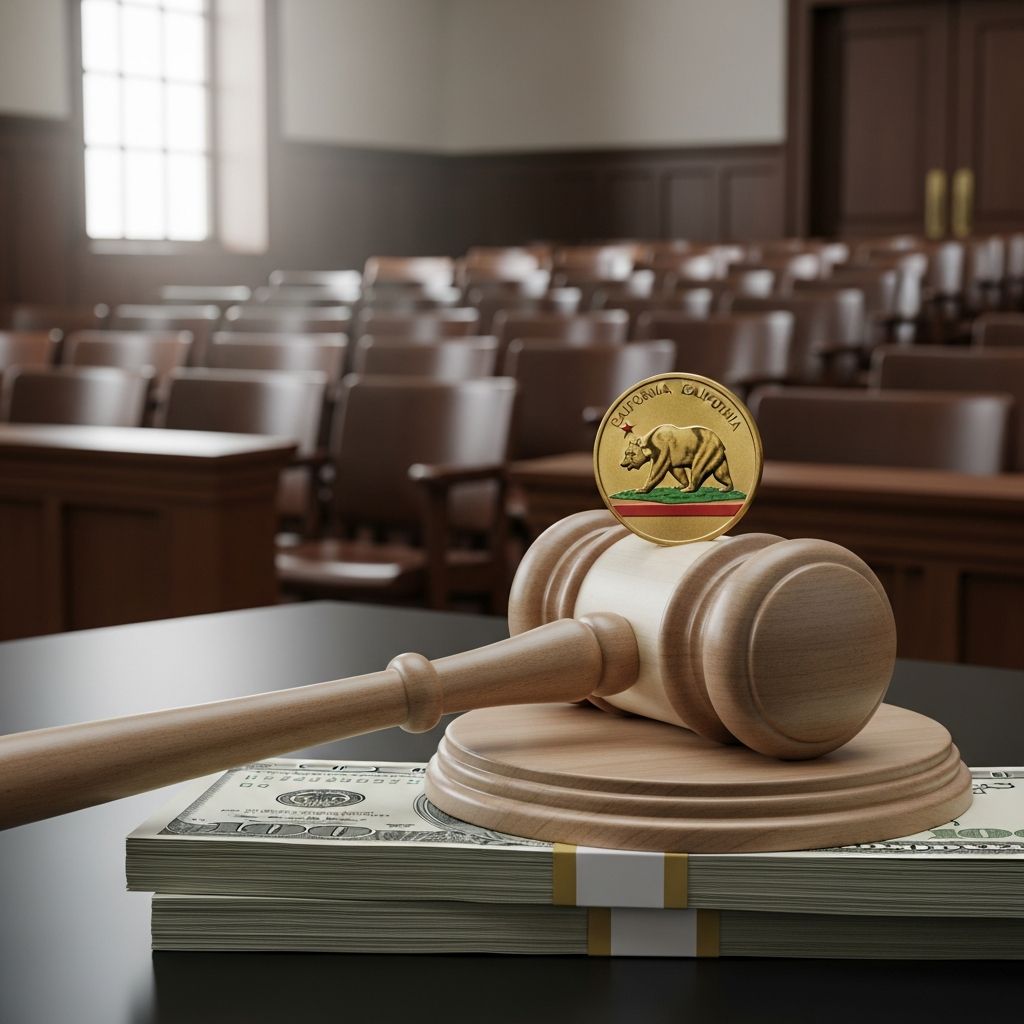
California courts typically pay jurors $15 per day, beginning on the second day of service. This rate has remained relatively unchanged for approximately two decades, even though the state’s minimum wage has steadily increased. As of 2023, California’s minimum wage is $15.50 per hour, set to rise to $16 in 2024.
This disparity means California jurors earn approximately one day’s pay for an entire day of jury service that is less than what they would earn in an hour of regular work. For many full-time minimum wage workers, serving as a juror results in a significant loss of income, sometimes exceeding $100 daily.
Financial Challenges for Jurors
- Jury service pay often falls below minimum wage, imposing economic hardship on lower-income individuals.
- Many Californians live paycheck to paycheck, making unpaid or poorly compensated jury duty a financial burden.
- Employers are legally prohibited from firing employees for jury duty absences but are not required to pay employees during their service.
- This lack of employer compensation combined with low juror pay discourages many from serving, especially those in economically vulnerable positions.
Impact on Jury Pool Diversity and Civic Engagement
The current compensation system inadvertently narrows the jury pool, disproportionately excluding individuals from lower-income and marginalized communities. This outcome undermines the constitutional ideal of a jury composed of a cross-section of the community, which is critical for fair trials and public trust in the legal process.
The lack of sufficient pay creates a barrier for individuals who simply cannot afford to miss work, leading courts to excuse many from service for financial hardship. This dynamic threatens the representativeness and inclusivity of juries, raising concerns about whether defendants receive a truly impartial trial by their peers.
Innovative Approaches: Jury Pay Pilot Programs
In response to these challenges, several California jurisdictions have implemented pilot programs to test increased compensation and its effects on juror participation and diversity.
The $100 per Day Pilot Program
Since 2022, a select number of counties in California — including Alameda, El Dorado, Fresno, Imperial, Monterey, San Bernardino, and Shasta — have participated in an experimental program raising juror pay from the traditional $15 to $100 per day starting the second day of service. This initiative, launched under Assembly Bill 1981, also increased mileage reimbursements and introduced public transit travel reimbursements for jurors.
Key Features of the Pilot Program
- Daily Pay: Increased from $15 to $100 per day starting from the second day served.
- Mileage Reimbursement: Increased from $0.34 to $0.67 per mile.
- Public transit reimbursement: Up to $12 per day for eligible jurors, including partnerships to provide free transit.
- Duration and Evaluation: Planned to run for two fiscal years with demographic data collection and a comprehensive program review to study effects on juror diversity and participation.
This pilot program represents the first significant boost in court compensation for jury service in California in over 20 years, aiming to reduce the financial burden on jurors and enhance the inclusivity of jury selection.
Reception and Judicial Perspectives on Increased Juror Compensation
Local judges and court officials in participating counties have expressed considerable support for the pilot program, recognizing its potential to facilitate more diverse and representative jury pools. They emphasize that higher pay removes financial obstacles, encouraging broader community involvement in jury service.
Judges noted that the increased compensation addresses economic inequalities and helps ensure citizens better maintain their constitutional rights during jury duty without undue personal hardship.
Financial and Logistical Considerations of Raising Jury Pay
While increased juror compensation offers clear benefits, it also poses logistical and budgetary challenges. The additional payout of $85 per juror daily over traditional rates can aggregate to sizable expenses, particularly in courts managing multiple trials and large jury panels.
| Component | Standard Rate | Pilot Program Rate | Increase per Juror |
|---|---|---|---|
| Daily Jury Pay | $15 | $100 | $85 |
| Mileage Reimbursement (per mile) | $0.34 | $0.67 | $0.33 |
| Public Transit Reimbursement | None | Up to $12/day | Up to $12 |
For example, a jury of 12 members receiving the increased pay could represent an additional $1,020 per day in compensation alone, not including mileage or transit reimbursements. Scaled over many cases and courtrooms, this creates substantial fiscal demand on court budgets, requiring careful funding allocation and legislative support.
Recent Developments: Suspension of the Pilot Program
Despite the promising start, as of May 19, 2025, the AB 1981 pilot program was suspended in multiple jurisdictions, including San Bernardino and Imperial counties. Juror pay reverted to the standard $15 per day, and mileage reimbursements returned to $0.34 per mile. Jurors actively serving or who completed service by mid-May 2025 were allowed to continue receiving the $100 daily rate until their service concluded.
This suspension reflects the ongoing tension between the ideal of equitable juror compensation and practical funding limitations. Whether the increased pay model will be resumed or extended remains undecided, pending further legislative and budgetary review.
How Jury Pay Influences Access and Fairness in the Justice System
The compensation jurors receive plays a critical role in the accessibility of jury service. Undercompensated jurors face financial obstacles that discourage participation, thereby limiting the jury pool’s demographic diversity. This can erode public confidence in the justice system and raise claims of unfair trial representation.
Increasing juror pay aims to:
- Reduce economic barriers, enabling those from varying income levels to participate.
- Promote racial and economic diversity within jury pools.
- Ensure defendants receive a fair trial by a representative jury of their peers.
- Support citizens fulfilling their civic duties without undue hardship.
Frequently Asked Questions (FAQs)
How much are California jurors currently paid?
As of post-May 2025, California jurors are paid $15 per day starting on the second day of jury service, with mileage reimbursed at $0.34 per mile. Some past pilot programs offered higher pay, but those have been suspended in several counties.
Why does jury duty pay matter?
Jury duty pay matters because adequate compensation helps ensure that people from all economic backgrounds can afford to serve, which improves jury diversity and fairness in the justice system.
Are employers required to pay employees during jury duty?
No, California law prohibits employers from firing employees for jury duty absences but does not require employers to pay wages during this period.
What was the purpose of the $100 per day pilot programs?
The programs aimed to increase juror participation and diversity by offering compensation closer to or exceeding minimum wage, thereby reducing financial burdens on jurors.
Is the higher jury pay permanent?
No, the higher pay rates under the pilot programs were temporary and have been suspended as of May 2025 in several counties, with potential future decisions pending.
Conclusion
The issue of jury duty pay in California highlights an important intersection of civic responsibility, fairness, and economic reality. While the standard pay of $15 per day remains unchanged statewide as of 2025, experimental pilot programs demonstrated that increasing compensation can foster greater socioeconomic diversity and inclusiveness within juries.
Despite the suspension of some pilot programs, the debate over fair compensation is ongoing. Balancing budget constraints with the constitutional right to a representative jury will continue to challenge lawmakers and judicial officials as they seek to strengthen public trust in the legal system.
References
- How much is jury duty pay in California? — One Legal. 2023. https://www.onelegal.com/blog/100-jury-duty-pay-california-jurors/
- Jurors in 7 California counties get a big pay raise under pilot program — The Desert Sun. 2024-09-04. https://www.desertsun.com/story/news/nation/california/2024/09/04/jurors-in-7-california-counties-get-a-big-pay-raise-under-pilot-program/75071840007/
- Suspension of Jury Pilot Program AB 1981 for Increased Juror Pay — Imperial Courts, California. 2025-05-19. https://www.imperial.courts.ca.gov/news/suspension-jury-pilot-program-ab-1981-increased-juror-pay
- Suspension of Jury Pilot Program AB1981 — San Bernardino Courts, California. 2025-05-19. https://sanbernardino.courts.ca.gov/news/suspension-jury-pilot-program-ab1981
- Payment for Juror Service / Reportable Income – New CAED — U.S. District Court Eastern District of California. 2025. https://www.caed.uscourts.gov/caednew/index.cfm/jury-info/payment-for-juror-service-reportable-income/
Similar Articles







Read full bio of medha deb