
California Intestate Succession Rules: 2025 Guide For Heirs
Understand California's intestate succession laws: who inherits when there's no will, from spouses to distant kin.
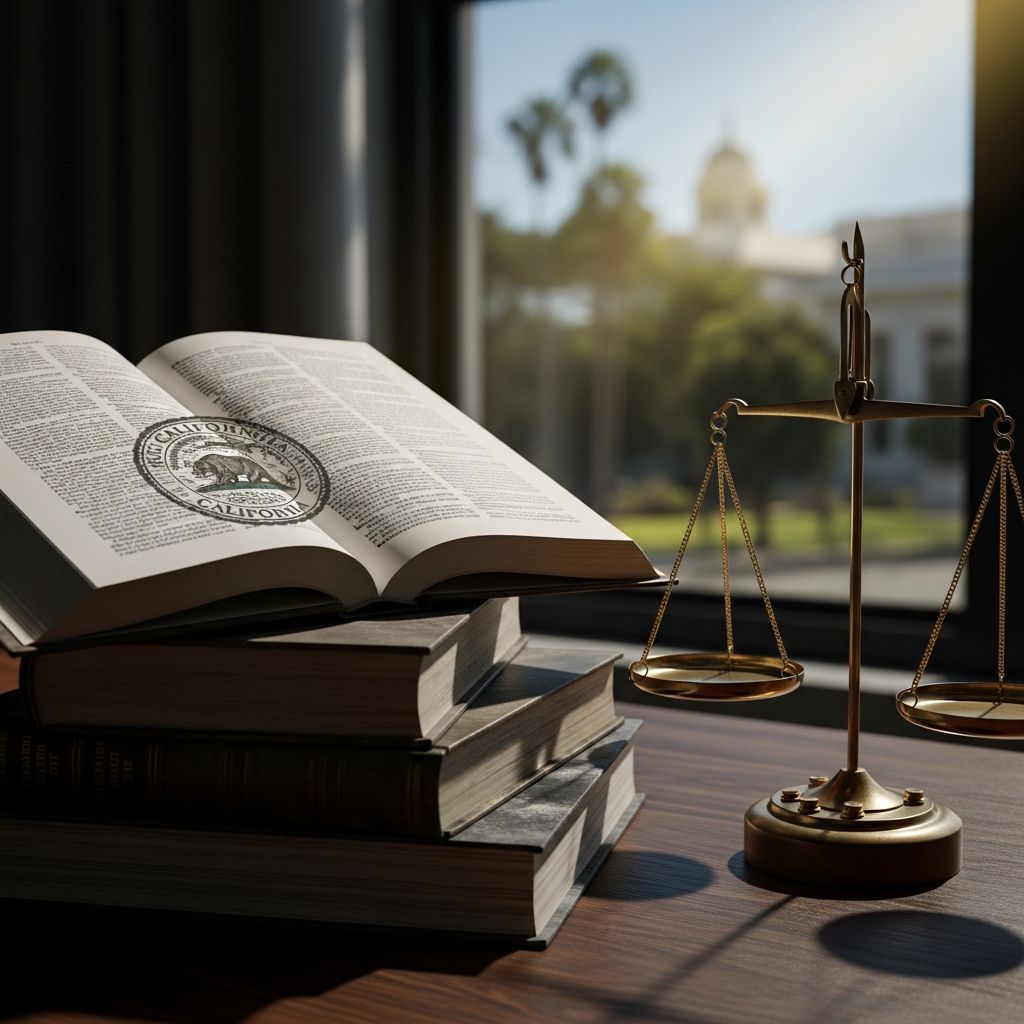
California’s intestate succession laws dictate how a person’s estate is divided if they pass away without a valid will. These statutes prioritize close family members, ensuring assets go to spouses, children, or other relatives based on a clear hierarchy defined in the state’s Probate Code.
Understanding Intestate Estates in California
When someone dies intestate, meaning without a will, the probate court steps in to manage the estate. Only probate assets—those solely owned by the deceased without beneficiary designations or joint ownership—are subject to these rules. Common exclusions include life insurance proceeds, retirement accounts with named beneficiaries, and property held in joint tenancy.
The process begins with confirming no valid will exists, followed by identifying heirs through public records and family verification. California Probate Code sections 6400–6455 outline the distribution framework, emphasizing fairness among relatives while accounting for marital property distinctions.
Core Principles of Inheritance Distribution
California distinguishes between community property (acquired during marriage) and separate property (owned before marriage or inherited). Surviving spouses typically receive full community property shares, but separate property follows specific splits.
- Half-relatives, like half-siblings, inherit equally to full siblings.
- Posthumous children conceived before death inherit as if born alive.
- Heirs must survive the decedent by 120 hours to qualify.
Adopted children hold the same rights as biological ones, reinforcing family bonds under law.
Who Inherits: The Family Hierarchy
Intestate succession follows a strict order, starting with the closest kin. If no one in a category survives, the estate passes to the next group.
| Priority | Heir Category | Notes |
|---|---|---|
| 1 | Spouse or Registered Domestic Partner | Full community property; portion of separate property varies. |
| 2 | Children and Their Descendants | Equal shares; ‘by representation’ for deceased children’s lines. |
| 3 | Parents | Equal split if both alive. |
| 4 | Siblings and Their Descendants | Includes half-siblings equally. |
| 5 | Grandparents, Aunts/Uncles, Cousins | Further descendants by representation. |
This hierarchy prevents disputes by providing a predictable path.
Detailed Scenarios for Spouses and Children
Spousal inheritance hinges on surviving family. Under Probate Code §6401:
- No surviving issue, parents, or siblings: Spouse gets entire estate.
- One child: Spouse inherits all community property and half of separate property; child gets the rest.
- Two or more children: Spouse takes all community property and one-third of separate property; children divide the remaining two-thirds equally.
Without a spouse, children inherit everything equally, regardless of birth order or gender.
Inheritance Without a Spouse
For unmarried decedents or those whose spouses predeceased them:
- Children or grandchildren (per stirpes) take full estate.
- No children? Parents split equally.
- No parents? Siblings and their issue inherit.
- Distant kin follow: grandparents, then aunts/uncles’ lines, cousins.
This ensures assets stay within the bloodline as much as possible.
Special Rules for Non-Traditional Families
Registered domestic partners receive identical treatment to spouses. Stepchildren or unmarried partners without legal ties do not inherit automatically—highlighting the need for wills.
Illegitimate children can claim inheritance if paternity is established via DNA, court order, or acknowledgment.
The Probate Process Step-by-Step
Intestate probate involves:
- Filing Petition: Submit to superior court in decedent’s county.
- Appointing Administrator: Usually spouse or closest heir.
- Inventory Assets: Value probate property, pay debts/taxes.
- Notifying Heirs: All potential claimants informed.
- Distribution: Court approves per intestate laws after claims period.
Process can take 9–18 months; small estates under $184,500 (2024 threshold, adjusts annually) use simplified affidavits.
Community vs. Separate Property Breakdown
| Scenario | Spouse Share | Other Heirs Share |
|---|---|---|
| All Community Property, No Children | 100% | N/A |
| Separate Property, One Child | 50% | Child: 50% |
| Separate Property, Parents Only | 50% | Parents: 50% |
| Separate Property, Multiple Children | 33.3% | Children: 66.7% (equal) |
Data from Probate Code §6401.
What Happens with No Heirs?
If no relatives are found, the estate escheats to California after a dormancy period (e.g., 3 years for bank accounts). State becomes owner, but claims can be filed later via escheat process. Rare, as genealogy searches are thorough.
Planning Ahead: Avoiding Intestate Pitfalls
Intestate laws may not align with personal wishes—e.g., excluding a charity or specific friend. Drafting a will, trust, or using TOD deeds bypasses probate. Consult attorneys for tailored plans, especially with blended families or non-traditional assets.
Recent updates emphasize digital assets and crypto, urging inclusion in estate documents.
Frequently Asked Questions
Does a spouse always inherit everything in California intestate?
No. Spouses get full community property but only a portion of separate property if children or parents survive.
Are half-siblings treated the same?
Yes, half-siblings inherit equally to full siblings under intestate rules.
What if a child is born after death?
Posthumous relatives conceived before death inherit fully.
Can stepchildren inherit?
No, unless legally adopted. Blood or adopted kin only.
How long does probate take?
Typically 1–2 years, shorter for small estates.
Key Takeaways for California Residents
Intestate succession provides a safety net but often leads to unintended distributions. Proactive estate planning ensures control. Review family status changes to update documents accordingly.
References
- California Intestate Succession Explained — Gammon & Grange, P.C. 2024. https://www.gg-law.com/tax-law/california-intestate-succession/
- Intestate Succession in California: Everything You Need to Know — Stone Sallus. 2024. https://www.stonesalluslaw.com/intestate-succession-california/
- Intestate Succession in California: Who Gets What? — Trust & Will. 2024. https://trustandwill.com/learn/intestate-succession-california
- Intestate Succession in California: A Detailed Overview — ClearEstate. 2024. https://www.clearestate.com/en-us/blog/intestate-succession-california
- Intestate Succession in California — Nolo. 2024. https://www.nolo.com/legal-encyclopedia/intestate-succession-california.html
- California Probate Code § 6401 — Justia Law. 2024-01-17. https://law.justia.com/codes/california/code-prob/division-6/part-2/chapter-1/section-6401/
Similar Articles








Read full bio of Sneha Tete


