
California Cyberbullying Ruling: When Online Abuse Loses Free Speech Protection
Exploring how California courts draw the line between protected online expression and illegal cyberbullying and harassment.
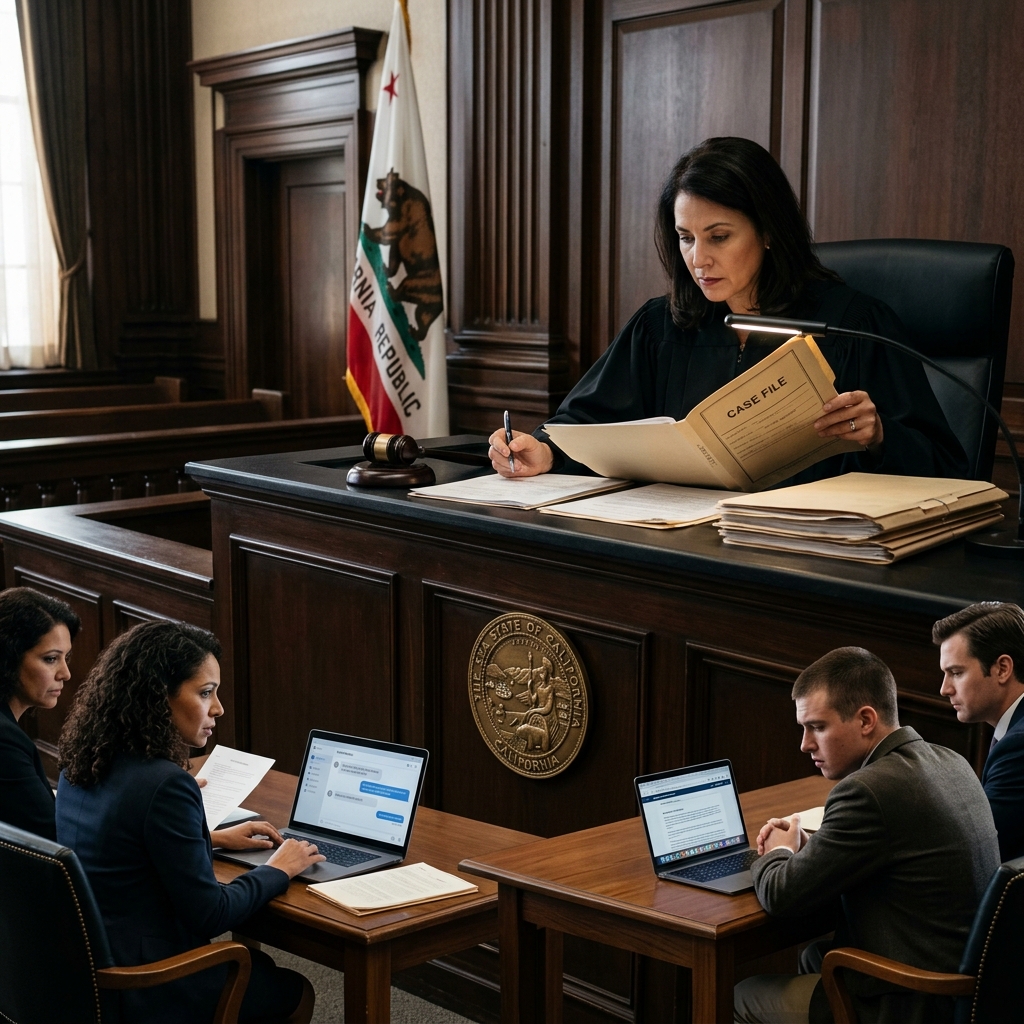
Online communication is often described as the new public square, but California courts are increasingly clear on one point: cyberbullying is not automatically protected as free speech. When digital messages cross the line into targeted harassment, threats, or stalking, they can trigger both criminal penalties and civil liability, particularly in the context of schools and young people.
This article explains how California law distinguishes protected online expression from unlawful cyberbullying, what recent legal developments mean for victims and alleged perpetrators, and how schools and families can respond when digital abuse becomes serious.
Free Speech vs. Cyberbullying: The Legal Divide
California recognizes strong free speech protections, including those grounded in the First Amendment. However, not all speech is protected. True threats, harassment, and conduct that intentionally causes fear or imminent harm fall outside constitutional protection and can be regulated or punished by law.
- Protected speech generally includes opinions, criticism, satire, and even offensive language, as long as it does not cross into threats or targeted harassment.
- Unprotected speech can include credible threats of violence, repeated serious harassment, and communications intended to terrorize or provoke harm.
California statutes focus on conduct and
How California Law Defines Cyberbullying and Cyber Harassment
Under California law, cyberbullying and cyber harassment typically involve repeated, intentional misuse of electronic communication to torment, threaten, or intimidate another person.
Key elements often include:
- Use of electronic communication devices such as social media, texting, email, forums, or messaging apps.
- Targeting a specific person rather than speaking generally to the public.
- Intent to cause fear, alarm, or serious distress, including fear for personal or family safety.
- Repeated or persistent conduct, rather than a single rude or offensive comment.
- Lack of a legitimate purpose, meaning the communication is not part of a lawful activity, such as formal debt collection or legal notice.
California Penal Code §653.2 specifically addresses cyber harassment. It makes it a crime to use an electronic communication device to distribute personal identifying information or harassing messages about another person, without consent, with the intent to place the person in reasonable fear for their safety or their immediate family’s safety, and to imminently cause unwanted physical contact, injury, or harassment by a third party.
Cyberbullying, Cyber Harassment, and Cyberstalking: A Comparison
| Type of Conduct | Typical Behavior | Legal Focus in California | Possible Penalties |
|---|---|---|---|
| Cyberbullying | Repeated teasing, humiliation, spreading rumors, or exclusion through digital channels. | Often addressed through school discipline and may overlap with criminal harassment or threats. | School suspension or expulsion; potentially misdemeanor charges when behavior meets penal code criteria. |
| Cyber Harassment | Persistent unwanted messages, posting personal information, or obscene or threatening communications directed at a specific person. | Penal Code §653.2 and related statutes focus on intent to cause fear or incite third-party harm. | Misdemeanor: up to one year in county jail, up to $1,000 fine, and possible probation. |
| Cyberstalking | Willful, malicious, and repeated following or harassing combined with credible threats, often over time. | Stalking laws apply; can be charged as misdemeanor or felony depending on severity and prior conduct. | Misdemeanor: up to one year in jail; felony: up to two, three, or five years in prison. |
Criminal Consequences: When Online Abuse Becomes a Crime
California cyberbullying-related crimes are generally treated as misdemeanors, but serious or repeated conduct can escalate to felony charges, especially when credible threats are involved or when court orders are violated.
Cyber Harassment Under Penal Code §653.2
To secure a conviction under Penal Code §653.2, prosecutors typically must prove several elements:
- The defendant knowingly and willfully used an electronic communication device to contact or post about the victim.
- The communications were directed at a specific individual and not just a general audience.
- The defendant acted without the victim’s consent, distributing personal information or harassing messages.
- The defendant intended to place the victim in reasonable fear for their safety or that of their immediate family.
- The defendant’s actions were reasonably likely to cause unwanted physical contact, injury, or harassment by a third party.
When these elements are met, the offense is usually charged as a misdemeanor. Convictions can result in:
- Up to one year in county jail.
- A fine of up to $1,000.
- Summary probation and other court-imposed conditions, such as no-contact orders.
Stalking and Escalated Penalties
Cyberbullying can escalate to stalking when the conduct includes repeated following or harassment plus a credible threat of harm, intending to place the victim in fear.
- Misdemeanor stalking carries up to one year in jail and a $1,000 fine.
- Felony stalking can result in two, three, or five years in state prison, especially when prior restraining orders or protective orders have been violated.
Courts can also impose additional penalties when an offender violates a no-contact or restraining order, including contempt of court and enhanced criminal charges.
School Responsibilities and Student Cyberbullying
Cyberbullying frequently arises in school environments, even when the harmful conduct occurs off campus. California’s Safe Place to Learn Act requires public schools to adopt policies to prevent and address bullying, including cyberbullying and cybersexual bullying.
According to federal anti-bullying resources summarizing California law, schools must have policies that:
- Prohibit bullying and cyberbullying based on protected characteristics and other grounds.
- Provide procedures for reporting, investigating, and responding to incidents.
- Clarify possible disciplinary actions, such as suspension or expulsion, when bullying is serious or persistent.
Under state law, students who threaten, harass, or stalk others at school or school-related activities may face school discipline and referral to juvenile or criminal courts.
Minors and Court Systems
Both minors and adults can face legal consequences for cyberbullying and related conduct, but they are typically handled in different court systems:
- Youth under 18 are often processed through the juvenile justice system, which emphasizes rehabilitation.
- Older teens (18–19) and adults face charges in adult criminal court, where penalties may be more severe.
Schools also have a duty to notify parents or guardians when students are involved in bullying, harassment, or intimidation, and to document incidents and resolutions.
Civil Liability: Personal Injury and Damages
Beyond criminal prosecution and school discipline, severe cyberbullying can give rise to civil lawsuits. When digital abuse causes emotional distress, reputational harm, or even physical injury, victims may pursue personal injury claims under theories such as intentional infliction of emotional distress or negligence.
Potential civil claims can include:
- Intentional infliction of emotional distress when conduct is extreme, outrageous, and intended to cause severe emotional harm.
- Defamation when false statements of fact are published online and harm a person’s reputation.
- Negligence claims against institutions, such as schools, that may have failed to protect students despite knowledge of serious bullying.
Recent California cases and commentary emphasize that courts are willing to treat sustained cyberbullying as actionable harm, rather than dismissing it as mere insult or protected online banter. When victims can document the impact—such as anxiety, depression, or interference with education—civil courts may award damages.
New Legislative Trends: Strengthening Cyberbullying Protections
California lawmakers have recently focused on strengthening protections against harmful online conduct, especially affecting minors. Measures include enhanced transparency and safety requirements for social media platforms and targeted legislation addressing cyberbullying and algorithmic exposure to harmful content.
Examples of recent legislative developments include:
- Laws requiring social media companies to disclose content moderation practices and report to the Attorney General about how they handle flagged content.
- Proposals limiting or regulating addictive content feeds and harmful algorithmic exposure for minors, seeking to reduce the risk of cyberbullying and related psychological harm.
- Measures sometimes described collectively as cyberbullying protection initiatives, imposing obligations on platforms to address harmful material impacting children.
These trends reflect a broader recognition that platform design and policies can influence the prevalence and impact of cyberbullying, and that legal responsibility does not rest solely with individual users.
Practical Steps for Victims of Cyberbullying in California
For individuals experiencing severe cyberbullying or online harassment, California law offers several practical options and remedies. Effective response often requires a combination of documentation, reporting, and legal action.
Immediate Safety and Documentation
- Preserve evidence: Save screenshots, URLs, dates, times, and usernames for all abusive communications.
- Avoid direct retaliation: Responding in anger can complicate legal cases and escalate conflict.
- Tell a trusted adult or authority figure: For minors, this includes parents, guardians, teachers, or school counselors; for adults, a supervisor or HR representative if workplace-related.
Reporting to Schools and Law Enforcement
- School reporting: Students or parents should report cyberbullying to the school administration, who must follow established policies under the Safe Place to Learn Act.
- Police reports: If the behavior includes threats, stalking, or severe harassment, victims can report to local law enforcement. In emergencies or imminent danger, calling 911 is appropriate.
- Restraining orders: Victims may seek civil harassment restraining orders to prohibit contact and protect against ongoing abuse.
Using Platform Tools and Privacy Settings
- Block or mute accounts that are engaging in harassment.
- Report abusive content through platform mechanisms; California’s recent laws encourage companies to act more transparently on such reports.
- Adjust privacy settings to limit who can contact you or view your content, reducing opportunities for bullying.
Frequently Asked Questions About Cyberbullying and Free Speech in California
Is all offensive online speech considered cyberbullying?
No. California law distinguishes between general offensive or rude comments and targeted, repeated harassment that causes reasonable fear or serious distress. A single insult, without more, will rarely qualify as criminal cyber harassment, though it may violate platform rules or school policies.
Can students be punished for off-campus cyberbullying?
Yes, in many situations. If off-campus online behavior substantially disrupts the school environment or targets other students, California bullying laws and school policies allow discipline such as suspension or expulsion. Schools also may be obligated to act when cyberbullying implicates discrimination or safety concerns.
Does the First Amendment protect online threats?
No. True threats and credible threats of violence are not protected speech under the First Amendment, and California statutes criminalize such conduct. Courts carefully distinguish between hyperbolic expression and serious, intentional threats meant to instill fear.
Can a minor face criminal charges for cyberbullying?
Yes. Minors can be charged with cyberbullying-related crimes, including harassment or stalking, although most under 18 are processed in the juvenile system, which emphasizes rehabilitation. Serious cases, or those involving older teens, can lead to significant consequences.
What should I do if cyberbullying involves personal information being posted online?
If someone posts your personal identifying information (such as photos, address, or phone number) without consent and with intent to place you in fear or cause harm, this may violate California Penal Code §653.2. Document the posts, report them to the platform, and consider contacting law enforcement or consulting a lawyer.
Key Takeaways for Individuals, Families, and Schools
- Cyberbullying is not automatically protected speech; when conduct involves threats, serious harassment, or stalking, California law treats it as potentially criminal.
- Intent matters: Laws focus on whether the perpetrator intended to cause fear, distress, or harm, especially through the use of personal information or repeated contact.
- Schools have legal obligations to address cyberbullying and can discipline students, while also coordinating with parents and law enforcement.
- Victims have multiple avenues for protection, including restraining orders, criminal complaints, school procedures, and potential civil suits.
- Recent legislation is increasing pressure on platforms to respond to harmful content and protect minors from online abuse.
References
- Cyberbullying Protection Act (SB 1504) — California Legislature / Digital Democracy. 2024-09-28. https://calmatters.digitaldemocracy.org/bills/ca_202320240sb1504
- Cyber Harassment Law in California – Penal Code 653.2 PC — EG Attorneys. 2023-05-10. https://www.egattorneys.com/cyber-harassment-penal-code-653-2
- Cyberbullying and Cyberstalking Laws in California — CriminalDefenseLawyer.com / Nolo. 2022-11-03. https://www.criminaldefenselawyer.com/resources/cyberbullying-laws-california.htm
- Cyber Harassment Laws in California | Penal Code 653.2 — San Diego Defense Attorneys. 2023-07-21. https://sddefenseattorneys.com/blog/online-harassment-laws/
- California Cyberbullying & Cyberstalking Laws — Cutter Law. 2022-10-15. https://cutterlaw.com/california-laws/cyberbullying-and-cyberstalking/
- Cyberbullying — State of California Department of Justice. 2021-06-01. https://oag.ca.gov/cybersafety/children/cyberbullying
- California Anti-Bullying Laws & Policies — StopBullying.gov (U.S. Department of Health & Human Services). 2024-01-10. https://www.stopbullying.gov/resources/laws/california
Similar Articles








Read full bio of Sneha Tete


