
Buying on Credit: A Practical Guide for Canadian Consumers
Understand the legal rules, hidden risks, and smart strategies before you agree to buy goods or services on credit in Canada.
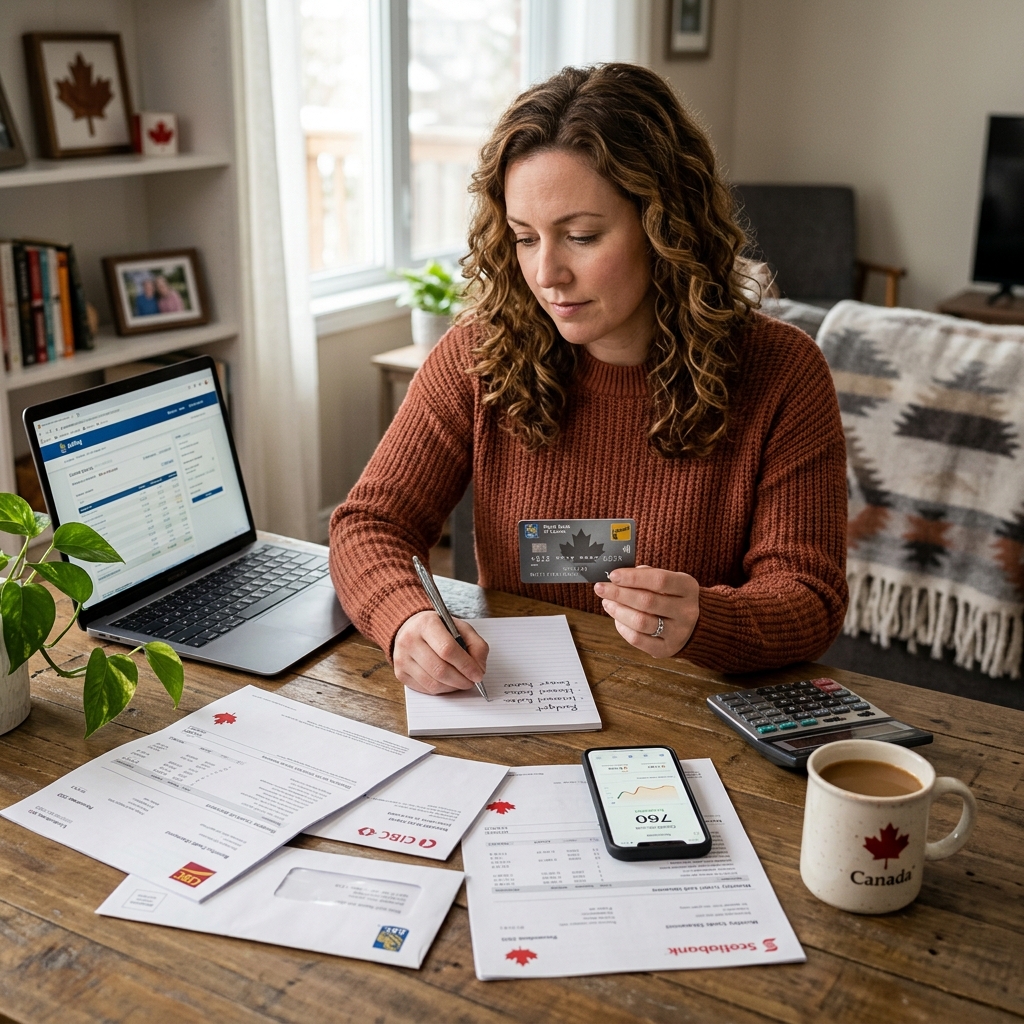
Buying furniture, electronics, vehicles, or services on credit is a normal part of modern life in Canada. Instead of paying the full price upfront, you agree to pay over time, often with interest or other charges. Understanding how these credit arrangements work, and what the law requires from businesses and lenders, is essential if you want to avoid unnecessary costs and serious debt problems.
What Does “Buying on Credit” Mean?
Buying on credit generally means you receive goods or services now and promise to pay later under a contract. The agreement can take several forms, each with its own legal and financial implications:
- Installment purchase: You pay a fixed amount monthly or weekly until the full price (plus any finance charges) is paid.
- Credit card transaction: A bank or other issuer pays the merchant, and you repay the issuer under your card agreement.
- Store-financed purchase: The seller itself extends credit, often under a separate credit agreement tied to the sale.
- Personal loan used to buy goods: A lender gives you money, which you use to buy the product; your loan agreement sets the repayment terms.
In all of these situations, you are entering into a credit contract. This means your rights and obligations are governed by both the contract itself and various federal and provincial consumer protection laws.
Key Players and Overlapping Laws
Consumer credit in Canada is regulated by more than one level of government. Different rules can apply depending on the type of credit and the institution involved.
- Federal rules typically govern banks, credit card issuers, and federally regulated lenders. These rules include disclosure requirements, limits on certain fees, and responsibilities for treating consumers fairly.
- Provincial and territorial laws usually regulate retail credit, payday loans, and many aspects of consumer protection in contracts for goods and services.
The Financial Consumer Agency of Canada (FCAC) supervises federally regulated financial institutions and promotes financial literacy, including education around using credit safely. Provinces, in turn, have consumer protection agencies and statutes that deal with unfair practices, disclosure requirements, and remedies when problems arise.
Essential Terms to Understand Before You Sign
Whether you sign a paper contract in a store, click “I agree” online, or accept terms over the phone, you are bound by the credit agreement. Always look for these core elements:
- Cash price vs. credit price: The cash price is what you would pay upfront; the credit price includes interest and other charges over time.
- Interest rate and APR: The annual percentage rate (APR) shows the total cost of borrowing on a yearly basis. Federal rules limit criminal interest rates and require that credit costs be clearly disclosed.
- Fees and charges: Late payment fees, dishonoured payment fees, account maintenance fees, or optional add-ons can significantly increase the total you pay.
- Payment schedule: How much you pay, how often, and for how long. Some laws require evenly spaced payments and clear disclosure of each amount.
- Security interest: In many credit sales, the seller or lender retains a legal interest in the goods until you finish paying. This can affect what happens if you default.
Legislation and regulations require that these terms be explained honestly and prominently. Hidden or unclear credit terms can violate federal and provincial consumer protection requirements.
Consumer Protection: Disclosures, Limits, and Cool‑Off Rights
Canada’s consumer credit framework is designed to promote transparency and fairness, though the details vary by jurisdiction and product type.
Mandatory Disclosure of Credit Terms
Federal rules and many provincial statutes require lenders and suppliers to provide clear, written information about the cost and conditions of credit. This helps you compare offers and avoid agreements that are overly expensive or unfair.
- Credit card issuers must give you key facts about interest rates, grace periods, fees, and how interest is calculated.
- Consumer protection laws often require disclosure of cash price, total credit price, finance charges, and the schedule of payments for installment sales.
Limits on Fees and Interest
Although credit is not free, certain charges are restricted by law:
- Federal Criminal Code amendments have lowered the maximum criminal interest rate to 35% APR on most consumer loans.
- Specific rules cap certain fees, such as dishonoured payment charges for payday loans and non-sufficient funds (NSF) fees on some personal deposit accounts.
- Provincial consumer protection and payday loan laws can restrict how much lenders may charge and when they can collect default fees.
Cooling‑Off Periods and Buyer’s Remorse Laws
In some situations, you have a limited time to cancel a credit agreement after signing, often referred to as a cooling‑off period or buyer’s remorse right.
- Certain door‑to‑door sales, high‑pressure sales, and specific types of loans give you several days to reconsider.
- If you act within the permitted time and follow the cancellation steps, you can walk away without ongoing payment obligations, although you may need to return the goods or repay any money already advanced.
These protections are not universal. Many everyday credit card purchases and standard retail installment contracts do not include a statutory cooling‑off period. Always check the law in your province and the cancellation clauses in your contract.
How Credit Card Purchases Work
Credit cards are one of the most common ways Canadians buy on credit, and they are subject to specific regulatory rules under the Bank Act and related regulations.
| Feature | What It Means for You |
|---|---|
| Grace period | Many cards do not charge interest on purchases if you pay the full balance by the due date each month. |
| Interest calculation | Regulations dictate how interest is applied to outstanding balances and require clear disclosure of methods. |
| Credit limit | Applications must include a field for your desired limit, and institutions cannot approve more than you request. |
| Fees | Annual membership fees and other charges must be disclosed and are restricted in some circumstances. |
Managing credit card use carefully is crucial, because balances that are not paid in full can accumulate interest quickly, even at rates below the criminal interest threshold. Paying at least the minimum amount due helps you avoid late fees but can keep you in debt much longer than you expect.
Risks of Buying on Credit
Using credit can help you access necessary goods and services, build a credit history, and smooth out cash flow. However, buying on credit carries significant risks if not managed responsibly.
- High total cost: The credit price may be far higher than the cash price once interest and fees are included.
- Over‑indebtedness: Multiple credit accounts (cards, loans, store financing) can make it easy to lose track of your obligations and fall behind.
- Default and repossession: If you miss payments, creditors may be able to seize the goods, charge extra fees, or sue for the unpaid balance.
- Impact on credit score: Late payments, high balances, and collection actions can damage your credit history and make future borrowing more difficult and expensive.
Historically, some Canadian bankruptcy laws have not fully addressed the hardship faced by consumer debtors, making it especially important to avoid problem debt before it becomes unmanageable.
Smart Practices Before You Agree to Credit
Protecting yourself starts long before you sign or click “I agree.” Use the following checklist when considering any purchase on credit:
- Compare the cash and credit cost: Ask for the cash price and the total you will pay over the full term of the credit agreement.
- Review the interest rate and fees: Look at the APR, late charges, and any non‑refundable fees. Question anything you do not understand.
- Assess affordability: Prepare a simple budget. Ensure that the scheduled payments fit comfortably within your monthly income after essential expenses.
- Check cooling‑off and cancellation rights: Find out whether you can cancel the agreement if you change your mind and what steps you must follow.
- Read all terms, including fine print: Many important details, including default remedies, are found in sections people often skip.
- Beware of pressure tactics: High‑pressure sales environments are one reason cooling‑off laws exist. If you feel rushed, pause and consider walking away.
What Happens If You Miss Payments?
Falling behind on credit payments can trigger contractual and legal consequences, though these are regulated to prevent abusive practices.
- Late fees and interest: Your lender or supplier may add late charges and continue to apply interest, often at a higher default rate.
- Collection activities: Creditors or collection agencies may contact you to seek payment. Debtor protection laws restrict harassment, threats, and unreasonable tactics.
- Repossession of goods: If a seller holds a security interest in the product, they may be allowed to reclaim it, subject to provincial rules governing default remedies.
- Legal action: In more serious cases, the creditor may sue for the outstanding balance, potentially leading to wage garnishment or other enforcement measures within legal limits.
If you anticipate difficulty making payments, it is usually better to contact the lender or supplier early, before you default. They may agree to adjust your payment schedule, reduce interest, or allow you to voluntarily surrender the goods under agreed terms.
Government and Agency Support
When buying on credit, you are not entirely on your own. Several public institutions and laws exist to support and protect you as a consumer.
- Financial Consumer Agency of Canada (FCAC): Provides tools and guidance to help Canadians understand financial products, including credit cards and loans, and enforces certain consumer protection rules for federally regulated institutions.
- Provincial consumer protection offices: Enforce provincial laws regarding unfair practices, misrepresentation, and credit sales involving retail merchants.
- Regulators of payday loans and specific credit products: Regulate high‑cost, short‑term loans and limit charges such as dishonoured payment fees.
If you believe a lender or merchant has violated consumer protection laws, misrepresented the cost of credit, or charged unlawful fees, you can often file a complaint with the appropriate agency or regulator. In complex situations, legal advice may be necessary.
Frequently Asked Questions (FAQs)
1. Is buying on credit always more expensive than paying cash?
Usually, yes. When you buy on credit, you typically pay interest and sometimes fees, which increase the total cost beyond the cash price. However, promotional offers (such as limited 0% financing) can occasionally reduce or eliminate interest if you meet all conditions. Always verify how and when interest starts to accrue.
2. Does Canadian law cap how much interest a lender can charge?
Federal criminal law places a ceiling on criminal interest rates (currently 35% APR for most consumer loans), meaning rates above that may be illegal. Provinces may also regulate certain high‑cost credit products. Nevertheless, rates below the criminal threshold can still be expensive, so you should compare offers carefully.
3. Can a seller take back goods if I stop paying?
In many credit sales, the seller retains a security interest in the goods until you finish paying. If you default, the seller may have the right to repossess the item, subject to provincial rules on default remedies and fairness. Your contract and local law determine the exact process.
4. Do I always have a cooling‑off period to cancel a credit purchase?
No. Cooling‑off periods and buyer’s remorse rights apply only to certain types of contracts, such as specific door‑to‑door sales or particular credit arrangements identified in consumer protection statutes. Everyday retail purchases and many standard credit card transactions are not automatically covered.
5. Who should I contact if I think my credit card issuer has charged unfair fees?
Start by reviewing your cardholder agreement and contacting the issuer to seek clarification or dispute the charge. If you believe the issuer has breached federal consumer protection rules, you can bring your concern to the Financial Consumer Agency of Canada, which oversees federally regulated financial institutions.
Using Credit Wisely
Credit can be a useful tool when used thoughtfully and within your financial means. Before entering any credit contract, take time to understand the terms, compare alternatives, and consider your long‑term ability to pay. By combining legal awareness with practical budgeting and careful decision‑making, you can minimize the risks of buying on credit and maintain control over your financial future.
References
- CANADIAN CONSUMER-CREDIT LEGISLATION — Boston College Law Review. 1970-01-01. https://bclawreview.bc.edu/articles/2328/files/63e1f0c561974.pdf
- The Credit Consumer in Trouble: Remedies of Canadian Consumer Creditors — McGill Law Journal. 1978-01-01. https://lawjournal.mcgill.ca/article/the-credit-consumer-in-trouble-remedies-of-canadian-consumer-creditors/
- Consumer protection in Canada: where we are and where we’re going — Torys LLP. 2025-12-01. https://www.torys.com/en/our-latest-thinking/torys-quarterly/q4-2025/consumer-protection-in-canada
- How buyer’s remorse laws can help you stay out of debt — MNP LTD. 2023-05-10. https://mnpdebt.ca/en/resources/mnp-debt-blog/how-buyers-remorse-laws-can-help-you-stay-out-of-debt
- Financial Consumer Agency of Canada — Government of Canada. 2024-01-15. https://www.canada.ca/en/financial-consumer-agency.html
- Remarks on credit card practices and regulations in Canada — Canadian Bankers Association. 2015-10-21. https://cba.ca/article/remarks-on-credit-card-practices-and-regulations-in-canada
- Financial Consumer Protection Framework Regulations (SOR/2021-181) — Canada Gazette, Part II. 2021-08-18. https://www.gazette.gc.ca/rp-pr/p2/2021/2021-08-18/html/sor-dors181-eng.html
Similar Articles








Read full bio of medha deb




