
Business Tax Record Keeping: A Practical Guide
Learn how strong record keeping protects your business, simplifies tax compliance, and supports confident financial decisions all year long.
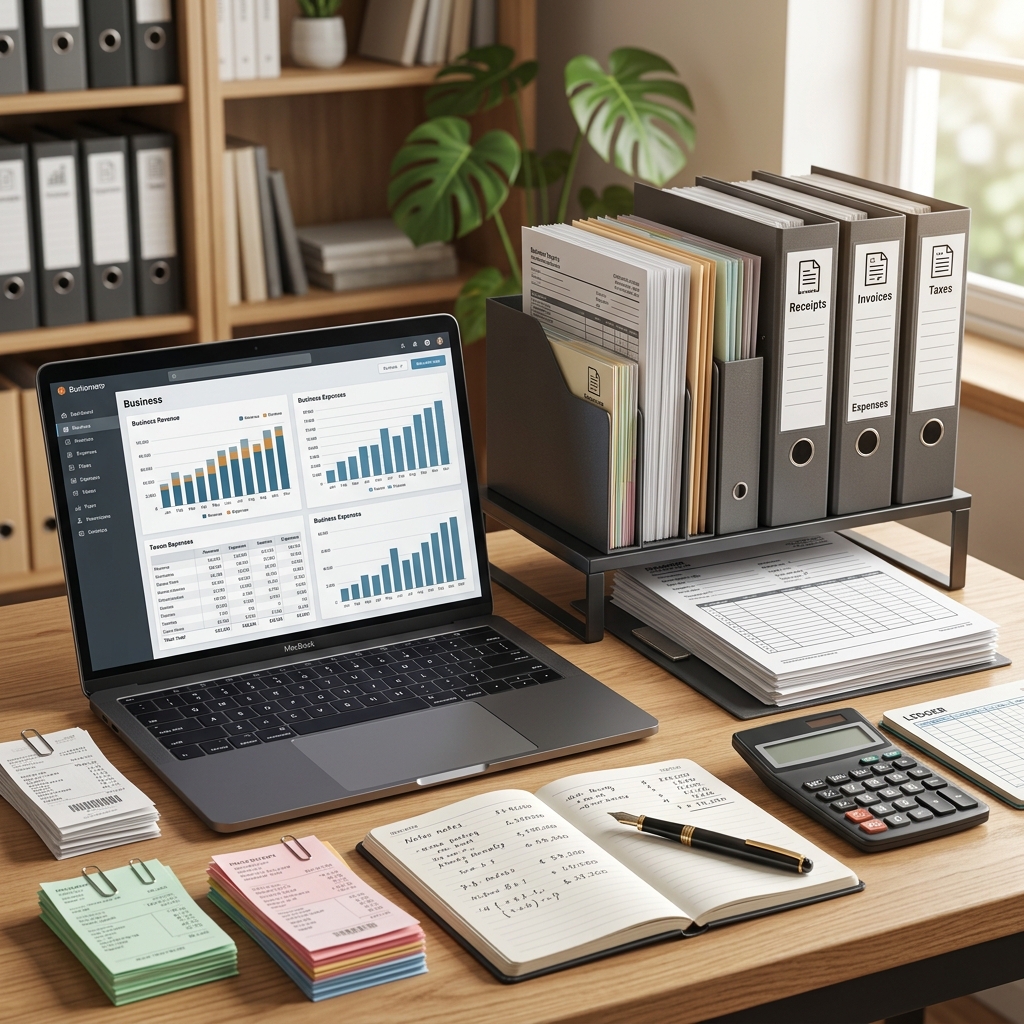
Accurate, well-organized record keeping is one of the most important responsibilities for any business owner. Good records are essential for preparing tax returns, supporting the numbers you report, and understanding how your company is really performing. When your documentation is incomplete or disorganized, tax season becomes stressful and you increase the risk of mistakes, penalties, or even an audit.
This guide explains why record keeping matters so much for business taxes, the kinds of records you should maintain, how long to keep them, and practical strategies for building and maintaining a reliable system.
Why Tax-Focused Record Keeping Matters
From the perspective of the tax authorities, every number on your return needs to be backed up by documentation. The Internal Revenue Service (IRS) explicitly notes that good records help you monitor your business, prepare financial statements, identify sources of income, track deductible expenses, and support items reported on your tax returns.
For business owners, strong record keeping provides several critical benefits:
- Accurate tax filing: Clear documentation allows you to report income, deductions, and credits correctly, reducing the risk of underpayment or overpayment of taxes.
- Evidence during an audit: If your return is examined, the IRS may ask you to explain items reported. A complete set of records can significantly speed up the examination and avoid unfavorable outcomes.
- Better financial decisions: Organized records help reveal which products are profitable, where costs are rising, and whether your business is improving overall.
- Legal compliance: Many tax and employment laws require that you maintain certain records and make them available on request.
Core Types of Business Tax Records
While every business is unique, most companies share a common set of documents that are essential for tax and financial reporting. Official guidance from the IRS and professional accounting firms highlights several categories you should pay particular attention to.
Income and Sales Documentation
Tax authorities need a clear picture of all the money coming into your business. You should be able to identify the source of every dollar of income.
- Customer invoices and sales receipts
- Bank deposit slips and statements
- Merchant account records (credit card sales)
- Online sales reports from payment platforms
These records help demonstrate that the income you report on your tax returns matches the reality of your business activity.
Expense and Deduction Support
To claim deductions for business expenses, you must be able to substantiate them with proper documentation. The IRS specifically expects records for purchases and expenses, as well as travel, transportation, entertainment, and gift expenses when applicable.
- Vendor invoices and bills
- Receipts for supplies, equipment, and services
- Credit card statements used for business purchases
- Mileage logs and travel expense reports
- Documentation for meals and entertainment where allowed
Without these records, you risk losing deductions if your return is challenged or reviewed.
Asset and Property Records
Assets such as buildings, vehicles, and equipment often generate tax deductions through depreciation or may trigger gains and losses when sold. To calculate these amounts accurately, you need detailed records of each asset.
- Purchase documents and invoices showing cost and date
- Financing agreements, if applicable
- Depreciation schedules prepared by your accountant or software
- Records of improvements or major repairs
- Sales documents and closing statements when assets are disposed of
The IRS recommends keeping property records until the period of limitations expires for the year in which you dispose of the property, because they affect your gain or loss calculations.
Employment and Payroll Records
If you have employees, payroll documentation is especially important. Employment taxes carry strict responsibilities, and businesses must retain records that support withholdings, deposits, and filings for several years.
- Copies of withholding certificates (for example, Forms W-4)
- Payroll registers showing gross pay, deductions, and net pay
- Records of tax deposits made to federal and state agencies
- Copies of payroll tax returns
- Documentation of fringe benefits and allocated tips
Professional guidance commonly recommends keeping employment tax records for at least four years after the tax becomes due or is paid.
How Long Should You Keep Business Records?
The question of retention is central to record keeping. You do not need to keep every piece of paper forever, but certain documents must remain accessible for many years. The IRS uses what is called a period of limitations—the length of time during which you can amend a return or the IRS can audit it—to determine how long records should be retained.
| Situation | Recommended Retention Period |
|---|---|
| All income reported, all required returns filed | At least 3 years |
| Claim for credit or refund after filing original return | 3 years from filing date or 2 years from tax payment date, whichever is later |
| Claim for loss from worthless securities or bad debt | 7 years |
| Underreported income by more than 25% of gross income | 6 years |
| No return filed or fraudulent return | Indefinite retention |
| Employment tax records | At least 4 years after tax due or paid |
These guidelines, drawn from IRS materials and professional accounting advice, illustrate why a long-term retention plan is so important. A well-organized archive allows you to respond quickly if a past year is questioned or if you need to file amended returns.
Designing a Practical Record Keeping System
Knowing what to keep is only half the challenge. You must also develop a reliable system that lets you store, find, and protect your records over time. Government and banking resources emphasize that record keeping is an orderly and disciplined practice of storing business records, and that the success of a business depends on creating and maintaining an effective record system.
Essential Principles of a Good System
- Consistency: Use the same method every time you record income, expenses, and other transactions so you can easily compare data across months and years.
- Completeness: Capture all relevant documents, including digital receipts, bank statements, contracts, and tax filings, not just paper invoices.
- Organization: Group records logically—by year, by type of document, and by account—so you can quickly locate what you need at tax time.
- Security and backups: Protect sensitive information and regularly back up digital files to separate storage, ideally in a different location.
Combining Paper and Digital Records
Many businesses use a hybrid approach, keeping some records on paper and others electronically. Whatever format you choose, the key is that the records are legible, complete, and retrievable.
- Paper records: Use labeled folders for each year and category (income, expenses, payroll, assets). Store them in a secure, dry location with limited access.
- Scanned documents: Consider scanning critical paper records and saving them as PDFs. This reduces physical storage and makes it easier to share documents with accountants or auditors.
- Cloud storage: Cloud services can provide off-site backups and facilitate collaboration, but ensure you use strong security practices and access controls.
Whatever your mix, the goal is to have a reliable record trail that you can follow from your bank statements to your accounting system to your tax returns.
Using Accounting and Payroll Software
Modern accounting and payroll systems can automate much of the record keeping process. They capture transactions when they occur, generate financial statements, and store detailed histories that support your tax filings.
- Connect business bank and credit card accounts to your accounting software to import transactions automatically.
- Use standardized categories for income and expenses to ensure consistent reporting.
- Integrate payroll software that calculates withholdings, generates pay stubs, and creates ready-to-file tax forms.
- Regularly reconcile your software records against bank statements to catch errors or missing entries.
Even with software, it remains your responsibility to ensure that underlying documentation—like invoices, receipts, and contracts—is stored and linked to the transactions recorded in your system.
Preparing for Audits and Examinations
No business wants to face a tax audit, but solid record keeping can turn a potentially stressful experience into a manageable one. Official guidance emphasizes that business owners must keep their records available at all times for inspection, and that complete records help the IRS quickly review and verify items reported on a return.
To be audit-ready:
- Maintain a clear audit trail: Ensure that each figure on your tax return can be traced back through your accounting system to source documents such as invoices and bank statements.
- Keep copies of filed returns: Past returns are important for preparing future filings and for making computations when you file an amended return.
- Document decisions: For significant transactions or unusual treatments, keep written documentation explaining the rationale and the advice you received from professionals.
- Update records regularly: Rather than scrambling at year-end, maintain records throughout the year so that an unexpected audit does not require a major reconstruction effort.
Common Mistakes and How to Avoid Them
Even well-intentioned business owners can fall into habits that undermine their record keeping. Awareness of these pitfalls can help you avoid costly problems.
- Mixing personal and business finances: Using the same bank account or credit card for personal and business expenses makes it difficult to prove which costs are deductible and can complicate audits.
- Relying on memory: Failing to record expenses as they occur can cause you to forget legitimate deductions later, leading to higher taxable income.
- Discarding records too early: Shredding documents before the applicable period of limitations has expired may leave you unable to substantiate items if your return is questioned.
- Ignoring small transactions: Small amounts add up, and tax authorities do not distinguish between large and small items when reviewing the accuracy of a return.
By intentionally designing your processes to address these risks, you can greatly strengthen your overall record keeping posture.
FAQs: Business Tax Record Keeping
Do I really need a separate business bank account?
While not always legally required, having a dedicated business bank account and, ideally, separate business credit cards helps clearly separate business transactions from personal ones. This simplifies bookkeeping, supports accurate tax reporting, and provides clearer evidence if your records are reviewed.
Can I keep all my records digitally?
In many cases, digital records are acceptable as long as they are accurate, complete, and accessible. Banking and regulatory resources recommend backing up computer system records to separate drives, preferably in a remote location, to avoid data loss. Always check specific regulatory requirements for your industry and jurisdiction, as some documents may need to be retained in their original form.
What happens if I lose my records?
Losing records can make it very difficult to substantiate income, deductions, or credits on your tax returns. You may need to reconstruct information from bank statements and other sources, and you could lose some deductions if you cannot demonstrate they were legitimate. Strong backup practices and secure storage are essential to avoid this situation.
How often should I review my record keeping system?
At minimum, review your system annually before tax season. Many small businesses benefit from quarterly reviews to ensure that their processes still align with tax requirements, business growth, and any new regulatory obligations. Regular reviews also help you catch and correct organizational issues before they become serious problems.
Do I need professional help to manage my records?
Many owners can handle day-to-day record keeping themselves, especially with modern software tools. However, consulting an accountant or tax professional at least once a year can help ensure your records support your tax positions correctly and comply with current rules. Complex situations—such as asset sales, business expansions, or international operations—often warrant more frequent professional involvement.
References
- Why Should I Keep Records? — Internal Revenue Service. 2023-02-14. https://www.irs.gov/businesses/small-businesses-self-employed/why-should-i-keep-records
- Recordkeeping Guide for Small Businesses — Frazier & Deeter. 2022-03-10. https://www.frazierdeeter.com/insights/article/recordkeeping-guide-small-business/
- Record Keeping for a Small Business — Federal Deposit Insurance Corporation. 2018-01-01. https://catalog.fdic.gov/catalog/sfc/servlet.shepherd/document/download/069t000000Bch4VAAR
- Why Is Bookkeeping Important for Small Business? — Patriot Software. 2023-06-01. https://www.patriotsoftware.com/blog/accounting/why-is-bookkeeping-important-small-business/
Similar Articles








Read full bio of Sneha Tete




