
Building a Successful Online Law Practice
Practical ways to launch, market, and manage a law practice built for the digital age.
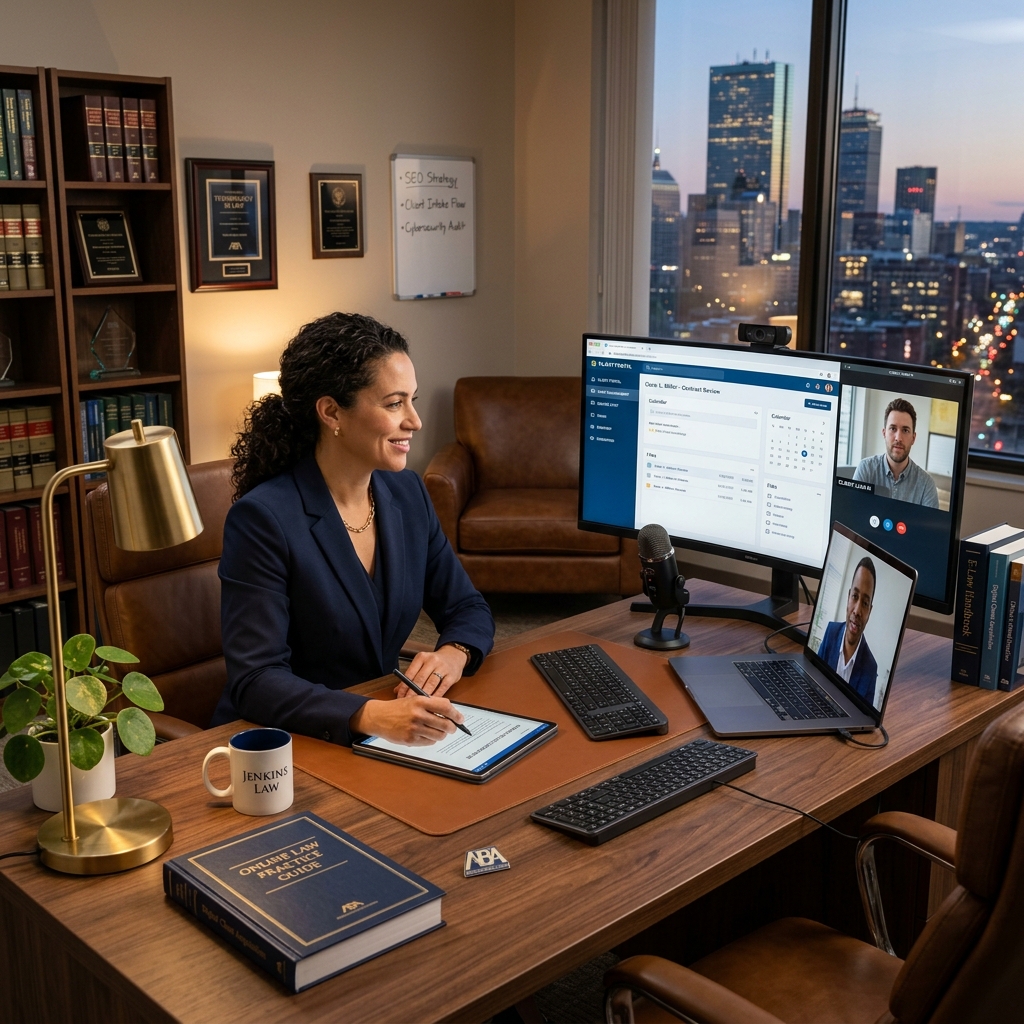
A strong online law practice is not just a website with a phone number attached. It is a business built around trust, clear communication, efficient systems, and a client experience that works smoothly from the first search result to the final invoice. Lawyers who want to grow online need more than legal knowledge; they need a repeatable model for attracting clients, serving them efficiently, and keeping the practice profitable as it scales.
The most effective digital practices blend professional credibility with practical operations. That means choosing the right technology, presenting services in a client-friendly way, and creating workflows that reduce friction for both attorney and client. The goal is not to be online for its own sake. The goal is to use the internet to build a dependable, sustainable legal business.
Start with a clear business model
Before investing in advertising or software, define what kind of online law practice you want to operate. A successful virtual or hybrid practice begins with a deliberate business model that matches your skills, your target clients, and the legal services you plan to deliver. If the model is vague, marketing becomes unfocused and operations become harder to manage.
Ask basic questions early: Which practice areas fit well in a remote environment? Which client problems can be handled efficiently online? What level of personalization will your clients expect? A business model is strongest when it answers those questions in a way that is realistic, scalable, and easy to explain to potential clients.
- Define your core services.
- Identify your ideal client profile.
- Choose a delivery model that can work digitally.
- Set pricing and billing methods that support profitability.
- Build a plan for growth instead of relying on ad hoc referrals.
Create a website that does real work
Your website is often the first interaction a prospective client has with your firm, so it must do more than look polished. It should explain what you do, who you help, and why someone should contact you now rather than continue searching. Clear design matters, but clarity of message matters more.
Clients usually visit a law firm site under stress, uncertainty, or time pressure. They want quick answers and an easy next step. A high-performing site therefore needs simple navigation, strong calls to action, and service pages that avoid jargon. It should also be mobile-friendly, since many visitors will find you on a phone.
| Website Element | Why It Matters |
|---|---|
| Clear practice-area pages | Helps visitors immediately understand whether you can solve their problem |
| Strong contact options | Makes it easy for prospects to take action without confusion |
| Plain-language copy | Builds trust and reduces the intimidation many clients feel |
| Visible credentials | Supports credibility and professional authority |
| Fast loading and mobile design | Improves user experience and search performance |
Think of the website as a digital intake tool. If it answers common questions, filters the right prospects, and invites contact without friction, it is doing important business work for you every day.
Make client intake simple and responsive
One of the biggest advantages of an online law practice is the ability to create a consistent intake process. Instead of handling every inquiry manually, you can guide prospects through a structured path that saves time and improves the client experience. A good intake system also helps you avoid losing leads because someone forgot to follow up.
The intake process should gather enough information to determine fit while remaining quick and easy for the client. The best systems balance efficiency with empathy. People reaching out to a law firm often have urgent concerns, so responsiveness is part of the service itself.
- Use web forms that ask focused, necessary questions.
- Automate acknowledgment emails so prospects know they were heard.
- Set internal timelines for follow-up.
- Screen cases consistently so you can qualify leads faster.
- Track where leads come from to measure marketing performance.
A thoughtful intake process also reduces wasted attorney time. When the right information is collected early, consultation calls become more productive, and the practice can move from first contact to signed engagement with less delay.
Use communication to build trust online
In a digital law practice, trust is not built face-to-face in a waiting room. It is built through email, phone calls, video meetings, website content, and the tone of every client interaction. That makes communication a core business skill, not a secondary one.
Clients want to know what will happen next, how long it may take, and how they can reach you when they need help. If you communicate clearly and consistently, you reduce anxiety and create confidence. If communication is slow or inconsistent, even strong legal work can be overshadowed by frustration.
Video meetings are especially useful because they preserve some of the personal connection that clients associate with traditional law offices. They also make remote service feel more human. A good online practice uses technology to increase convenience without making the relationship feel distant.
Build a marketing system, not a one-time campaign
Many lawyers treat marketing as an occasional project. Successful online practices treat it as a system. That means choosing channels that fit the firm, publishing helpful content regularly, and creating a process that can keep generating leads over time. A system is better than a single burst of promotion because it is measurable and repeatable.
Content marketing is especially effective when it is built around real client concerns. Educational articles, short videos, webinars, and practical guides can show that you understand the problems your audience is trying to solve. The point is not to flood the internet with content; the point is to become visible where potential clients already look for answers.
- Publish content that addresses common legal questions.
- Use local search optimization to improve discoverability.
- Maintain a consistent presence on the platforms your audience actually uses.
- Offer clear next steps in every marketing channel.
- Review results regularly and adjust based on performance.
Referral relationships still matter, but they work best when paired with online visibility. A strong digital presence makes it easier for referrals to verify your credibility and understand your services before they reach out.
Choose technology that supports the practice
Technology should reduce complexity, not create it. A successful online law practice depends on tools that help with scheduling, document management, billing, secure communication, and case tracking. When these tools are selected carefully, they free the attorney to focus on strategy and client service rather than administrative overload.
The challenge is to avoid adopting software simply because it is popular. Every tool should earn its place by saving time, improving accuracy, or making the client experience smoother. Simplicity is often a competitive advantage. A lean tech stack is easier to train on, easier to manage, and less likely to break down when the practice gets busy.
| Tool Category | Business Purpose |
|---|---|
| Scheduling software | Reduces back-and-forth and makes consultations easier to book |
| Practice management software | Keeps cases, deadlines, and tasks organized in one place |
| Billing and payment tools | Improves cash flow and makes it easier for clients to pay |
| Document automation | Saves time on repetitive drafting and standard forms |
| Secure messaging and video tools | Supports confidential and convenient client communication |
Protect time with systems and workflows
Online law firms often succeed or fail based on their systems. Without clear workflows, the flexibility of remote work turns into scattered tasks, missed deadlines, and constant interruptions. With systems in place, the firm becomes more predictable and easier to scale.
Workflows should cover the full client journey, from the first inquiry to matter closeout. That includes intake, engagement, document collection, case progress updates, billing, and archive procedures. The more repeatable the process, the easier it becomes to delegate and grow.
- Create written procedures for common tasks.
- Standardize document templates wherever possible.
- Use checklists for recurring matters.
- Set deadlines and reminders inside your practice tools.
- Review bottlenecks and improve processes continuously.
Systems also make client service more consistent. When every matter follows a known path, clients receive a clearer experience and staff can work with fewer mistakes.
Think about staffing and delegation early
A solo lawyer may begin with a lean operation, but growth usually requires support. Delegation does not mean surrendering control; it means protecting the lawyer’s time for high-value work while other responsibilities are handled by capable people or services. In an online practice, this often includes administrative help, marketing support, and technical assistance.
Hiring too soon can create financial strain, but waiting too long can also limit growth. The right moment to delegate is when routine work starts pulling attention away from legal work, client service, or business development. At that point, support becomes an investment in capacity rather than an unnecessary expense.
Outsourcing can be especially useful for tasks that require specialized skills but do not need to be done in-house every day. Website maintenance, search optimization, and graphic design are common examples. A practical approach is to keep core legal decisions inside the firm while using outside support for execution-heavy functions.
Stay visible in professional and community networks
Even an online practice benefits from real relationships. Clients, referral sources, collaborators, and peers can all contribute to growth when the lawyer remains active and visible. Digital visibility is strongest when it is reinforced by a genuine professional network.
Community presence can take many forms: speaking on webinars, contributing to online groups, writing educational posts, or participating in professional organizations. The purpose is to become a familiar and trusted name in the spaces where your audience spends time.
- Join relevant bar and professional associations.
- Participate in legal and business communities online.
- Develop referral relationships with complementary professionals.
- Share useful insights instead of constant promotion.
- Keep your outreach consistent over time.
Measure what is working and refine the plan
A successful online law practice is never finished. It improves through measurement and adjustment. You should know which pages bring in leads, which marketing channels convert best, how long intake takes, and where clients tend to drop out of the process. Those signals help you make better decisions about time and money.
Tracking performance does not require complex analytics at the start. A simple review of contacts, consultations, signed matters, and revenue by source can reveal a lot. Over time, that information helps you focus on the most effective parts of the practice and cut the pieces that do not produce results.
Frequently asked questions
What makes an online law practice successful?
Success usually comes from combining legal expertise with strong systems, clear communication, and steady marketing. A polished website alone is not enough; the practice must also convert leads and deliver a smooth client experience.
Do online law firms still need personal interaction?
Yes. Clients still want to feel understood and supported. Video calls, responsive messaging, and clear explanations help preserve the human side of the attorney-client relationship.
Which technology tools are most important?
The most important tools are usually those that help with scheduling, document handling, communication, case management, and billing. The best choice depends on the firm’s size and service model.
How do lawyers get clients online?
Most firms rely on a mix of search visibility, educational content, referrals, and direct outreach. A good lead-generation system helps turn interest into consultations and consultations into paying clients.
Can a solo lawyer compete online?
Yes. Solo lawyers can compete effectively when they have a focused niche, a professional website, efficient workflows, and a marketing plan built around the needs of a specific audience.
References
- How to Build a High-Performing Solo Attorney Website — American Bar Association. 2025-01-01. https://www.americanbar.org/groups/law_practice/resources/law-technology-today/2025/how-to-build-a-high-performing-solo-attorney-website/
- How to Grow a Law Firm: Complete Guide — Clio. 2022-01-01. https://www.clio.com/blog/growing-a-law-firm/
- Building a Successful Virtual Law Firm: 6 Expert Tips — New Law Business Model. 2024-01-01. https://newlawbusinessmodel.com/en/articles/build-virtual-law-firm-solid-as-brick-and-mortar
- How to Start and Build a Successful Practice — Washington State Bar Association. 2024-01-01. https://www.wsba.org/docs/default-source/cle/nle/prep/starting-your-practice-handout.pdf?sfvrsn=f04e0ef1_1
- Law firm website design: Best Practices — Trinity Partners. 2024-01-01. https://www.trinity-partners.com/news/solo-law-firm-website-design-best-practices-examples/
- Blueprint for Building Your Practice: For Solo and Small Firm Lawyers — Jeffrey M. Kimmel. 2023-01-01. https://www.linkedin.com/pulse/blueprint-building-your-practice-solo-small-firm-jeffrey-m-kimmel
Similar Articles








Read full bio of medha deb


