
Inside the Brooke Astor Estate Fraud Trial
How the Anthony “Tony” Marshall prosecution reshaped views on elder financial abuse and fiduciary duty in high‑net‑worth families.
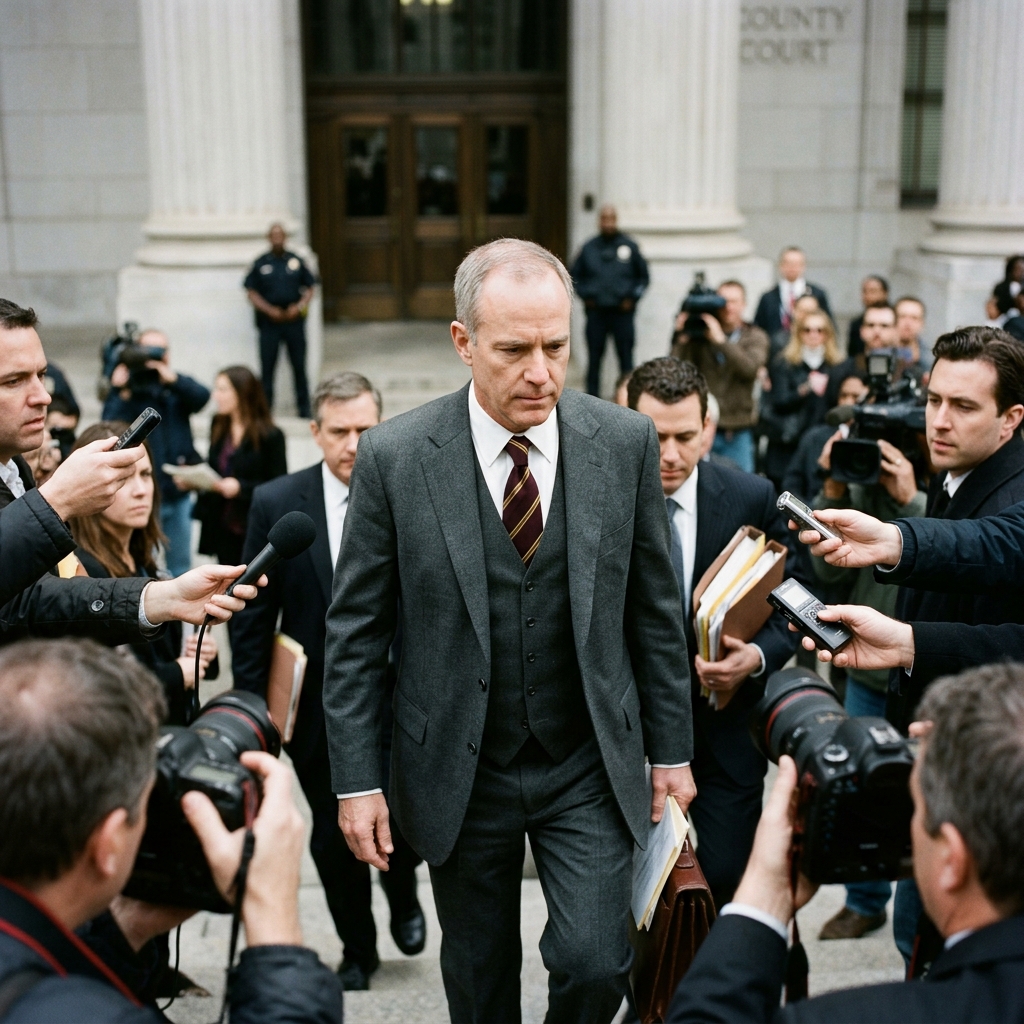
When jury selection began in the criminal case against Anthony “Tony” Marshall, son of philanthropist Brooke Astor, it signaled the start of one of the most closely watched estate fraud and elder abuse trials in modern American legal history.[10] The proceedings combined questions of wealth, family loyalty, cognitive decline, and fiduciary duty, offering a powerful case study in how the justice system responds to alleged financial exploitation of older adults.
Background: Brooke Astor, Her Legacy, and Her Son
Brooke Astor was a prominent New York socialite and philanthropist, widely regarded as a symbol of high society and charitable giving in the city. Her son, Anthony Dryden Marshall, known as Tony, had a long career that included work as a theatrical producer, diplomatic posts, and service as a CIA officer. Despite their public stature, the relationship between mother and son became the focus of intense scrutiny after allegations emerged that Marshall abused his position of trust to divert millions from his mother’s estate.
Astor, who suffered from Alzheimer’s disease in her later years, relied heavily on her son and other advisors to manage her finances and medical care. As her condition deteriorated, questions arose about whether she could meaningfully consent to changes in her will and significant financial transactions that benefitted Marshall. These concerns ultimately led to both civil disputes and criminal charges.
Core Allegations and Criminal Charges
In 2007, Anthony Marshall was indicted on a range of charges tied to alleged misconduct involving his mother’s estate and assets. The indictment included:
- Grand larceny in the first and second degrees, reflecting allegations of large-scale theft from Astor’s assets.
- Possession of stolen property, based on claims that Marshall held property wrongfully taken from his mother.
- Forgery and conspiracy, including accusations that he worked with attorney Francis Morrissey to manipulate estate documents and banking records.
- Scheme to defraud, alleging a sustained plan to illegally benefit from Astor’s wealth.
- Offering a false instrument for filing, focused on allegedly fraudulent filings submitted to authorities or institutions.
Marshall’s co‑defendant, estate lawyer Francis X. Morrissey, faced his own set of conspiracy, forgery, and scheming to defraud charges, reflecting the prosecution’s theory that the lawyer played a key role in drafting and facilitating suspect estate planning changes.
Why Jury Selection Was So Complex
Jury selection in the Marshall trial was not routine. The court anticipated that seating a jury for a complex, high-profile elder fraud case involving a famous socialite could take weeks.[10] Several factors made the process unusually delicate:
- Extensive media coverage meant many potential jurors had prior knowledge or strong opinions about the case.
- Long anticipated trial length—ultimately around five to six months—required jurors who could commit to an extended period of service.[10]
- Emotional subject matter involving alleged mistreatment of an elderly parent and perceived family betrayal demanded careful screening for bias.
- Complex financial and legal issues necessitated jurors capable of following detailed testimony involving wills, trust instruments, property valuations, and capacity assessments.
According to reporting on the trial, Justice A. Kirke Bartley anticipated that simply selecting an impartial jury could take up to two months, illustrating the challenge of finding twelve people willing and able to serve on such a demanding case.[10]
Key Legal Concepts at the Heart of the Case
| Legal Concept | Role in the Marshall Trial |
|---|---|
| Grand Larceny | Prosecutors claimed Marshall wrongfully took millions from Brooke Astor, including cash and valuable art. |
| Fiduciary Duty | As an agent and beneficiary, Marshall had heightened responsibilities to act in Astor’s best interests, not his own. |
| Testamentary Capacity | The case centered on whether Astor had sufficient mental capacity to approve changes to her will and estate plans. |
| Elder Financial Abuse | The prosecution framed the conduct as exploitation of an elderly, cognitively impaired person entrusted to Marshall’s care. |
| Conspiracy & Forgery | Authorities alleged Marshall and Morrissey collaborated to alter documents and misrepresent Astor’s intentions. |
Understanding these legal concepts is essential for grasping why the case resonated widely: it combined criminal law, elder law, estate planning, and family dynamics in a single, high-visibility prosecution.
Evidence and Themes Presented at Trial
Over the course of many months, jurors heard from a broad range of witnesses, including household staff, medical professionals, financial advisors, and legal experts. Several recurring themes emerged:
- Astor’s cognitive decline: Witnesses described her Alzheimer’s disease and questions about whether she could understand complex transactions in her final years.
- Changes to her will and gifts: The prosecution highlighted amendments and gifts that allegedly diverted substantial assets to Marshall beyond what earlier estate plans contemplated.
- Living conditions and care: Testimony touched on Astor’s living conditions and medical care, raising broader concerns about neglect and quality of life for the very wealthy elderly.
- Disputed art and valuables: One of the most publicized issues involved the sale of a valuable Childe Hassam painting, though Marshall was ultimately acquitted on that larceny count.
Jurors had to weigh this evidence against the defense’s arguments that Astor had long planned to reward her son, that changes were consistent with her wishes, and that Marshall did not criminally exploit his mother.
The Verdict and Appellate Outcome
On October 8, 2009, after more than five months of trial, the jury found Anthony Marshall guilty of 14 of 16 criminal counts, including first‑degree grand larceny, fraud, and other related offenses. Co‑defendant Francis Morrissey was convicted on all six charges against him, covering conspiracy, forging documents, and scheming to defraud.
Important aspects of the verdict included:
- Confirmation that the jury accepted the theory that Marshall had exploited his mother’s diminished capacity for financial gain.
- Rejection of some counts—particularly relating to the controversial art sale—showing that jurors parsed the evidence count by count.
- Recognition of Morrissey’s role, reinforcing that professionals who help implement suspect estate changes can face criminal liability.
Marshall was later sentenced to a prison term, though he ultimately served only about eight weeks before being released on medical parole. In 2013, a New York appellate court upheld his conviction, affirming findings of grand larceny, scheme to defraud, conspiracy, and related offenses. This appellate decision reinforced the trial court’s conclusions and served as an important precedent in New York law regarding the criminal consequences of financial exploitation in family estate contexts.
Broader Lessons on Elder Financial Abuse
Beyond the personal drama, the Marshall case highlighted systemic issues surrounding elder financial abuse. Government agencies and researchers have long documented that older adults, especially those facing cognitive impairment, are vulnerable to exploitation by people they trust, including family members.
Key lessons include:
- Wealth does not eliminate vulnerability: Astor’s immense resources did not protect her from potential exploitation; in some ways, they created greater incentives.
- Family members can be perpetrators: Elder abuse prevention strategies must address scenarios in which trusted relatives misuse authority or access.
- Capacity assessments are critical: Medical documentation of cognitive status, especially for major estate changes, can be decisive in later disputes.
- Professional gatekeepers matter: Lawyers, financial advisors, and caregivers play a crucial role in spotting irregularities and raising concerns.
For legal practitioners, the case is often cited as a warning about the need for rigorous standards when drafting documents for elderly clients and for documenting their understanding and consent.
Practical Takeaways for Families and Advisors
While the Marshall trial was unique in its scale and visibility, it offers practical guidance for any family managing an aging relative’s finances. Some widely recommended best practices include:
- Use multiple fiduciaries: Consider co‑agents under powers of attorney or co‑trustees to reduce the risk of single‑person abuse.
- Encourage transparency: Regular family meetings and written summaries of major financial decisions can deter misconduct and clarify intentions.
- Document capacity: When significant gifts or will changes are contemplated, obtain evaluations and statements from qualified clinicians.
- Retain independent counsel: Elderly individuals should have legal advisors who are not primarily aligned with potential beneficiaries.
- Monitor for red flags: Sudden changes in estate plans, isolation from long‑time friends, or unexplained asset transfers may warrant closer scrutiny.
These measures do not guarantee the absence of abuse, but they can strengthen safeguards and provide clearer evidence if disputes arise.
FAQs: Understanding the Anthony Marshall and Brooke Astor Case
Why was the Anthony “Tony” Marshall trial considered so significant?
The trial drew national attention because it involved the alleged exploitation of a famed philanthropist by her own son, raised complex questions about mental capacity and consent, and produced a rare criminal conviction tied to estate planning changes. It has since been cited in discussions about elder abuse and high‑net‑worth estate oversight.
What role did jury selection play in shaping the case?
Jury selection was unusually lengthy and careful due to extensive media coverage, the anticipated length of the trial, and the emotionally charged nature of alleged elder abuse.[10] The court aimed to seat jurors capable of evaluating both detailed financial evidence and sensitive testimony about family relationships and cognitive decline.
Was Anthony Marshall convicted on all charges?
No. The jury convicted him on 14 of 16 counts, including first‑degree grand larceny and fraud, but acquitted him on some charges, notably those relating to a high‑profile art sale and certain business records. This mixed outcome illustrates how jurors distinguished between different parts of the prosecution’s case.
How did the case affect legal thinking on elder financial abuse?
The case underscored that financial exploitation of elders—even within families—can lead to serious criminal consequences, and highlighted the need for better documentation of capacity and consent in estate planning. It also reinforced the responsibilities of lawyers and other professionals involved in drafting and executing such documents.
What happened to Marshall after his conviction was upheld?
Marshall ultimately served a portion of his sentence but was granted medical parole after about eight weeks in custody, reflecting his advanced age and health. The appellate court’s decision to affirm his conviction nonetheless stands as a strong statement about the seriousness with which courts treat financial exploitation of vulnerable elders.
References
- People v. Marshall — New York Appellate Division, First Department. 2013-02-26. https://law.justia.com/cases/new-york/appellate-division-first-department/2013/9014.html
- Anthony “Tony” Marshall Trial’s Jury Selection to Begin in Brooke Astor Estate Fraud Case — FindLaw Legal Blogs. 2009-03-27. https://www.findlaw.com/legalblogs/consumer-protection/anthony-tony-marshall-trials-jury-selection-to-begin-in-brooke-astor-estate-fraud-case-elder-abuse-c/
- Brooke Astor Trial Verdict Latest in Long Family Drama — ABC News. 2009-10-08. https://abcnews.go.com/2020/astor/brooke-astor-son-anthony-marshall-guilty-fraud-larceny/story?id=8629431
- Jury selection begins at trial of Astor’s son — NBC News / Associated Press. 2009-03-31. https://www.nbcnews.com/id/wbna29959618
- Anthony Dryden Marshall — Biographical entry. Last updated 2019-09-10. https://en.wikipedia.org/wiki/Anthony_Dryden_Marshall
Similar Articles








Read full bio of medha deb


